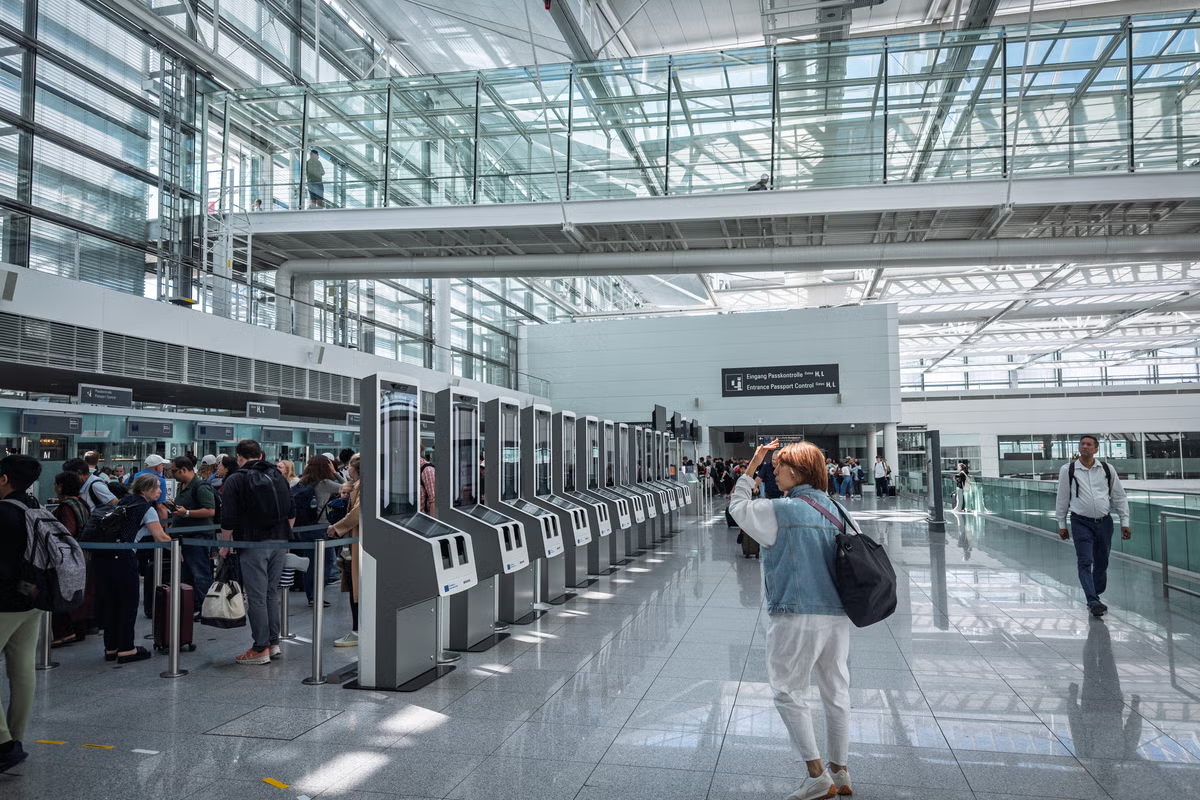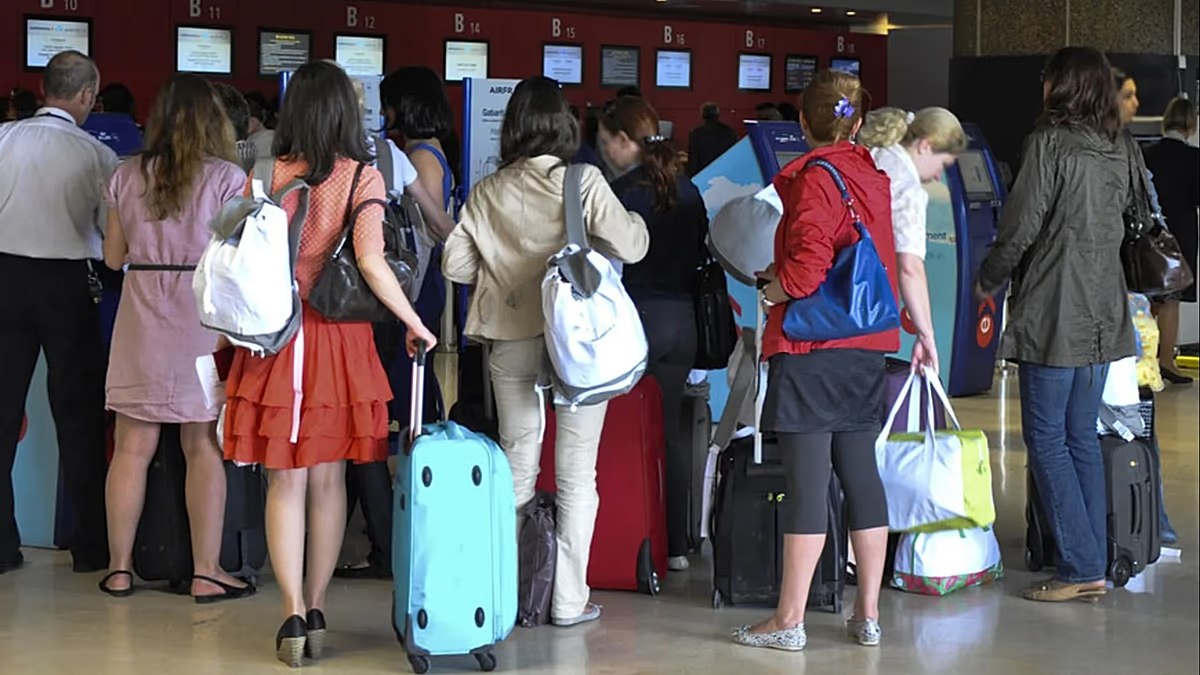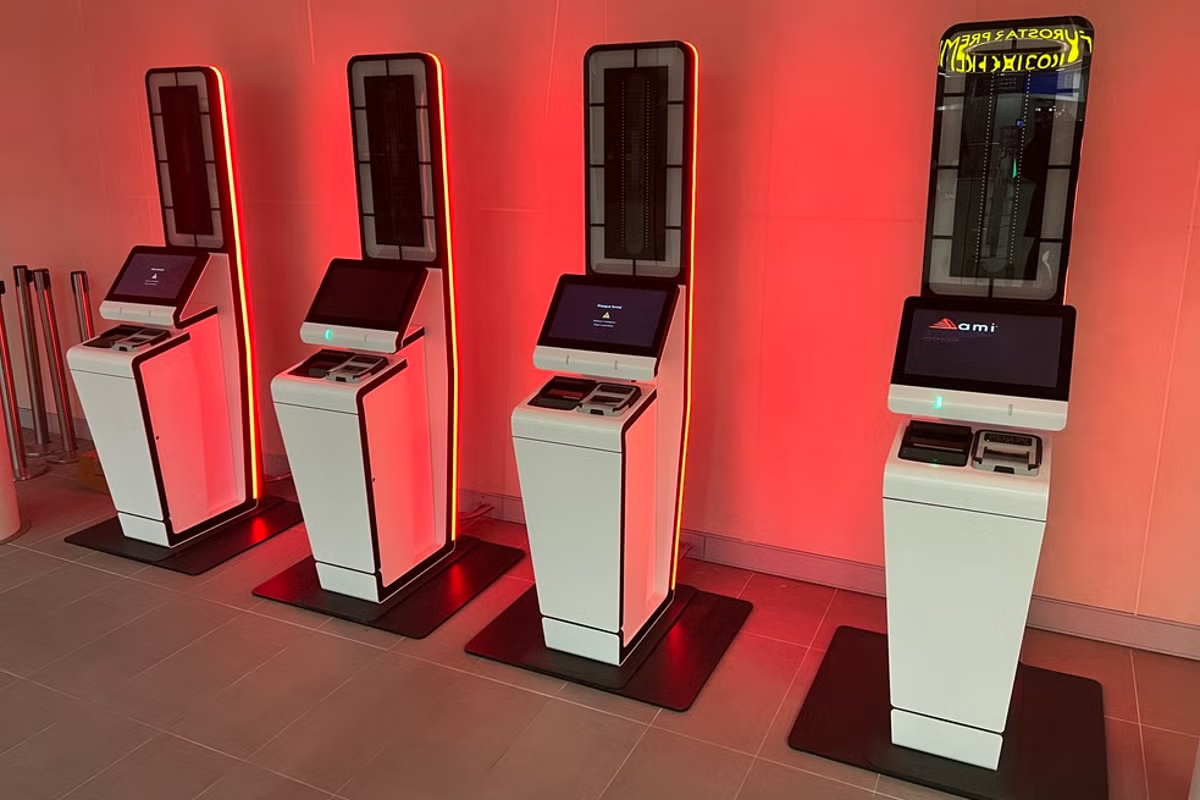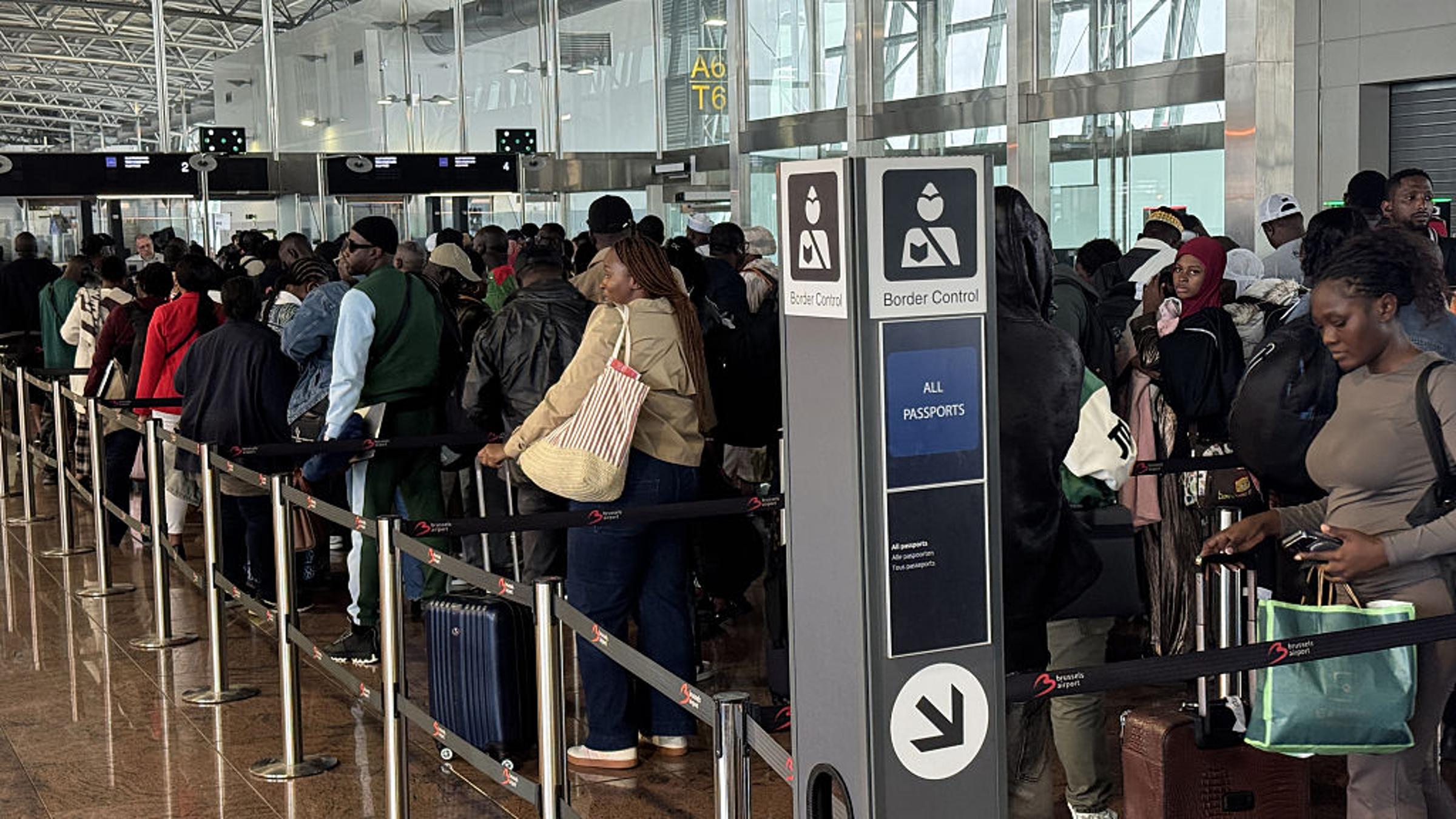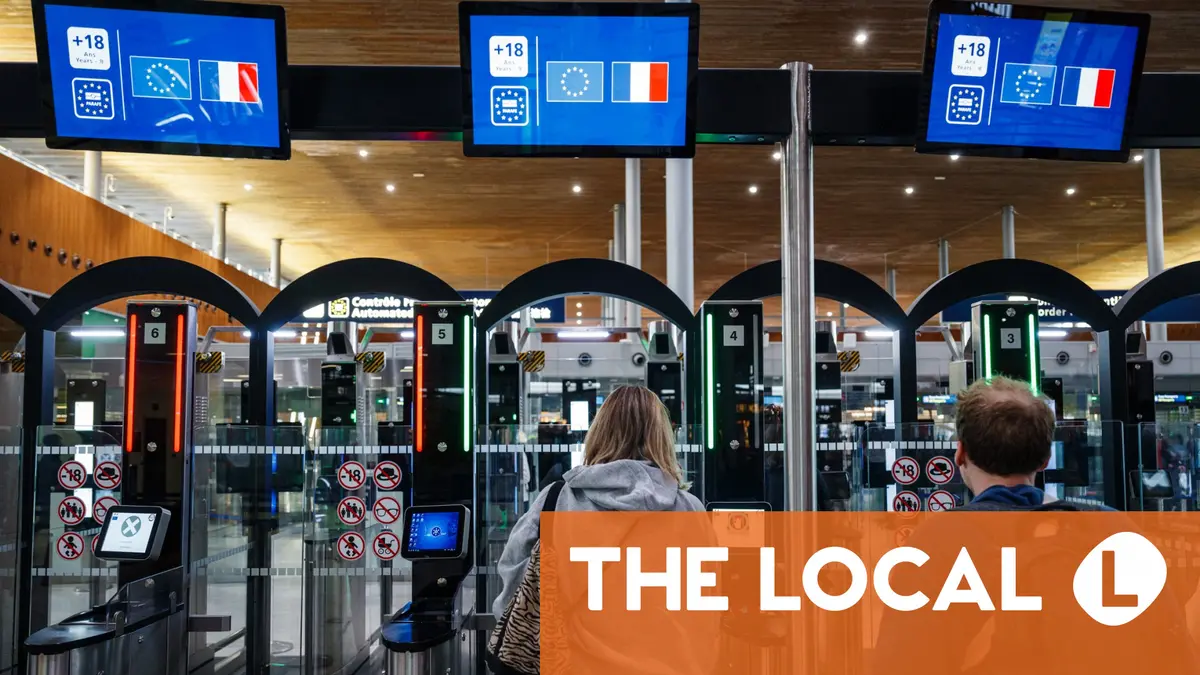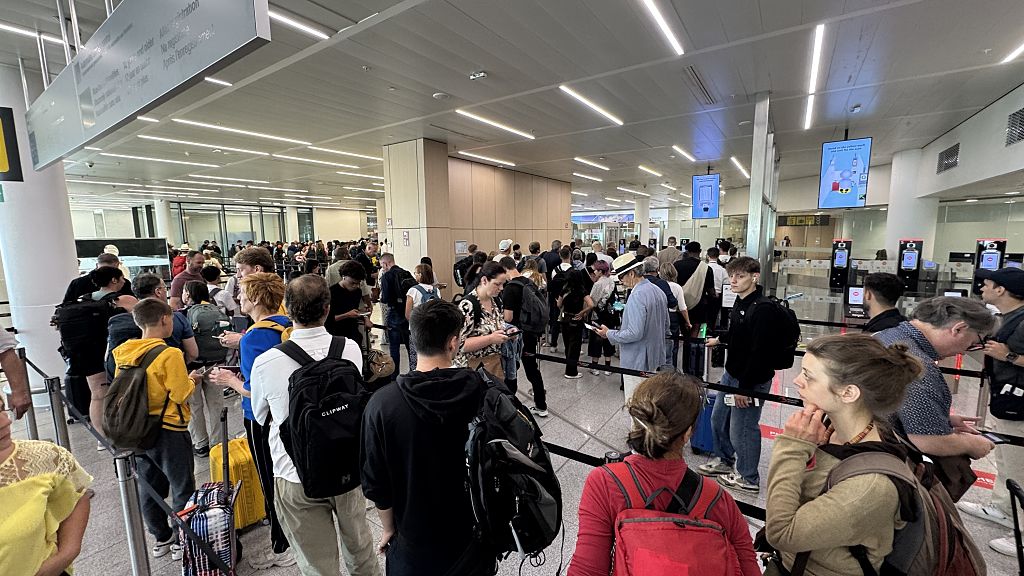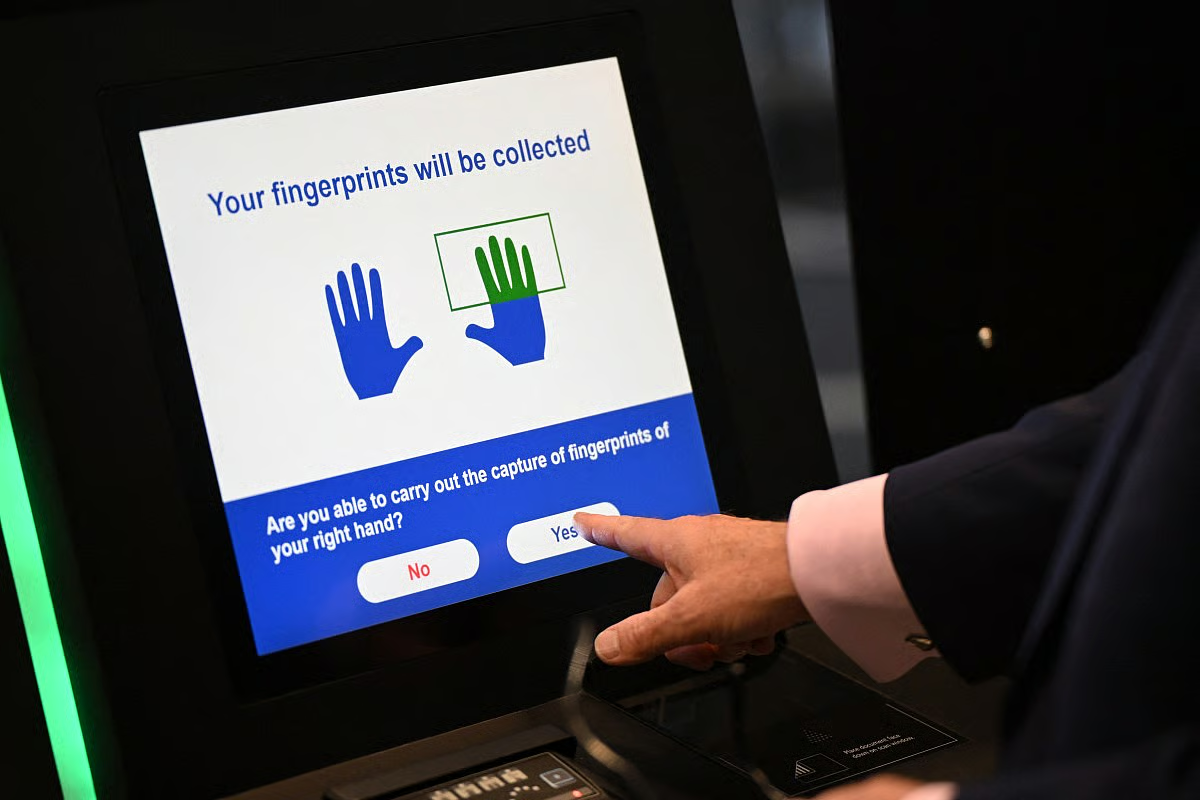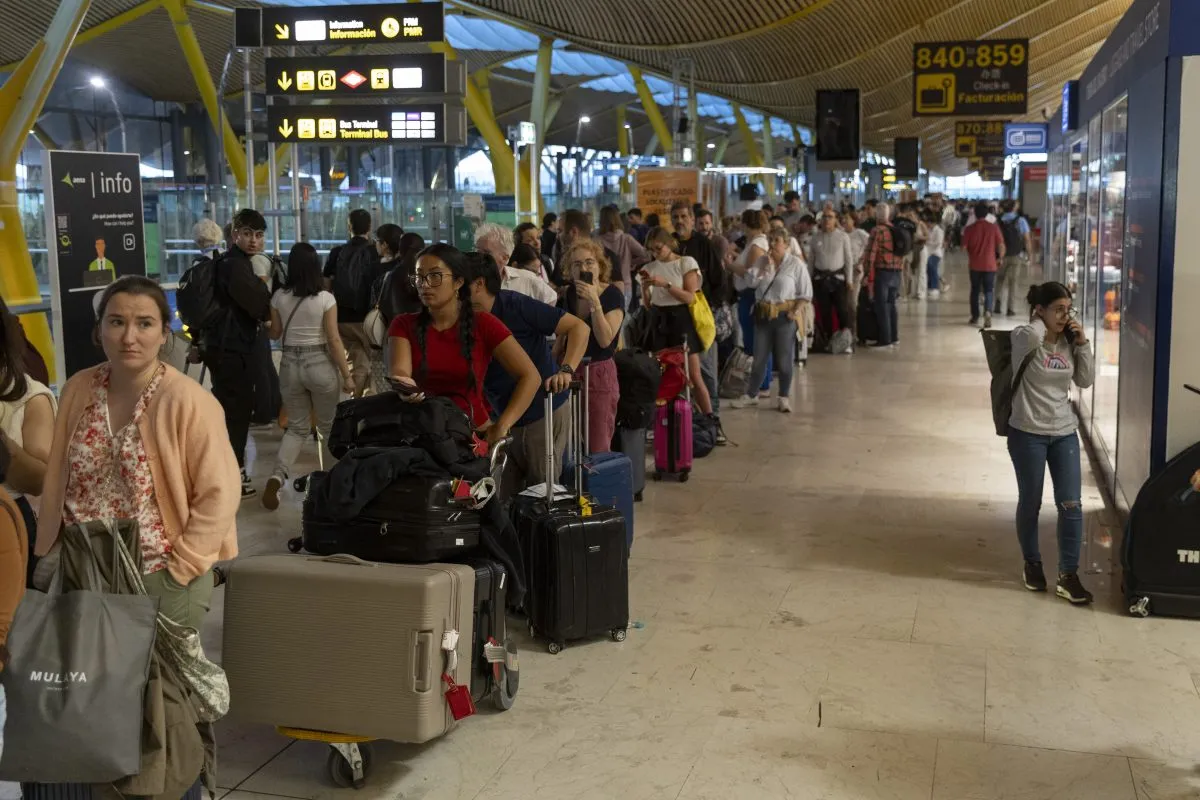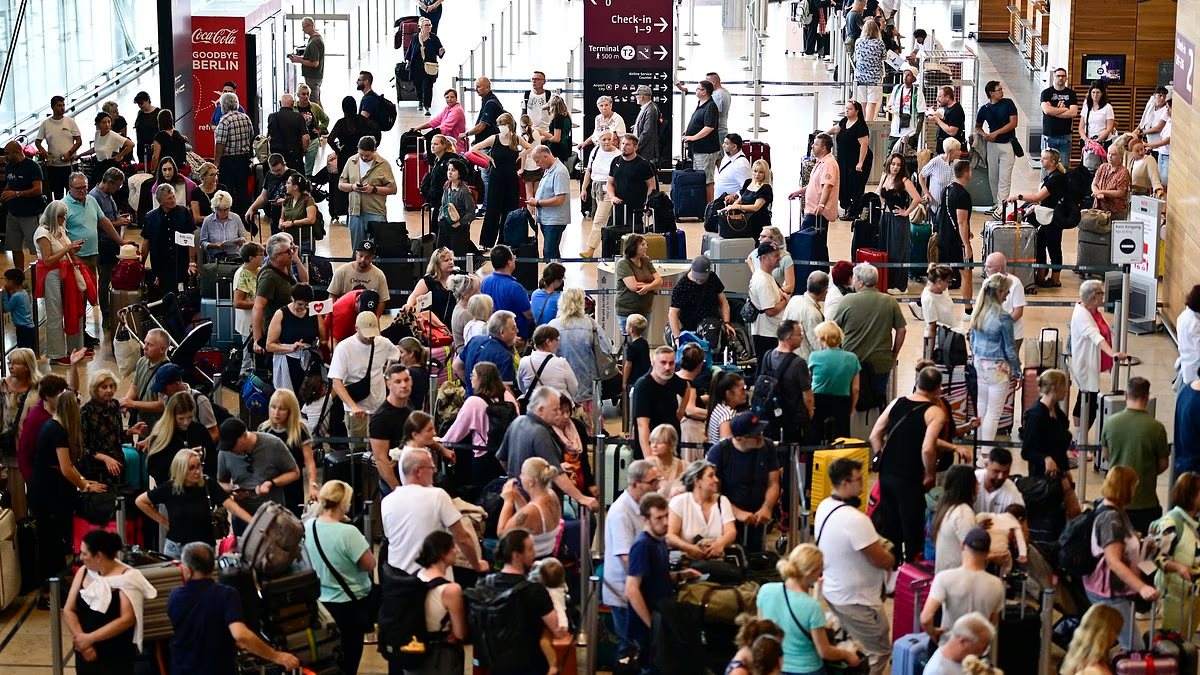
Airport bosses have joined calls to scrap the EU's new border system, which they say could cause 'disastrous' hour-long queues over the holidays.Under the new 'Entry/Exit System' (EES) system, non-EU citizens must have their fingerprints and photos taken when they first enter its borders.The system was repeatedly delayed, eventually being rolled out in mid-April. But its launch has been marred by poor tech that has resulted in long queues even outside peak tourism seasons.Marco Troncone, chief executive of Aeroporti di Roma, which operates Fiumicino airport, said processing times had doubled at the border since its launch.He said the airport, which is one of the biggest in Europe, has spent €12 million (£10 million) on the new system, but it is still causing delays.He told The Times: 'We managed to optimise the process on our end bringing this to 90 seconds [down from two minutes] but it is still too high. This is of course not compatible with 50,000-60,000 passengers every day.'The problem is related to the way this process has been designed. It's not a matter of implementation.' He said that the only way to avoid the impending 'disaster' in the coming peak travel weeks is to allow passengers to skip the new system. Under a new scheme, non-EU citizens must have their fingerprints and photos taken when they first enter its borders (File image of queues at Brandenburg Airport in Berlin) The shocking performance of the new scheme has led to some airports suspending some of the checks (File image of queues at Amsterdam Schipol Airport)UK airlines have identified that Lanzarote, Tenerife South, Malaga, Porto, Lisbon, Amsterdam, Krakow, Paris CDG, Rome, Palma, Malta, Menorca, Milan Linate and Malpensa, Naples and Budapest will be the worst for queues this summer.He added: 'The issue lies in the architecture of the process itself. The current EES workflow introduces additional steps that inevitably increase processing times and, at peak traffic, those extra seconds quickly translate into significant queues.' Most airlines agree the system is necessary in the long term, as countries such as the UK, US and Australia all have their own digital border systems.The system has also already caught 7,000 people who stayed longer than planned in the months since it was launched. However, some EU member states have since attempted to connect their own national system to the EES platform.As each nation is responsible for its own installation of the technology, it has subsequently been designed and rolled out by different providers.In some airports, the kiosks have been switched off entirely, while others have faced IT failures.Troncone isn't the only one who has complained about the issue. He backed calls by Airports Council International (ACI) Europe, the industry group which represents airports in the region, to suspend the system 'at least through July and August'.The ACI, along with Airlines for Europe and International Air Transport Association - three global bodies representing major airports and airlines - penned a letter to the European Commission president Ursula von der Leyen, calling for the suspension.They said the EES system could lead to half-full planes taking off from airports across Europe and warned the Continent's reputation as a holiday destination was 'at stake'. The EU completed the rollout of its Entry-Exit System (EES), which requires travellers from outside the bloc to register biometric information, in April this year The EU's new EES system requires registering biometric data on entry, but some airports don't have adequate infrastructureThey said passengers were already enduring queues of up to five hours as the system reaches breaking point at many airports.But they warned the situation could become ‘significantly worse’, adding: ‘Waiting times at border control have increased significantly, now reaching up to 5 hours during peak traffic periods.‘These delays are impacting millions of passengers entering the [EU's] Schengen Area, including families travelling with young children, elderly passengers and persons with reduced mobility.’It said flexibilities green-lighted by Brussels which allow the rules to be temporarily suspended for short windows had ‘provided some relief’, but that without greater measures there would be chaos this summer.We have a responsibility to warn that this would result in a significant worsening of an already very difficult situation for passengers’, the letter said, adding: ‘This is not an issue confined to Europe's largest hubs.‘Smaller airports serving major tourism destinations are equally affected.‘Passengers have already been forced to queue for extended periods outside terminal buildings because border control facilities cannot process arrivals quickly enough.‘Airlines face half-empty planes at gate closing time, while passengers are stuck in border control queues…Reports already suggest that some international travellers are reconsidering trips to Europe because of the prospect of excessive border delays.‘This is undermining Europe’s reputation.’Since April 10 this year, the EU has required non-EU citizens to enter their biometric details in the EES system before entering the bloc's free movement zone, known as the Schengen area.There have been huge queues at some EU airports, with passengers missing flights as a result. Some hubs also require further checks when leaving countries to return home.Brussels has allowed the Schengen’s 29 countries to suspend the system for windows of six hours during busy times.But national border forces are supposed to re-apply every six hours if problems persist and are only supposed to do so when a problem arises, rather than proactively. The system was repeatedly delayed, eventually being rolled out in mid-April (File image of queues as Brussels Airport) Plans by Greece, Portugal and Italy to exempt Britons, who the system applies to because of Brexit, this summer have previously been rebuffed by the EU Commission in Brussels Speaking at an event in Prague, the president of Airports Council International (ACI) Europe, Stefan Schulte, said: 'Passengers are queueing for hours at peak traffic times and I just do not know how we will be able to cope in the coming weeks with the expected increase in traffic.'He added that the EES should be suspended by Border Force when needed to avoid chaos, adding that 'this is about showing respect and decency for those who chose to travel to the EU, and safeguarding our reputation as a welcoming and efficient destination.'Christophe Mathieu, chief executive of Brittany Ferries, said the company shared airlines' concerns about the rollout of the EES and was worried by the way it was being introduced.Speaking on BBC Radio 4 on Wednesday morning, he said that what Brittany Ferries had seen so far was troubling, because it increased the time needed to leave the port by around 50 per cent.He argued that the run-up to summer was not the right moment to be finalising a system that should already have been tested and fully in place.Mathieu said the rollout would come as an unwelcome surprise for tourists and that Brittany Ferries had repeatedly raised its concerns with authorities in Paris, Brussels and Madrid over the way the EES was being implemented.Although officials had said they were working on the issue, he suggested there appeared to be a disconnect between those assurances and the reality on the ground.He said Brittany Ferries believed there was a practical solution, suggesting that fingerprint and facial checks could be carried out during ferry crossings, with customs or border force staff operating booths on board, allowing passengers to disembark seamlessly on arrival at port.He said the company had put forward the idea, but it had so far failed to gain traction. Passengers were forced to endure queues of three hours at Milan Linate in April, leaning easyJet passengers due to fly to Manchester stranded Earlier this week, Ryanair warned about the airports which could be worst hit by delays caused by the new system.According to Ryanair, which runs more than 3,000 flights a day, the Spanish airports encountering the most difficulties are Tenerife South, Palma, Alicante and Malaga.Passengers are also suffering in Bergamo in Italy, Krakow in Poland and Paris Beauvais in France.Warning of travel chaos in peak holiday season, the airline has called on the bloc to suspend the introduction of the system.Ryanair said the infrastructure at some airports was 'not ready' to manage the crowds of passengers expected in the coming months, with insufficient personnel and kiosks.Ryanair’s Chief Operations Officer, Neal McMahon, said: 'As schools break up and Europe enters the busiest travel period of the year, it is clear that EES is still not ready for peak summer volumes.'Passengers and families should not be used as guinea pigs for a half-baked passport control system that risks creating long queues, missed flights and unnecessary stress at airports this summer.'It is as simple as postponing EES until September, as other EU countries like Greece have already done.'Ryanair calls on European governments once again to delay the implementation to protect passengers, families and airport operations during the school holiday rush, instead of forcing holidaymakers to endure needless passport control chaos.'Around 100 passengers due to return to Manchester Airport on an EasyJet flight from Milan's Linate airport were stuck in three-hour queues as their flight departed without them.There are fears of repeat scenes this summer and that some European airports won’t be able to cope with even higher passenger numbers during the peak summer season.There are also fears of lengthy delays for France-bound holidaymakers at Dover and Folkestone ports, where the French border is on the UK side of the Channel.Plans by Greece, Portugal and Italy to exempt Britons, who the system applies to because of Brexit, this summer have previously been rebuffed by the EU.Airlines UK, which represents major carriers such as BA, easyJet and Ryanair, said: ‘With peak summer travel approaching and the system not yet working as it should, airlines need the EU Commission and Member States to get serious about contingency measures and take a pragmatic look at whether the current timeline is realistic.’An EU Commission spokesman said: ‘The purpose of the system is to improve the security of EU citizens while keeping travelling smooth for legitimate travellers and all efforts are being made to limit the impact on travellers from outside the EU.’
EU faces demands to scrap new 'disastrous' border system over summer
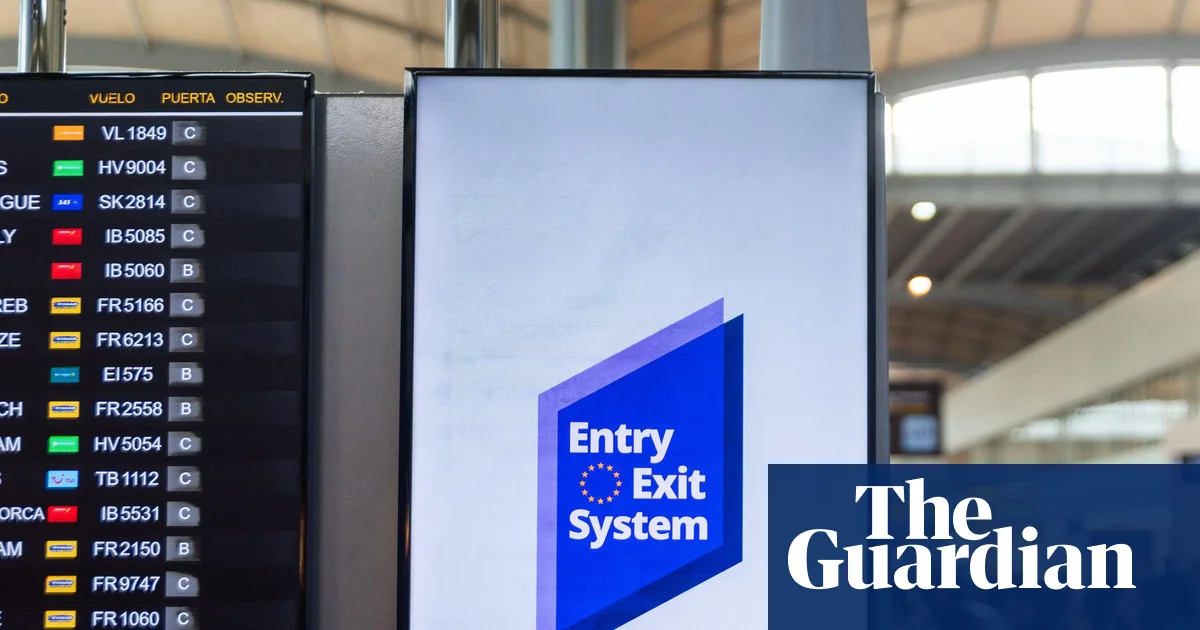
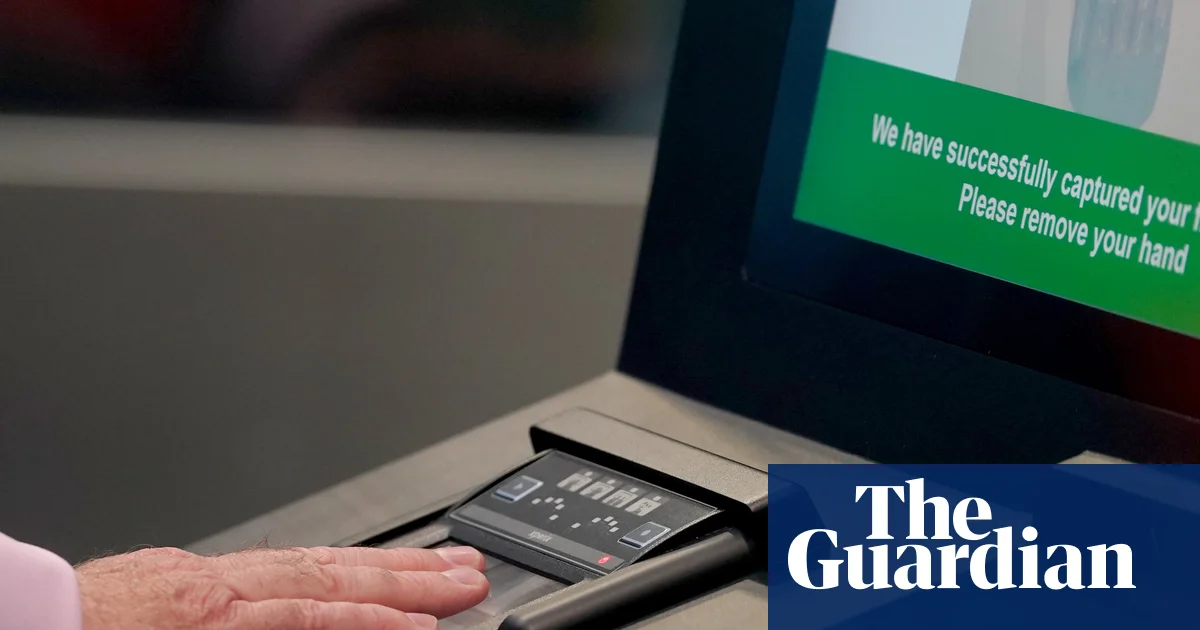
Under the new 'Entry/Exit System' (EES) system, non-EU citizens must have their fingerprints and photos taken when they first enter its borders.
1,660 words~8 min read