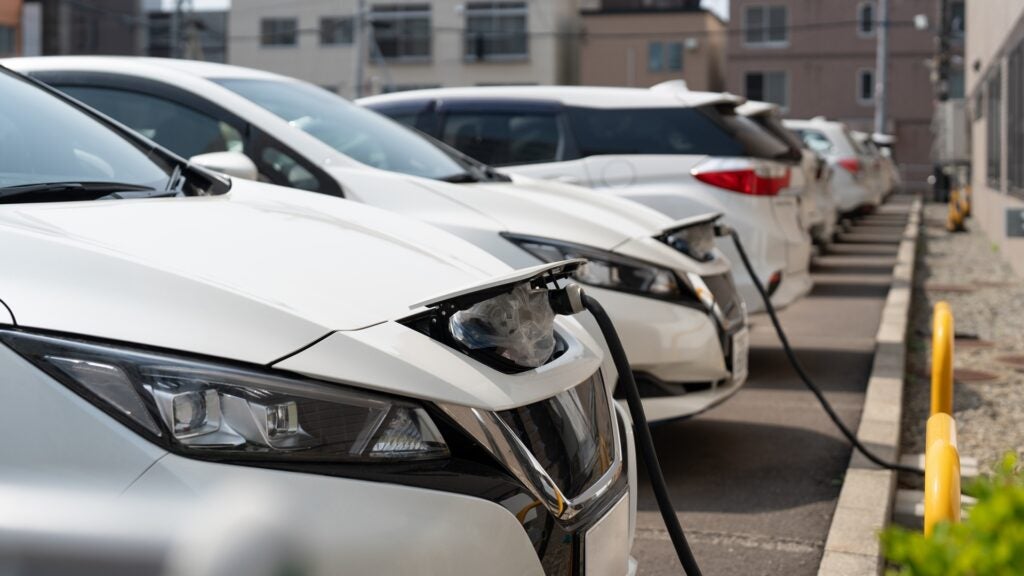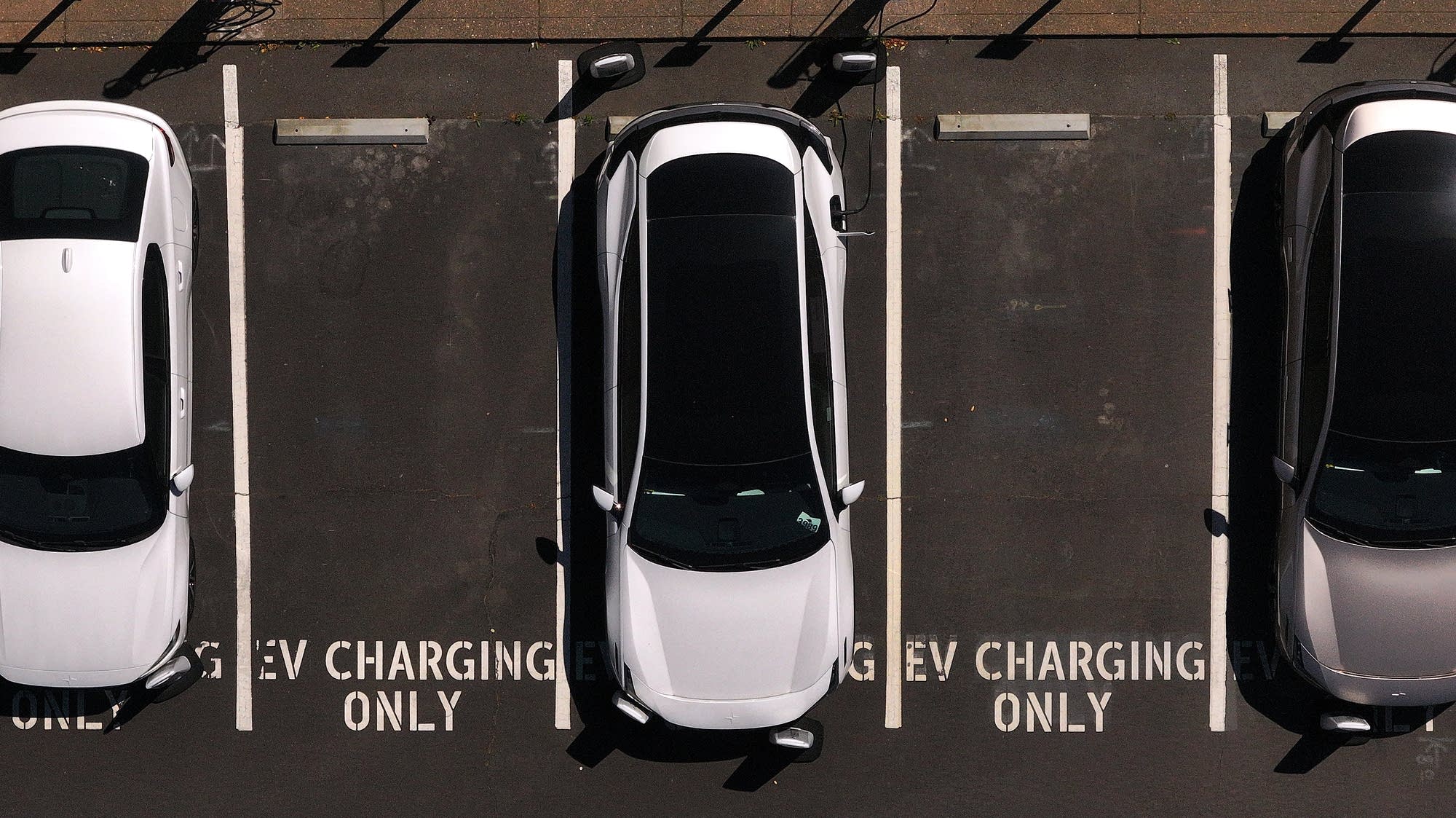
Electric vehicle drivers now face an added cost in most states: annual registration fees to keep their cars on the road. Most states now have an annual EV fee in place, according to the National Conference of State Legislatures. A nationwide fee of $130 a year could be on the way, too, if a proposal in a bipartisan transportation funding bill makes its way through Congress. The fees are aimed at addressing an issue lawmakers are grappling with as more Americans drive electric vehicles: Those drivers don’t pay gas taxes, which have traditionally made up the bulk of funding for road construction and repair.Andy Purdy of Benson, Vermont, noticed the extra $89 he had to pay the state when he bought an electric Ford F-150 Lightning last year. That was on top of the registration fee, also $89, that all vehicles have to pay in Vermont. But Purdy didn’t really mind.“I'm not going to go get my torch and my pitchfork,” he said. Wthout the need to fill up, he doesn’t pay gas taxes anymore, so the state’s electric vehicle fee seemed like a fair trade-off.“We all have to pay to use public resources, public facilities, and infrastructure, and that's just me having to pay the piper,” Purdy said.Vermont is one of 42 states, plus Washington, D.C., that now charge an annual fee for electric vehicles, according to the National Conference of State Legislatures’ transportation program director Douglas Shinkle. They range from around $50 to $300. Some states also charge fees for hybrids and plug-in hybrids. They’re an effort to make up for the fact that gas taxes aren’t coming into state coffers like they used to, Shinkle said. “Really, the main ‘culprit,’ is just that everyone's vehicles are generally more fuel efficient than they were 5, 10, 15 years ago.”That means there’s less gas tax money to pay for road repairs, and the cost of those repairs is climbing fast, Shinkle said. That’s led many states to defer some projects.“Which means roads get worse, and then it becomes more expensive to fix that road once it gets in a certain state of disrepair,” he said. “So, then you're dealing with more expensive assets that need to be fixed, and meanwhile, less money on the other end.”The federal government also faces a similar shortfall in paying for its share of infrastructure.But while many states have raised their gas taxes along with new EV fees, Congress hasn’t raised the federal gas tax since 1993. A proposed national EV and hybrid fee last year did not become law.Adie Tomer, a senior fellow at the Brookings Institution, said the current proposed national EV fee, which could eventually rise to $150 a year, is an attempt to make up some of that lost ground. If it becomes law, it would also be unprecedented.“We have never had a national vehicle registration fee, particularly for personal vehicles, so this would significantly change how the federal government effectively taxes vehicle owners across the country,” Tomer said.Plus, the average gas car driver pays less than $100 a year in gas taxes, Tomer said. So, EV owners could end up paying more.Another big difference: Gas taxes are baked into the price we pay at the pump, so we pay them a little at a time. The EV fee, on the other hand, would hit consumers all at once, every year.“Vehicle owners are very cognizant of paying registration fees because of that annual payment,” he said. “They get, typically, something in the mail, they've got to send a check or use their credit card in that kind of blunt force way.”The idea of having one more bill to pay, Tomer said, could discourage some drivers from going electric.
Congress is eyeing a national fee for electric vehicles, following in the footsteps of states
As more Americans drive electric vehicles, states are adding EV registration fees to make up for lost gas tax revenue. A proposal in Congress could add a national fee, too.
618 words~3 min read