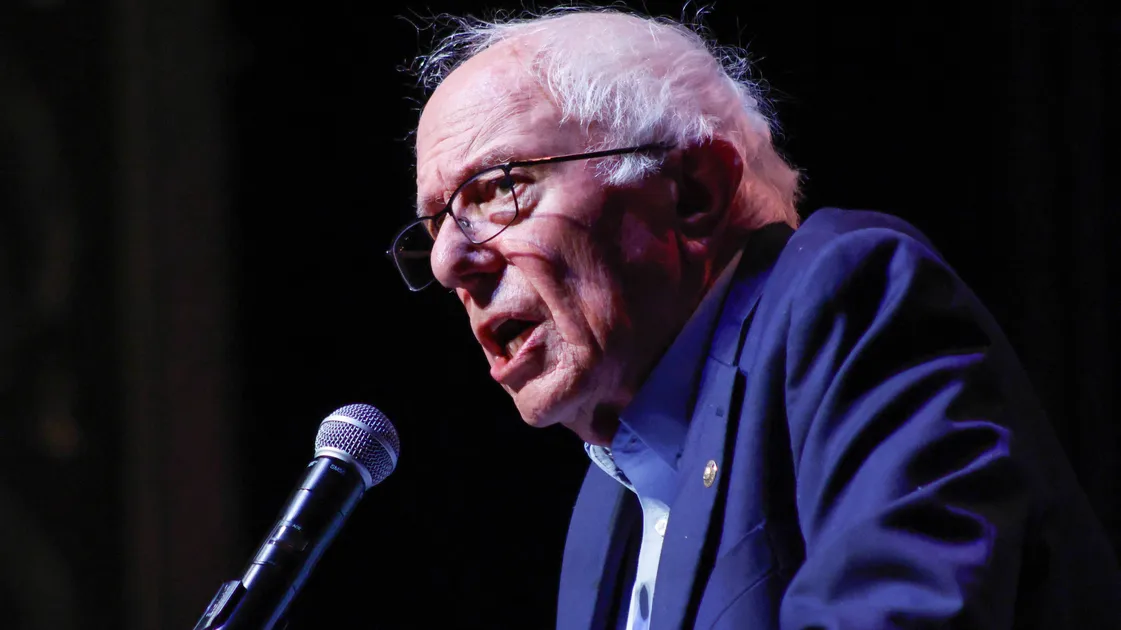
The meeting wasn’t supposed to go this long. I had traveled to Burlington not to talk Bernie Sanders into running for President, but to tell him how little chance he had to win.
It wasn’t that I didn’t believe in him — I’d known and worked for him for years — but I believed, hard and honestly, that he would almost certainly lose. I told him the old essays would surface, the stupid and inappropriate meditations on women and sex published in a Vermont alternative weekly in the early 1970s. I told him that the full financial and organizational heft of the Clinton campaign would be focused on destroying him, and that Hilary was going to have almost all the 800 superdelegates. I told him that the things he loathed — the relentless schedule, the Secret Service detail, the loss of any privacy or spontaneity — would become his daily existence. Why would you want to do this, I asked, when it’s going to so upset your life, and you will almost certainly lose?
Bernie debated me point by point. The conversation grew more intense. His answers were good — practiced, even — but I couldn’t shake the feeling that they were rationalizations rather than reasons. They explained the campaign he was constructing, not the fire driving him toward it.