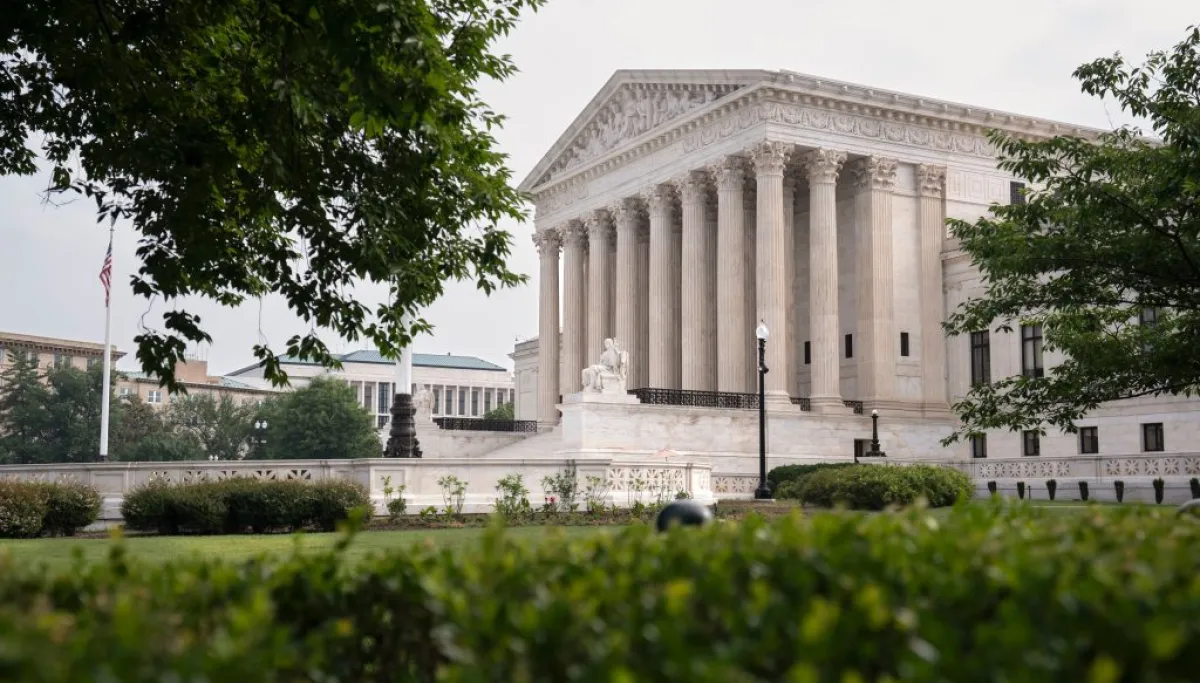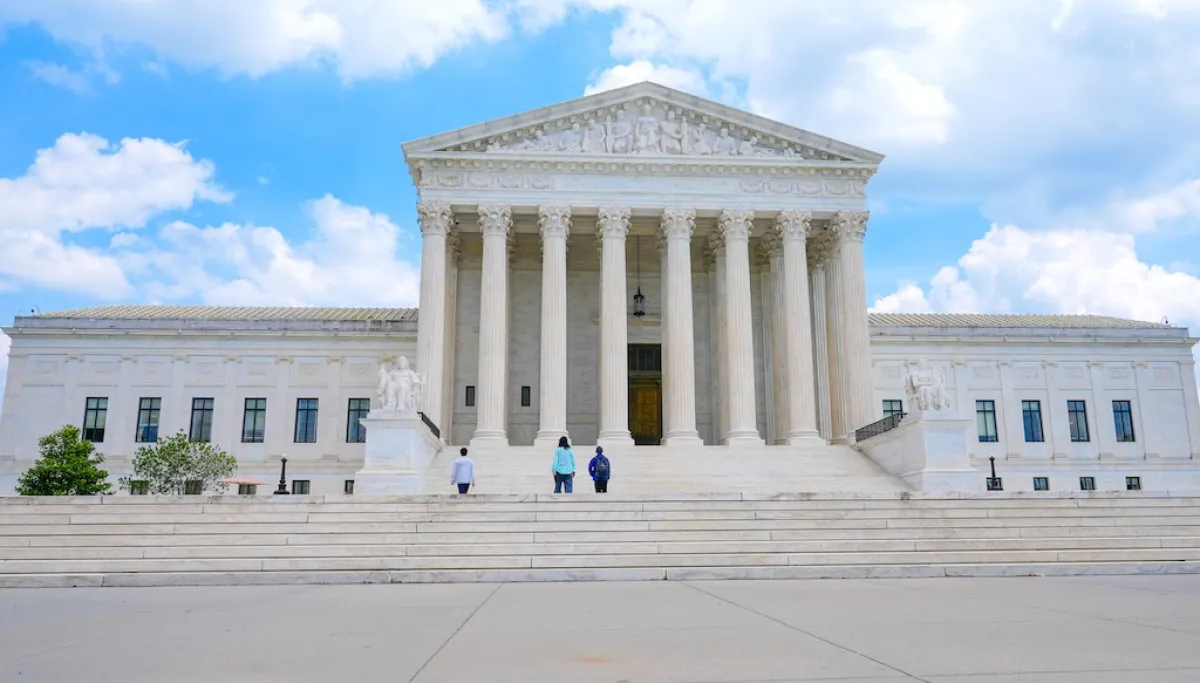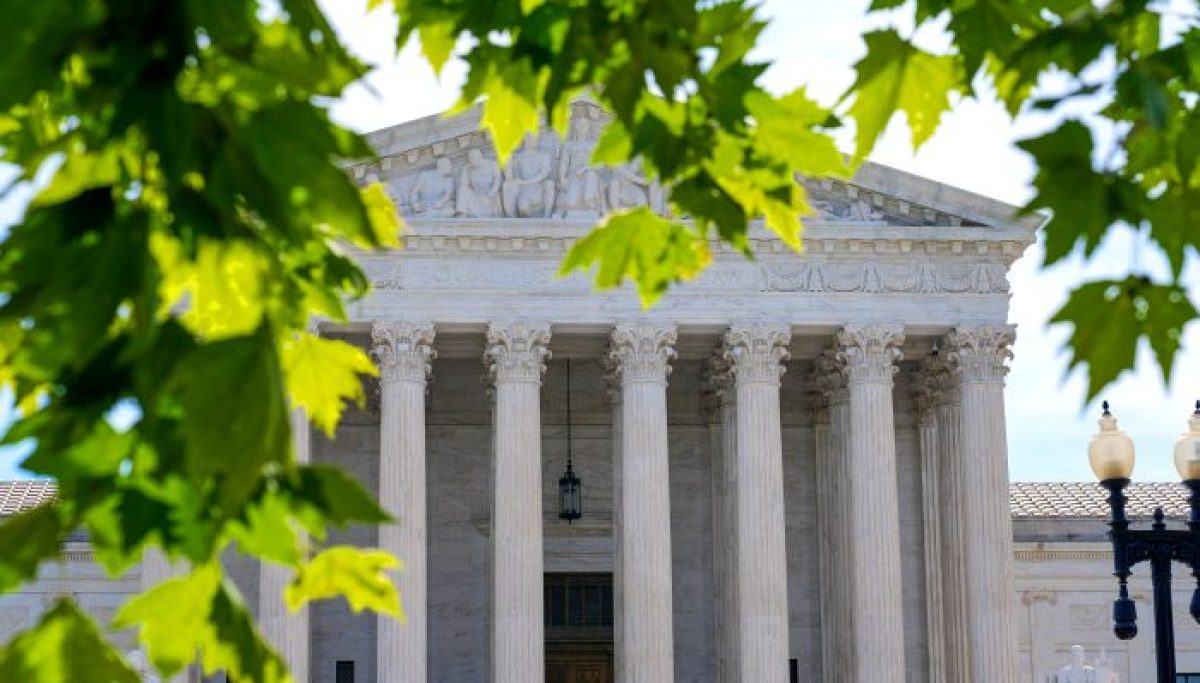
Buried beneath headlines about birthright citizenship and transgender athletes was a story of how the U.S. Supreme Court delivered one of the most significant free-speech victories in recent history. In National Republican Senatorial Committee v. Federal Election Commission, the court reaffirmed that the government cannot arbitrarily restrict the public from speaking and organizing simply because a political party is doing it for them. The decision strikes down onerous federal limits on coordinated spending between political parties and the candidates they nominate; restrictions that treated political association as something nefarious to be regulated rather than free association to be protected. For decades, Washington, D.C. bureaucrats imposed capricious limits on how closely parties could work with their candidates during campaigns. Such limits ignore why political parties exist at all. Parties are a coalition of Americans who come together around shared values and priorities. They exist to amplify individual voices and give them greater weight in the political arena. When the government limits a party’s ability to help communicate those priorities to the voting public, it limits voters’ ability to make informed choices at the ballot box.
NRSC v. FEC ruling is historic restoration of free speech in elections
NRSC v. FEC was about the Americans who make parties possible; the volunteers, activists, donors, and voters who work together to advance a shared vision.
578 words~3 min read