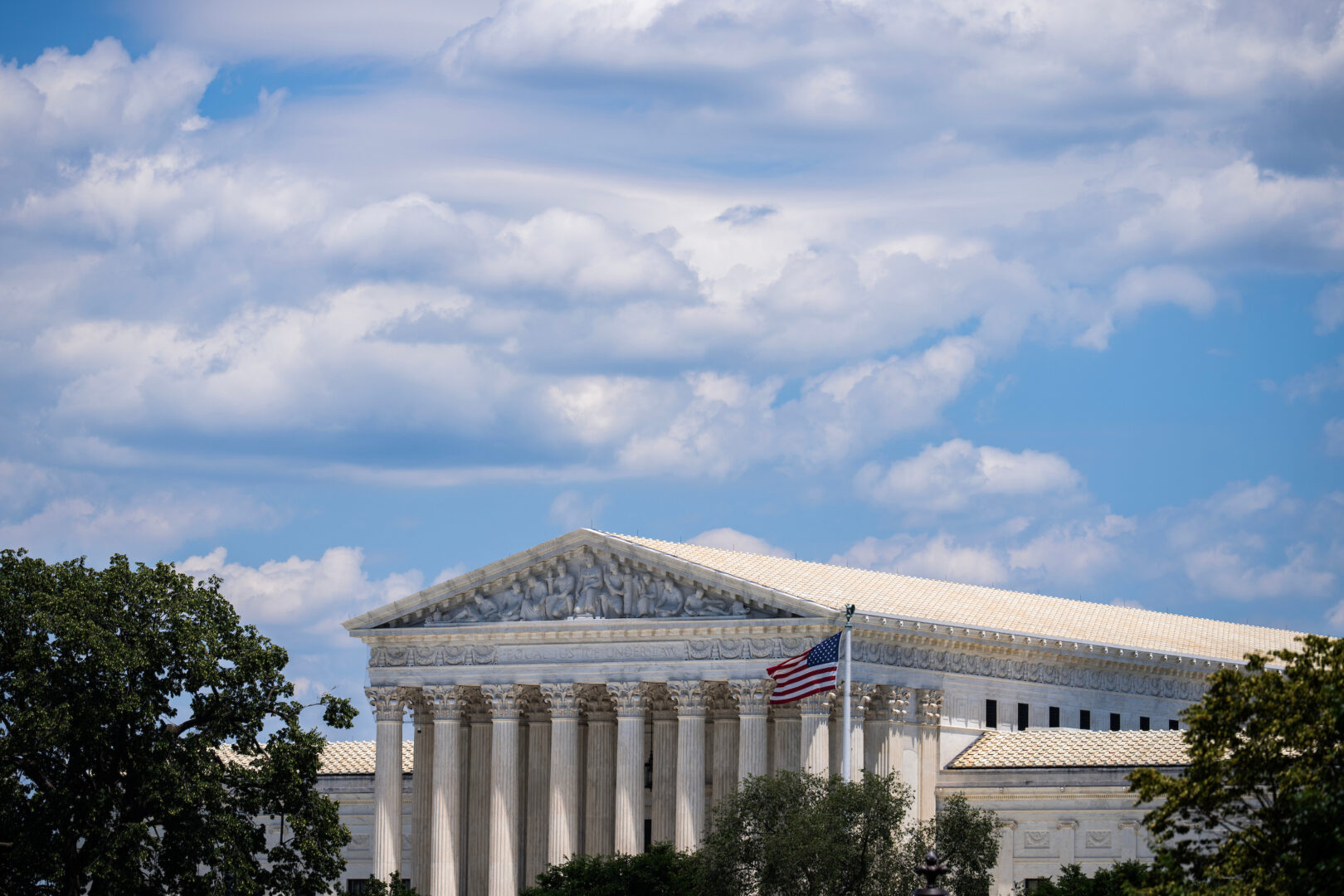
For decades, Americans have been told that political speech becomes dangerous when too many people hear it or when the wrong people can afford to amplify it. We have been asked to accept the strange premise that the government protects democracy by limiting how citizens, candidates, and political parties communicate with one another. That idea was always deeply flawed, both constitutionally and practically. However, in NRSC v. FEC, the Supreme Court took another important step toward correcting that mistake.The court’s decision is a major victory for the First Amendment and for every American who believes political speech deserves the highest level of constitutional protection. It also marks another significant blow to the crumbling foundation of the Bipartisan Campaign Reform Act, better known as McCain-Feingold, a law that did lasting damage to our political system under the guise of reform.I know something about the government’s appetite for regulating political participation. More than a decade ago, I challenged federal campaign finance restrictions in McCutcheon v. FEC. At the heart of that case was a simple principle: The government cannot restrict political contributions based on vague concerns about influence, access, or the possibility that some voices may be heard more than others.
Supreme Court just restored common sense to campaign finance law
NRSC v. FEC is a major victory for the First Amendment and for everyone who believes political speech deserves the highest level of protection.
679 words~3 min read