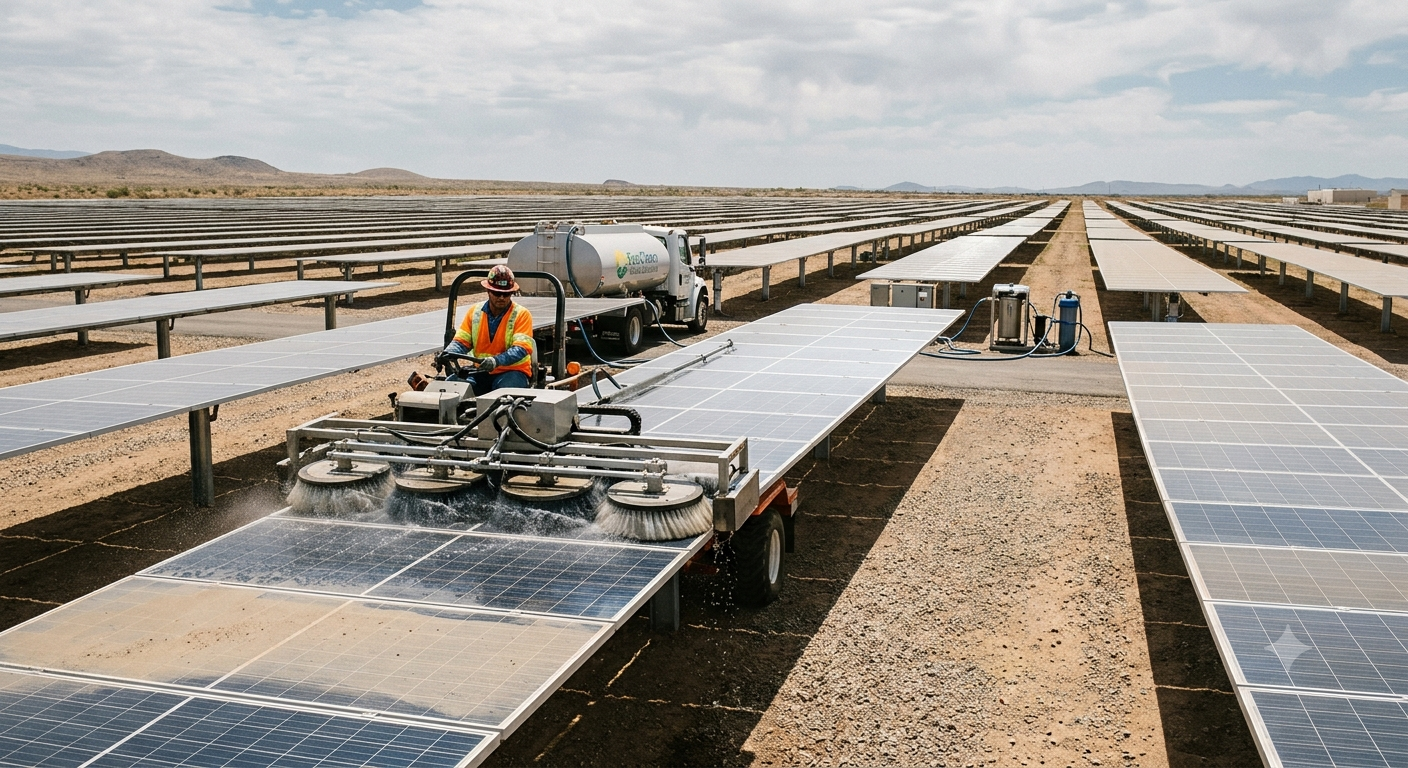
An IEA-PVPS report warns that treating technical and economic solar project decisions separately poses financial risks, advocating instead for cost-effective “quality gates” during early development. Through a structured decision matrix and real-world case studies, the report highlights how proactive planning—such as utilizing mobile testing labs and defensive weather strategies—prevents downstream failures and operational budget strains.
A new report from the International Energy Agency’s Photovoltaic Power Systems Programme (IEA-PVPS) argues that technical and economic decisions in solar projects are so tightly interwoven that treating them separately is a financial risk — and that quality gates introduced early in a project’s life cycle deliver the greatest return.
The report, Photovoltaic Project Decisions: Quality, Performance, and Economic Value (IEA-PVPS T13-36:2026), published by Task 13, brings together 19 authors from research institutions, independent testing bodies, O&M analytics firms, and project developers across Europe, the Americas, and Australia. It draws on six case studies ranging from post-shipment module testing to utility-scale financial modelling, and introduces a structured decision matrix that maps stakeholder responsibilities across the full PV project value chain.