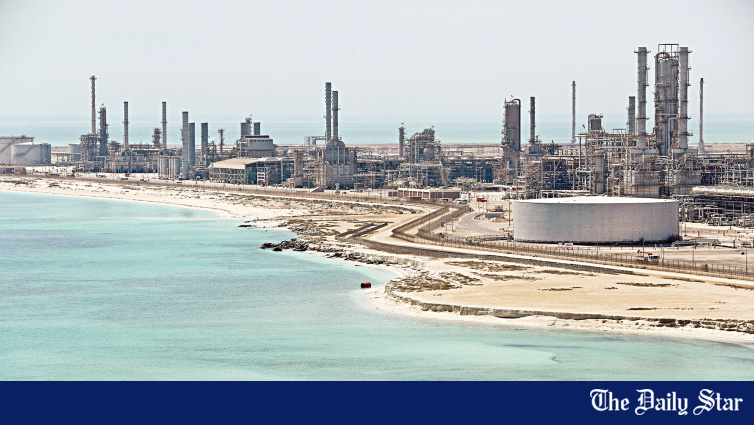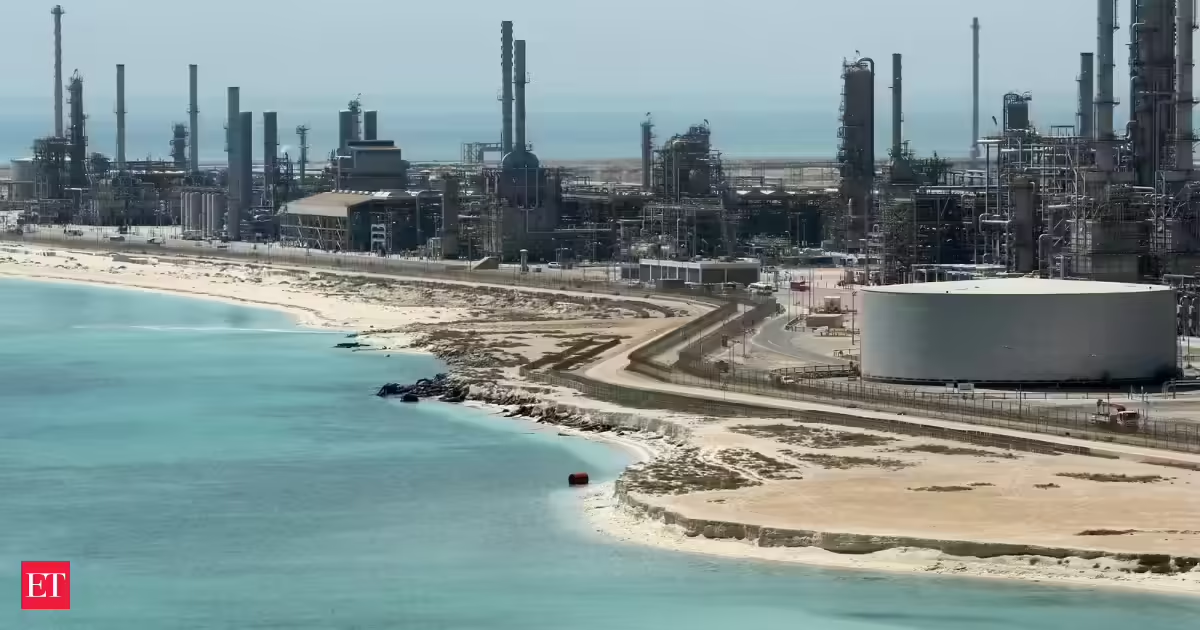
Saudi Arabia is weighing a major expansion of its East-West Crude Oil Pipeline, potentially adding between 1 and 2 million barrels per day of capacity to a route that runs straight to the Red Sea coast at Yanbu. For a kingdom whose entire economic identity is built on moving oil reliably to global buyers, this is less a routine infrastructure upgrade and more a strategic insurance policy.
The timing matters. The pipeline’s full operational capacity of 7 million barrels per day was only restored in April 2026, following disruptions tied to regional hostilities. Expanding now, while the ink on that restoration is barely dry, signals that Riyadh is thinking several moves ahead.
Why the Strait of Hormuz keeps everyone up at night
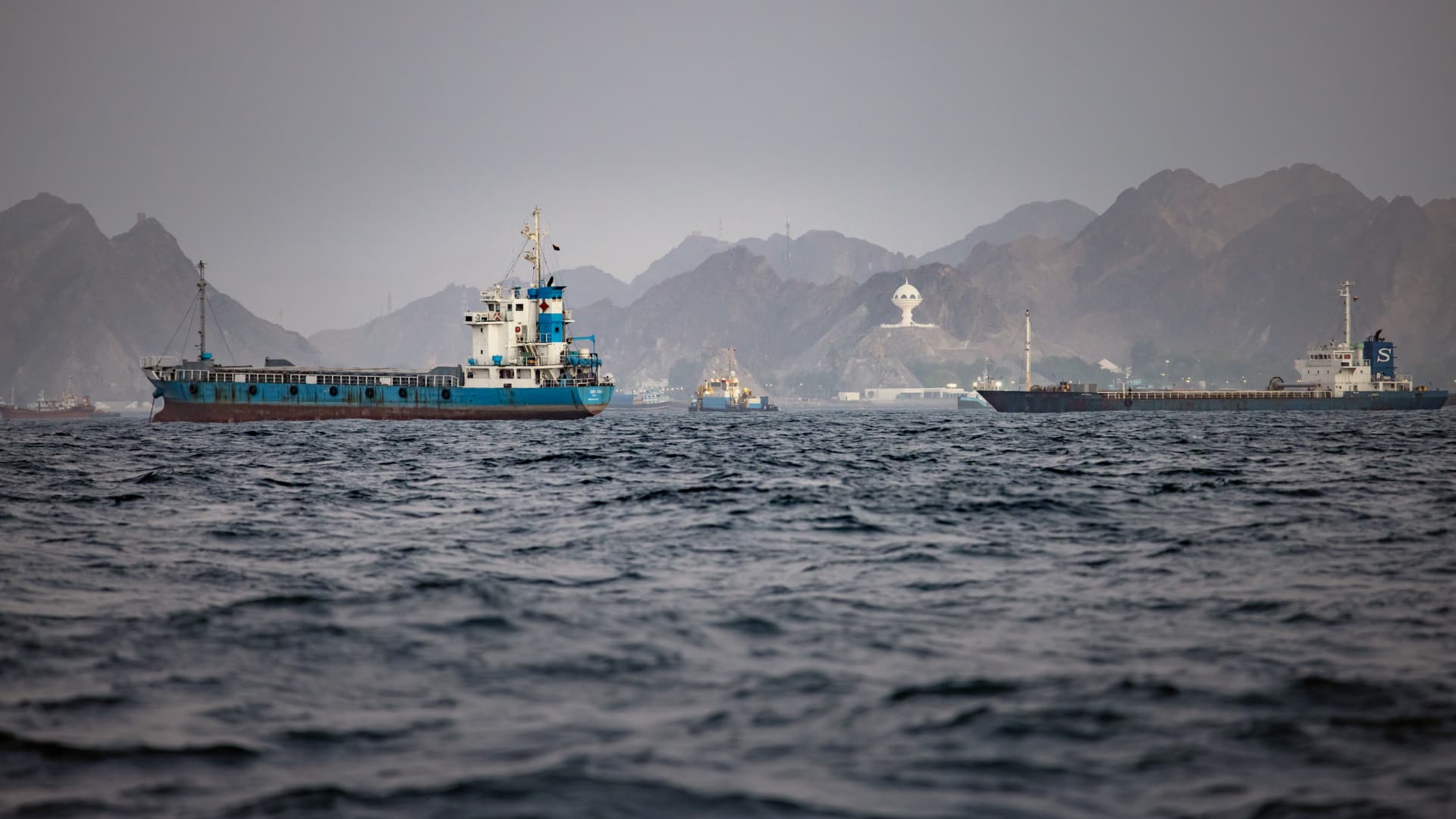
Here is the core problem this pipeline solves. A significant share of the world’s seaborne oil flows through the Strait of Hormuz, a narrow chokepoint between the Persian Gulf and the Gulf of Oman. Iran controls the northern shore. Any serious escalation in the region, whether military strikes, naval posturing, or the threat of a blockade, can send oil markets into a panic within hours. The East-West pipeline is essentially Saudi Arabia’s way of saying: we have another door.