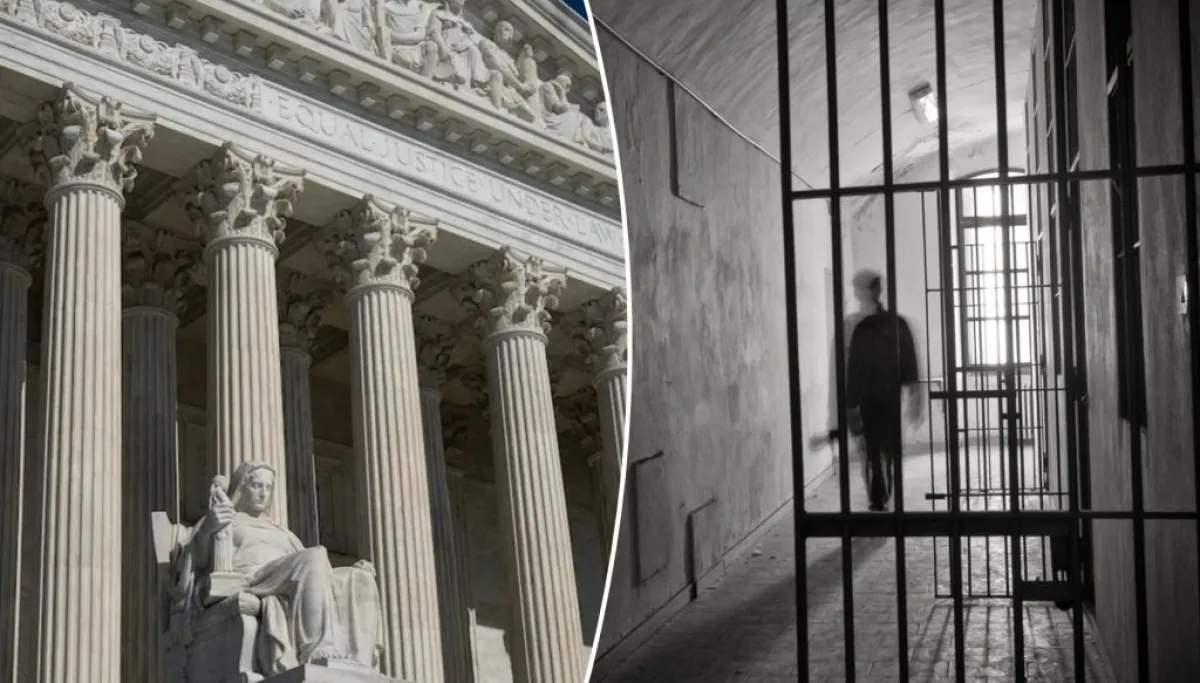
In 2008, a majority of the Supreme Court decided that executing a man who raped his eight-year-old stepdaughter so violently that she required emergency surgery violated the Constitution’s prohibition on cruel and unusual punishment. That’s the holding of Kennedy v. Louisiana, 554 U.S. 407. Four justices disagreed. Sixteen years later, multiple states have passed laws saying the majority was wrong and they intend to prove it.The majority opinion, written by Justice Anthony Kennedy — a different Kennedy than the defendant, which the press found reliably confusing — rested on the “evolving standards of decency” framework the court has used since Trop v. Dulles (1958). The test runs in two steps: first, count states and look for a national consensus; second, apply the court’s own independent judgment about proportionality. Kennedy did both and concluded that the death penalty for child rape, where the victim survived, was categorically off the table.Justice Samuel Alito’s dissent, joined by Chief Justice John Roberts and Justices Antonin Scalia and Clarence Thomas, landed on a different reading of the evidence and a sharper critique of the majority’s method. The consensus, Alito argued, was circular. The 1977 ruling in Coker v. Georgia had cast a shadow over state legislatures for 30 years. Lawmakers who might have supported capital child rape statutes were deterred not by public sentiment but by the near-certainty of a judicial veto. Measuring consensus in those conditions tells you what legislators expected courts to do, not what they believed was right. The five states that had enacted child rape capital statutes in the years immediately before the oral argument, Alito noted, suggested the direction of travel was the opposite of what the majority claimed.
Child rape, the death penalty, and a ruling five states want overturned
The case that breaks Kennedy v. Louisiana is coming out of Florida. It's just a matter of which defendant, and which appeals court panel, gets there first.
909 words~4 min read