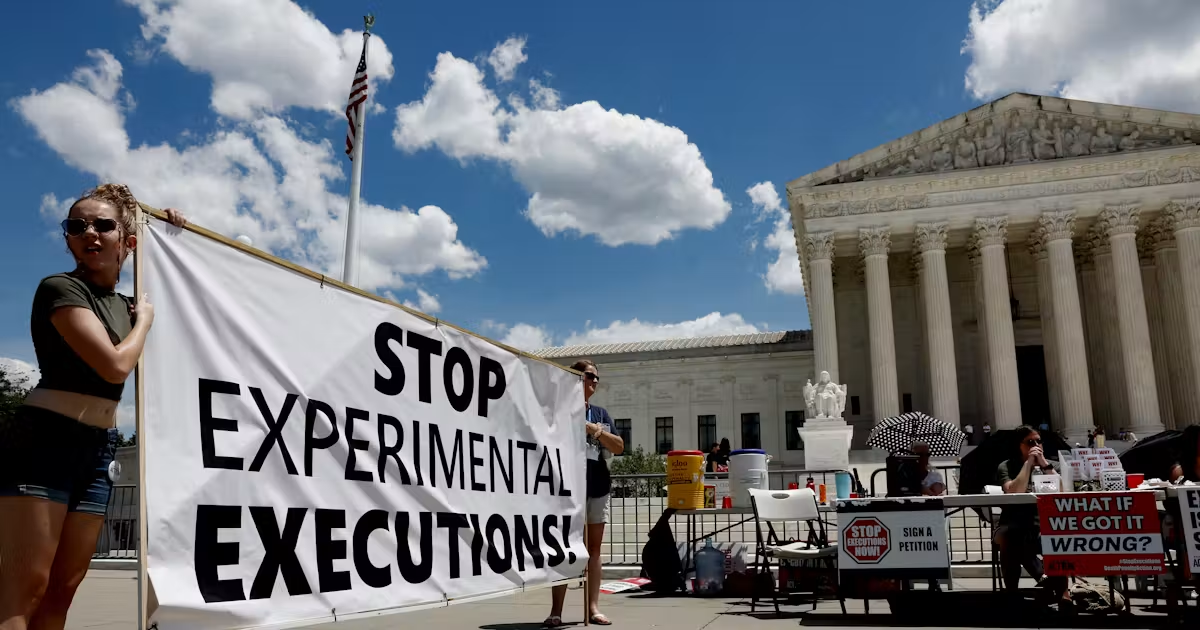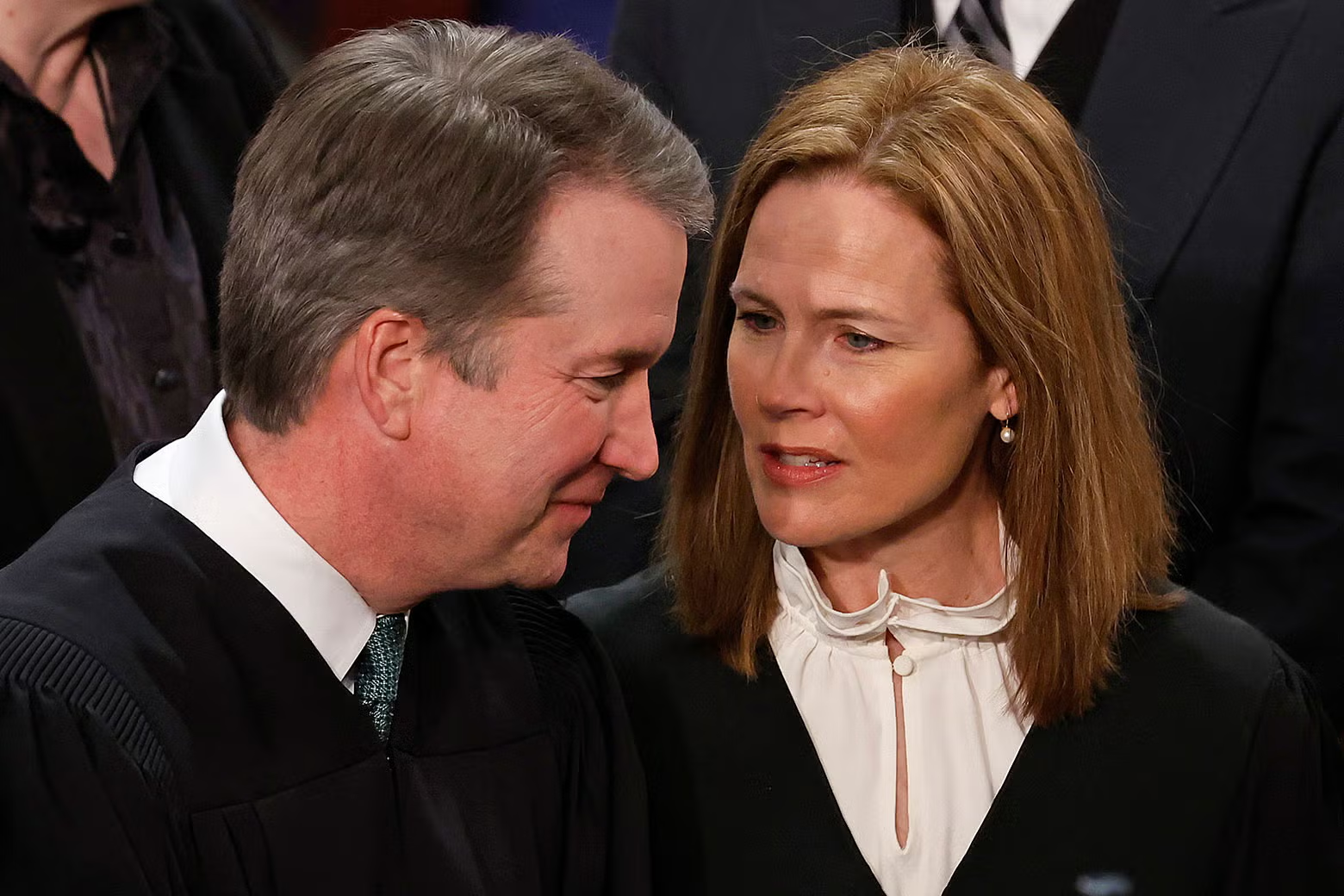
In 2008, the Supreme Court held that executing a man for raping a child violated the Eighth Amendment. Sixteen years later, Florida and Tennessee passed laws saying it doesn’t. One of those statutes is heading to the current Supreme Court.What happens next depends on whether five justices are willing to scrap a defective constitutional test and actually do the historical work — without flinching at the parts of the founding-era record that cut against the instinctive conservative answer.In Kennedy v. Louisiana, the court’s 5-4 majority held that the Eighth Amendment bars capital punishment for child rape where the victim didn’t die. Justice Anthony Kennedy’s logic rested on two pillars: a national consensus measured by counting state statutes, and the court’s own independent proportionality judgment. Six states had authorized the death penalty for child rape. The majority called that a consensus. The dissent, by Justice Samuel Alito and joined by Justices John Roberts, Clarence Thomas, and Antonin Scalia, called it a trend moving the other way.
The originalist case here is genuinely mixed. Colonial and early American law authorized death for crimes that didn’t involve homicide — treason, piracy, and in several jurisdictions, rape itself. The phrase “cruel and unusual” in the 1689 English Bill of Rights targeted torture and grossly disproportionate punishments, not a categorical bar on nonhomicide capital offenses. A court applying the Eighth Amendment as it stood in 1791 might not reach Kennedy’s result. The problem isn’t necessarily the conclusion — it’s the method. Counting state legislatures to determine constitutional meaning isn’t textualism. It’s a referendum dressed up as adjudication.The deterrence problem conservatives skip