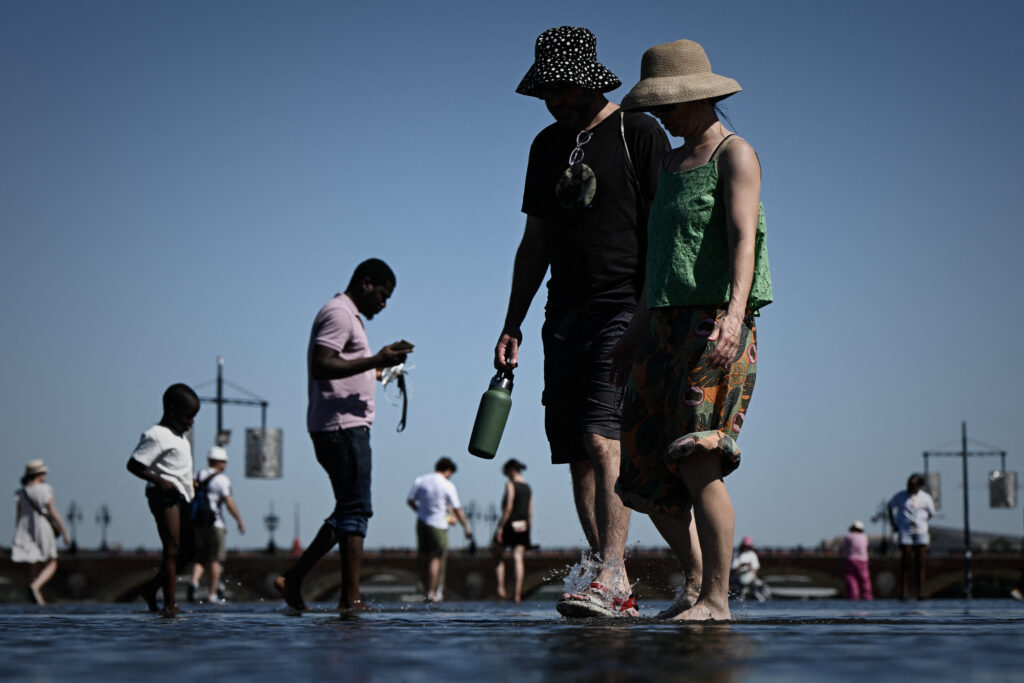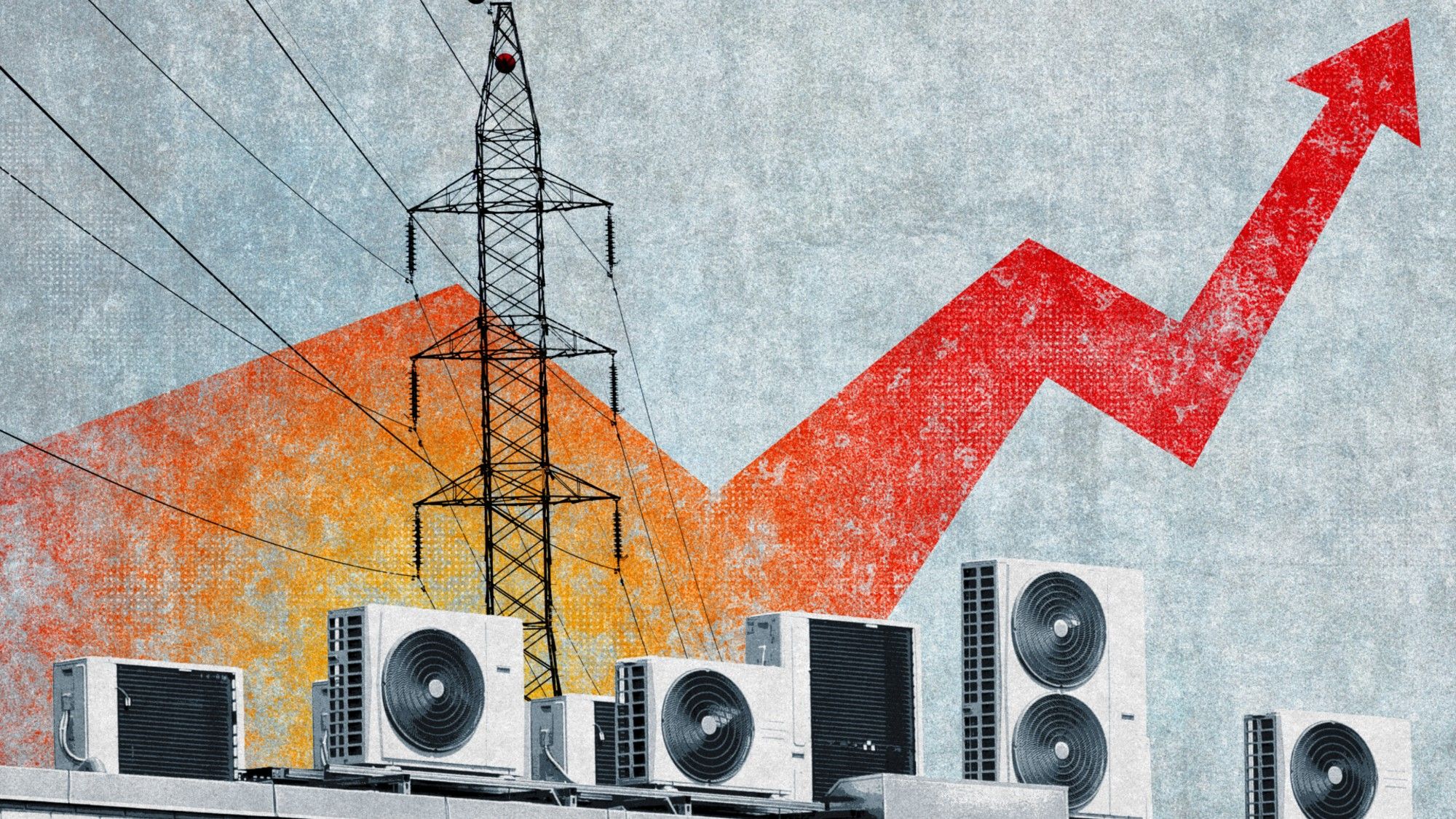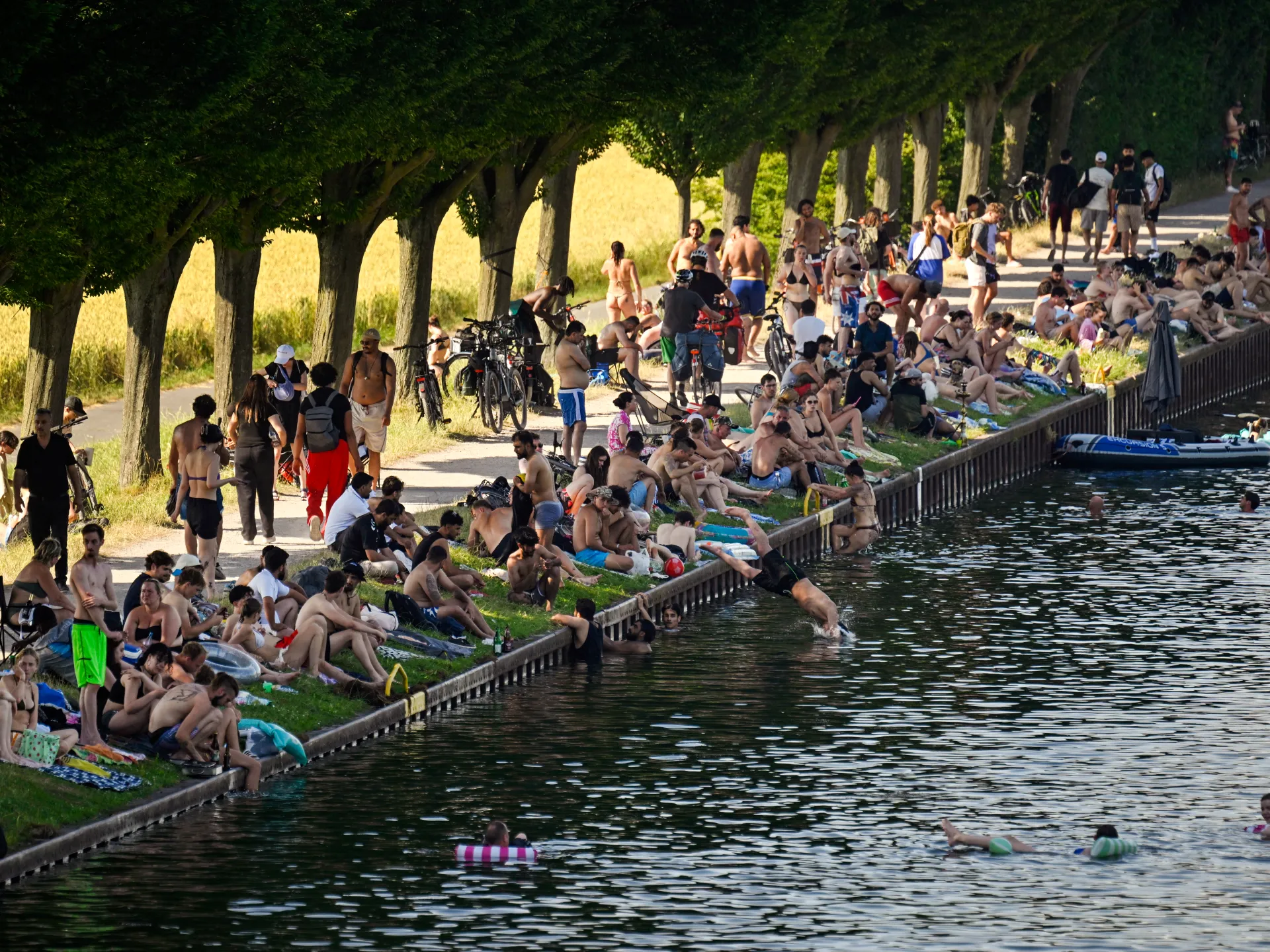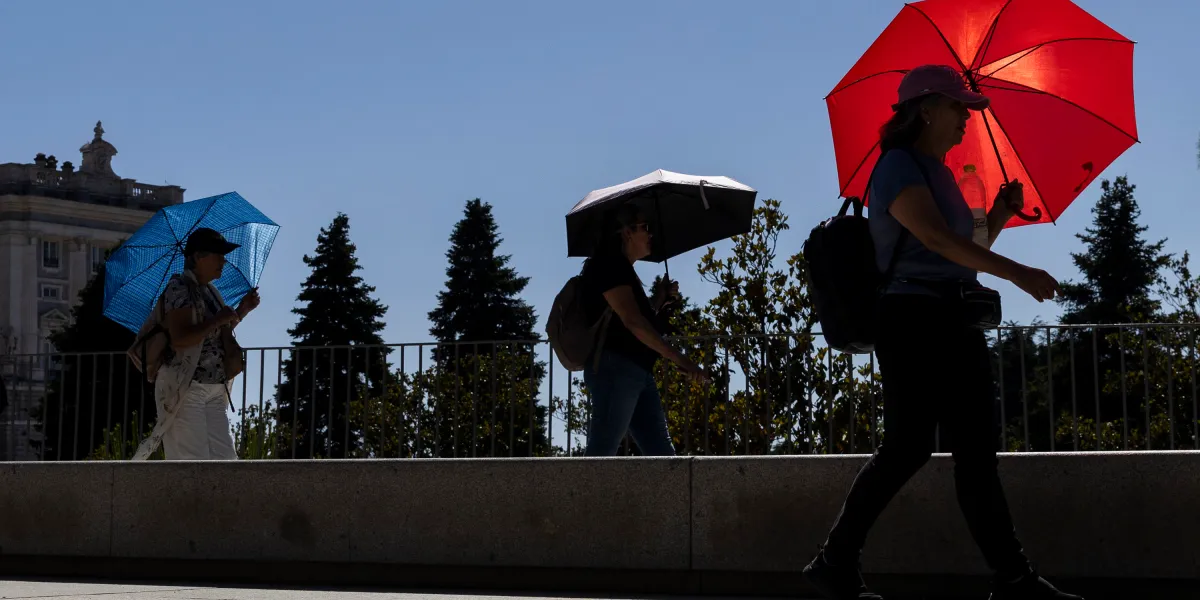
Summer in the Northern Hemisphere has gotten off to a very hot start. Europe has baked under record-breaking temperatures, while a “heat dome” blankets much of the United States. Many countries have reported heat-related deaths, roads melted in Germany, and utilities in the United States are asking customers to set their air conditioning at higher temperatures and adding crews to cope with outages as demand for cooling soared.
This has focused attention on the impacts of heat on health, infrastructure, and economic productivity—and how to best manage them. That is a good thing. While past discourse on adaptation has often focused on the impacts of severe flooding, our recent McKinsey Global Institute report on climate adaptation found that heat is likely to affect far more people and account for a larger share of adaptation costs.
Though air conditioning has dominated conversation of late, the heat adaptation toolkit is far broader, including other active cooling measures like fans and cooling shelters as well as passive ones like better designed buildings and infrastructure, reflective roofs, and urban trees, along with weather forecasts and early warning systems. While it is important to note that the effectiveness of some of these measures is limited and they cannot protect against every form of heat impact, investments in heat adaptation can deliver attractive benefits. Every dollar invested in heat protection today can avoid $3 to $5 in damages—not a bad return on investment.