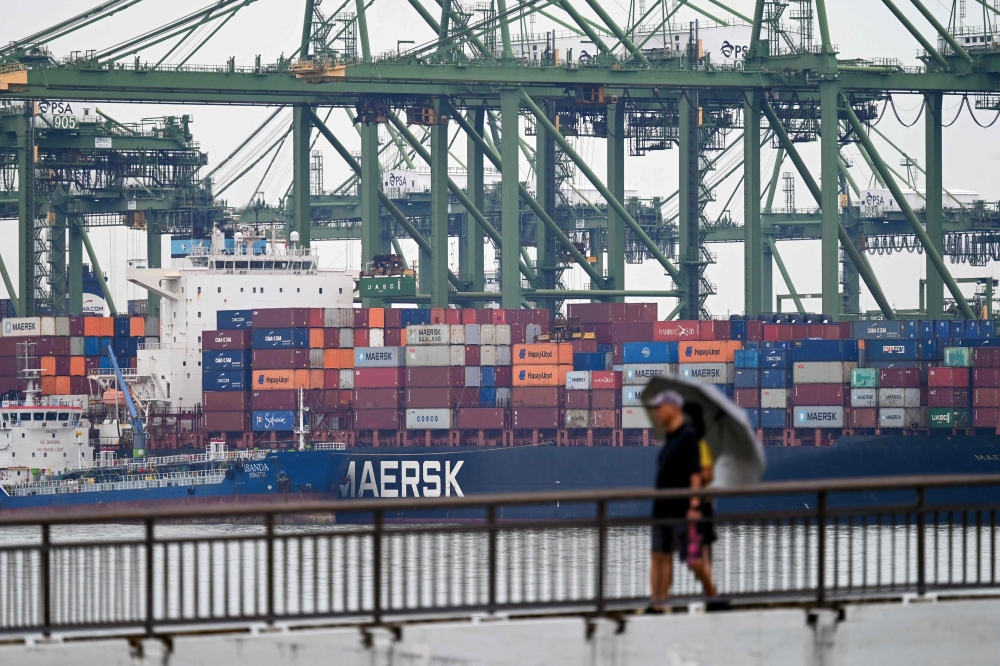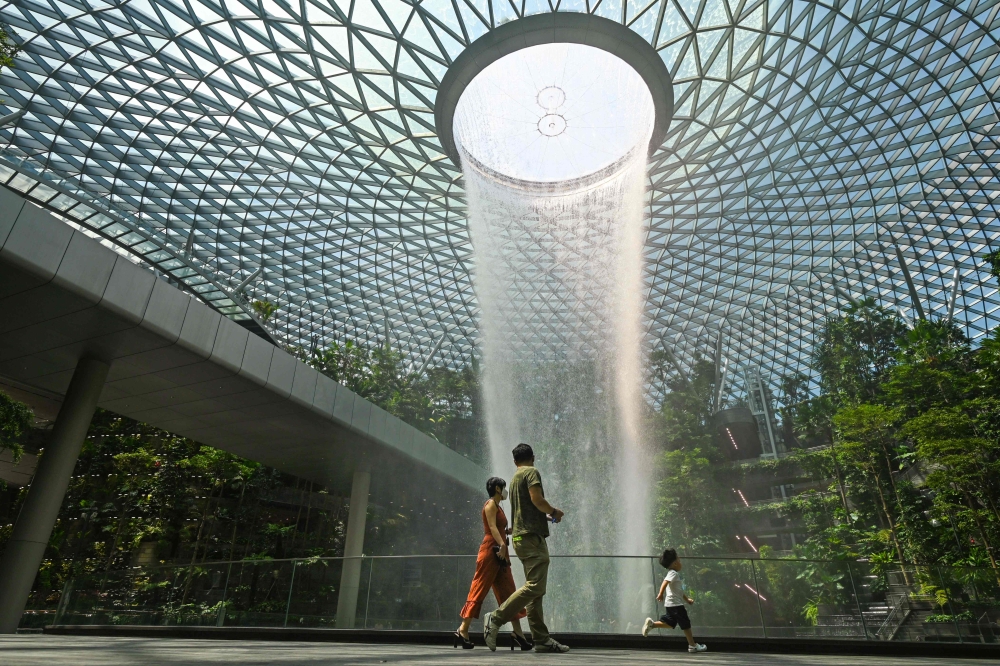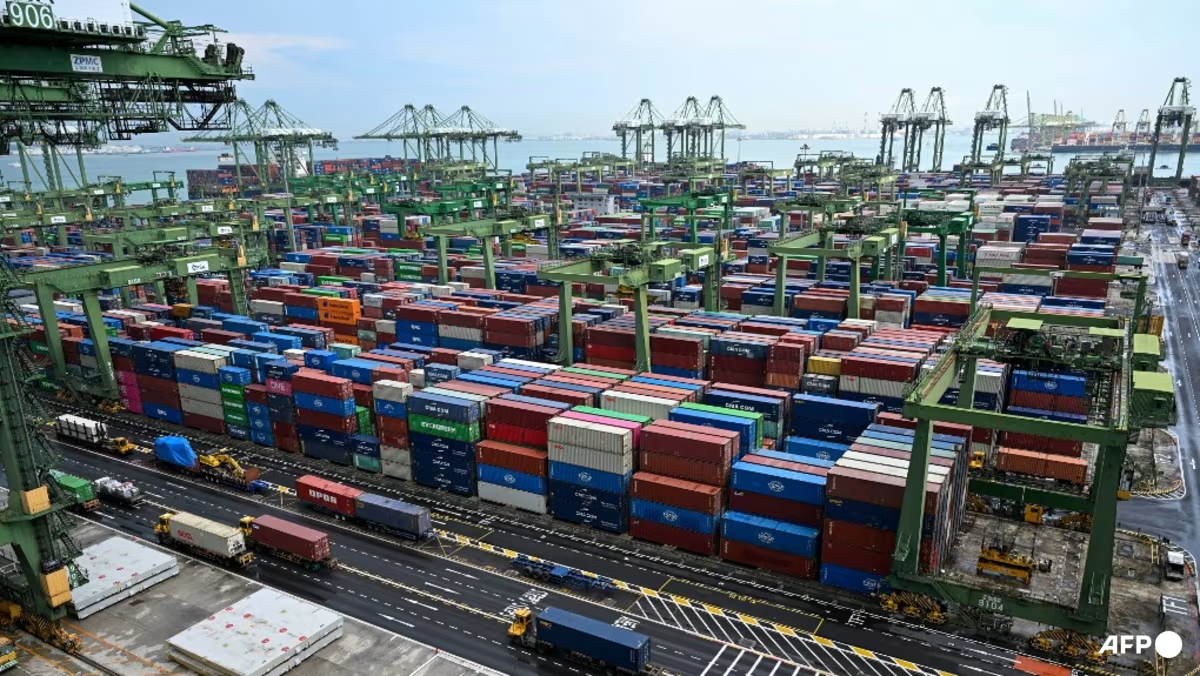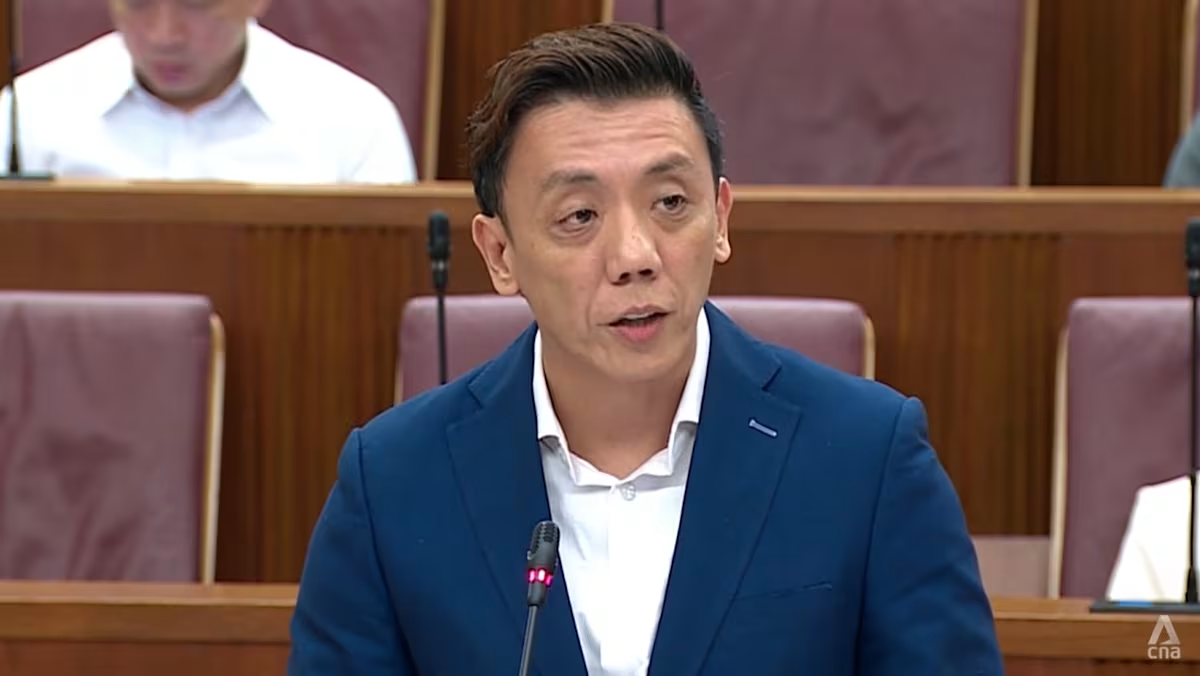
SINGAPORE: Singapore will invest S$800 million (US$619 million) in transport research over five years, more than doubling its previous outlay, as it aims to remain a global transport hub.About two-thirds of the funding will go towards two priorities: autonomy and digital twins for connectivity. The rest will support sector-specific research in aviation, maritime and land transport.The funding was announced under the National Research Foundation's Research, Innovation and Enterprise (RIE) 2030 programme, and will support research led by the Ministry of Transport.Acting Minister for Transport Jeffrey Siow announced the funding on Tuesday (Jul 7) during a motion on Singapore's transport strategy, tabled by the Transport Government Parliamentary Committee and led by its chairperson Tin Pei Ling (PAP-Marine Parade-Braddell Heights).
In her speech, Ms Tin said Singapore needed to strengthen its long-term transport strategy to stay globally competitive. Mr Siow said Singapore needed to be seen as a global thought leader in transport, warning that connectivity could no longer rely on physical infrastructure alone."Supply chains are becoming more fragmented and more distributed," he said. "If Singapore is merely a place through which flows happen to pass, then one day these flows will simply pass us by."He said connectivity would increasingly depend on technology, with shippers and travellers choosing Singapore not because of proprietary technologies, but because the country is more efficient, more connected and "more reliable than the alternatives".AUTONOMY, DIGITAL TWINSMinister of State for Transport Baey Yam Keng said the funding would support research into new operating models using autonomous vehicles, vessels and robotics across Singapore's ports, airports and logistics network.He said greater use of autonomous vehicles, vessels and robotics would let higher volumes be handled more efficiently, while allowing workers to focus on tasks that require human judgment and expertise.The autonomy workstream aims to enable safer, large-scale and less manpower-intensive transport operations across land, sea and air by combining autonomous platforms, AI and robotics.Research will include next-generation testing and certification frameworks for autonomous vehicles and unmanned aviation systems, as well as autonomous maritime operations and cargo-transloading using robotics and embodied AI.“With our high volumes of cargo and supportive regulatory environment, Singapore can serve as a real‑world ‘living lab’ to test and deploy these solutions at scale. Once proven here, they can be adopted internationally,” Mr Baey said.The digital twins initiative aims to improve the movement of cargo and passengers by integrating transport data across land, sea and air networks, and applying AI-enabled simulations to support planning and operations.Applications include better weather forecasting to reduce disruption to airport operations and intelligent land traffic management to improve road traffic flows.