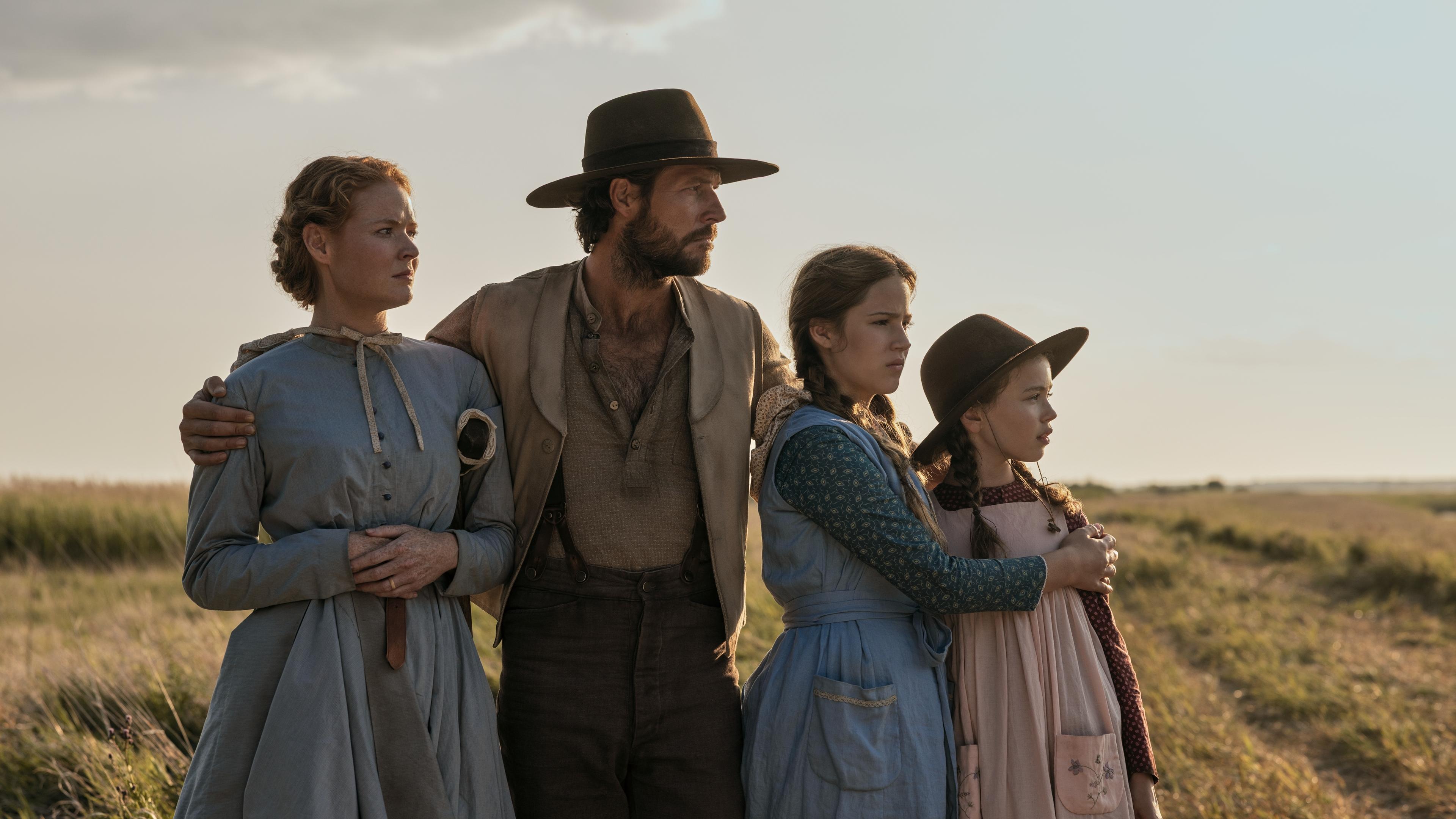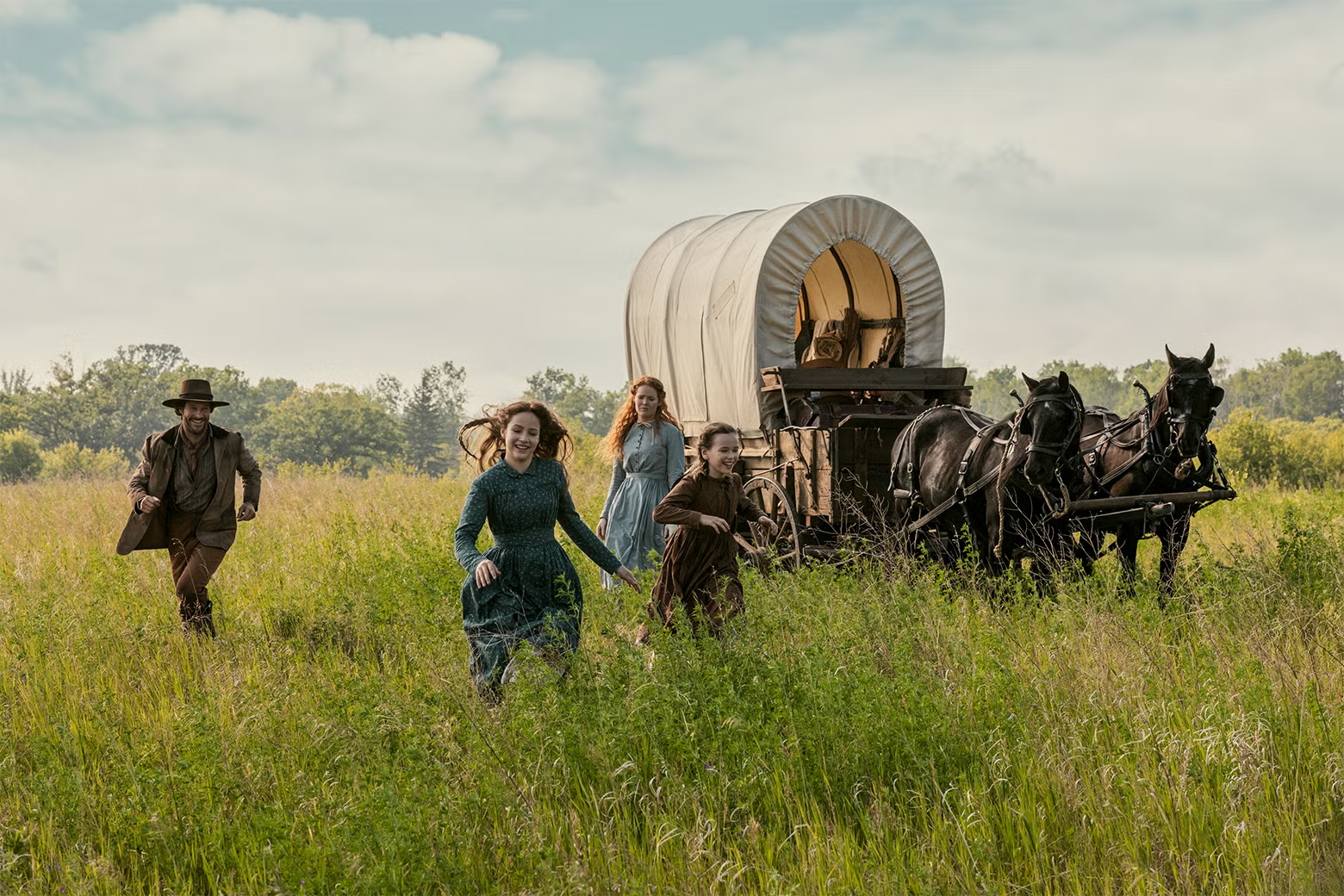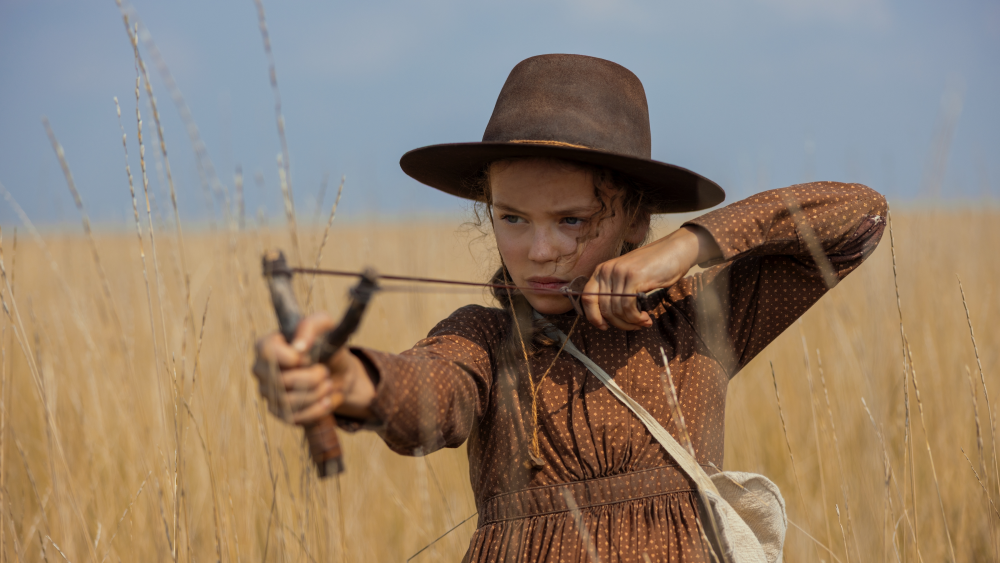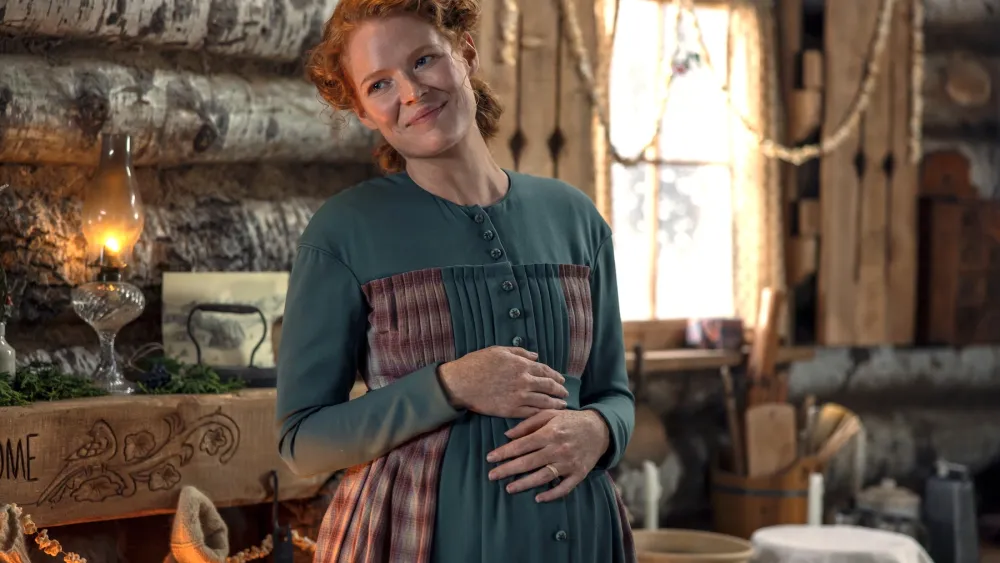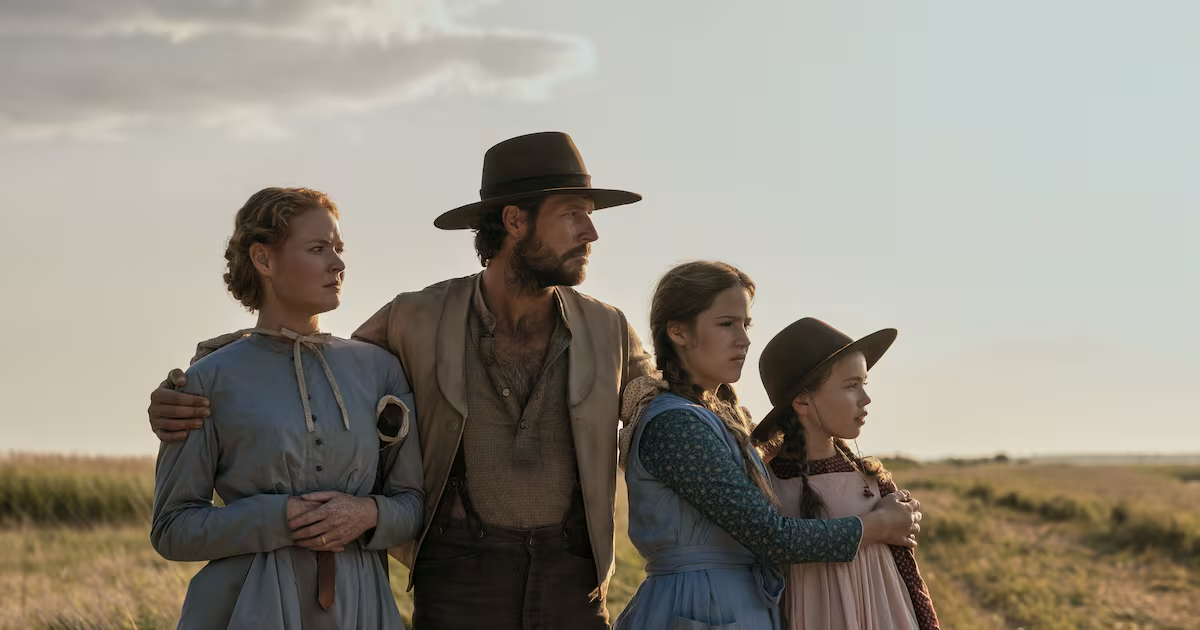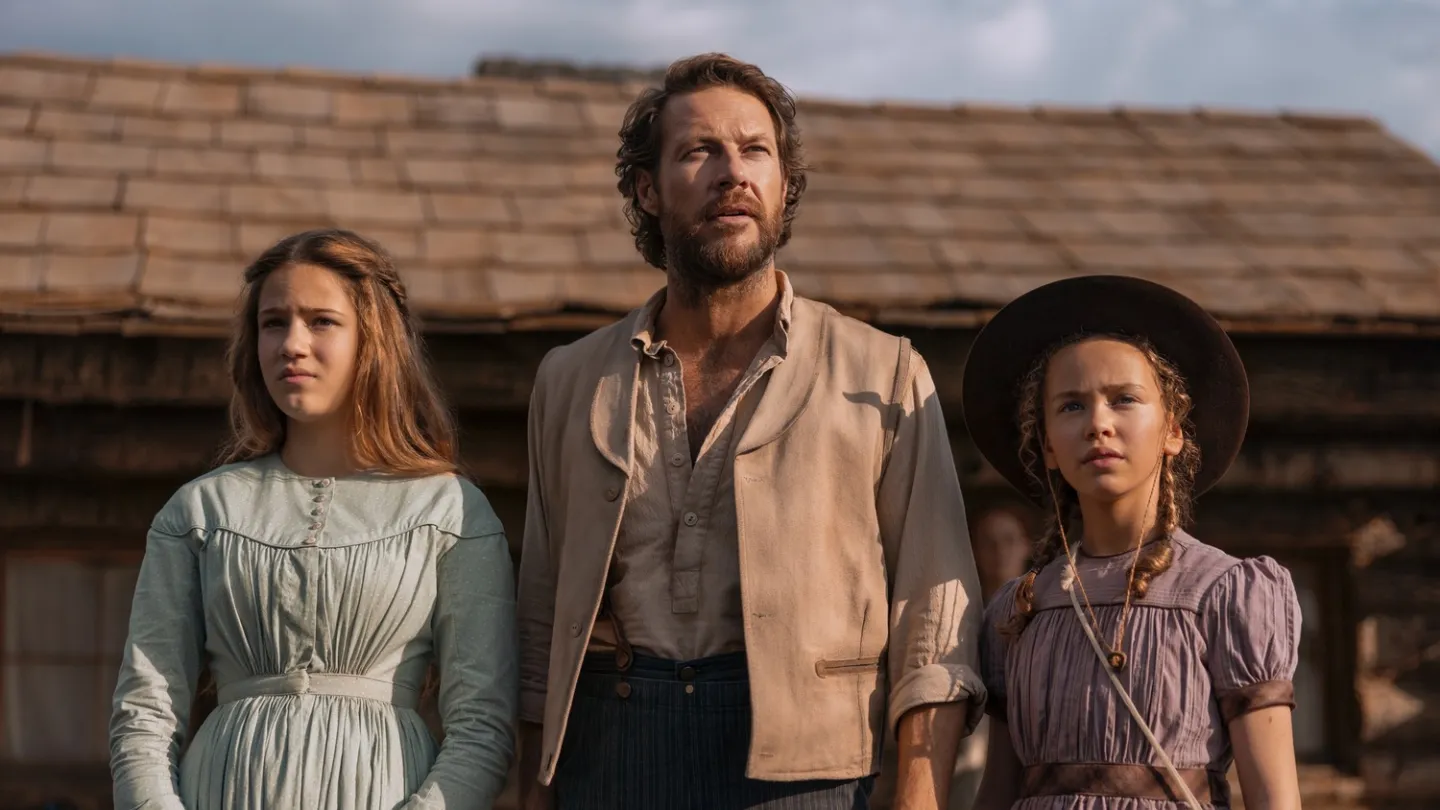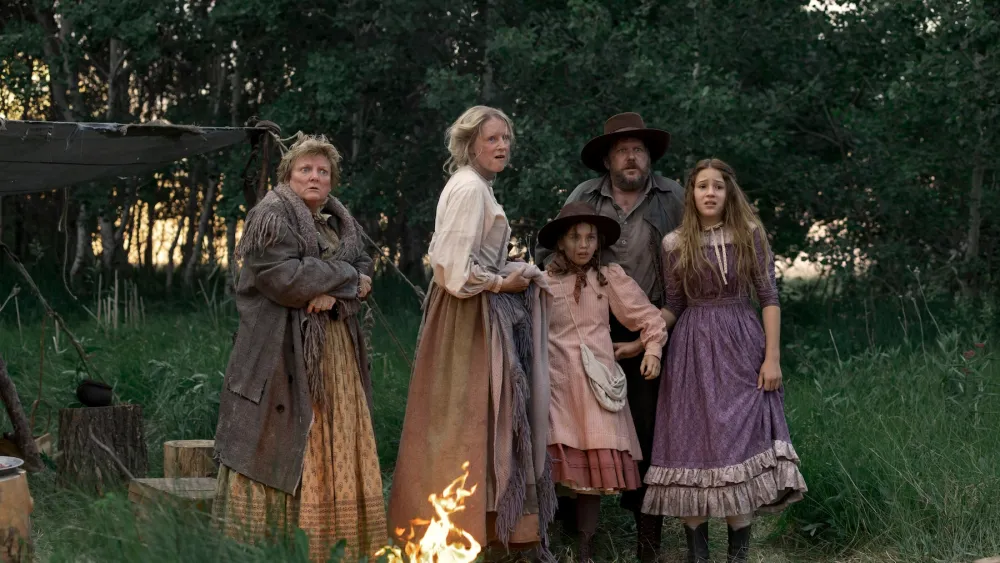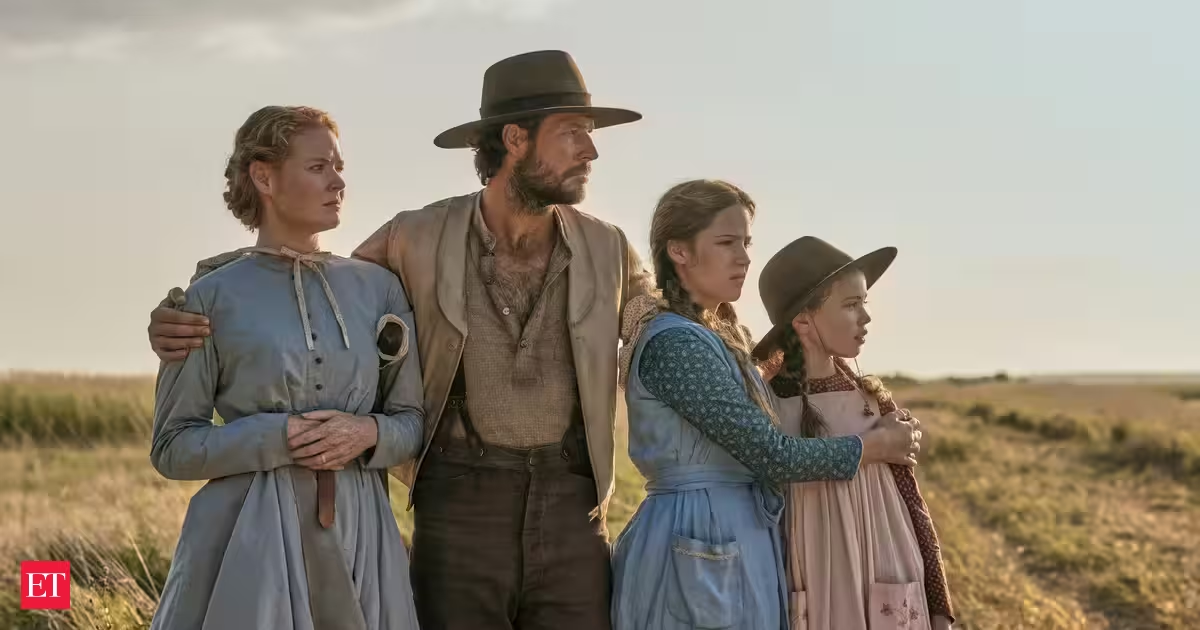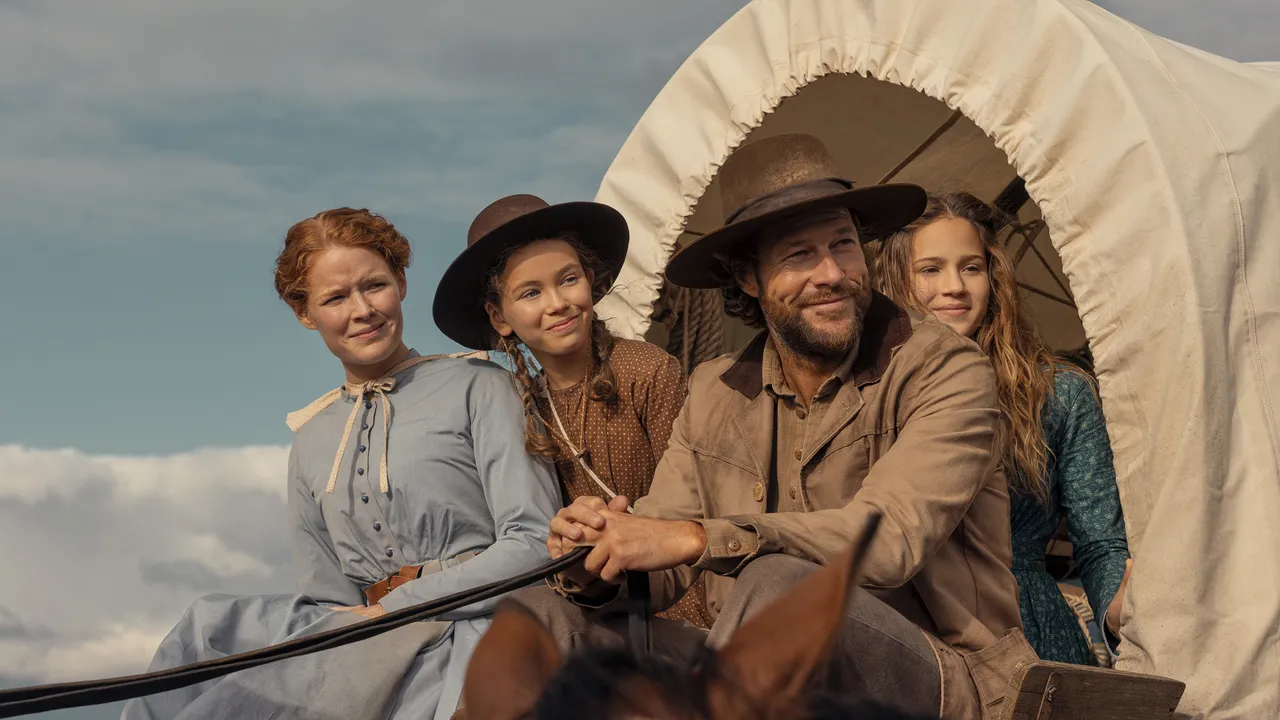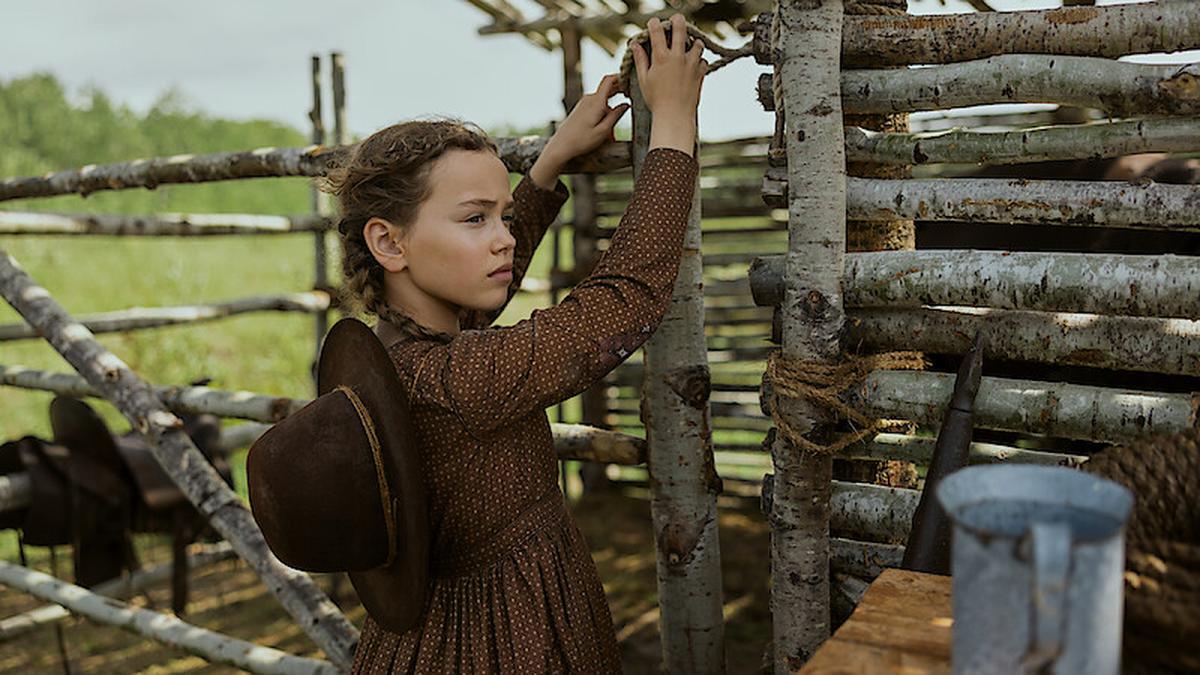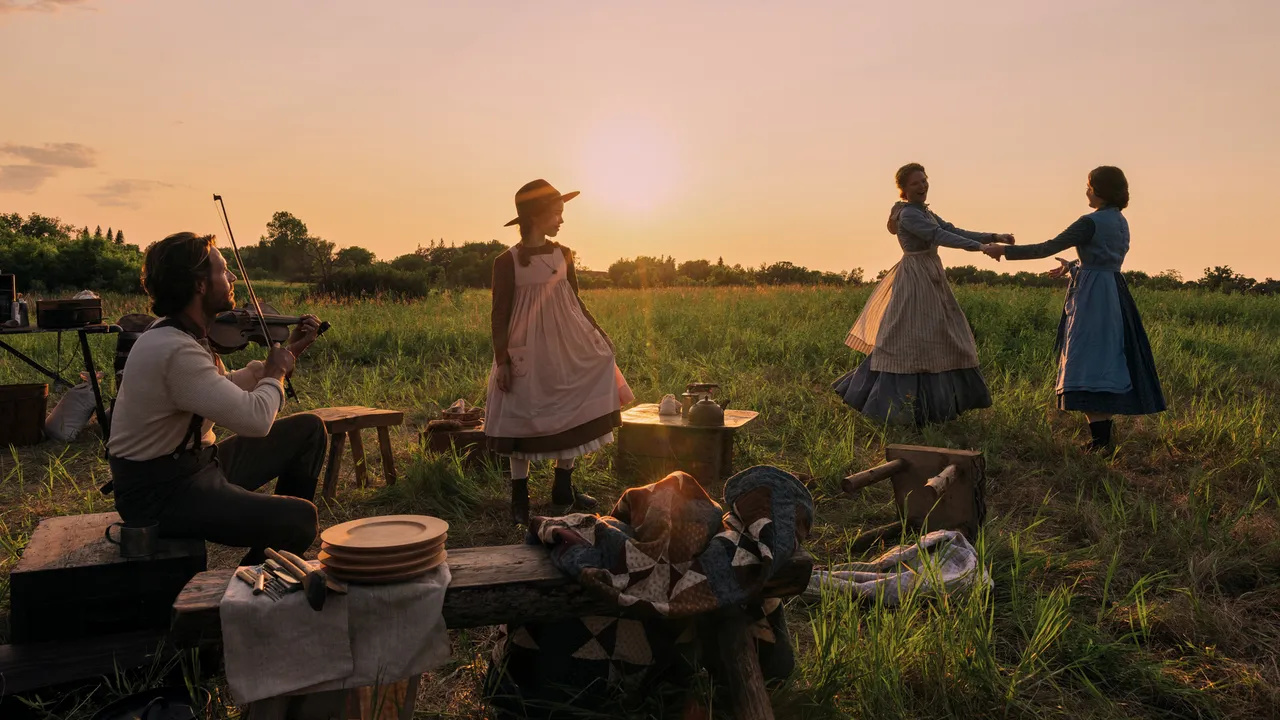
Neither mother nor daughter could agree on how to fix Pioneer Girl, a fledgling memoir that wouldn’t sell. The 63-year-old aspiring author Laura Ingalls Wilder wanted to focus on nostalgic memories viewed through rose-colored glasses, scribbling “not to be used” in the margins of passages she deemed not fit for print. Her daughter, Rose Lane—a 43-year-old journalist with writer’s block who’d already mined and sold everything salable in her own life—pushed for drama and sensationalism. Though their creative liberties leaned in different directions, neither was a particular stickler for the truth. Nor could they afford to be. Nearly penniless in Missouri during the height of the Depression, both women’s financial futures hinged entirely on the book’s success.A century-year-old spoiler: Their first collaboration, Little House in the Big Woods, was indeed published, eventually, by Harper & Brothers (these days, HarperCollins) for an undisclosed amount (read: not much). The publisher sided with Wilder, tailoring the book not to children but to “juveniles” decades before a proper YA genre existed. They edited the book accordingly: Though corporal punishment and some jaw-dropping racism remained, a story about a mother sow who ate her litter was cut, for example, and the unfortunate fate of the family cow Sukey at the butcher. The order of events was changed to streamline the book’s plot and elevate drama. When necessary, happy endings were fabricated—as in the chapter from the fourth book of the series, On the Banks of Plum Creek, about finding and restoring Laura’s lost rag doll.As third-person fiction based on a true story, the Little House series became a children’s classic about family and pioneer life that sold more than 60 million copies. Its sequels were mined for a beloved 1970s TV show, Little House on the Prairie, that still runs in syndication and will be rebooted on Netflix for a whole new generation in a series that premieres July 9. As historical fact, however, the Little House books make some massive, deliberate omissions that complicate and contradict Wilder’s saccharinely sweet stories. As Little House on the Prairie returns and young Laura Ingalls warms American hearts all over again, here are a few key plot points that the elderly Wilder wisely excluded about her intrepid life on the prairie.Alice Halsey as Laura Ingalls in the new Little House on the Prairie.ERIC ZACHANOWICH/NETFLIXPa’s not-so-stellar business savvyIn the late 1920s, Wilder was nearing the age her father was when he died. She was also grieving the recent loss of her mother, whom she hadn’t seen in person for two decades. “Wilder had complicated feelings and motivations and wanted to memorialize her parents, especially her father,” says Caroline Fraser, author of the Pulitzer Prize–winning Prairie Fires: The American Dreams of Laura Ingalls Wilder.Though the books are told through Laura’s eyes, patriarch Charles Ingalls (“Pa”) is arguably the series’s true protagonist. It’s his choices—as head of the household in the late 1800s—that everyone else respects and obeys. The incidents that an older Wilder would depict as exciting new adventures across the open frontier, including her family’s move from a log cabin in the Wisconsin woods to their titular homestead on the Kansas prairie to a hillside dugout built at Plum Creek, were actually endless upheavals catalyzed by her father’s ever-precarious finances and poor business decisions.Laura Ingalls Wilder, circa 1895.
The True Story of Laura Ingalls Is Wilder than ‘Little House on the Prairie’
Netflix’s new adaptation of the beloved book series will probably leave out some of the most fascinating details from the author’s life—from Pa Ingalls’s ineptitude to the serial killers that stalked Kansas during her childhood.
1,957 words~9 min read