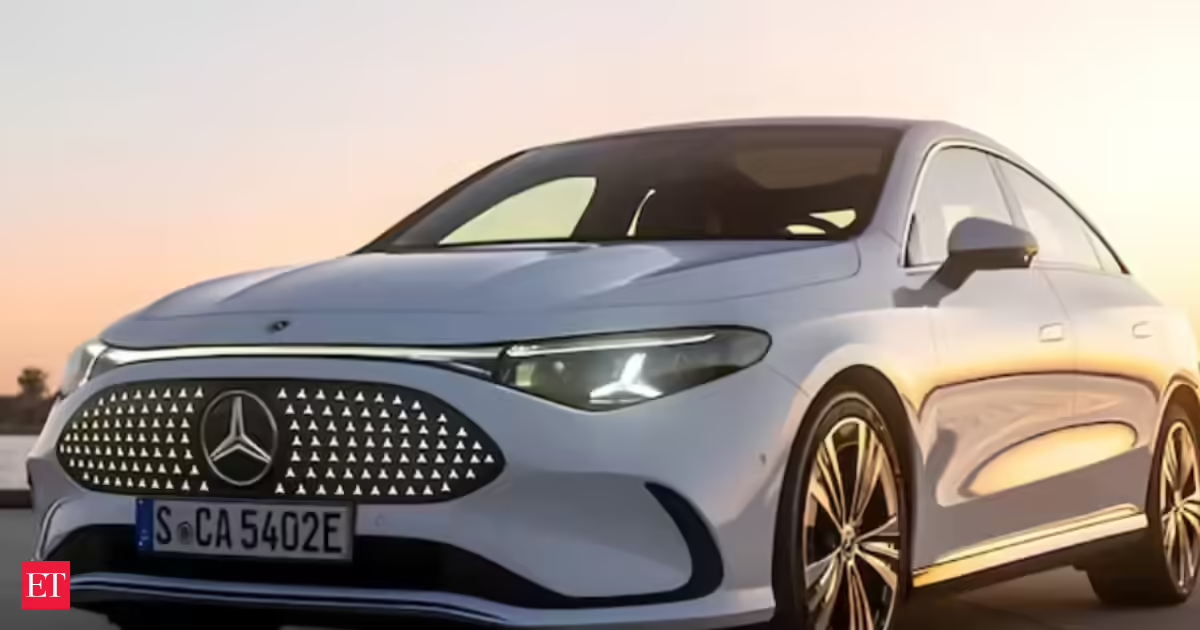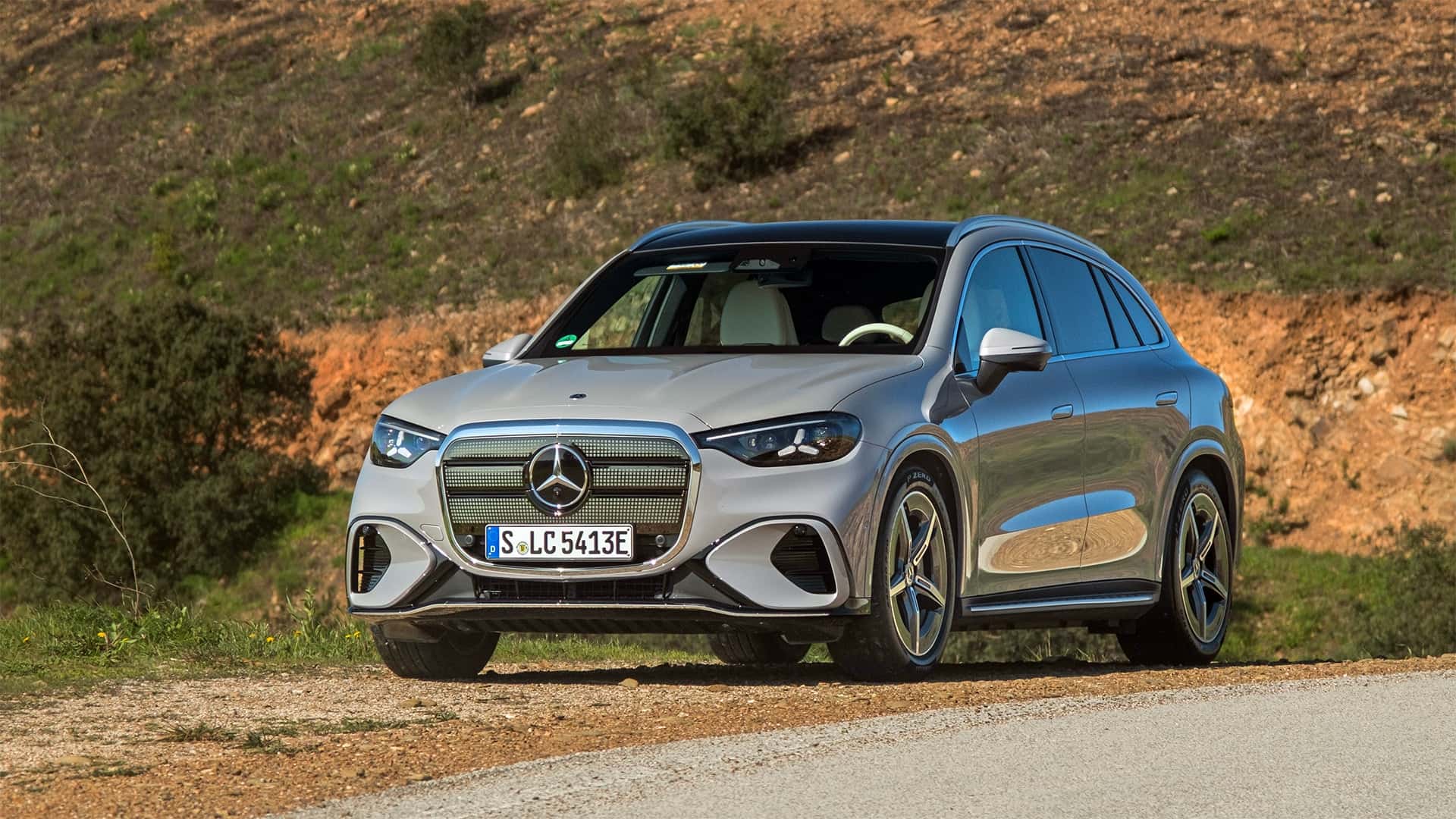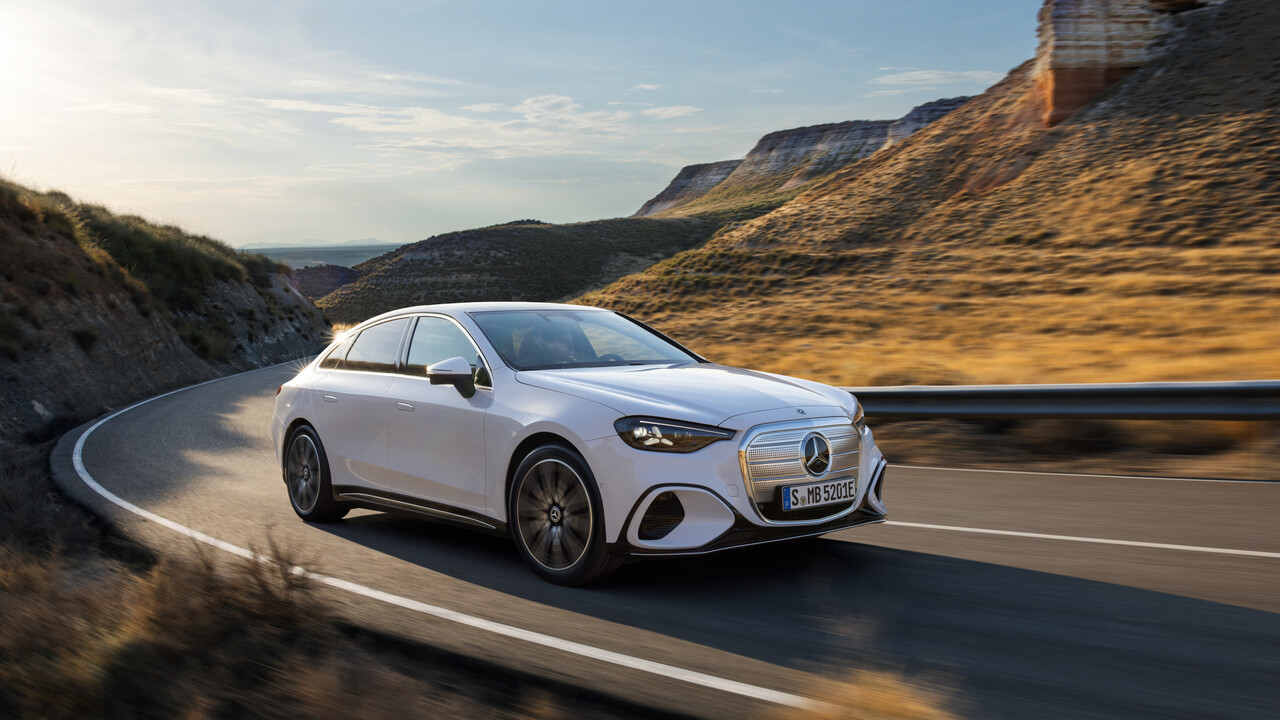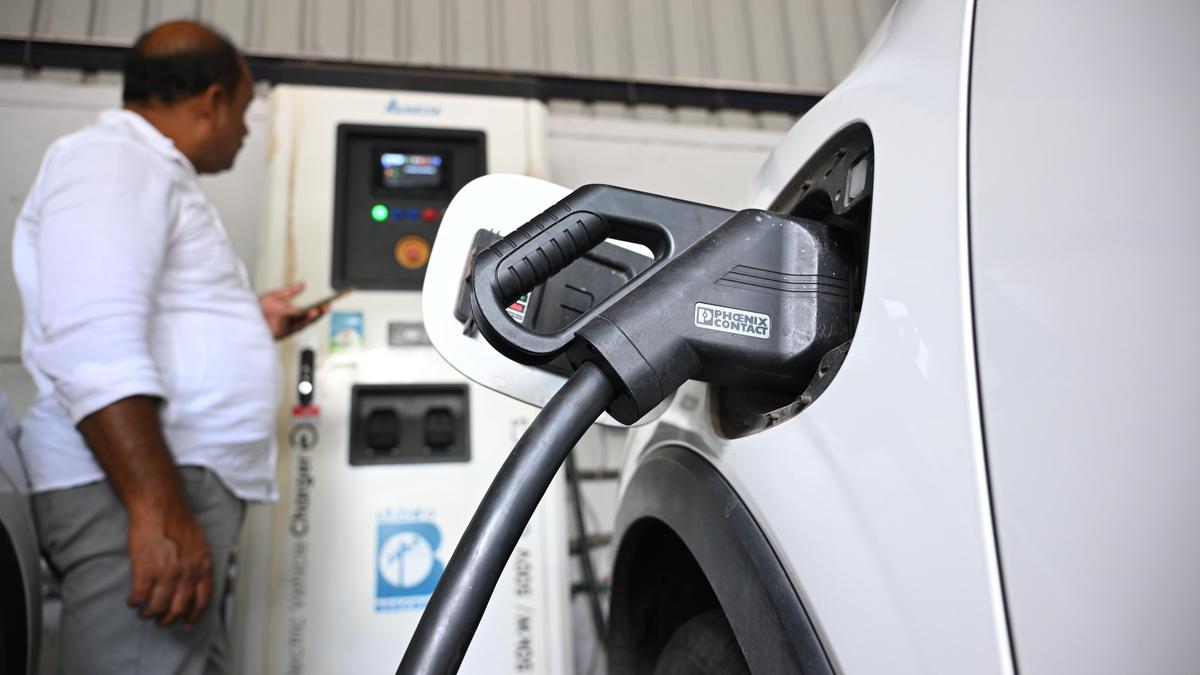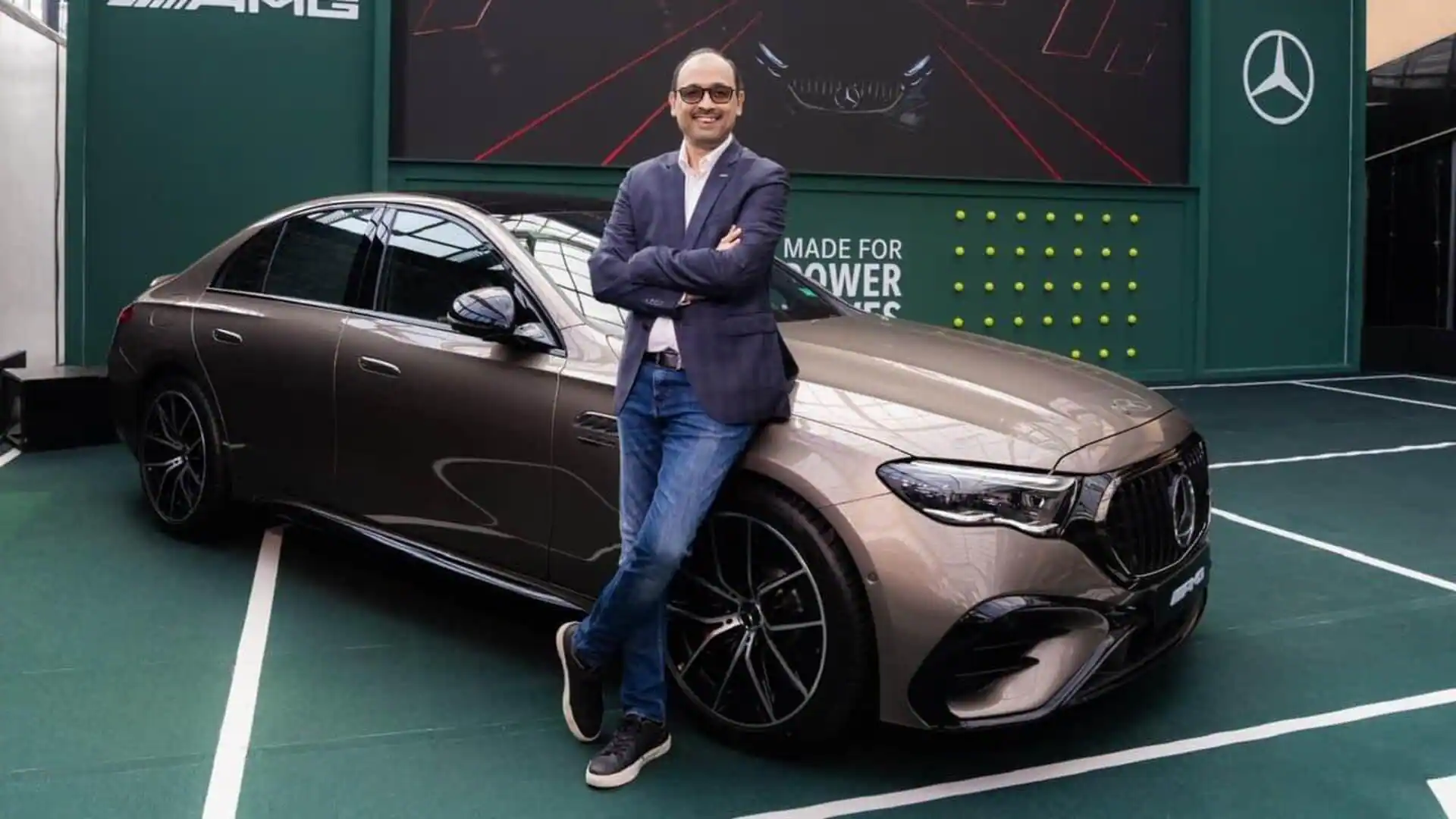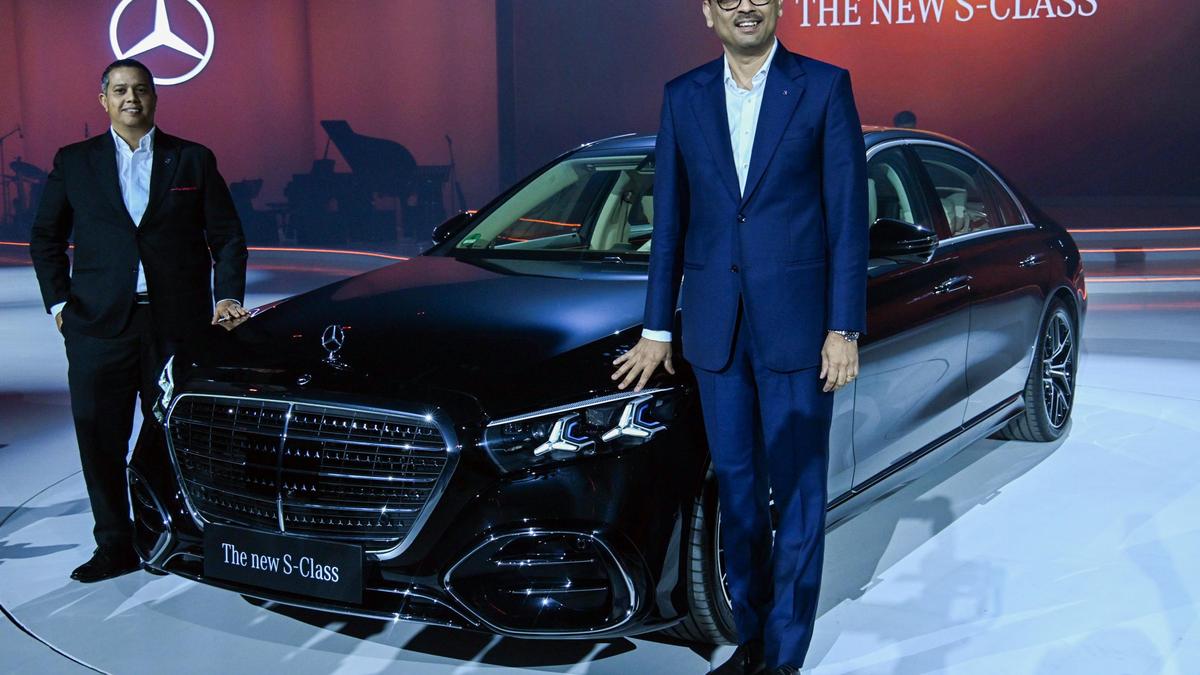
Mercedes-Benz India reported its highest-ever first-half sales, retailing 9,768 vehicles in January-June 2026, up 9% from 9,013 units in H1 2025, while second-quarter sales rose 10% to 4,637 units from 4,238 units in Q2 2025, as demand for premium electric vehicles and top-end luxury models continued to outpace the company’s overall growth. Battery electric vehicles now account for 14% of Mercedes-Benz India’s Q2 sales, roughly double their earlier contribution, underscoring the accelerating shift towards electrification in India’s luxury car market.The luxury car maker has said its Franchise partners are expected to invest more than ₹450 crore over the next two years to add more than 20 luxury outlets across India, including its entry into Varanasi, while expanding its presence in Mumbai, Delhi NCR, Pune and Hyderabad.Record first-half sales as luxury demand holds firmThe headline sales numbers mask an even bigger shift in buying behaviour. While overall volumes grew in single digits, Mercedes’ strongest momentum came from its most expensive vehicles. Sales of Top-End Luxury (TEL) models, including the Mercedes-Maybach range, S-Class, AMG models, EQS SUV and the newly launched V-Class—grew by more than 20% in the first half, taking their share to a record 28% of total sales. Mercedes-AMG deliveries surged 50%, reflecting growing demand for ultra-luxury and performance vehicles.“H1 2026 has shown increased preference for our Top-End Vehicles, with the share of TEVs now reaching an all-time high of 28%, fuelled by the introduction and growing demand for the New V-Class and the 50% growth trajectory achieved by the AMG portfolio,” Santosh Iyer, Managing Director and CEO, Mercedes-Benz India, said.Electric cars emerge as the next growth engineMercedes’ electric vehicle business is expanding much faster than its overall operations. Premium battery electric vehicles priced above ₹1.4 crore recorded 85% growth in the second quarter, led by the EQS SUV, while the newly launched CLA BEV strengthened demand in the entry luxury segment. The CLA BEV has already sold out its initial allocation, with waiting periods stretching five to six months, suggesting affluent buyers are increasingly embracing electric mobility.Luxury market defies slowdown in mass car salesThe performance highlights the widening divide between India’s luxury and mass-market passenger vehicle segments. Customers are not simply buying more luxury cars—they are buying more expensive ones. Waiting periods for several Top-End Luxury models range from four months to as long as one year for the AMG G 63, while the long-wheelbase E-Class remained India’s highest-selling luxury car during the first half. Mercedes’ Entry Luxury portfolio also expanded 29% in the second quarter, supported by the CLA BEV and GLA SUV.The trend comes even as the broader passenger vehicle industry grapples with slower demand and elevated dealer inventories, underscoring the resilience of affluent consumers and the growing appeal of premium electric vehicles.Published on July 7, 2026
Mercedes-Benz India reports record H1 sales, up 9%; EV mix reaches 14%
Mercedes-Benz India on Tuesday reported its highest-ever first-half sales, driven by strong demand for premium electric vehicles and top-end luxury models.
460 words~2 min read