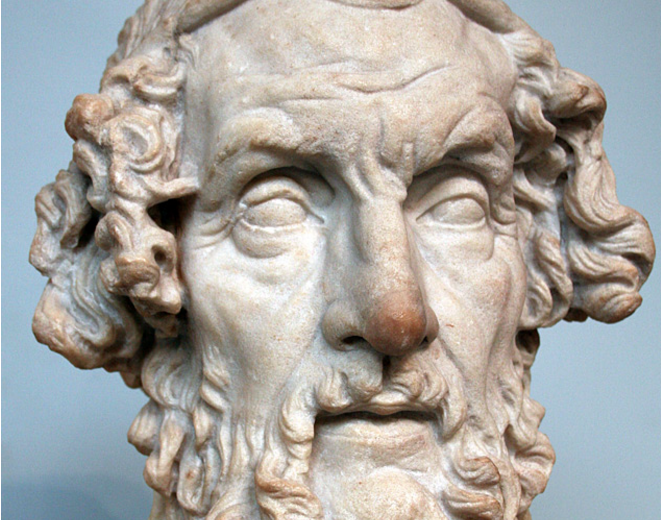
In the 400 years since his death, William Shakespeare’s work has been used as a lens through which to interpret countless developments he could never have anticipated – from modern psychology and political theory to colonialism and climate change. His writing possesses an uncanny ability to illuminate nearly every facet of the human condition.
Yet, as a decolonial scholar and an AI researcher, we believe that Shakespeare’s plays are now beginning to illuminate something beyond that as well – the emergent forms of artificial intelligence that increasingly shape and challenge our understanding of what it means to think, act and be.
AI tools have rapidly become part of many people’s everyday lives. Yet relatively few probably consider the physical infrastructure that makes these systems possible. Each prompt we send is processed in distant data centres: vast facilities that generate responses by predicting the most likely sequence of words based on patterns learned from enormous datasets.
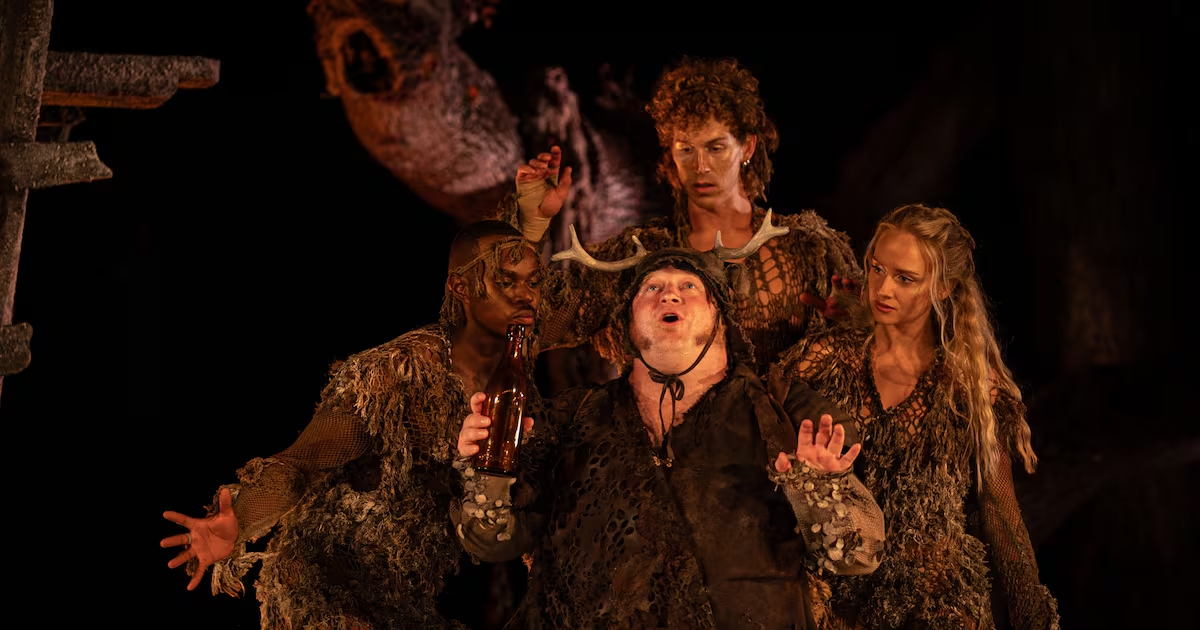
This dynamic of distant, unseen control recalls Shakespeare’s The Tempest, a play that offers a useful means of understanding how power operates through hidden infrastructures.
This article is part of Rethinking the Classics. The stories in this series offer insightful new ways to think about and interpret classic books and artworks. This is the canon – with a twist.