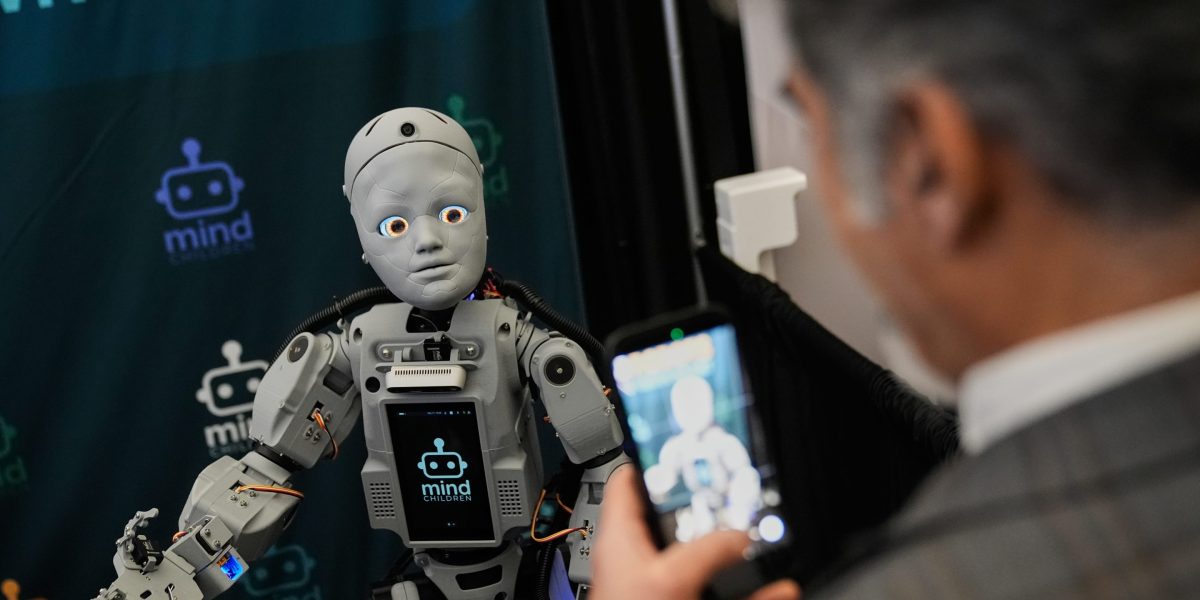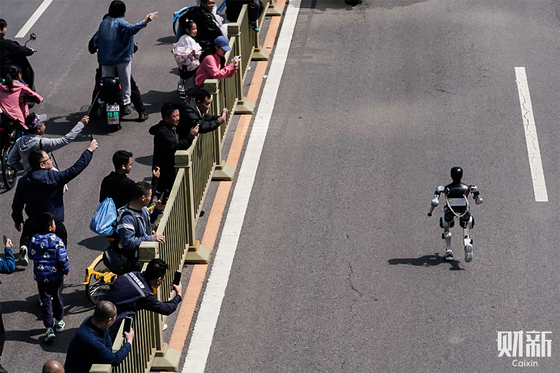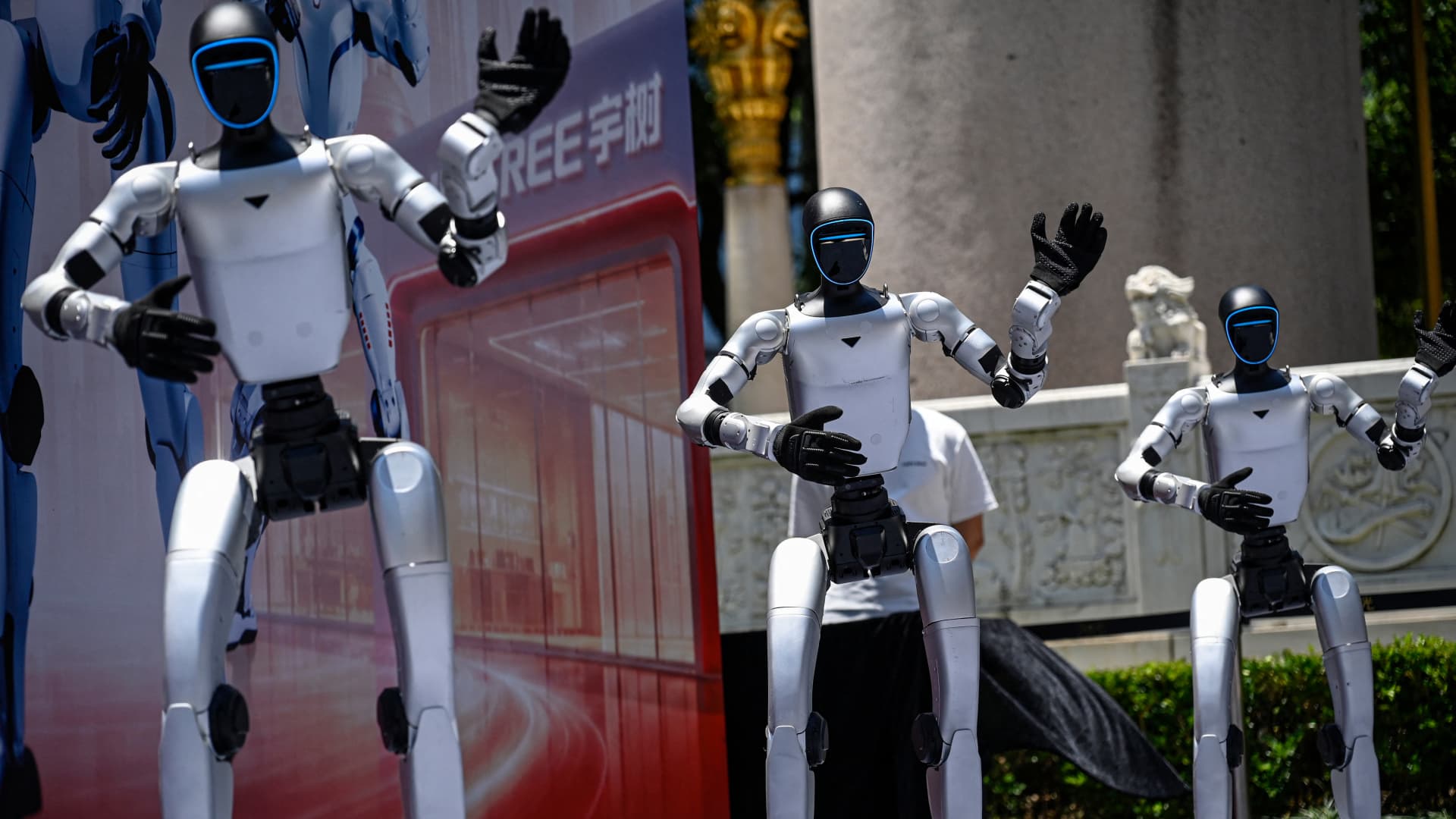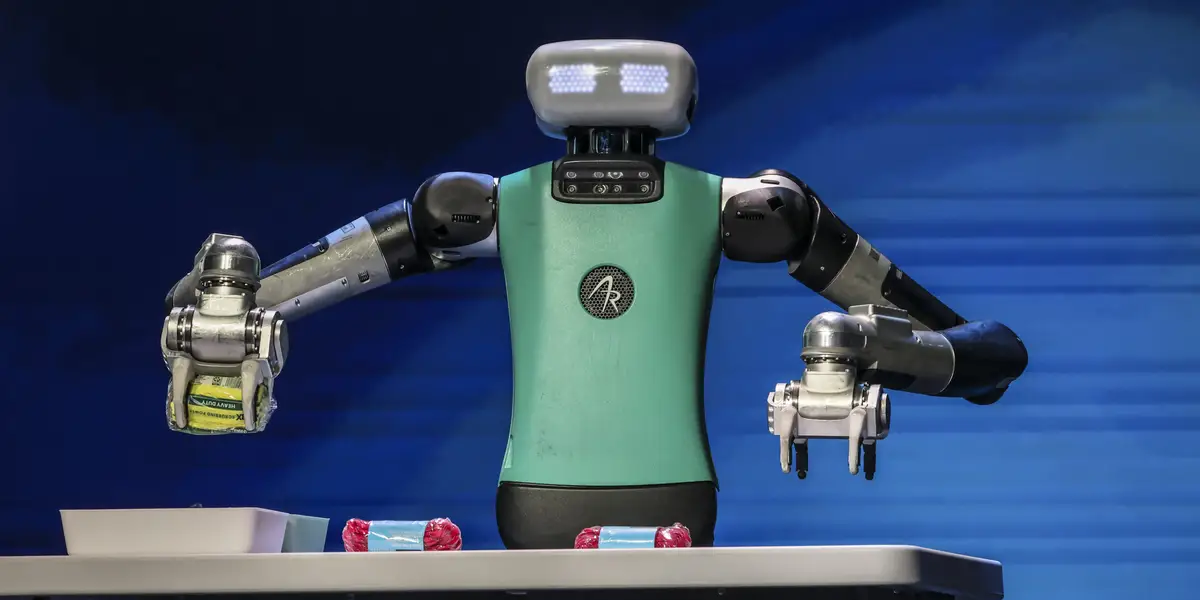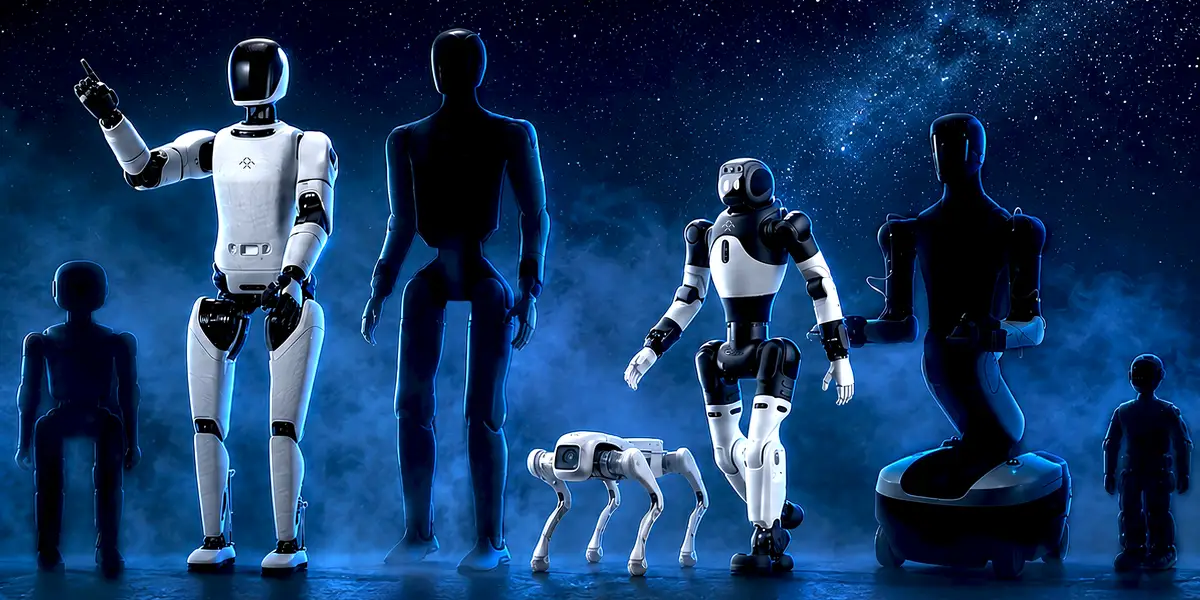
Investors are divided over what robot bodies should look like.
Business Wire/AP
Humanoid robots have become the mascot of Silicon Valley's physical AI boom.They dance in viral videos, bang out tunes on the piano, and are headed to Wall Street as Agility Robotics plans to go public. They promise a new workforce that never sleeps, never ages, and can work in spaces built for people.But as AI moves off screens and into machines, some Silicon Valley investors are not buying the humanoid hype."The theory around humanoids is that the world is designed for humans, so let's create an embodiment that looks like a human," said Ajay Agarwal, a partner at Bain Capital Ventures and an early backer of Kiva Systems, the warehouse robotics company Amazon bought for $775 million in 2012. But Agarwal believes that humanoids could prove to be a "parlor trick" with few practical uses.His concern reflects growing skepticism among some investors that robots need to mimic the human body at all. In their view, humanoid companies inherit the constraints of the human form instead of designing the machine best suited to the job. Legs, for example, have to support a heavy torso battery, which means the robots consume more power and create the safety risk of falling over."There's a reason why humans fly planes and drive in cars," Agarwal said. "Because wheels and wings are more efficient than walking."'The humanoid fallacy'A slew of big-name investors are steering clear of humanoids in favor of other robot forms. Khosla Ventures and former Google CEO Eric Schmidt have backed Genesis AI, which unveiled a wheeled general-purpose robot with no head or legs last month. Bain Capital Ventures and Sarah Guo's Conviction have invested in Sunday Robotics, which is building a wheeled home robot. Neil Mehta's Greenoaks has funded The Bot Company, a wheeled home-robot startup founded by former Cruise CEO Kyle Vogt.