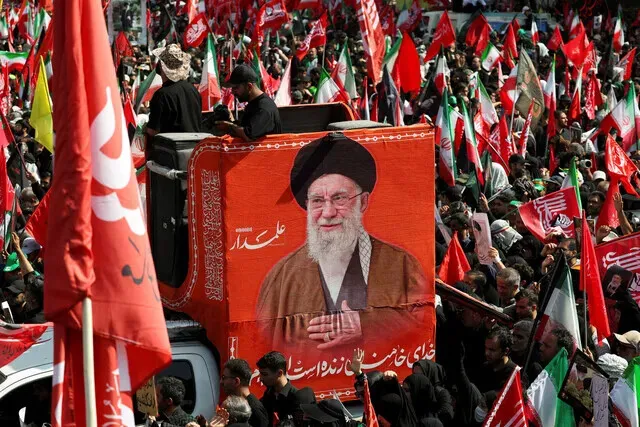
Mourners gather in Tehran on July 6, 2026, for a funeral procession for Iran's late supreme leader Ali Khamenei. (Reuters/Yonhap)
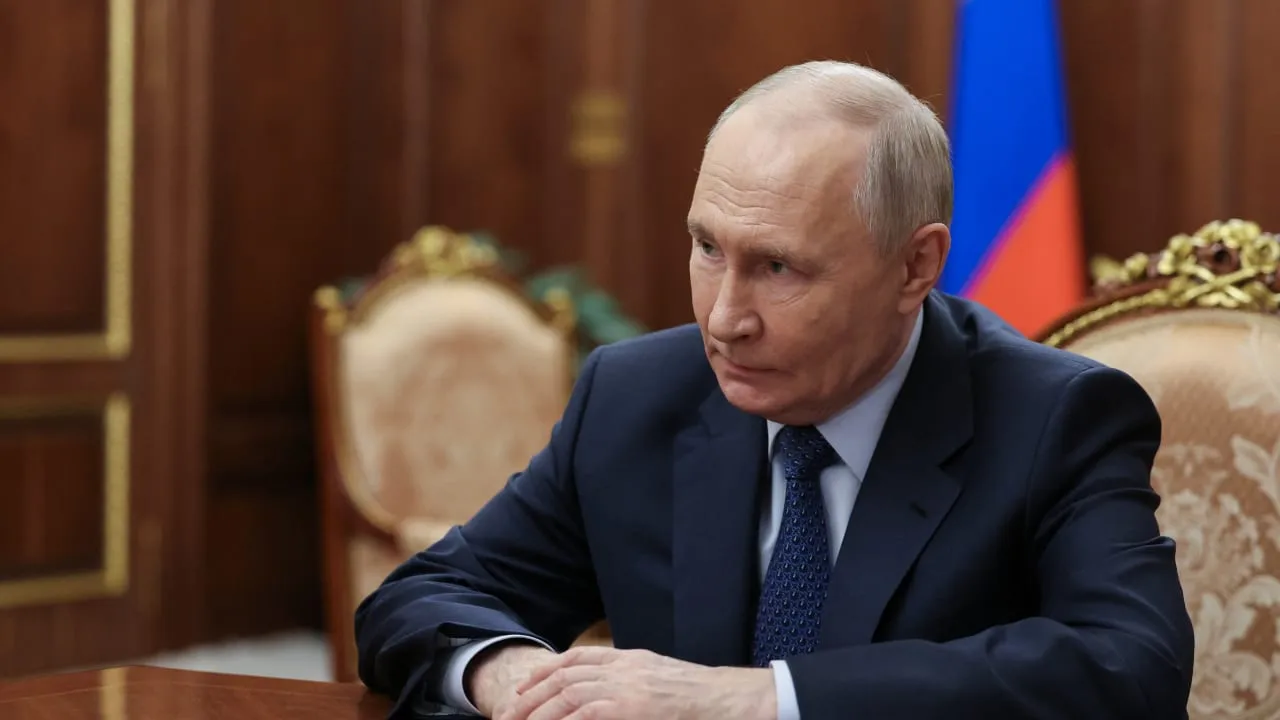
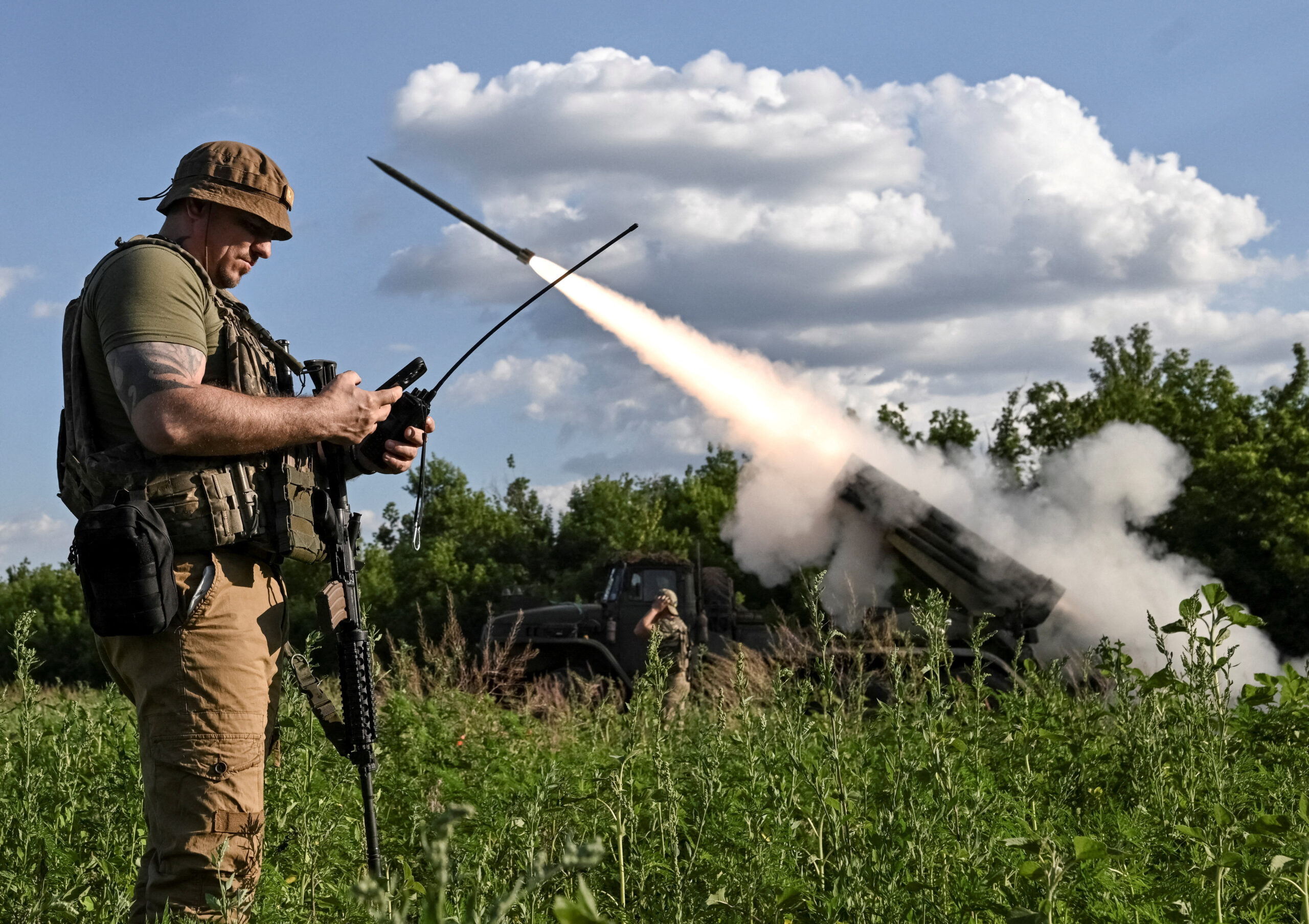
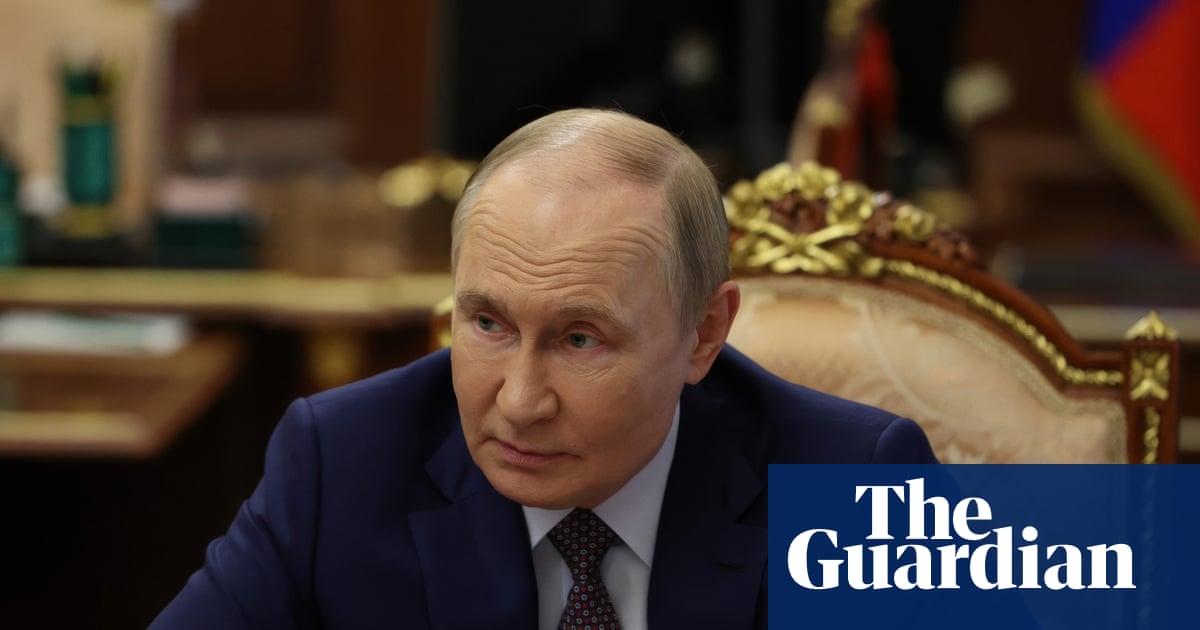
When Russian President Vladimir Putin invited front-line soldiers in the war against Ukraine to visit the Kremlin last month, he was stumped by a question about Russia’s countermeasures to Ukraine’s drone tactics. “The enemy is deploying swarms of attack drones controlled by AI systems. We’ve got to beat the enemy at their own game instead of always being a step behind,” one soldier insisted. Another soldier bluntly asked when Russia would catch up with Ukraine’s level of technology. Putin reassured his soldiers that Russia was developing a satellite-based network that would boost drone accuracy.Mohammad Bagher Ghalibaf, the speaker of the Iranian parliament, proclaimed Iran’s victory in the war before various foreign delegations visiting ahead of the funeral of Ayatollah Ali Khamenei, who was slain in an Israeli air strike. “The US and Israel failed to achieve their goals in their war with Iran. We lost our leader [Khamenei], but we were victorious both militarily and politically,” Ghalibaf said. In a barbed comment aimed at the US, he said, “This war has surely shown them that they can’t prevail against Iran in an all-out military confrontation.”The US and Russia, regarded as the world’s leading military powers, have both been embarrassed in wars against weaker countries. Neither power could have guessed how long their opponents could resist by mass-producing drones and other cheap munitions. Analysts say that it’s growing harder, even for great powers, to undertake a war without enduring major losses.