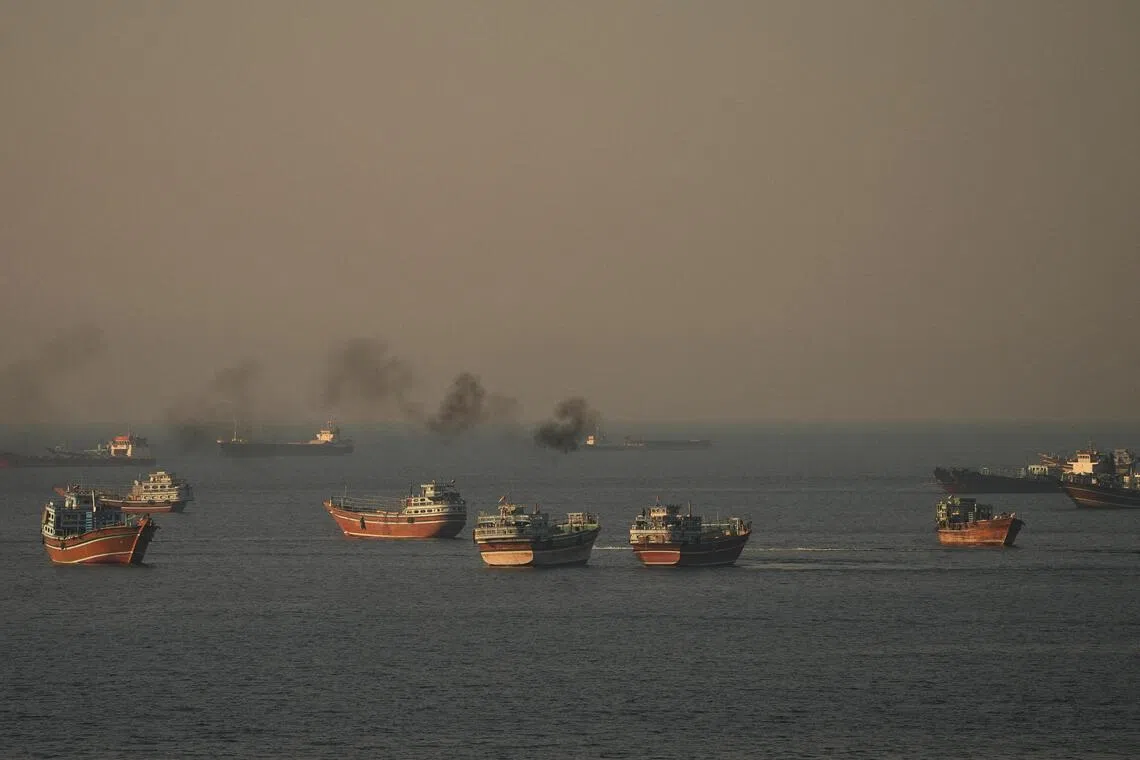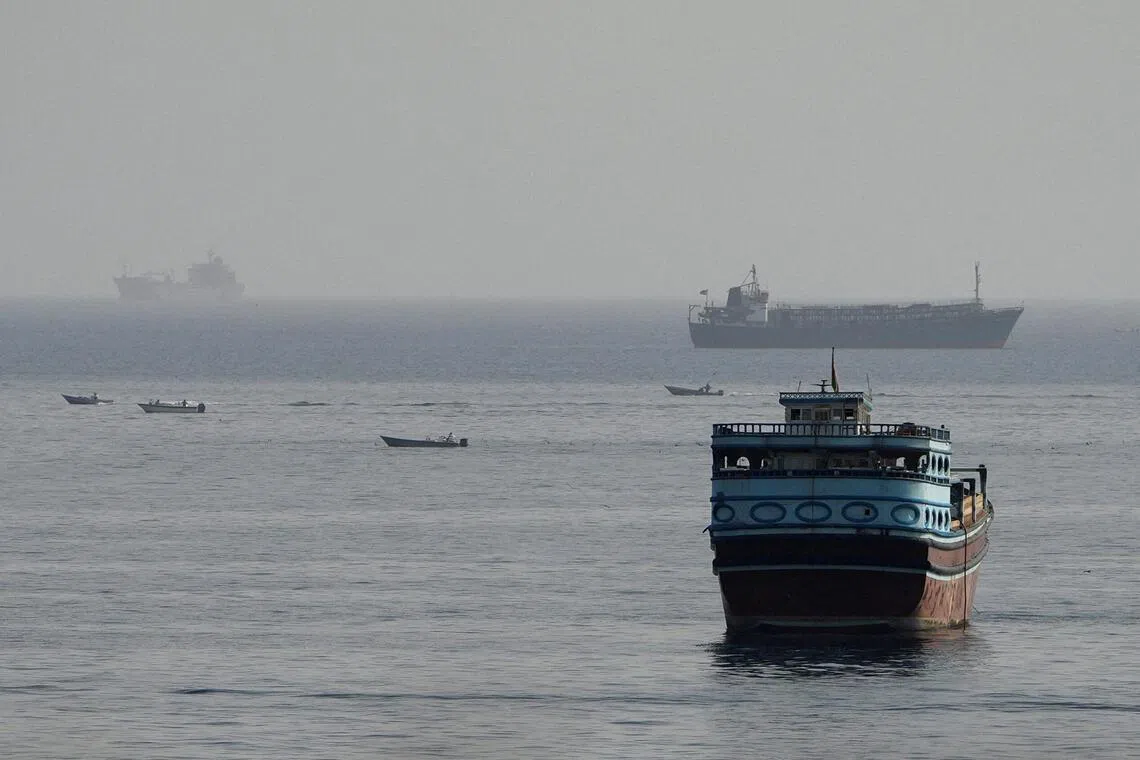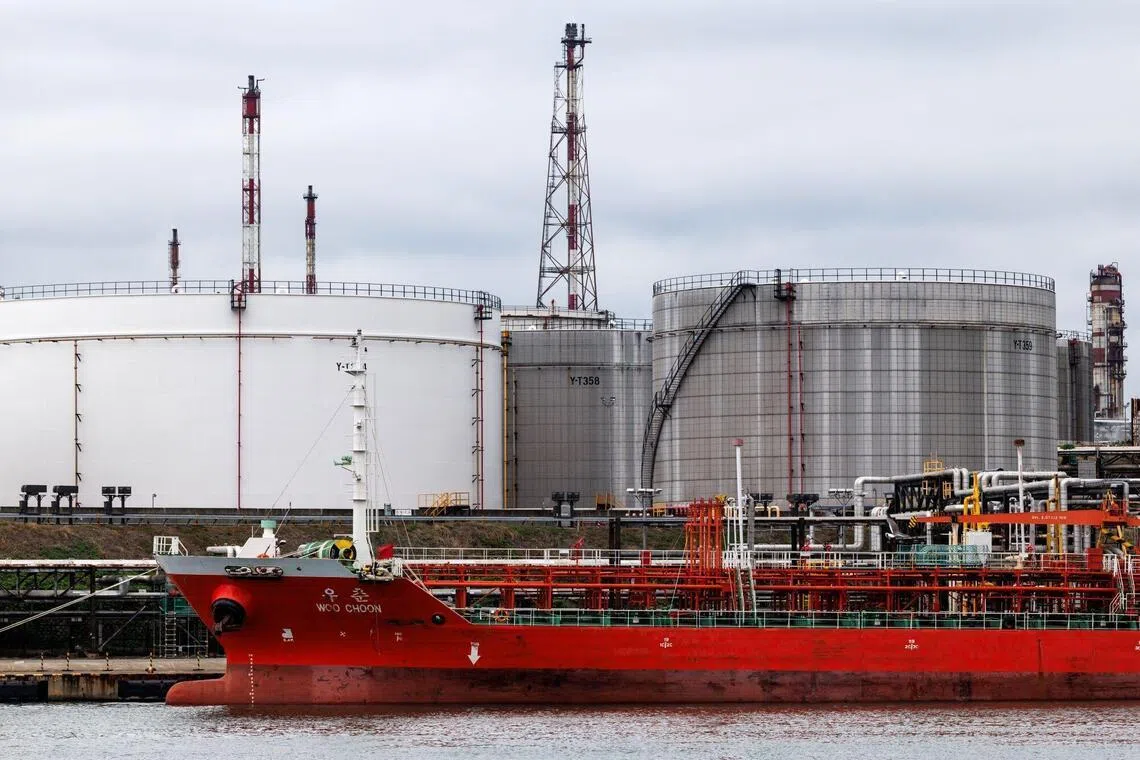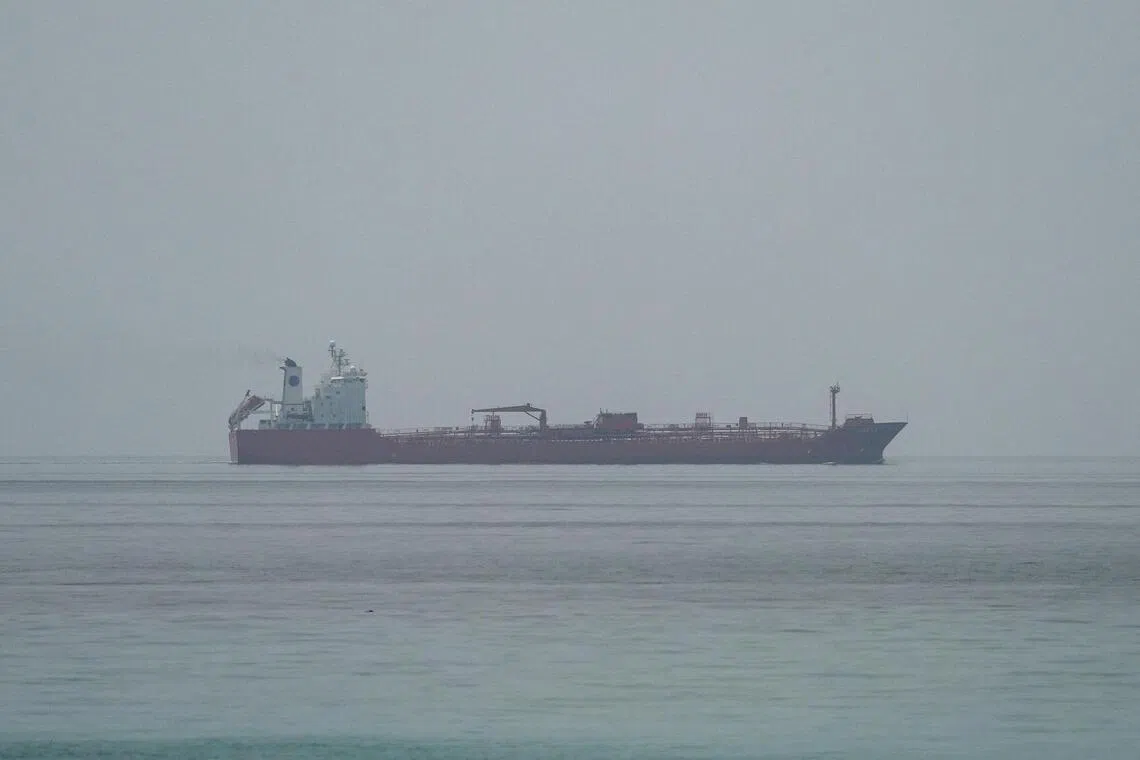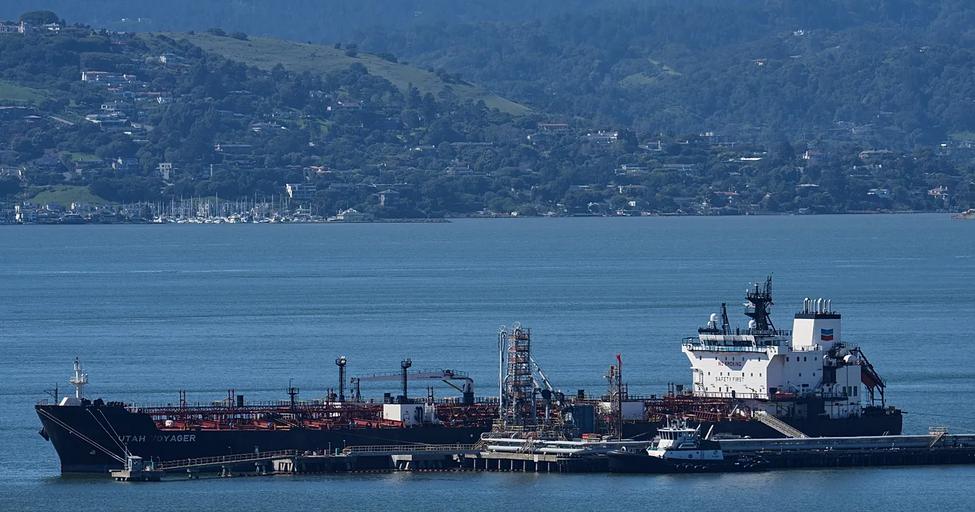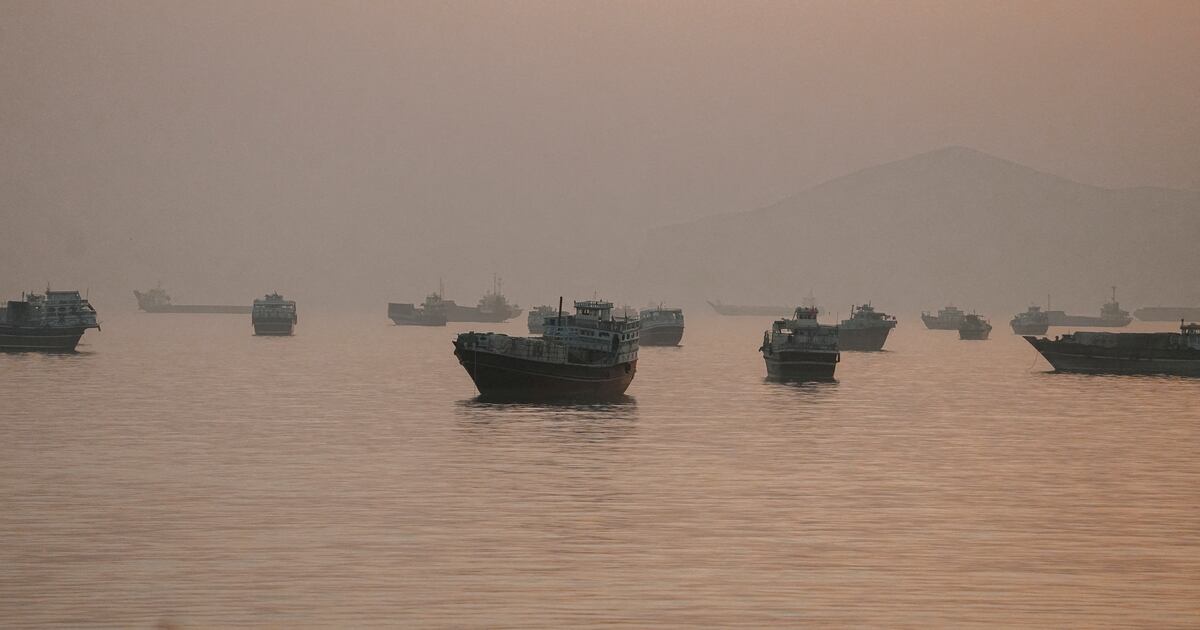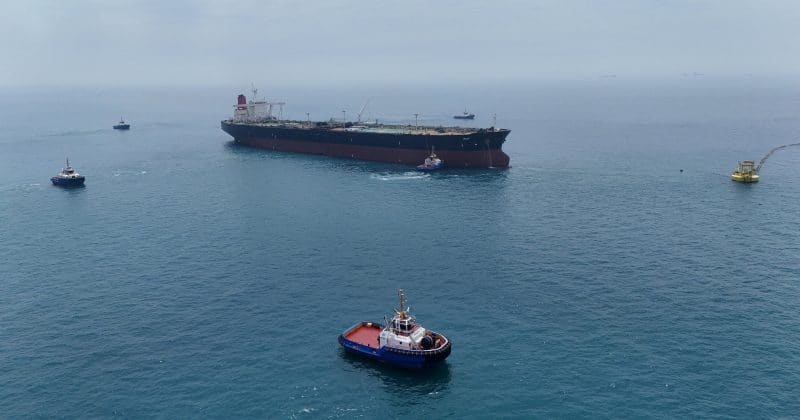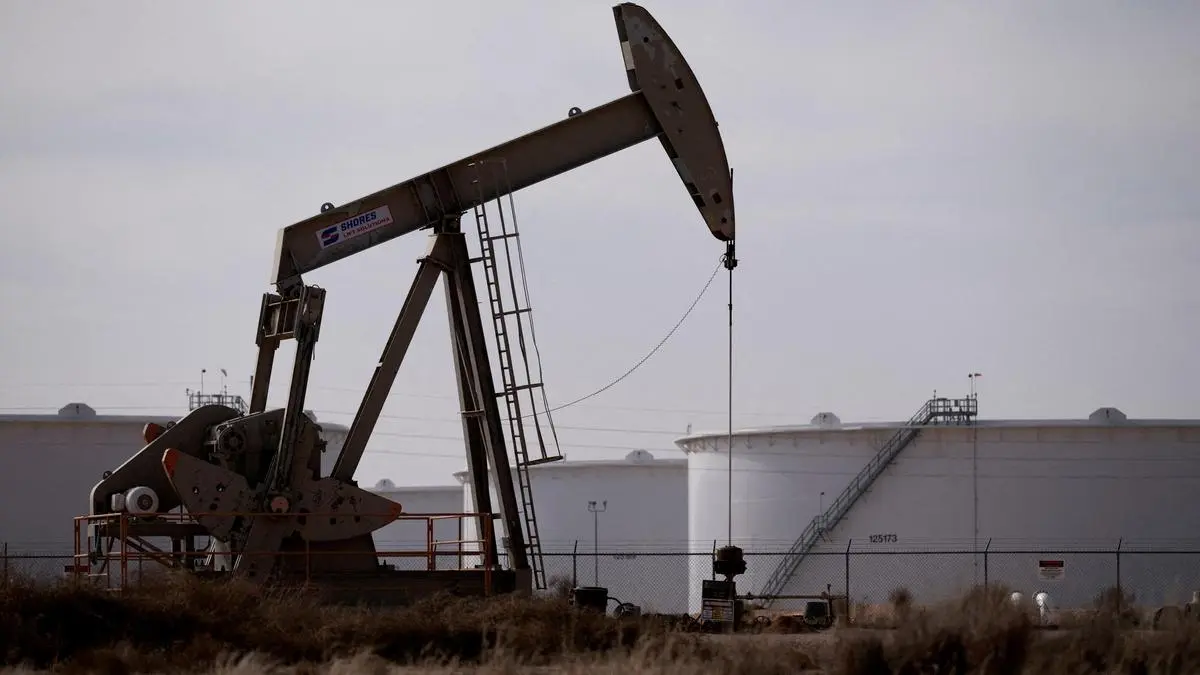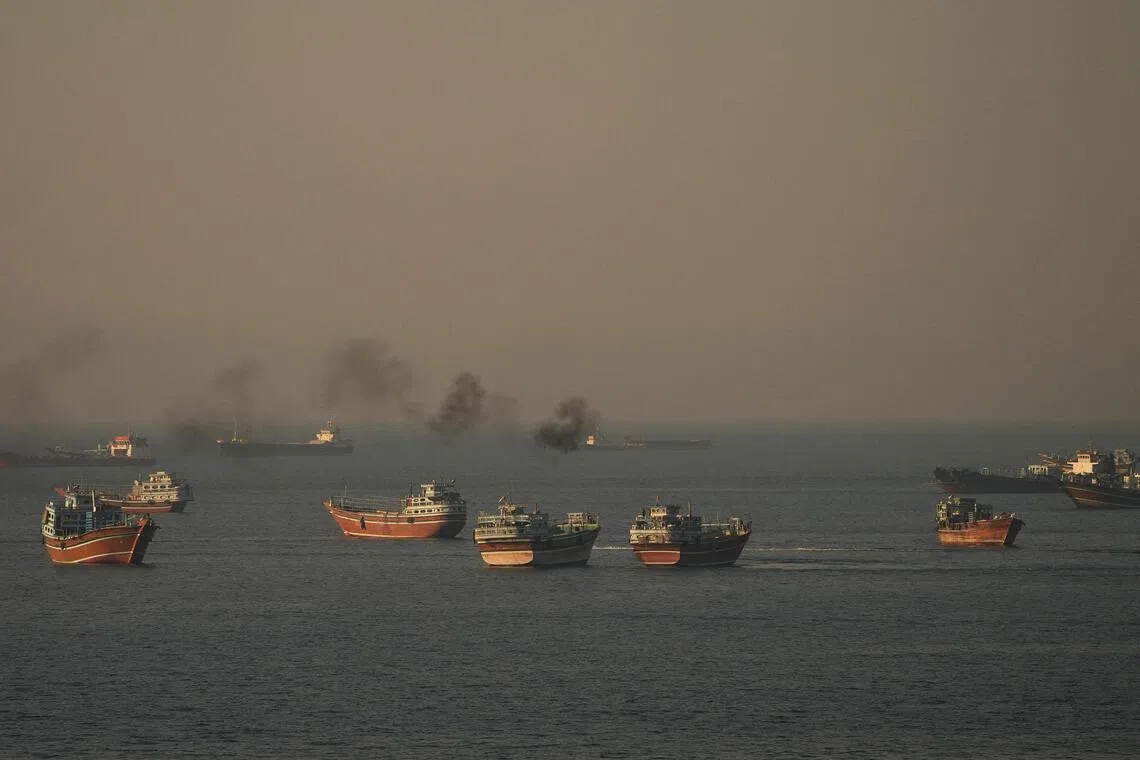
SINGAPORE – Oil climbed as a tanker was reported to have been hit in the Strait of Hormuz, highlighting continued risks to traffic in the waterway.Brent crude rose 1.3 per cent to US$72.94 a barrel as at 3.09pm Singapore time, while US West Texas Intermediate gained 1.2 per cent to US$69.38.A laden liquefied natural gas carrier was hit by a projectile near the Omani coast as it exited the Strait of Hormuz, heightening unease among shipowners and testing a US-Iran agreement intended to halt attacks in the waterway.The Al Rekayyat was struck in the early hours of July 7, according to people familiar with the matter, who asked not to be named due to the sensitivity of the issue. An alert from security consultancy EOS Risk Group confirmed the attack about eight nautical miles (15 kilometers) east of Limah, Oman, and a subsequent fire, classifying it as either a drone or missile strike. The vessel, owned by Qatar’s state-owned shipping company Nakilat, appeared to be traveling without its transponders on, ship-tracking data show. The UK Maritime Trade Operations had earlier issued an alert but did not identify the vessel.Hormuz has been a focal point for all sides since US and Israel began strikes on Iran in late February, as shipowners assess the safety of the crossing in order to dispatch vessels out of the Persian Gulf or into it, to load cargoes from some of the world’s top oil and gas producers.Oil prices had plunged in recent days, erasing its war premium as the prospect of more vessels being able to transit the strait prompted concerns the market will soon be oversupplied.Traffic has improved since an interim peace deal was signed in June, but continues to face challenges and interruptions, as Iran periodically asserts its control of the waterway, blocking transits on routes it has not approved, or attacking vessels. On July 6, a group of Japan-linked ships appeared to have transited the strait by hewing to an Iran-approved route. There is still little clarity, however, over a permanent solution to manage the chokepoint amid talks aimed at achieving a lasting peace.The Iran-approved corridor along the north side of the strait has seen two-thirds of all transits in recent days, according to data from intelligence firm Kpler, with the rest crossing along the US-managed Oman route.Out of the 25 ships that transited Hormuz on July 6 alone, only three did so on the Omani side with their transponders on, the data show - despite an update from regional naval forces reminding shipowners that the US-managed Oman route remained available for use. “The continued use of different shipping lanes suggests that traffic through the strait remains operational, but is fragmented as shipowners adopt different routing strategies based on their individual risk assessments,” said Muyu Xu, senior crude oil analyst at Kpler.An attack on a Qatari tanker is also a direct threat to the country’s plans to revive shipments from the world’s largest LNG facility. Al Rekayyat had picked up an LNG shipment from Qatar’s Ras Laffan earlier in July, the people familiar with the matter said.The attack came as President Donald Trump headed to a NATO leaders’ summit in Ankara, Turkey. The US war with Iran is expected to be a major topic of discussion, with Trump having expressed anger at several members of the North Atlantic Treaty Organization for not doing more to help the US against the Islamic Republic. BLOOMBERG
Oil prices jump after strike on Qatari LNG ship in Strait of Hormuz
Brent crude rose 1.3 per cent to US$72.94 a barrel as at 3.09pm Singapore time. Read more at straitstimes.com. Read more at straitstimes.com.
571 words~3 min read