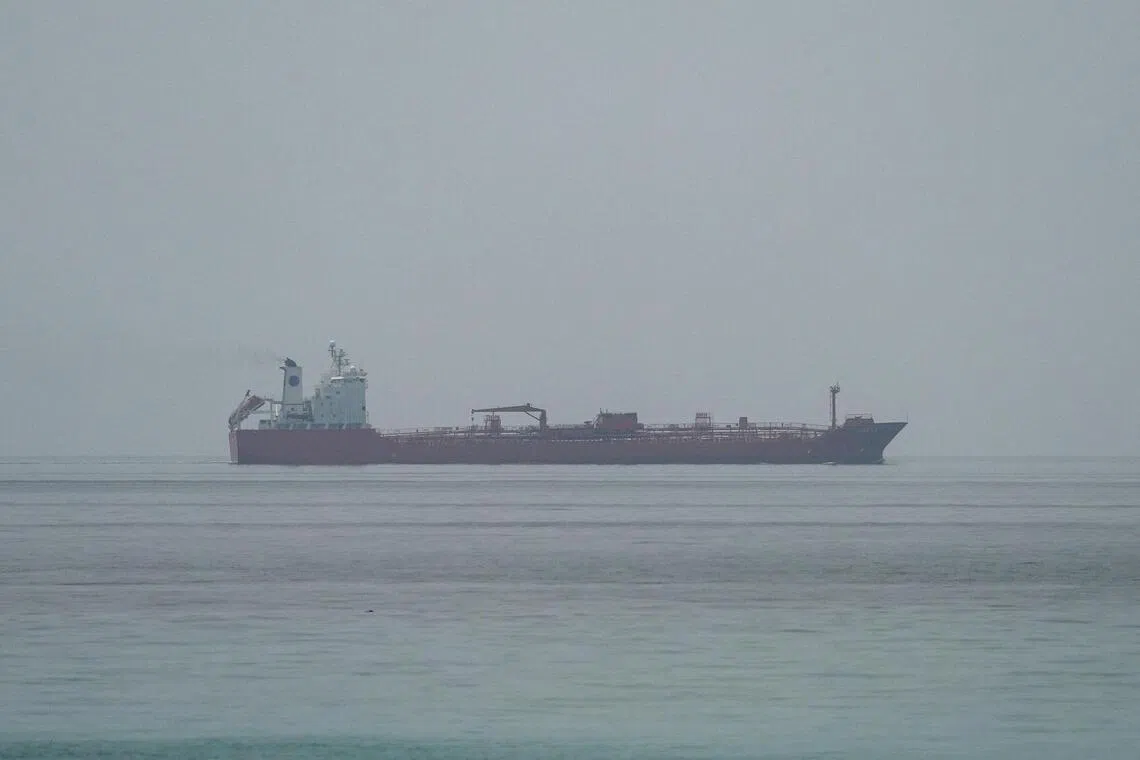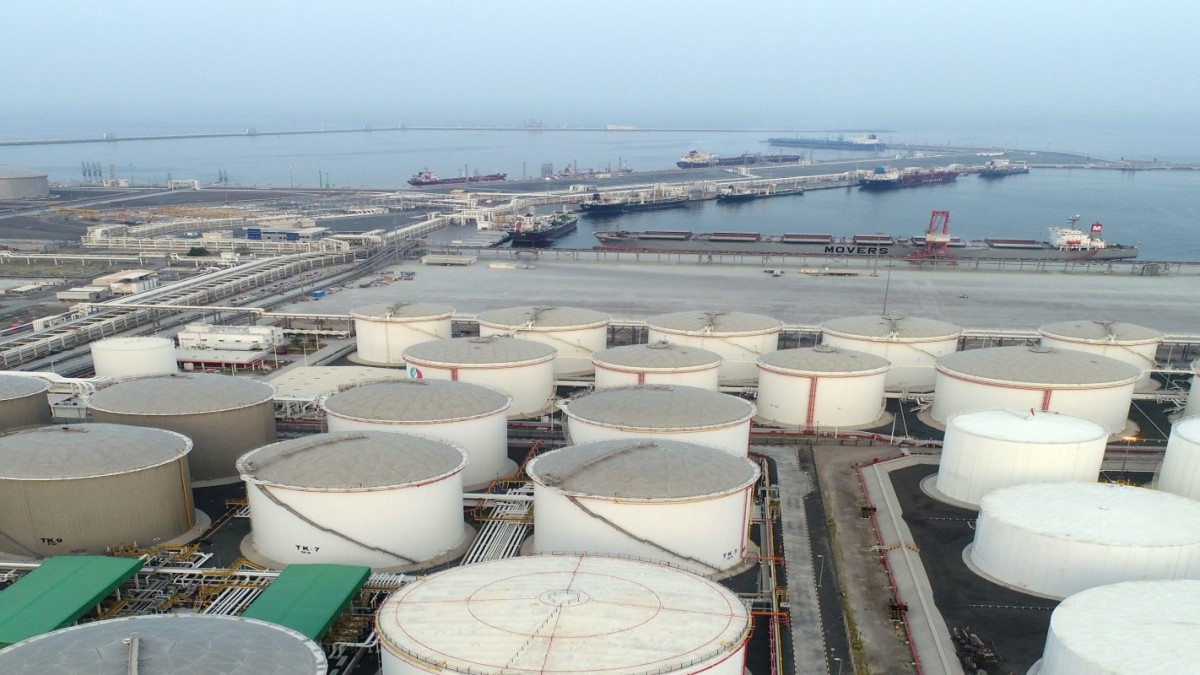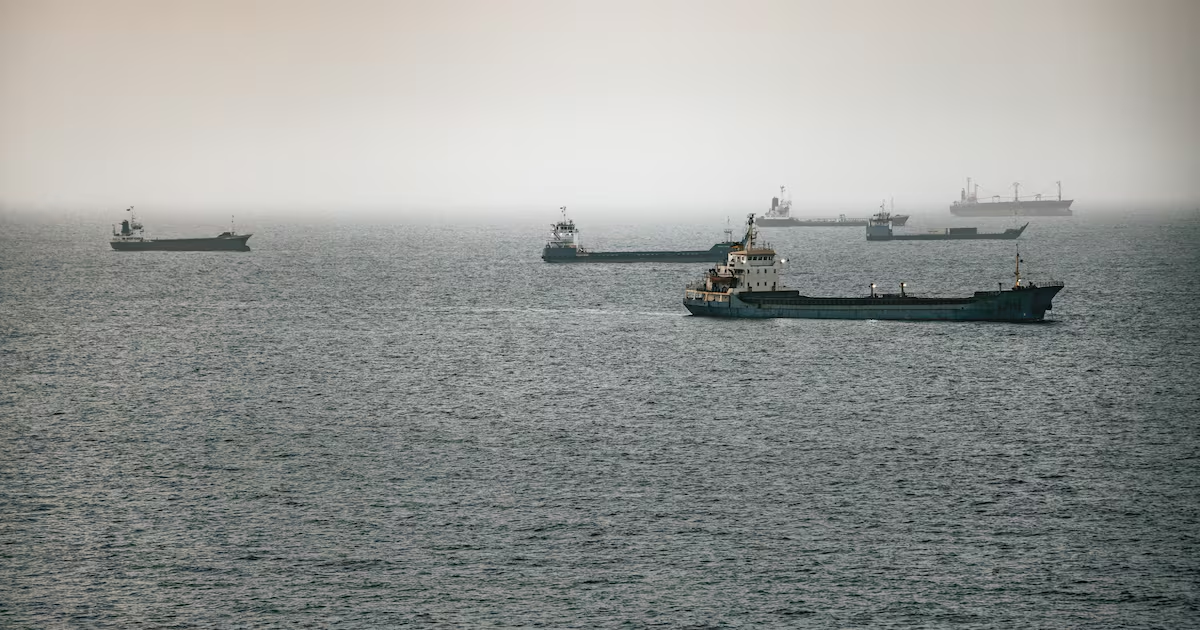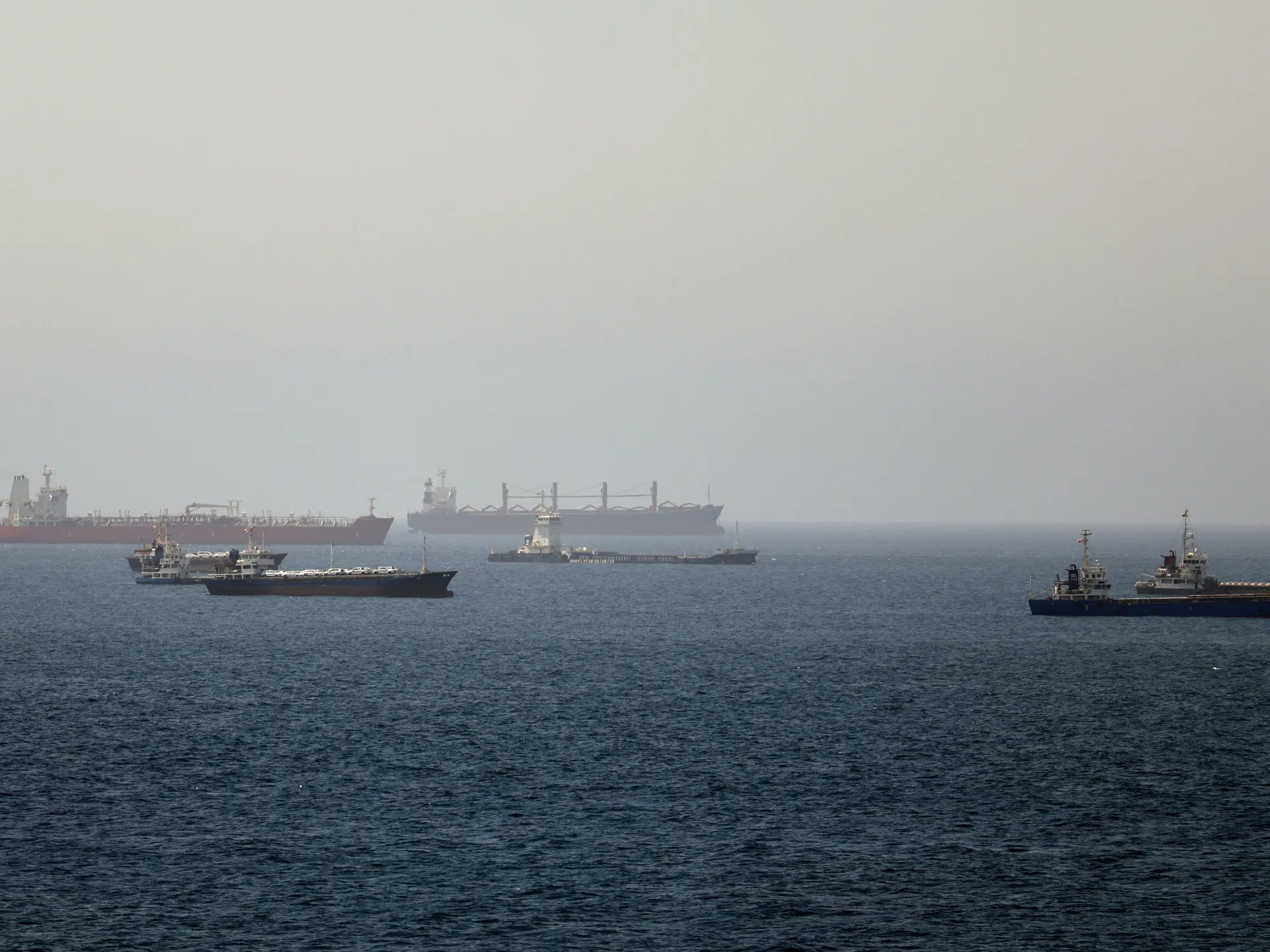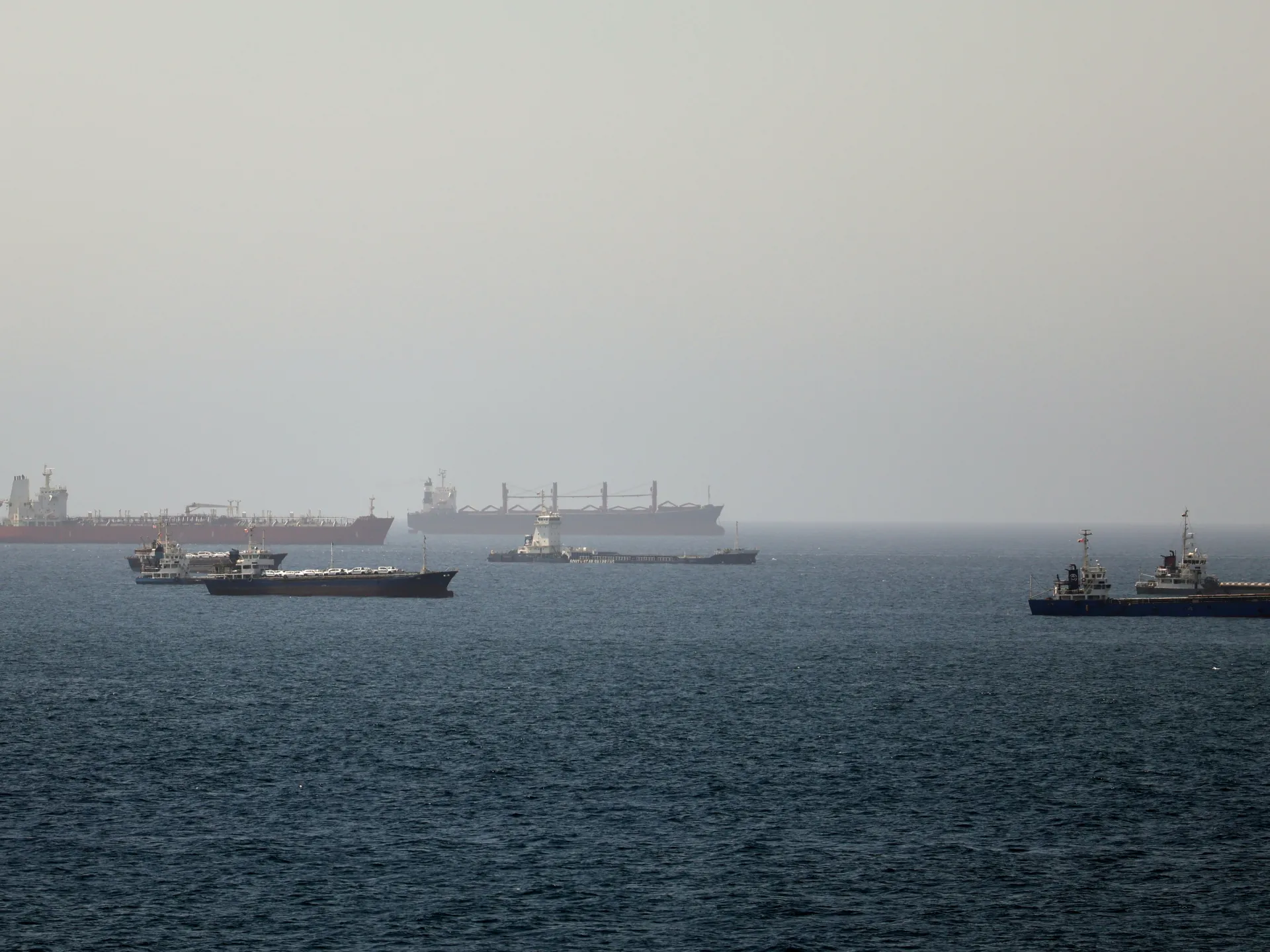
Brent crude rises after cargo ship comes under attack in key waterway.Oil prices have eased after jumping earlier amid renewed violence in the Strait of Hormuz.Brent crude, the international benchmark, fell 1.80 percent on Friday, after rising as much as 4 percent following the International Maritime Organization’s decision to pause its planned evacuation of ships stranded around the critical waterway.Recommended Stories list of 4 itemslist 1 of 4Who will control Africa’s AI infrastructure and at what costlist 2 of 4Shia pilgrims gather in Iraq’s holy city of Karbala to mark Ashuralist 3 of 4France seizes fifth Russian ‘shadow fleet’ tanker linked to Ukraine warlist 4 of 4Japan draw 1-1 with Sweden at World Cup to finish second in Group Fend of listThe IMO suspended its evacuation plan after a cargo vessel reported being struck by an “unknown projectile” while attempting to cross the strait near the Omani coast.Brent futures for August delivery stood at $74.11 per barrel as of 05:00 GMT, after topping $76 on Thursday.After dropping sharply following the United States and Iran’s signing of a memorandum of understanding on ending the war last week, the price of Brent is currently hovering about 2 percent above its pre-war level.Asian markets suffered steep losses on Friday, with key indices in Japan, South Korea, Hong Kong and Taiwan falling sharply.Seoul’s Kospi, the best-performing major index this year, was down 8 percent as of 05:00 GMT, while Tokyo’s Nikkei 225 was about 4.6 percent lower.The Taiex in Taipei was down more than 3 percent, while the Hang Seng Index in Hong Kong was 1.9 percent in the red.Thursday’s attack in the strait, through which about one-fifth of global oil and liquified natural gas supplies transit in peacetime, dented hopes for a return to normal shipping in the Gulf after a resurgence in traffic in recent days.On Wednesday, 70 vessels transited the waterway, a more than twofold increase from the previous day and the highest daily figure since March 1, according to ship tracking platforms MarineTraffic and Kpler.US officials have attributed the attack to Iran, according to reports by multiple media outlets, including The New York Times, CBS News and the Reuters news agency.Iran’s Persian Gulf Strait Authority, which claims the right to regulate shipping in the strait, said after the attack that any vessel attempting to use routes outside its designated “framework” would not be guaranteed safe passage.“The consequences arising from passage through unauthorized routes shall be the responsibility of the owner, operator, and vessel commander,” the authority said on X.June Goh, a senior oil market analyst at Sparta in Singapore, said the attack was a reminder to markets of the fragility of peace in the strait amid the tenuous US-Iran ceasefire.“There is a pressing need for tankers to enter and offload the high crude stocks from onshore tanks in order for normal production to resume again,” Goh told Al Jazeera.“Thus, security of the passageway is paramount to recover the lost supply.”
Oil prices ease after spiking over halt to Strait of Hormuz evacuation plan
Brent crude subsides after attack in waterway prompted jump in prices.
490 words~2 min read