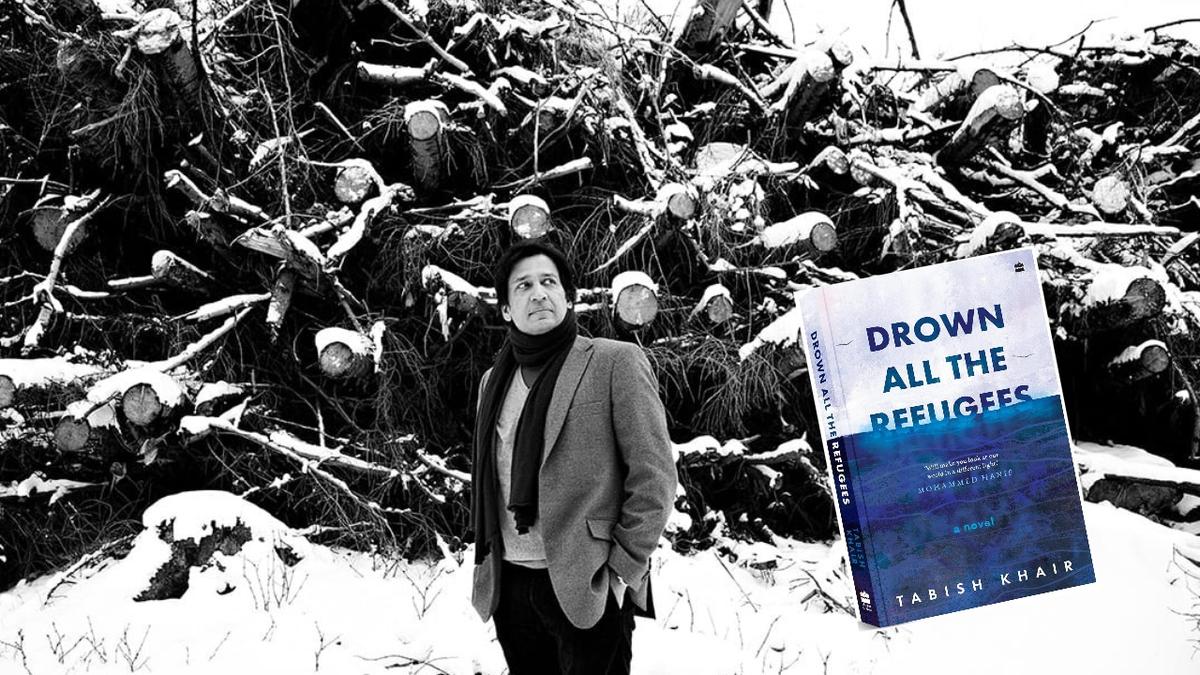
Tabish Khair’s preoccupation with the state of the world takes the form of an encounter with the occult in his new novel.
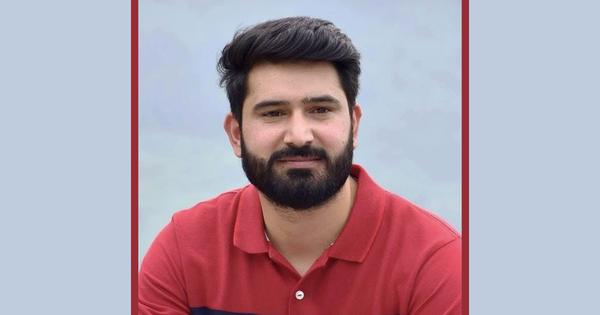
How do people navigate a splintering of the self? This question is central to the plot of author and academic Tabish Khair’s new novel, Drown All the Refugees (HarperCollins).While Khair’s oeuvre often centres on global or transnational events, his fiction is often set in smaller towns. If Jihadi Jane (2016) and How to Fight Islamic Terror from the Missionary Position (2012) concerned themselves with the fused experiences of racism, indoctrination and Islamophobia in the Global West, Namaste Trump (2023) and Night of Happiness (2018) brought the conversation closer home to India. As with Night of Happiness, in his latest novel too, Khair’s preoccupation with the unspeakable horrors unfolding around us takes the form of an encounter with the occult. This is, perhaps, inevitable as a rational mind searches for words to respond to suffering that feels, at first, to be beyond words. Edited excerpts from a conversation with the author:The title, Drown All the Refugees, is an obvious provocation, and the book itself is an answer to the provocation. What are your thoughts about the necessity for provocation in literature?