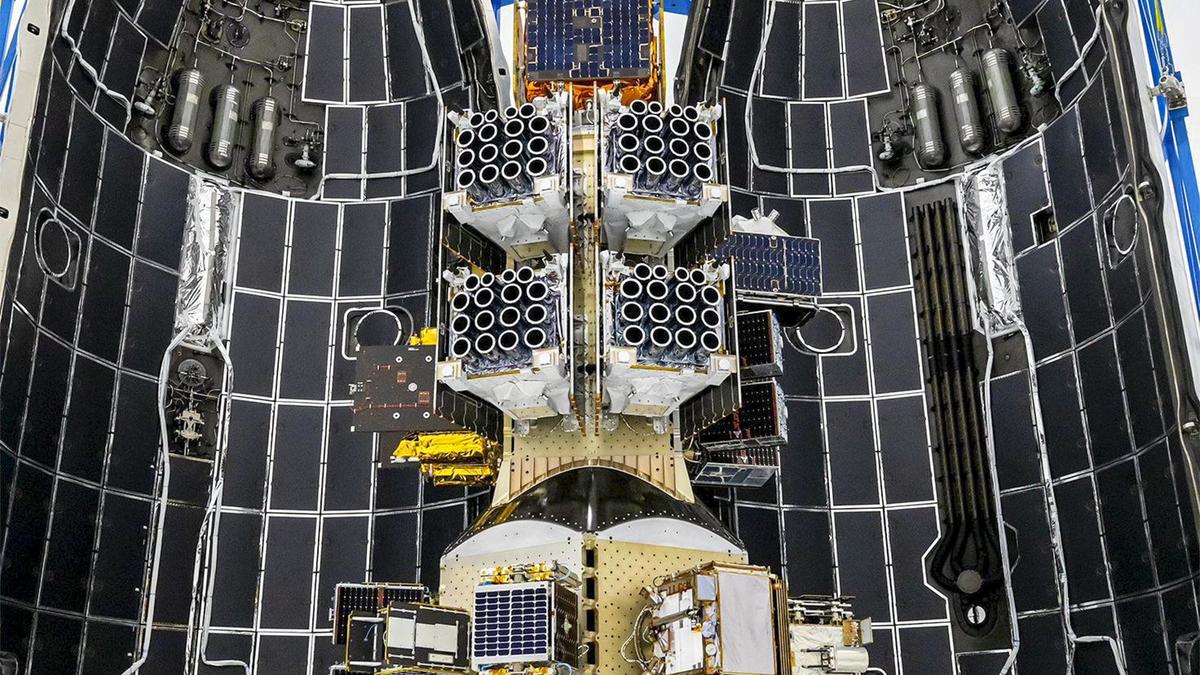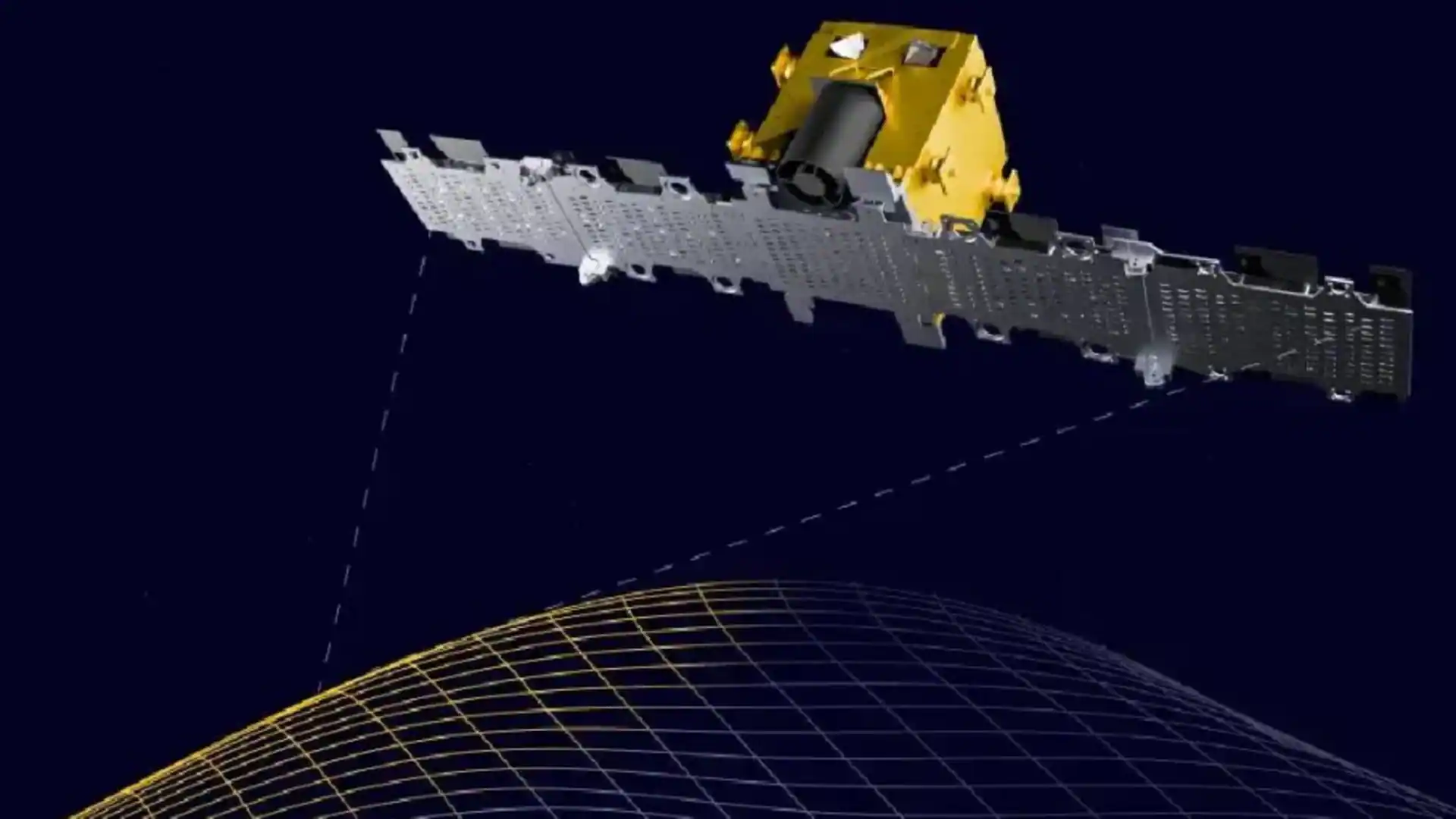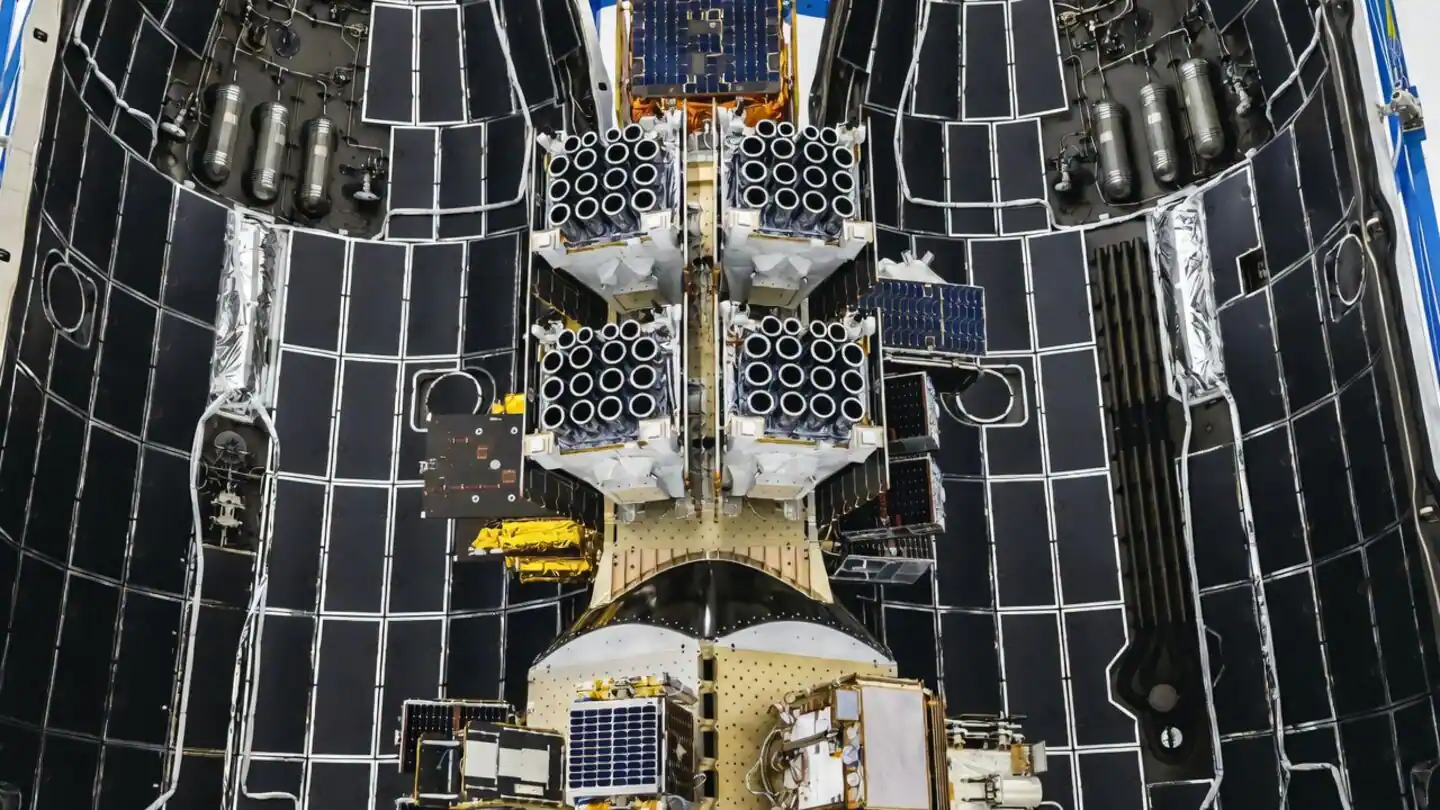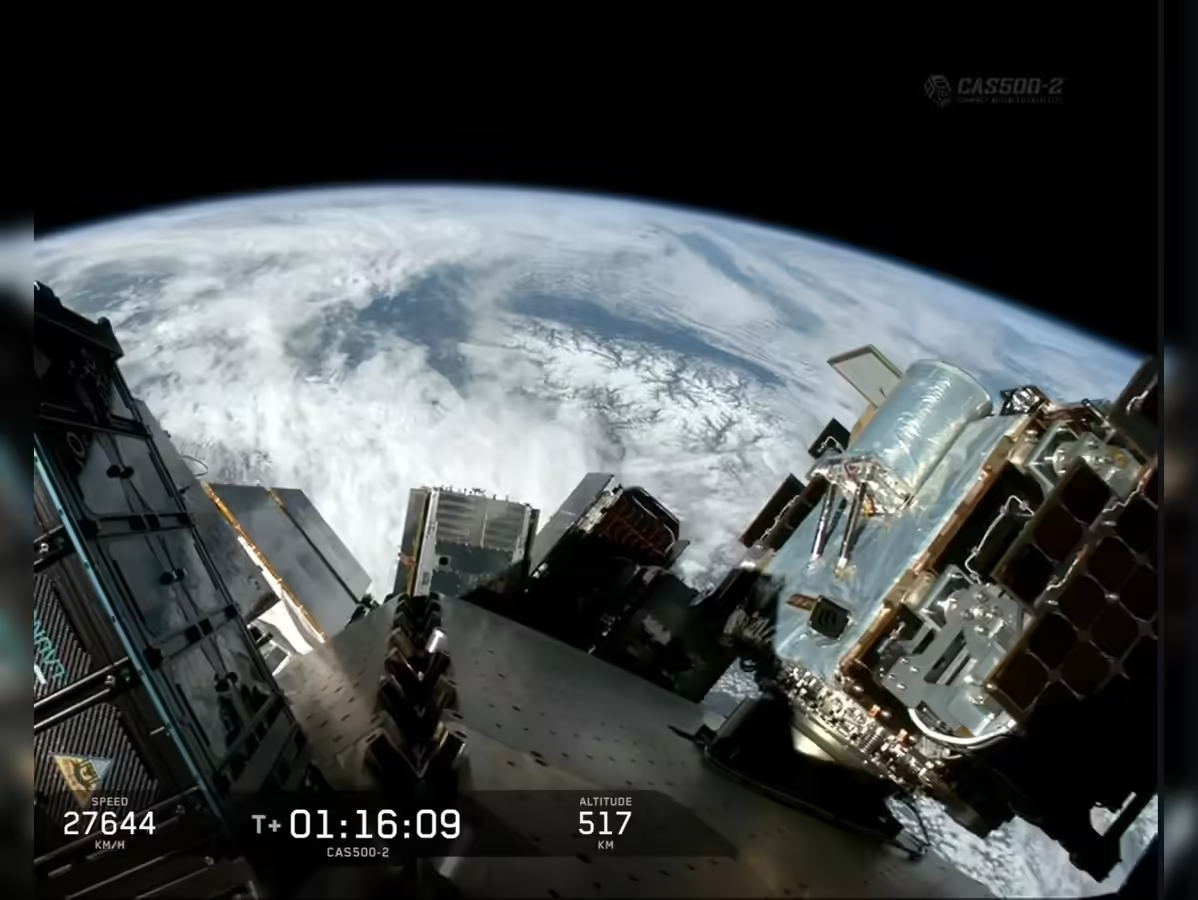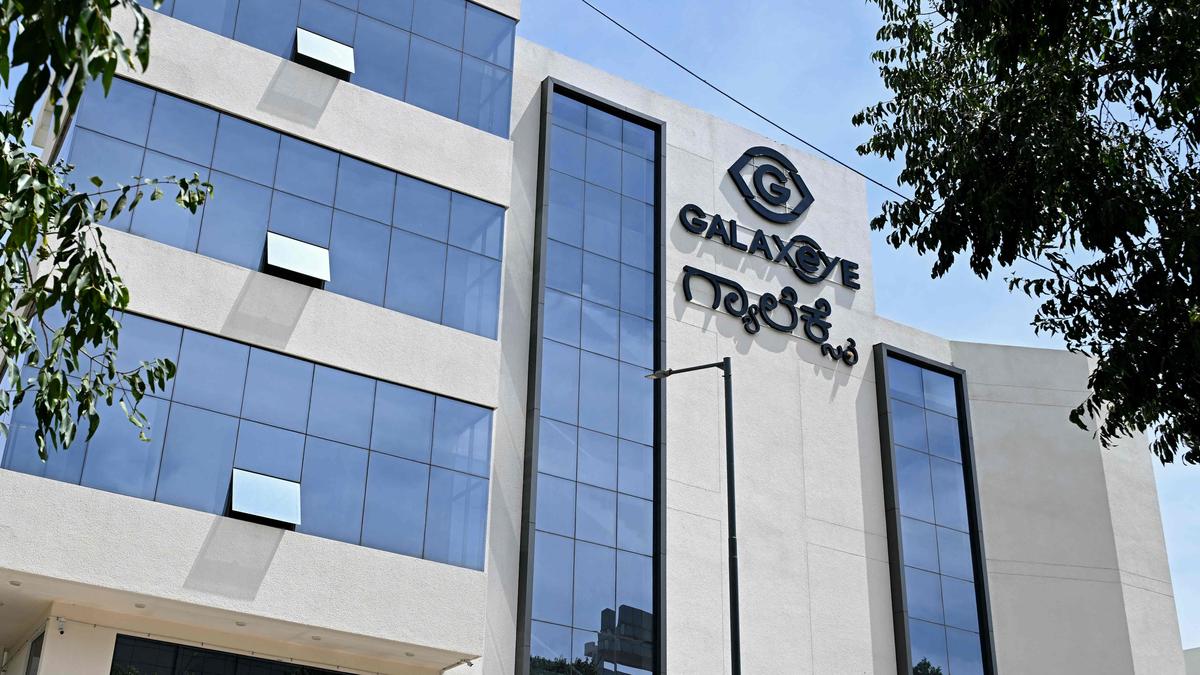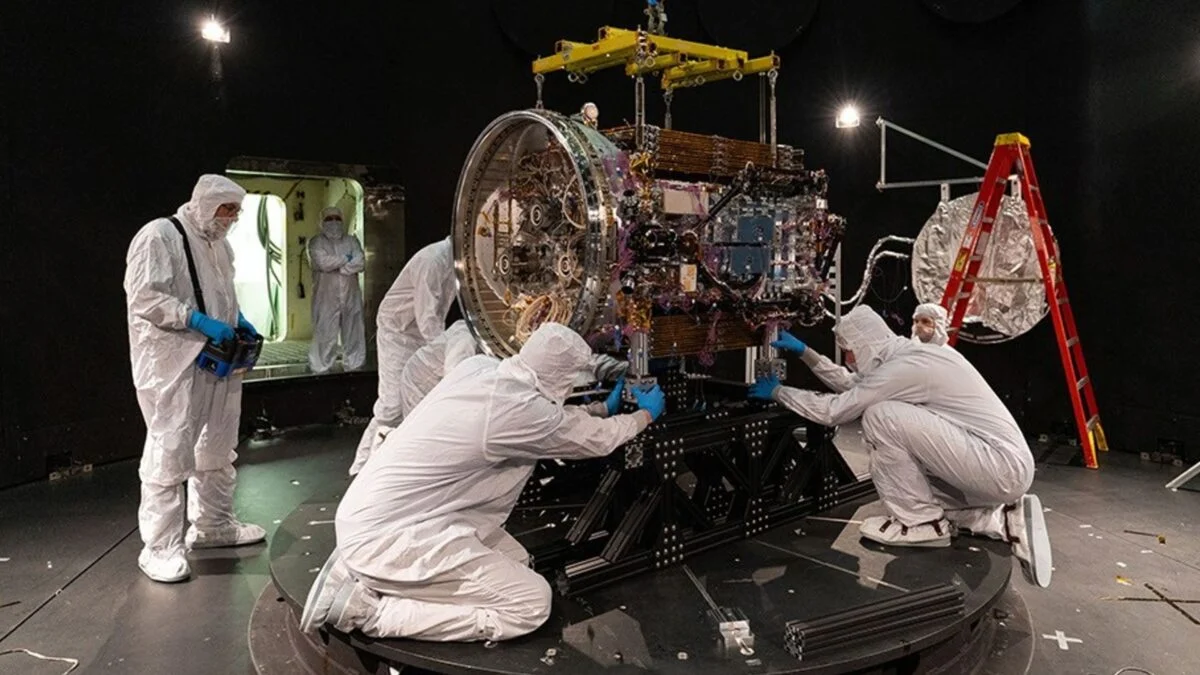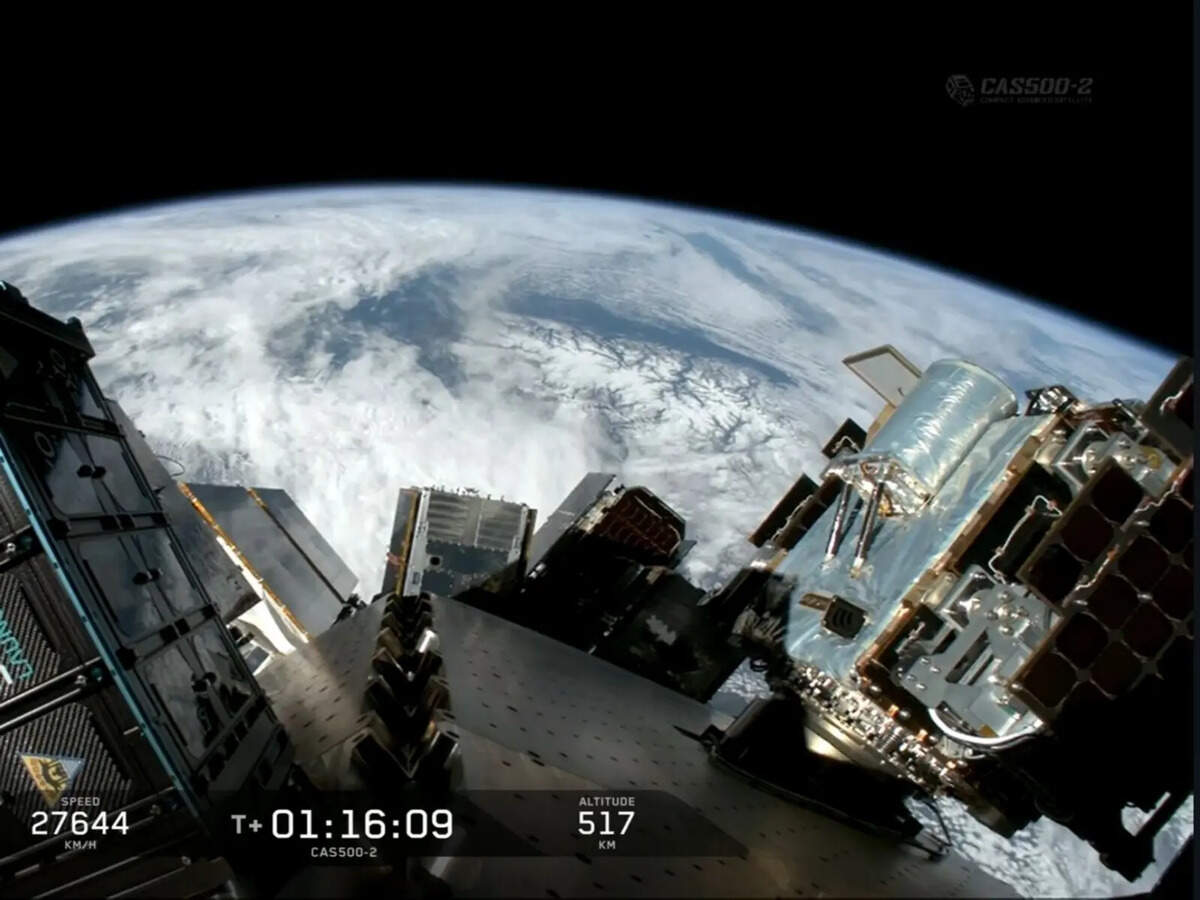
More than two months after Bengaluru-based spacetech startup GalaxEye launched Mission Drishti, the world's first OptoSAR satellite, aboard a SpaceX mission, communication with the spacecraft has been lost. While recovery efforts are ongoing, the likelihood of recovery currently appears low, Galaxeye revealed on Tuesday.Drishti combined both Synthetic Aperture Radar (SAR) and Multispectral Imaging (optical sensors) on a single platform for all-weather, day-and-night imaging for the first time. Mission Drishti addressed a long-standing limitation in earth observation – data gaps caused by cloud cover or poor lighting – by enabling seamless imaging regardless of the weather or time of day. This capability improved reliability and frequency of satellite-based intelligence for applications ranging from defence and disaster management to agriculture and infrastructure planning.The spacecraft encountered an anomaly following a geomagnetic solar storm in the final stage of the Launch and Early Orbit Phase (LEOP), the company said.Initial root cause analysis indicates that radiation effects associated with the event likely impacted a critical onboard system, GalaxEye added. It aims to launch two new OptoSAR satellites within the next 24 months.Launched on May 3, the 190 kg Earth observation satellite sat at an altitude ranging from roughly 160 km to 2,000 km. It was deployed into this orbit aboard a SpaceX Falcon 9 rocket from Vandenberg Space Force Base in California.The satellite completed a major portion of its planned LEOP, the company said. The mission validated key spacecraft systems, executed critical deployment and altitude control activities, operated onboard computing and communications systems, and demonstrated GalaxEye's in-house mission operations capability, the company added.During its active operating phase over a few weeks, Drishti also validated operational processes and infrastructure required to design, build, launch, and operate advanced space systems, GalaxEye added."While the satellite experienced an anomaly following an extreme space weather event, the mission has provided invaluable engineering insights that will directly strengthen our future missions," Suyash Singh, chief executive, GalaxEye, said.“Learning from the mission, we are bringing a significant portion of our supply chain, manufacturing, and satellite development processes in-house, giving us visibility and control over the entire value chain,” Singh said.GalaxEye designs and manufactures advanced Earth observation systems. It was founded in 2021 by five alumni of IIT Madras, including Singh, Denil Chawda (CTO), and Kishan Thakkar (VP, Engineering). It has received a total investment of $20 million and is supported by Speciale Invest, Mela Ventures, Infosys, Ideaforge, and Rainmatter (by Zerodha), among others.
Contact with Mission Drishti OptoSAR satellite lost, recovery likelihood low: GalaxEye - The Economic Times
Bengaluru's GalaxEye has lost contact with its Drishti satellite launched in May. The world's first OptoSAR satellite experienced an anomaly after a geomagnetic solar storm. Communication loss occurred during the final stage of its early orbit phase. Recovery efforts are ongoing, but the company said that success appears unlikely at this time.
400 words~2 min read