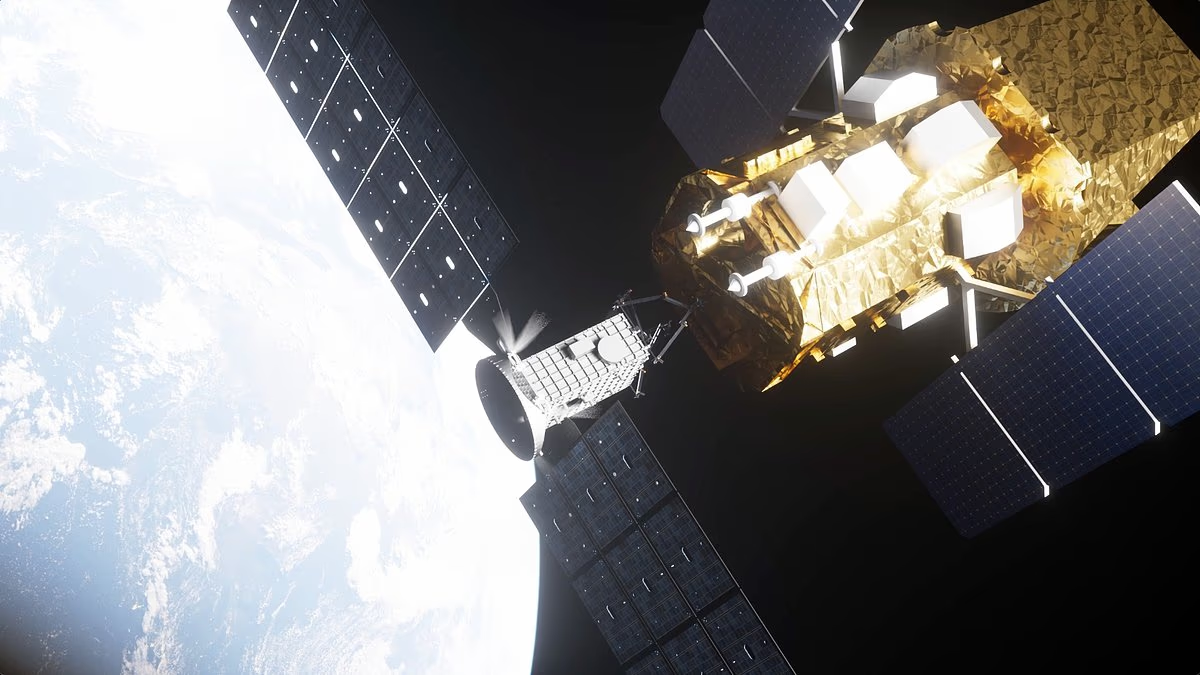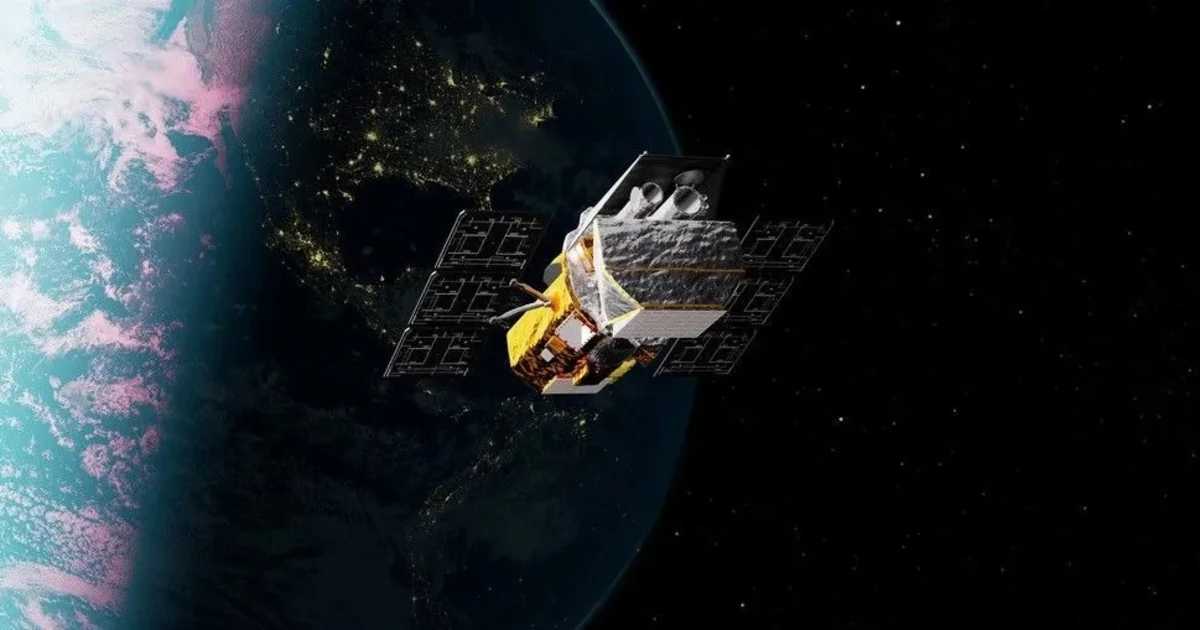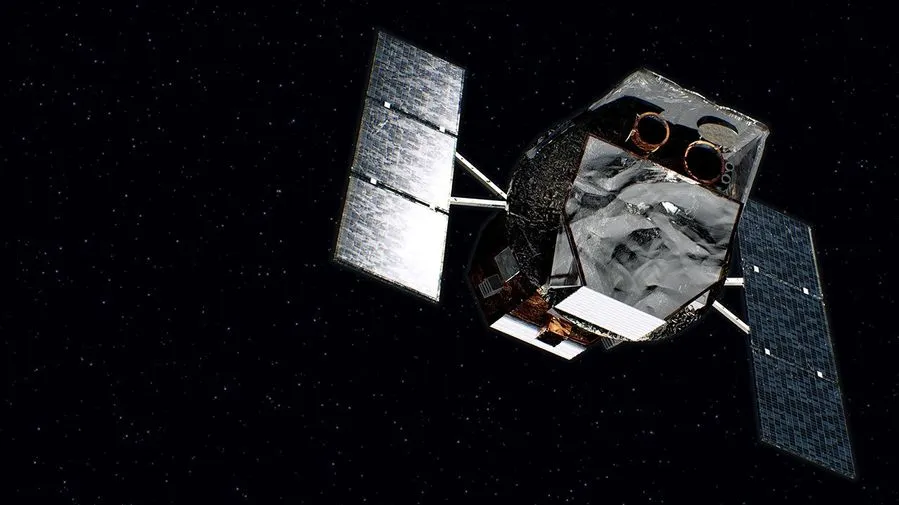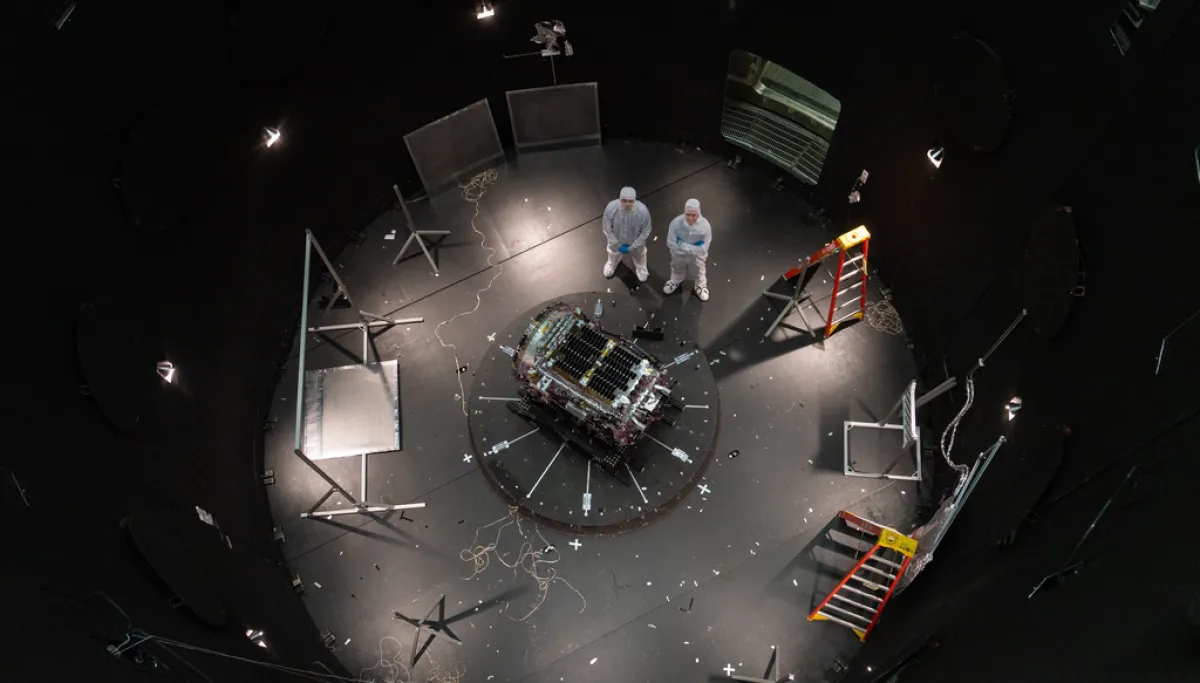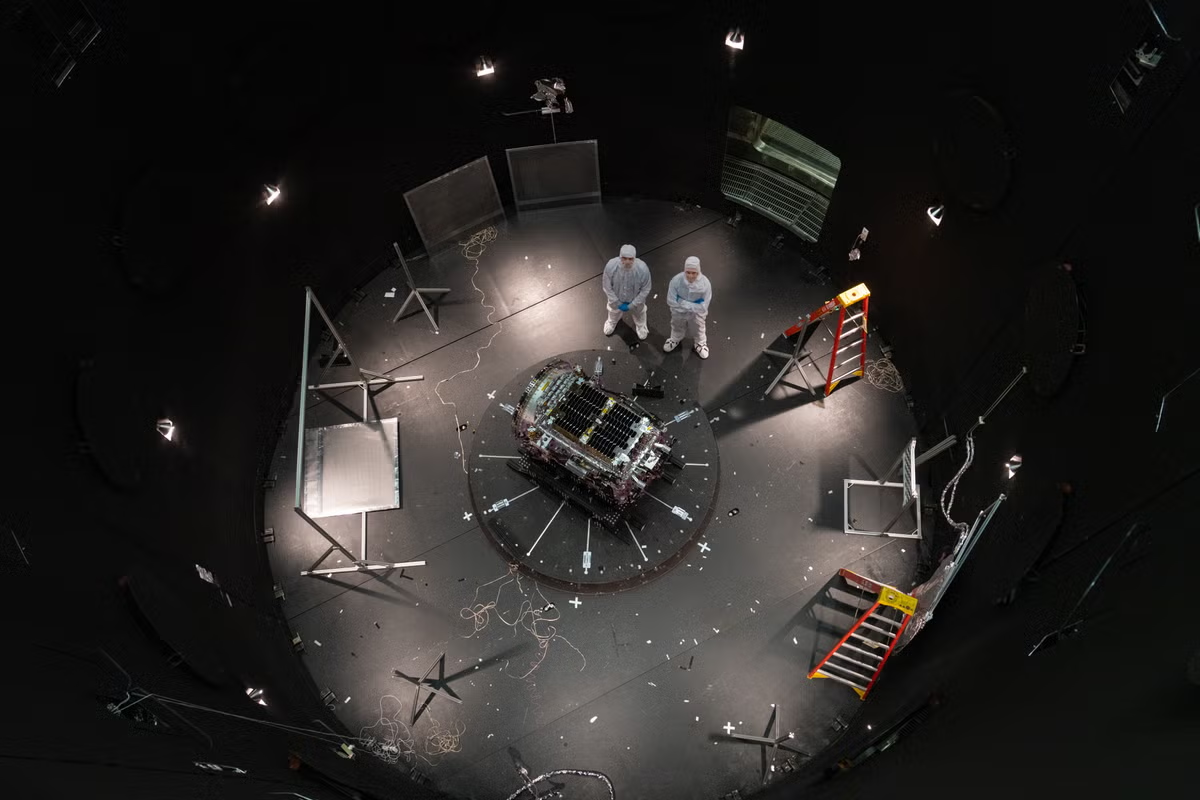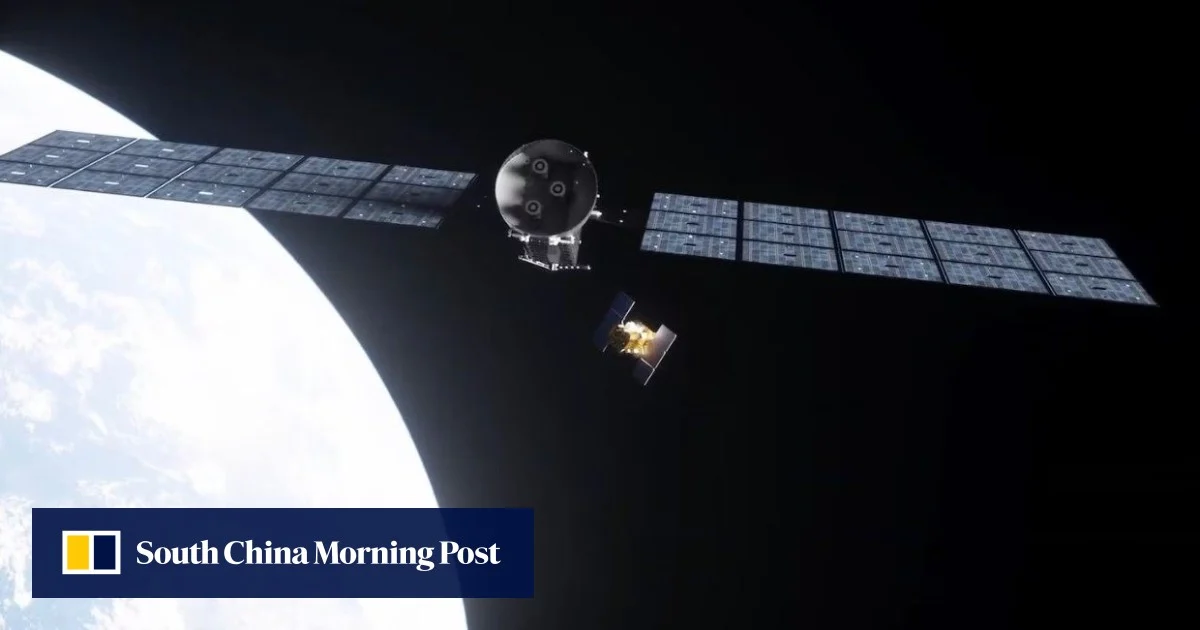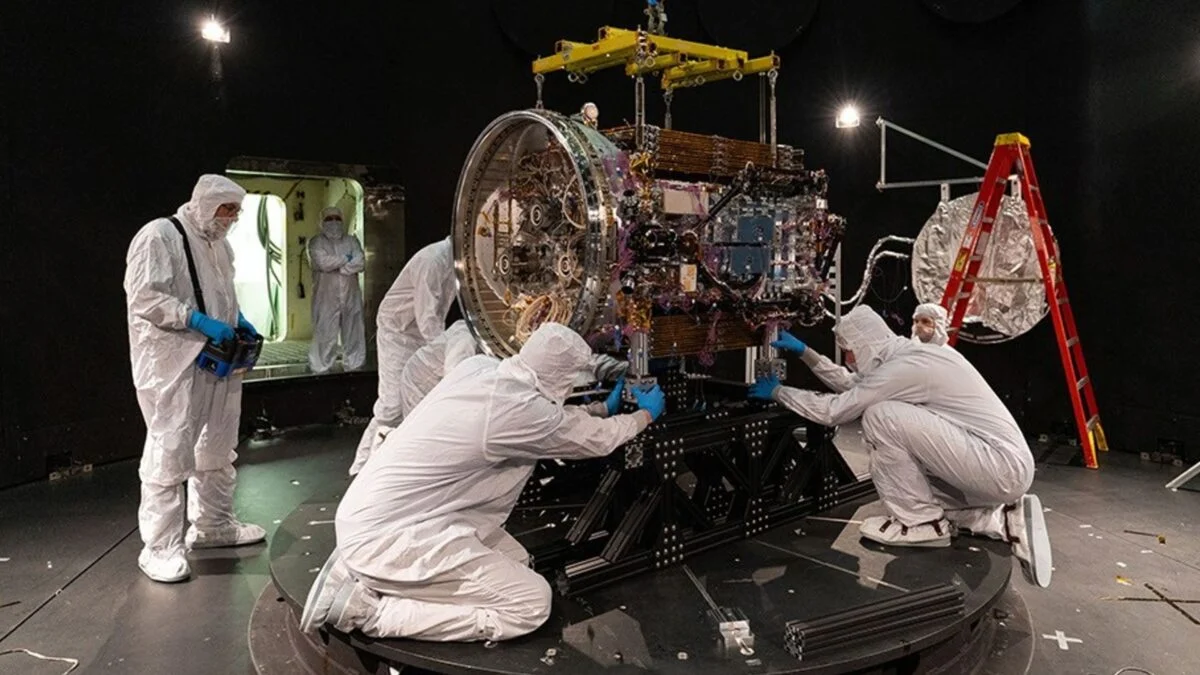
NASA suspended all scientific activity onboard its Neil Gehrels Swift Observatory this past February, in the hopes of reducing drag and buying time before the space telescope’s orbital decay drags it down into a fiery death by friction through Earth’s atmosphere. In the months since, the U.S. space agency has raced to put together a “reboost” mission that will reposition the device into a higher, safer orbit. This unusual operation—reportedly the first satellite servicing of its kind—plans to deploy a $30 million orbital craft with three robotic arms called LINK, developed by private aerospace firm Katalyst Space, to “slowly raise Swift’s altitude over several months,” as NASA put it in a press statement. But, as of this morning, NASA’s mission to save Swift has been postponed three times in less than a week, due to inhospitable weather conditions Tuesday and Wednesday, and now a “launch vehicle issue” on Thursday, temporarily grounding Katalyst’s rescue robot. “The date of the next launch attempt for this mission […] will be determined after teams have reviewed data from today’s attempt,” NASA public affairs specialist Alise Fisher wrote in an update.
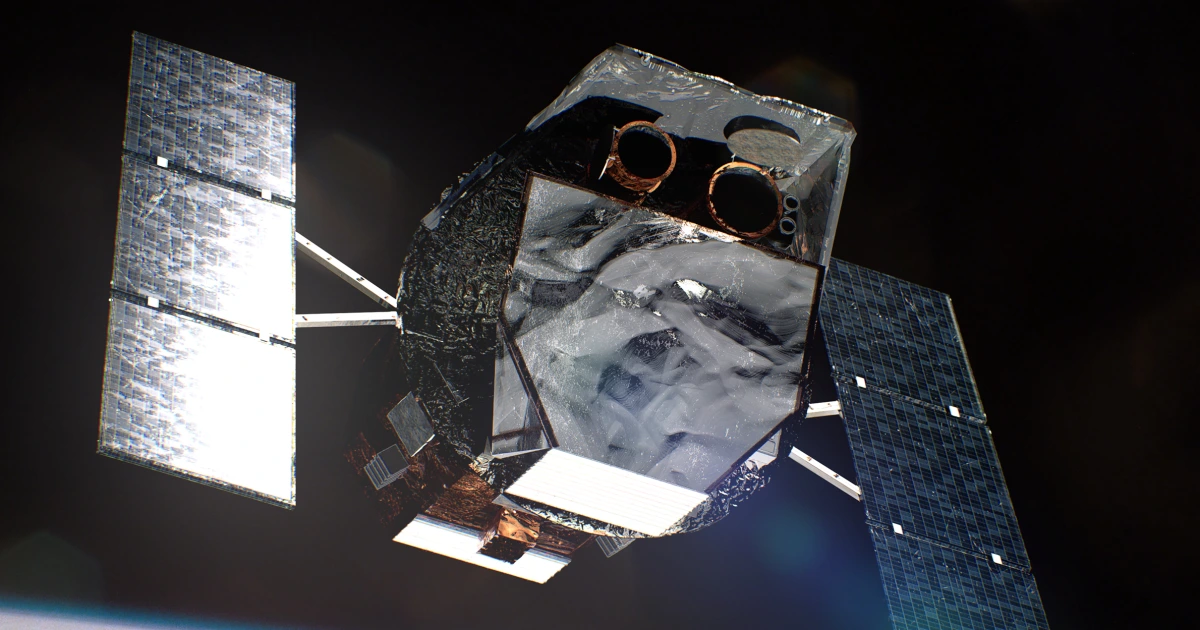
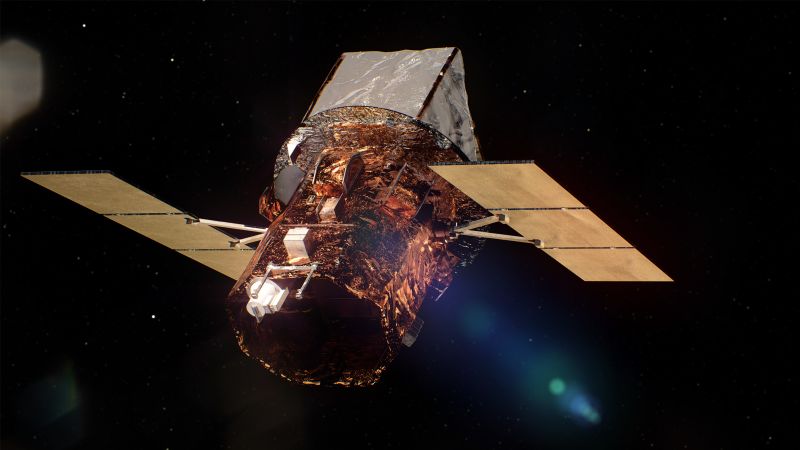
Reboost, reuse, recycle Over the course of Swift’s roughly 21 years in orbit, the space satellite has already exceeded its original purpose: recording gamma-ray bursts, meaning the electromagnetic evidence of distant, dense stars as they collapse into the creation of newborn black holes. The telescope, which cost $250 million to make in 2004 (or about $452 million in today’s dollars), has since shown utility spotting X-ray flares, mapping galaxies, tracking an asteroid whizzing past Earth, and even documenting a black hole leeching material off its nearby star, among other lateral use cases.