By Dr. Kris Naudts, Zeynep Koruturk and Donald Harmitt @ Firgun Ventures.
Firgun Ventures is a VC firm investing in Series A/B quantum scale-ups globally.
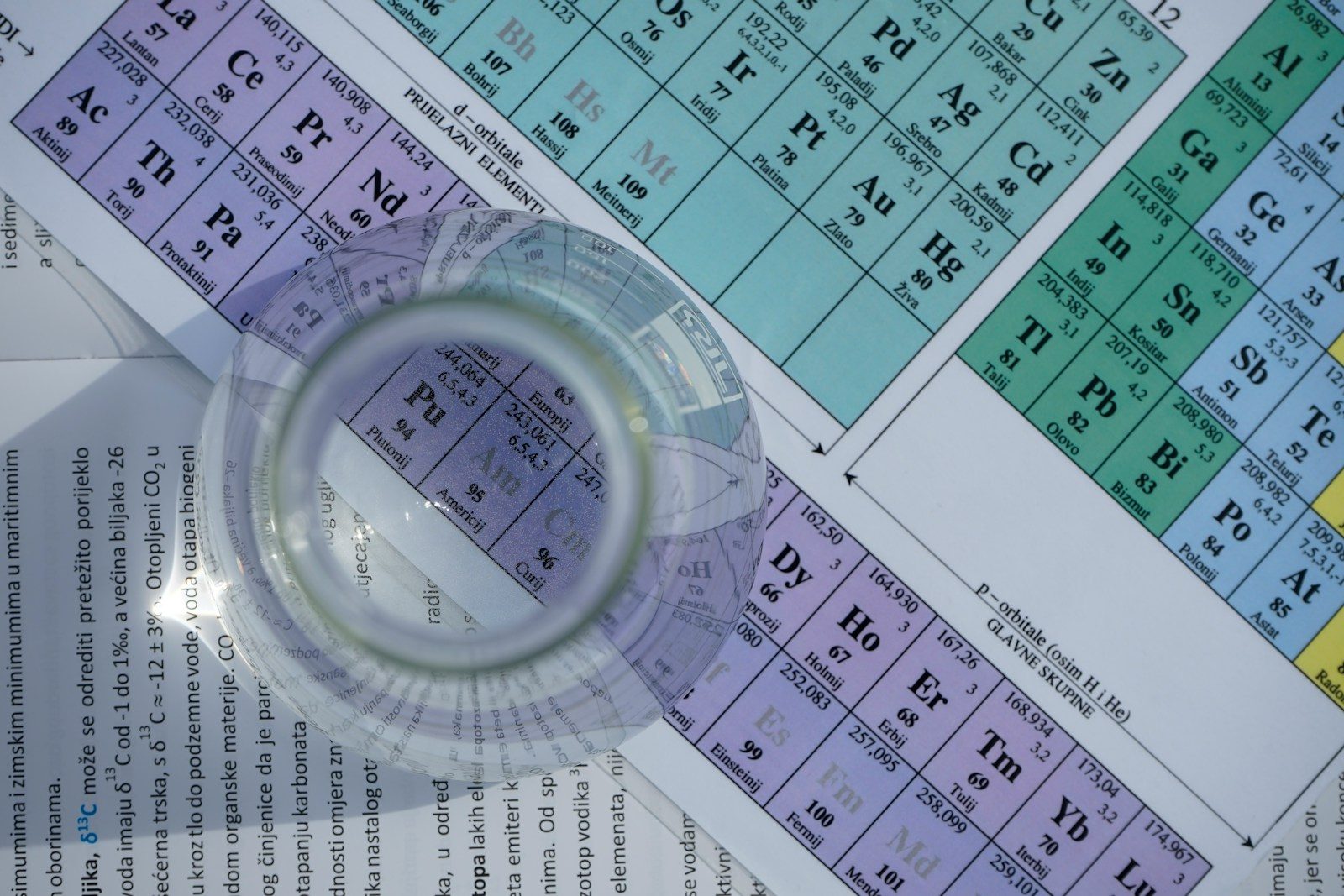
Among the futures promised for quantum computing, chemistry has the strongest claim to arriving first, and being the most direct line to human health. Bringing a new drug to market still takes well over a decade and consumes billions of dollars, much of it spent discovering, late and expensively, that a candidate molecule does not behave as hoped. The appeal of simulating that behaviour accurately before anything is synthesised is obvious, and it is why McKinsey estimates quantum computing could unlock $400 billion across life sciences by 2035, with a comparable range in chemicals. That sits within a far larger prize: its 2026 Quantum Technology Monitor puts the total potential economic value of quantum computing at up to $2.7 trillion globally by the same year, with the earliest gains accruing to energy, materials, pharmaceuticals and chemicals.
The deeper reason chemistry sits at the front of the queue is physical rather than commercial. Molecules are themselves quantum systems, governed by the same quantum mechanics, superposition and entanglement, a quantum computer is built to manipulate. Hence, a machine whose native language is quantum mechanics is, in principle, well suited to modelling matter that obeys it. The intuition is old and dates back to 1981 when Richard Feynman argued that because nature is not classical, any honest simulation of it had better be quantum mechanical too. What has changed is that the hardware is finally catching up to the idea.