SINGAPORE: When it comes to saving a life, every second counts. For cardiac arrest cases, the chances of survival drop by 10 per cent for every minute that a victim does not receive cardiopulmonary resuscitation (CPR). According to the Singapore Heart Foundation (SHF), close to 80 per cent of cardiac arrests here happen at home or in public places.The number of these out-of-hospital cardiac arrest cases has been going up, reaching a record 4,058 in 2022 – a 12 per cent increase from the previous year, latest data from the social service agency showed. With such cases expected to continue rising, the foundation is targeting to reach 1 million trained community first responders over the next five years. “If you train a million, that means almost every household or every other household will have one person trained in CPR,” said SHF CEO Geoffrey Ong.
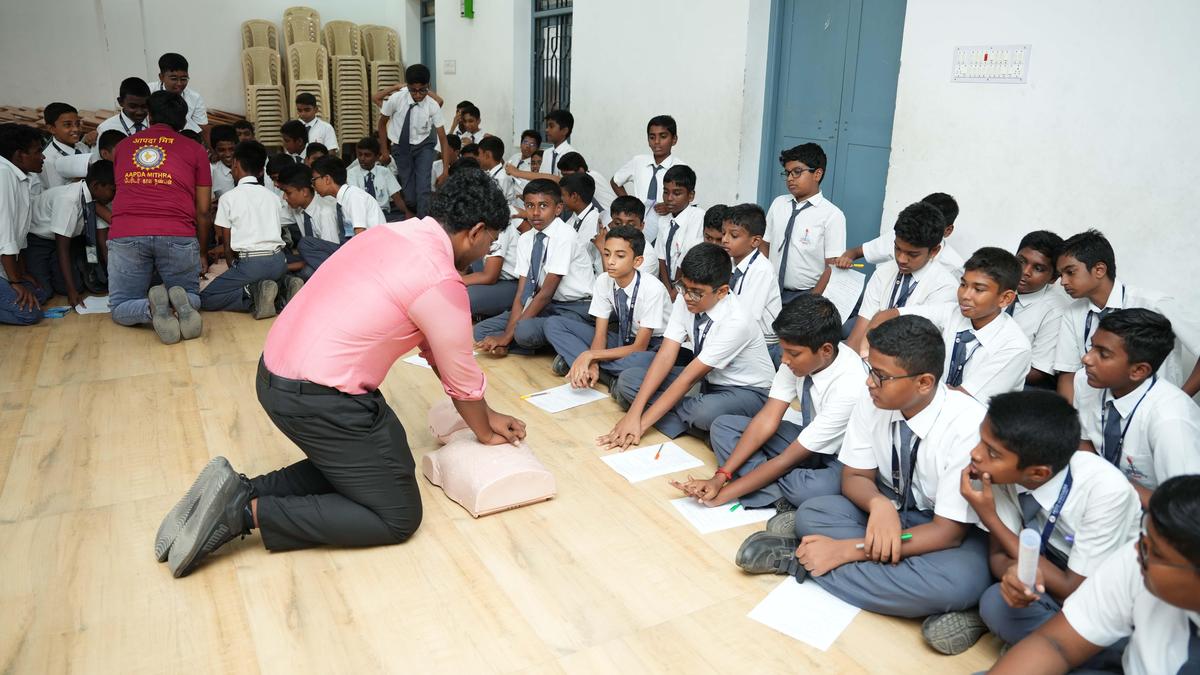
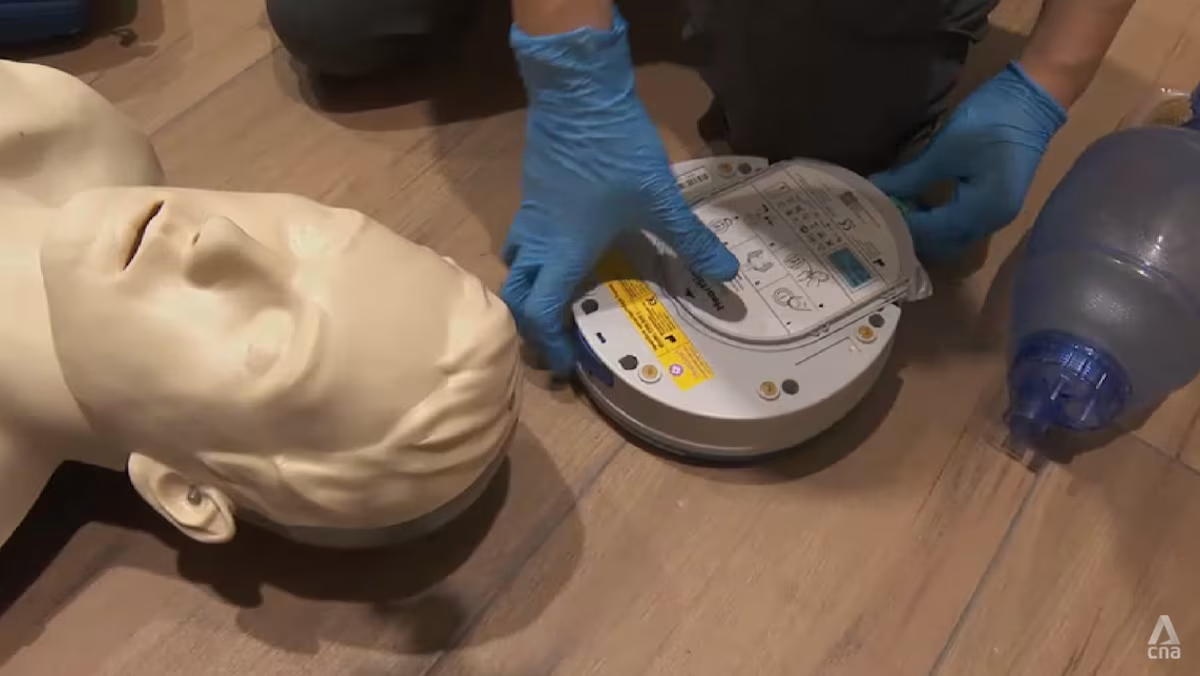
Currently, there are about 270,000 trained community first responders registered on myResponder, a Singapore Civil Defence Force (SCDF) app which alerts members of the public to nearby fire and medical emergencies. To reach its target, SHF plans to train 170,000 students in institutions of higher learning, and is working with the Ministry of Education to equip another 300,000 teenagers with CPR and automated external defibrillator (AED) training within the five-year time frame. So far this year, the foundation has trained about 4,500 people and hopes to more than double that to 10,000 by the end of 2026. In October, it will hold its annual free mass event named Project Heart, which aims to train and certify 1,000 people in CPR and AED usage in a single day.The organisation also plans to partner with skills training providers to roll out training programmes for the public, as well as with corporations to equip more employees at workplaces.Additionally, it has been growing its pool of instructors by training aspiring healthcare professionals, including paramedic and nursing students who are already certified in CPR and AED skills. BEING THE FIRST TO RESPONDAmong the most active community first responders is 15-year-old Joshua Hiew, who learned CPR and AED skills in 2024 and has since responded to more than 50 cardiac emergencies on the myResponder app. “I have a bike that I use when responding to cardiac emergencies, equipped with life-saving tools and strobe lights to alert pedestrians to give way,” he said. Recalling a recent cardiac arrest case, Joshua said he had to put his nerves aside to focus on helping the victim.“I felt nervous, but I had to remain calm. I tried my best and we gave the victim as much chance of survival as possible,” he told CNA.“If no one did anything, the person will pass away.”