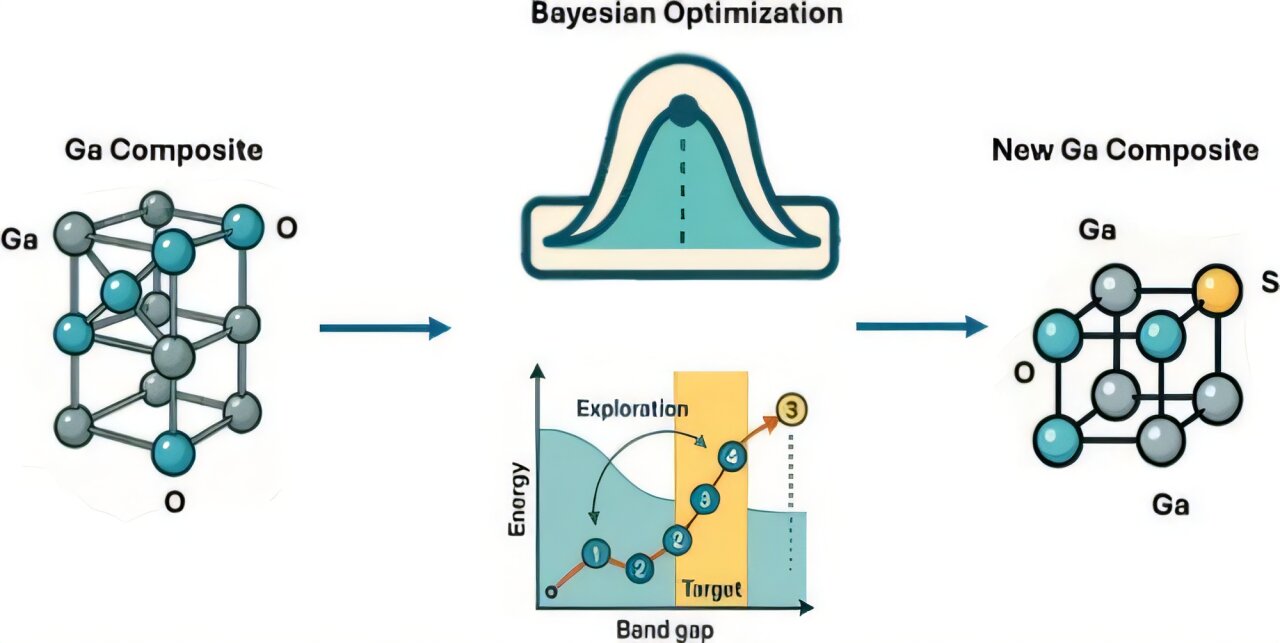
Machine learning is giving scientists a powerful new way to search for superconductors, materials that conduct electricity with zero resistance. An international team has demonstrated that AI can rapidly narrow an almost limitless number of possible material combinations to identify the most promising candidates. According to Aalto University Professor Päivi Törmä, who leads the SuperC consortium, the approach could dramatically speed the discovery of new superconductors.
Superconductors allow electric current to flow without losing energy, but only when cooled to extremely low temperatures where quantum effects emerge. These remarkable materials are already used in technologies ranging from quantum computers and medical neuroimaging systems to fusion reactors and maglev trains.
Despite their enormous potential, superconductors remain exceptionally difficult to discover. There are virtually endless combinations of chemical elements that could form new materials, yet only a tiny fraction turn out to be superconductors. Those that have already been identified generally require costly cooling systems that bring them close to absolute zero before they exhibit their unique properties.
Scientists around the world are searching for a practical superconductor that can operate at room temperature.