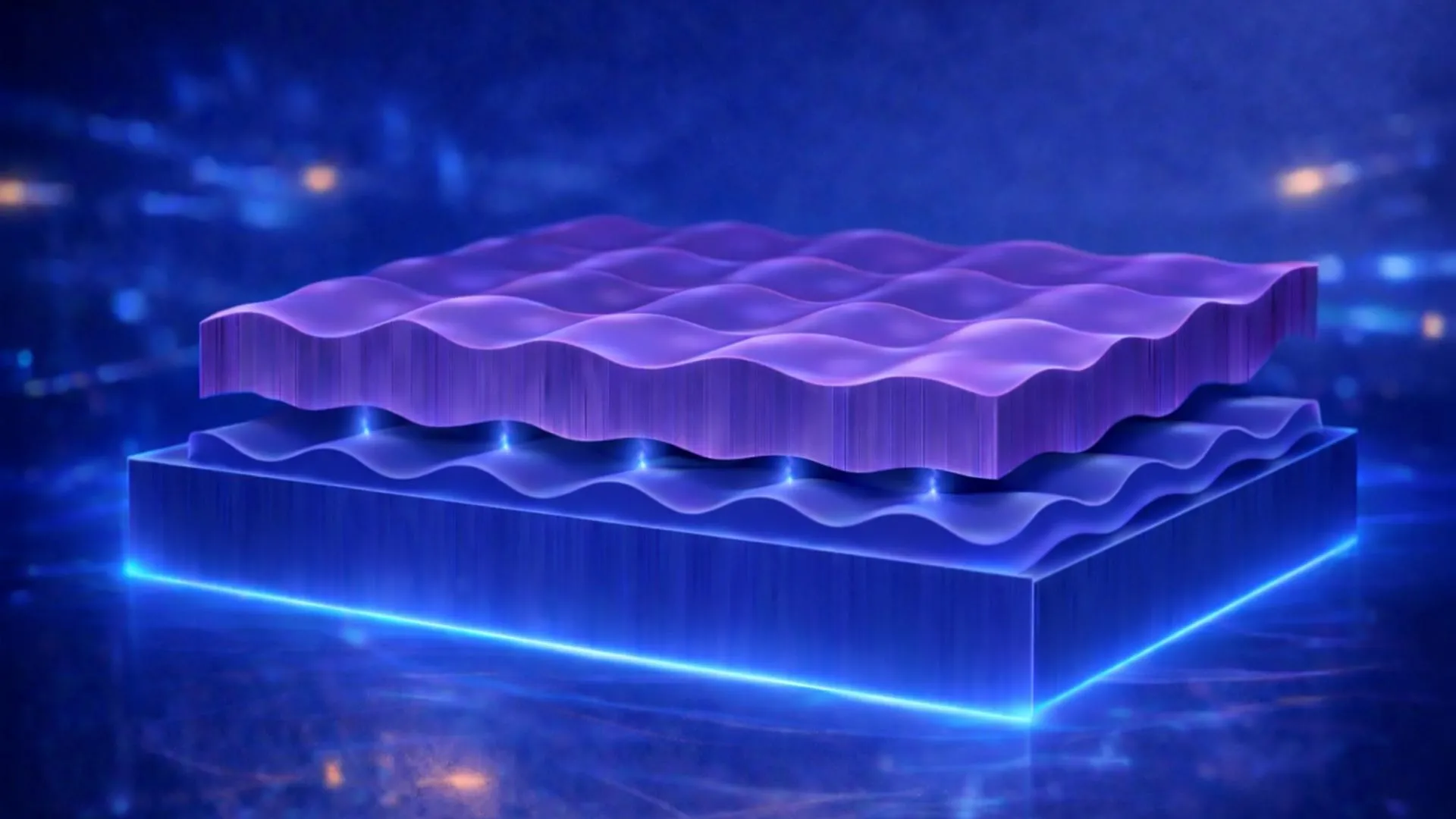
Superconductors could one day help power a new generation of ultra-efficient electronics, but major technical hurdles have kept the technology largely confined to research labs. Now, scientists at Chalmers University of Technology in Sweden have developed a new approach that tackles one of the field's biggest challenges: maintaining superconductivity at higher temperatures while also resisting strong magnetic fields.
The advance could help move superconducting technologies closer to practical use in electronics, energy systems, and quantum devices.
Modern digital devices, data centers, and information and communications technology (ICT) networks are responsible for an estimated 6 to 12 percent of global electricity consumption. As energy demand continues to rise, researchers are searching for ways to make electronics far more efficient.
Superconductors are particularly attractive because they can carry electrical current with no energy loss. Unlike conventional electronic systems, which waste energy as heat, superconductors can transmit electricity without resistance. In theory, this could make power grids, electronics, and quantum technologies hundreds of times more efficient.
Why Superconductors Are Difficult To Use