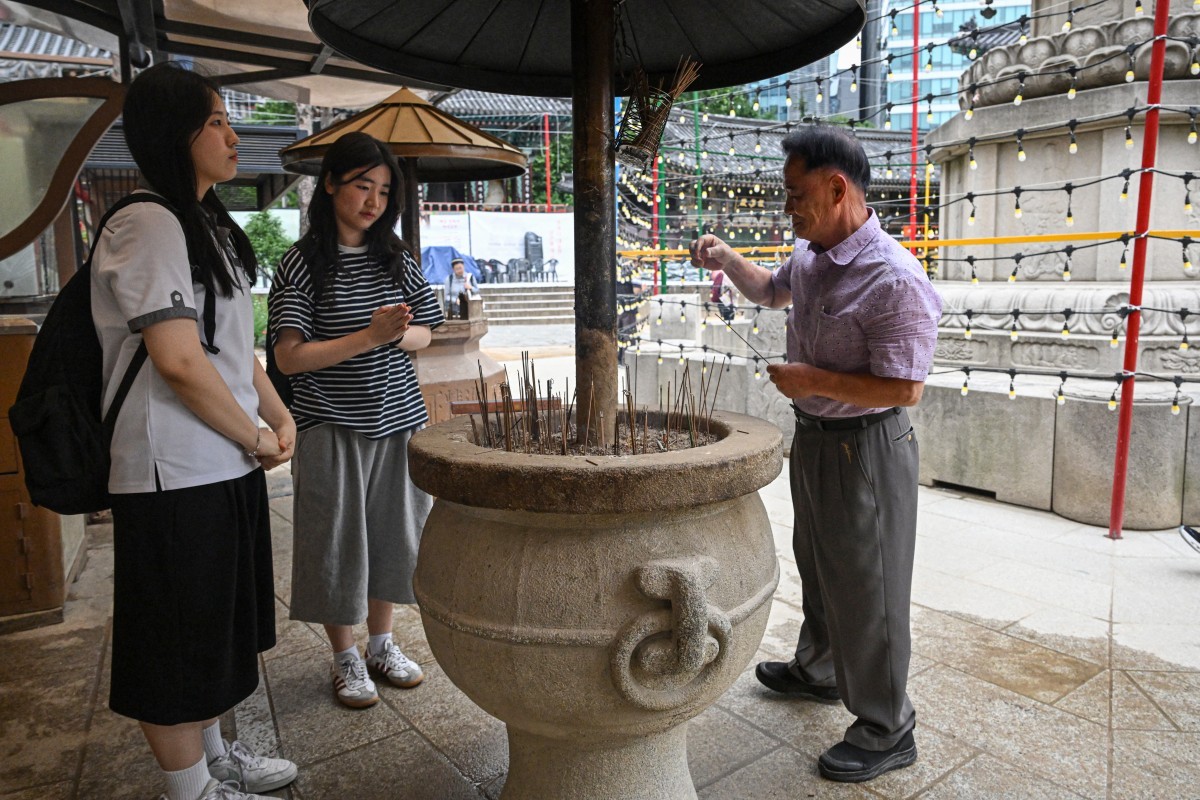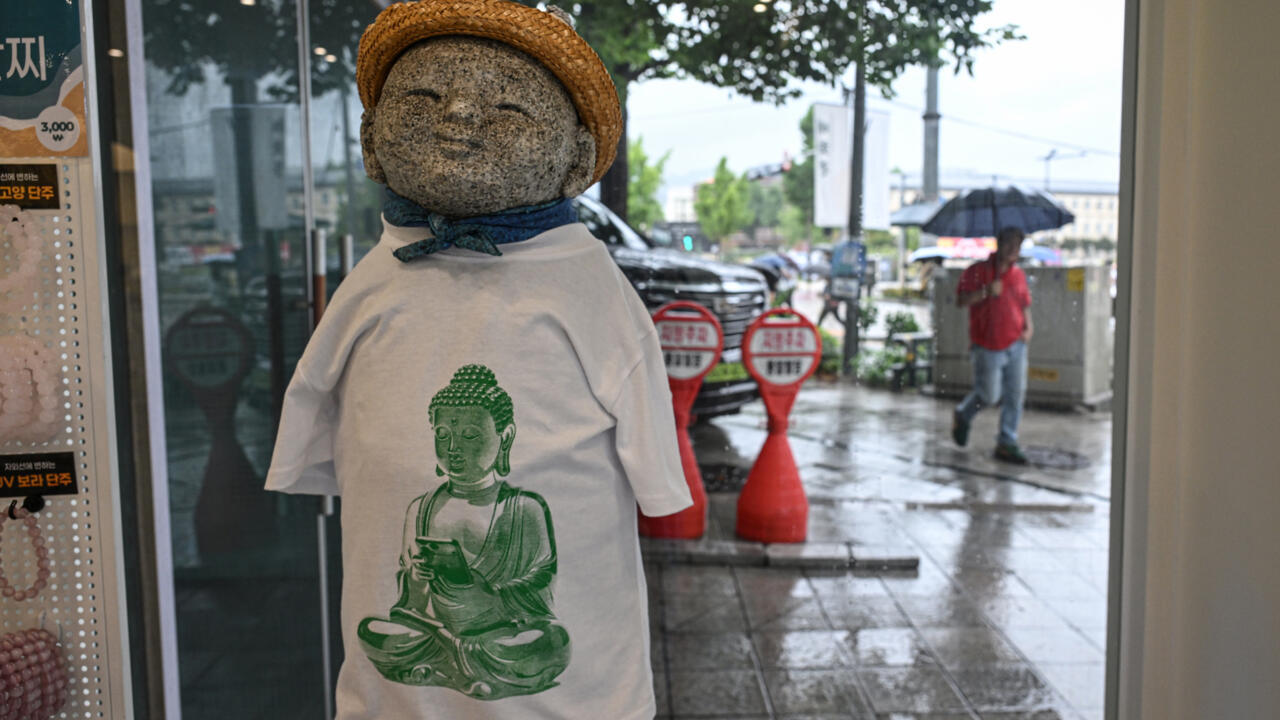
Just down the street from a 14th-century Seoul temple where worshippers make offerings and bow at the feet of three giant golden Buddha statues, a store named Buddhz sells statuettes, prayer bead bracelets, hats and t-shirts.One depicts the Buddha scrolling on a smart phone.A postcard shows the Buddha blowing a bubble in a relaxed pose with the words: "Blow it. Pop it. Forget it.""It's a lot more commercialised here than I expected," Canadian tourist Teja Manabotula, 34, told AFP.Marvin Zhang, a 19-year-old German, said his curiosity about Buddhism was part of the reason for his visit, but seeing the marketing methods targeting his generation, he could understand how it may be "seen as disrespectful".Either way, the pop culture approach appears to be working.
A projection of Buddha using a smart phone, at a souvenir store in Seoul © Jade GAO / AFP
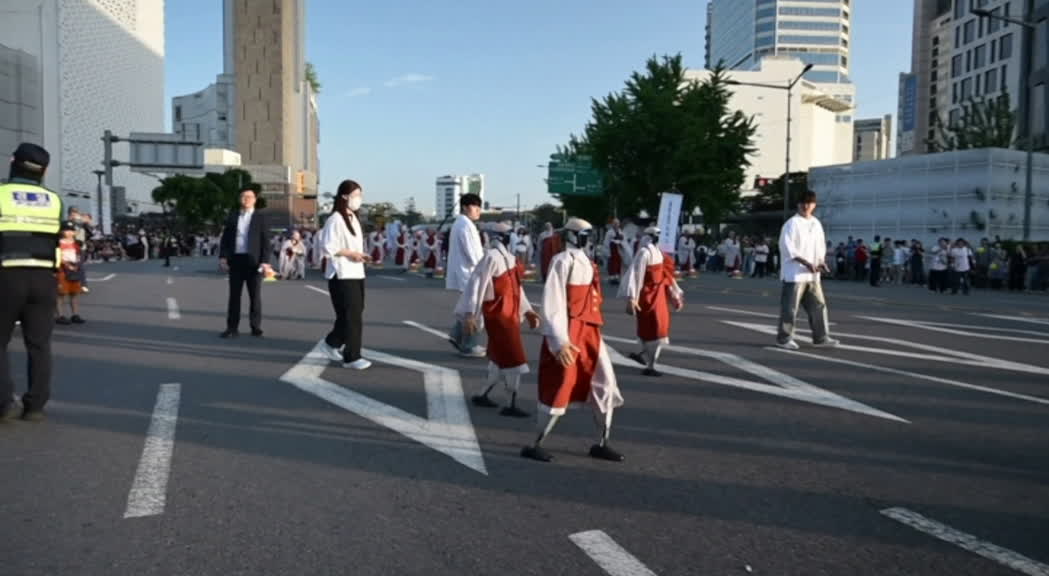
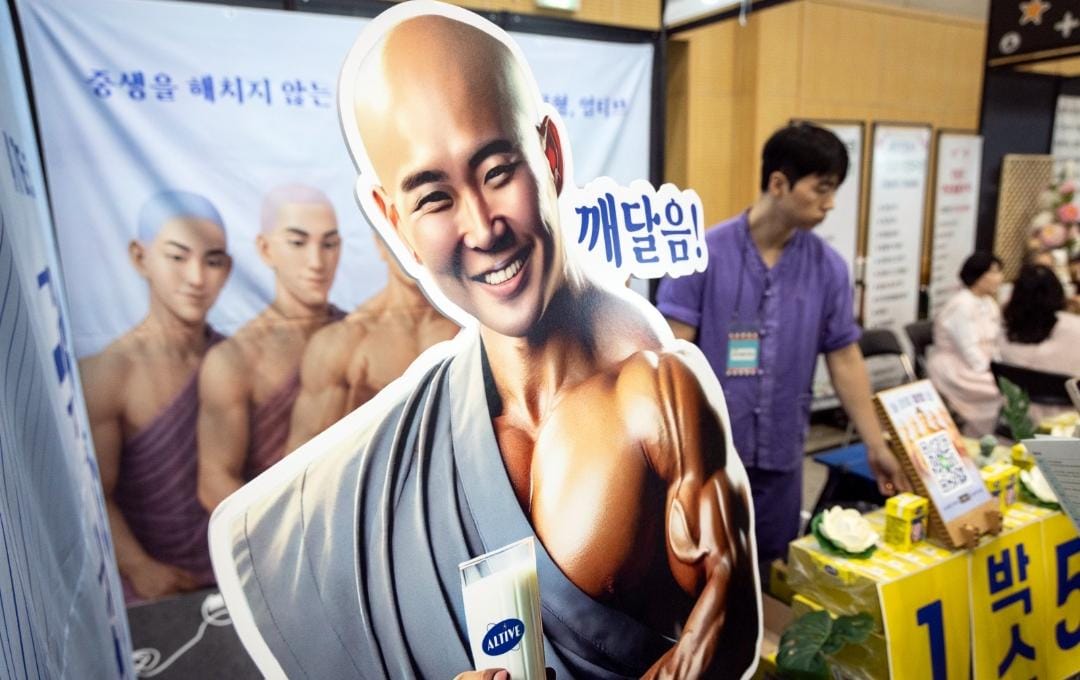
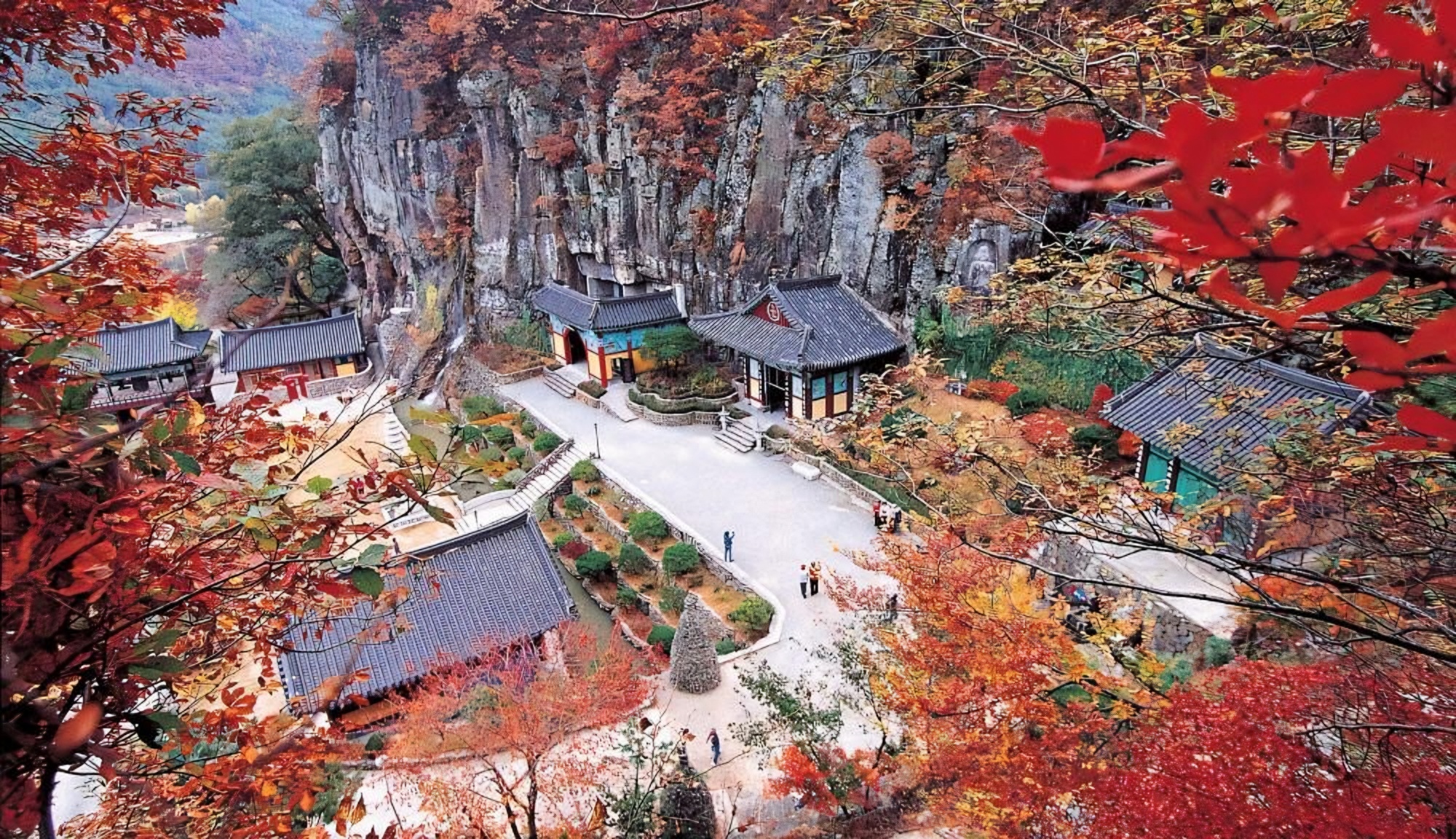
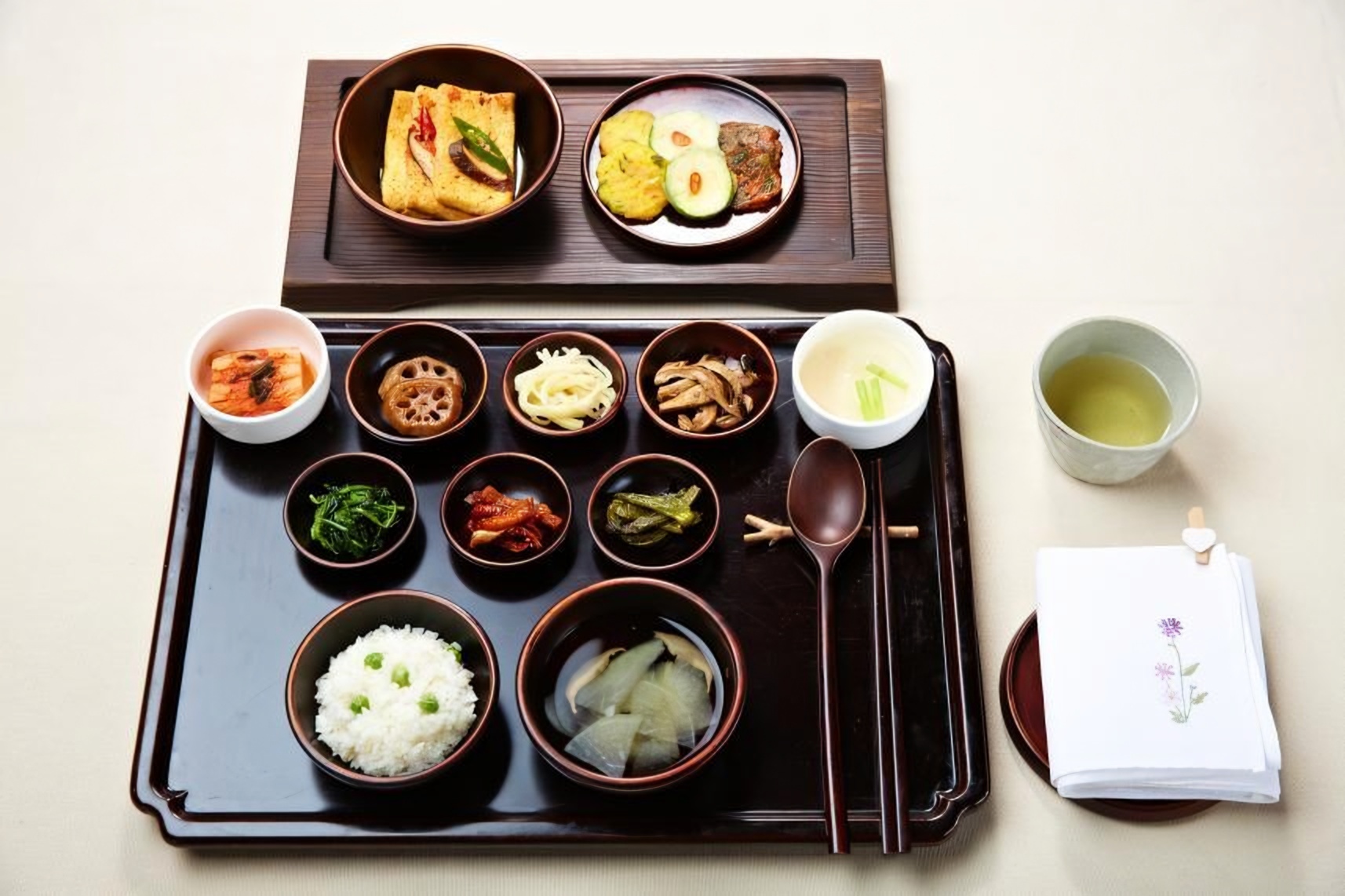
The Seoul International Buddhist Expo, for example, drew a record 250,000 people this year -- about two-thirds of them Gen Z and half non-religious, according to organisers.And even as the number of South Koreans who identify as Buddhist has remained static, Buddhism was viewed the most favourably of four belief systems polled in a 2025 "Religion Perception Survey" by Korea Research.Buddhism-themed tourism is thriving and tens of thousands of locals and foreigners sign up every year for "temple stay" retreats where they eat simple monastic food, do chores and meditate.Some pair their stays with concerts or events such as the International Expo, where visitors can join prayer sessions and talk to monks, browse among a dizzying array of trinkets on sale, and attend a "Heat Sutra Gong Party" with electronic dance and hip-hop sets.Sun Min-ji, a 23-year-old South Korean university student and Buddhist, said the religion's hip image has attracted many of her friends.