It’s not entirely inaccurate to link Korea’s post-war industrialization and headlong dive into capitalism with the rise of Protestantism. Its ascendancy eclipsed the traditional and indigenous religious landscape of Korea across a vast swath of Korea’s society, especially among the well-to-do and wanna be’s.
This dominance extended into the Korean diaspora. Growing up in Paraguay when I was little, I remember hiding my parents Buddhist religious artifacts from other Korean friends who came to play since I knew that every Korean in Asuncion was a devout Christian with avowed hatred of Buddhism, which seemed backward and superstitious.
Based on that trend line, Buddhism should be on its last legs in South Korea. The country is one of the most wired, urbanized, and secular societies in the world. Young people are delaying marriage, abandoning organized religion, and spending more time online than in temples.
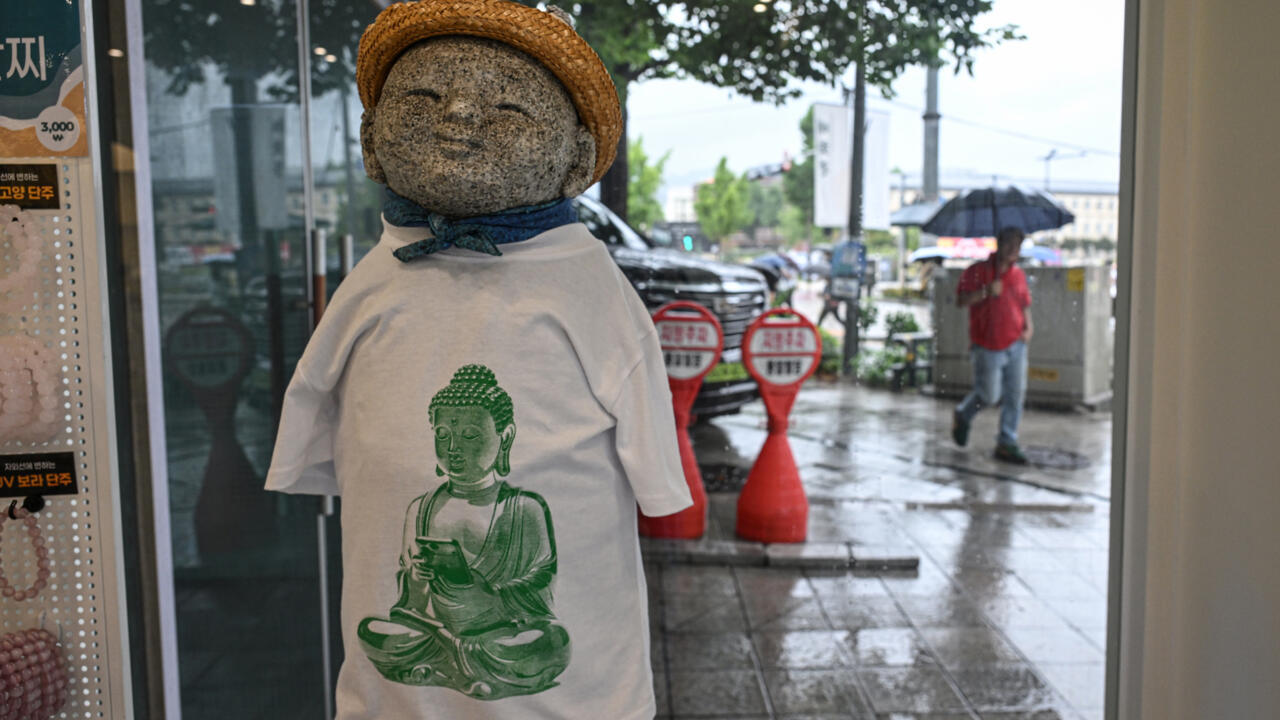
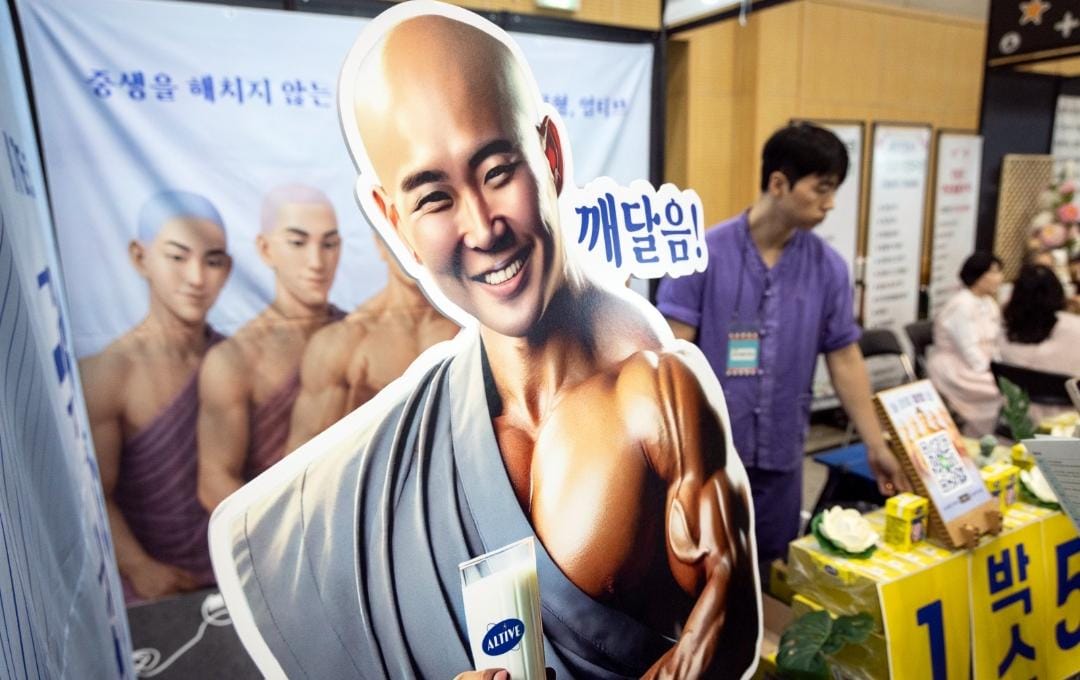
Yet one of the most unexpected cultural stories of the past two years has been the rise of “hip Buddhism.” In fact, the Korea Times recent published an article titled, “From temple stays to TV: The rise of Korea's 'hip Buddhism',” describing how Buddhism-themed TV show achieved high ratings.