Anthropic just cracked open the hood of its Claude AI and found something that would make a neuroscientist do a double-take. The company’s latest interpretability research reveals that Claude has self-organized an internal reasoning structure that mirrors a well-known theory of how the human brain coordinates conscious thought.
The research, published on July 6, identifies what Anthropic calls the “J-space,” a previously unknown internal structure built from distinct neural activation patterns inside Claude Sonnet 4.5.
What the J-space actually is
Anthropic’s team used a technique called the Jacobian lens to peer inside that black box, and what they found was unexpectedly organized. The J-space functions as a kind of shared workspace where different parts of the model can read and write information during reasoning. Instead of Claude just pattern-matching its way to an answer, it’s actually performing multi-step internal computations, maintaining intermediate thoughts, and coordinating across its neural network.
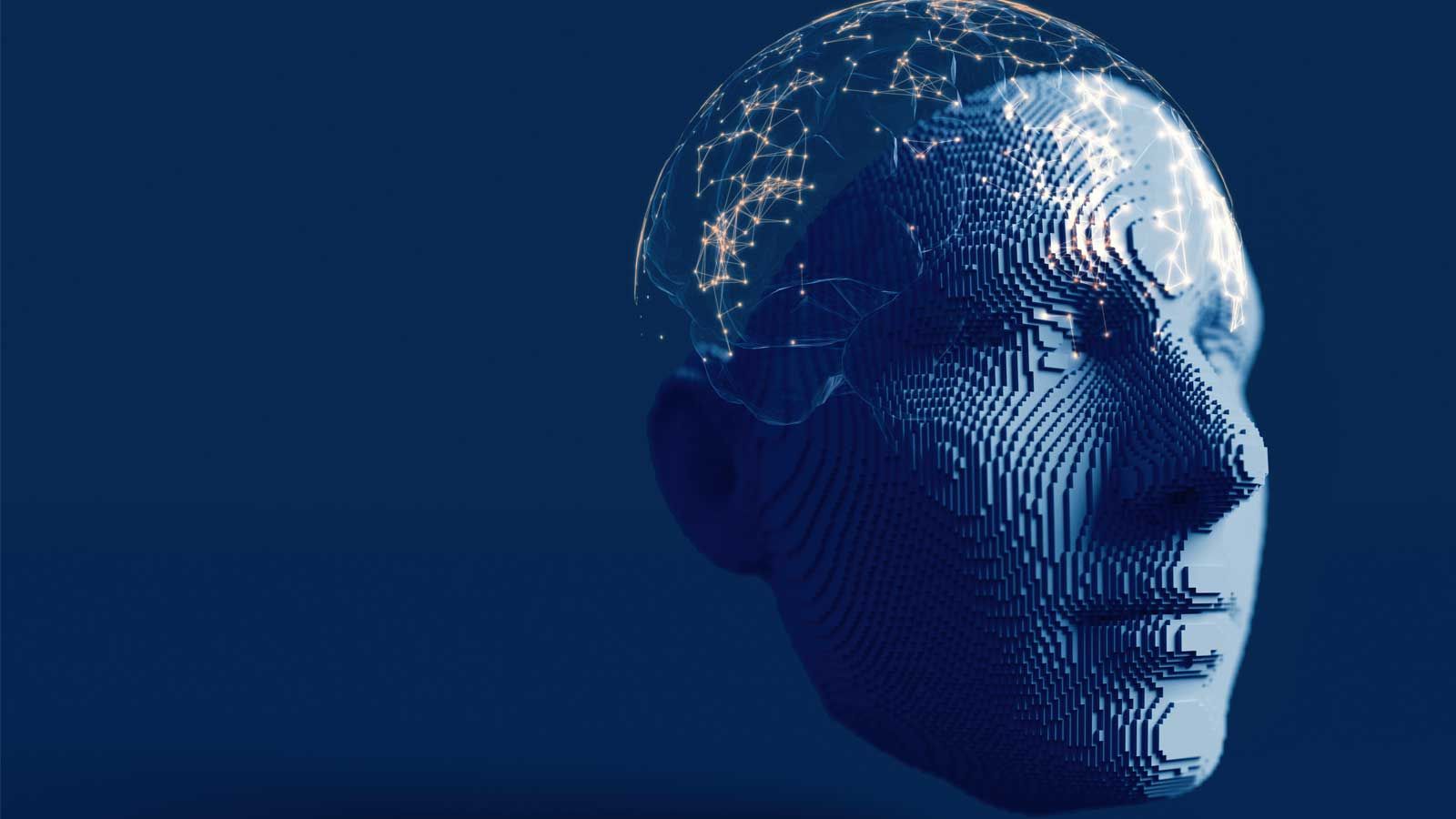
The parallel to neuroscience is hard to ignore. Global Workspace Theory, developed by Bernard Baars and later expanded by Stanislas Dehaene, proposes that the human brain has a similar architecture: a shared workspace where different specialized brain regions broadcast information to each other, enabling flexible, deliberate reasoning.