Samsung Electronics delivered what might be the most impressive quarterly earnings report in its history on July 7. The market said “cool, we’re selling anyway.”
The Korean tech giant’s preliminary Q2 2026 results showed operating profit of KRW 89.4 trillion, roughly $58.5 billion, representing an almost incomprehensible 1,810% increase year-over-year. Revenue hit KRW 171 trillion (about $111.8 billion), blowing past analyst expectations that had pegged operating profit somewhere between KRW 84 and 85 trillion. And yet shares dropped as much as 7.9% intraday, breaking below the KRW 300,000 level to touch roughly KRW 294,000.
A sell-the-news masterclass
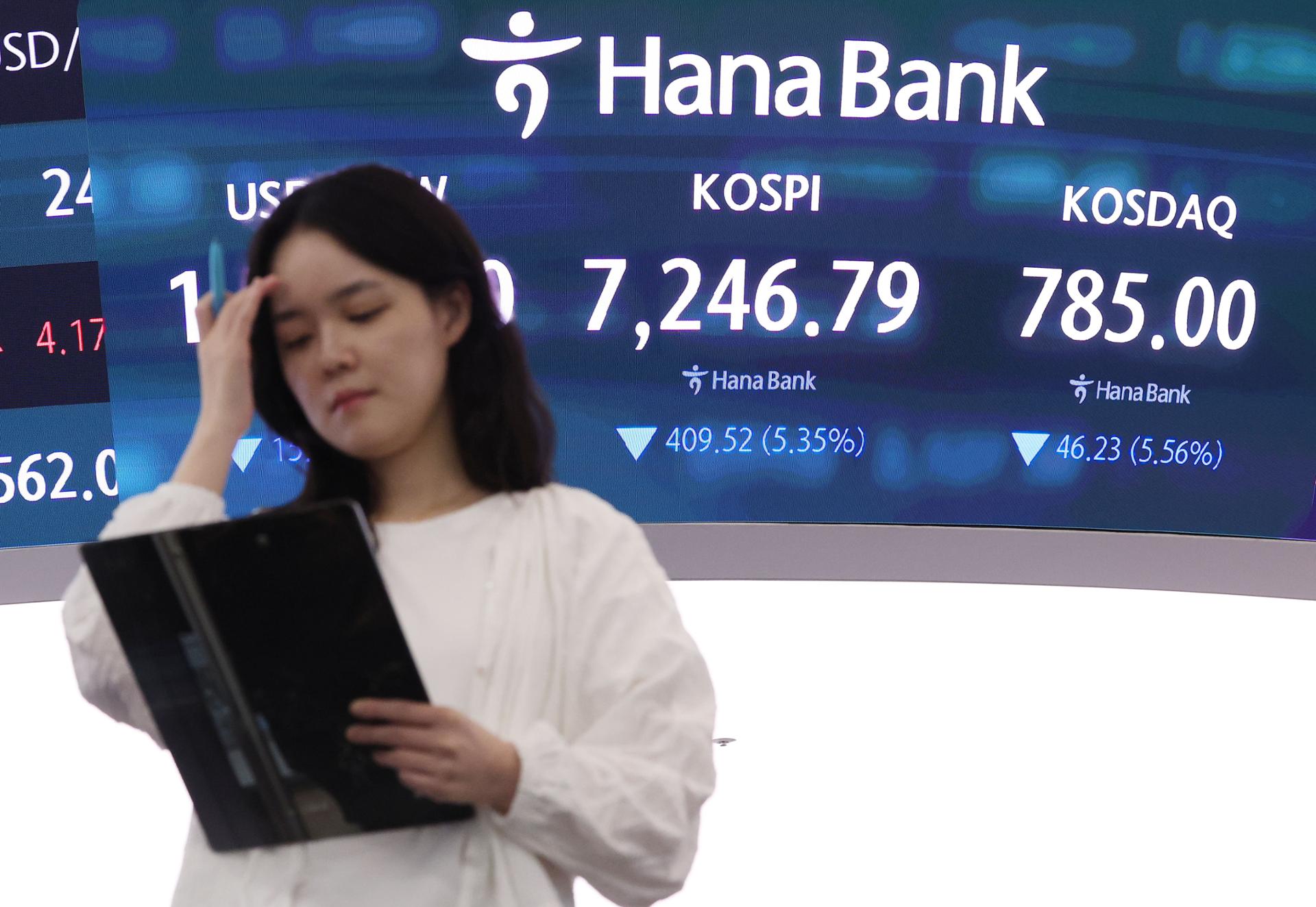
The damage wasn’t contained to Samsung, either. SK Hynix, Korea’s other semiconductor heavyweight, dropped as much as 7.3% in sympathy. The broader KOSPI index cratered roughly 5 to 6%, falling hard enough to trigger a circuit breaker that halted program trading.
The reasoning centered on concerns that AI-driven gains were already baked into stock prices. Samsung had enjoyed a significant pre-earnings rally, and the Q2 numbers, spectacular as they were, apparently weren’t spectacular enough to justify where the stock had already climbed. Investors also flagged uncertainty around potential slowdowns in AI data center expenditure, which has been the primary engine driving memory chip demand.