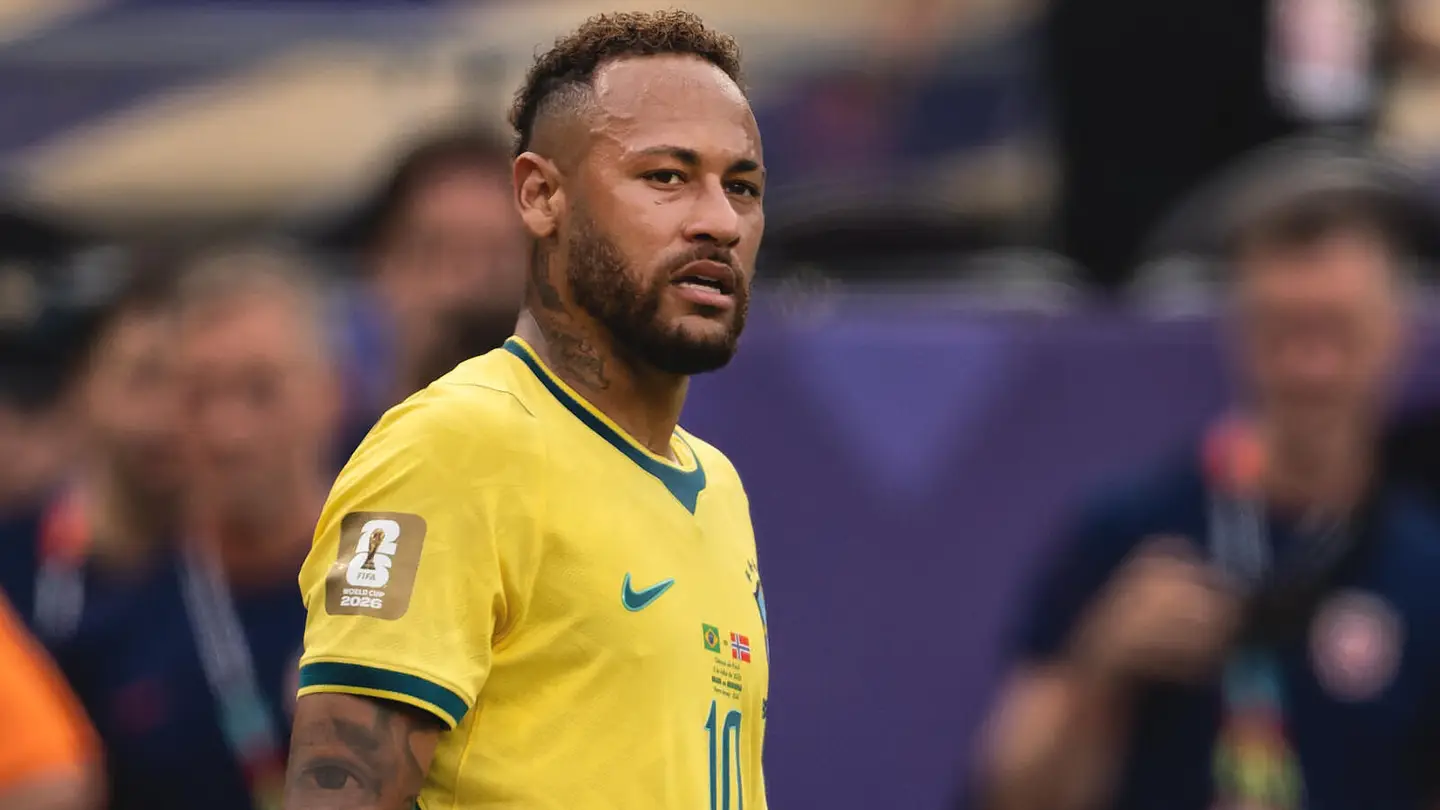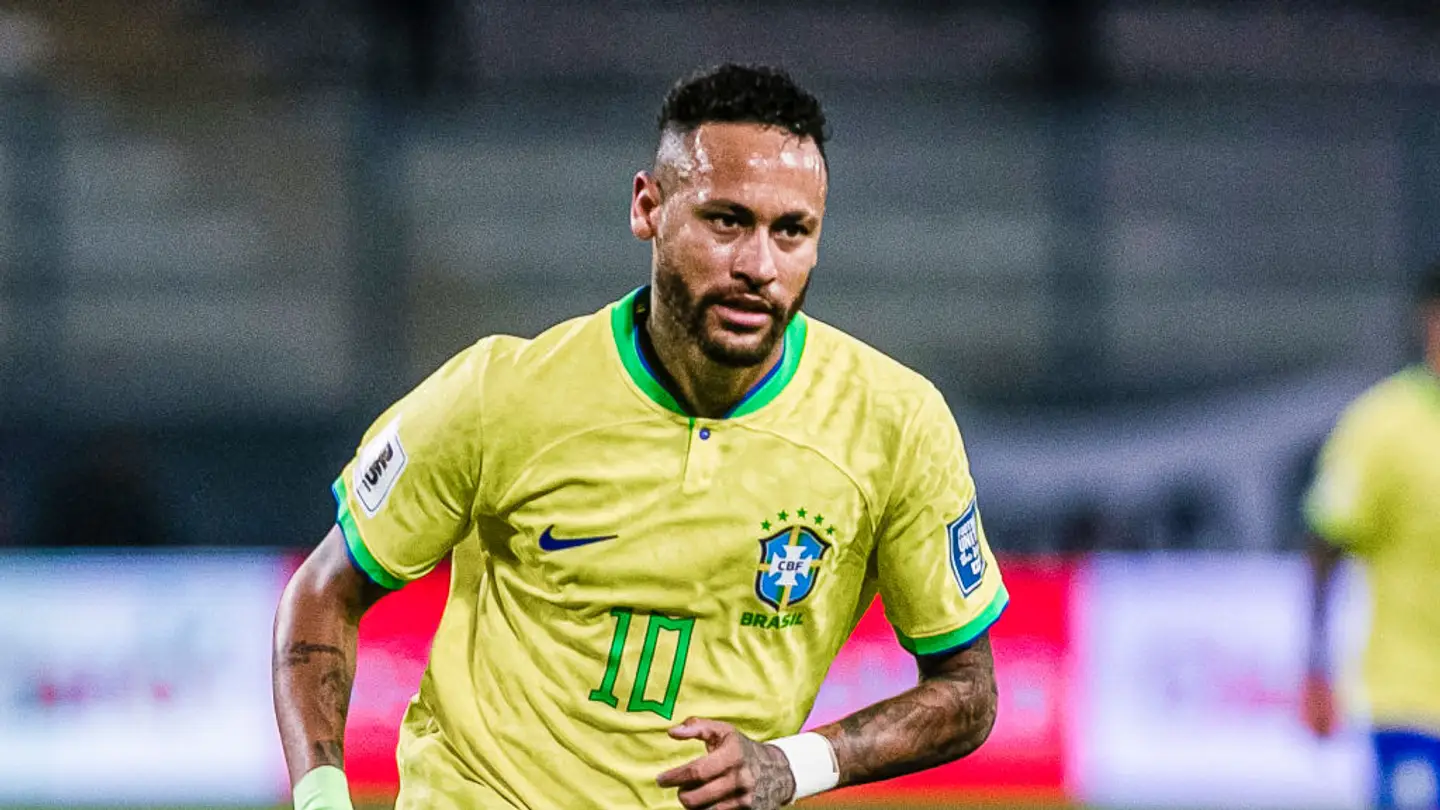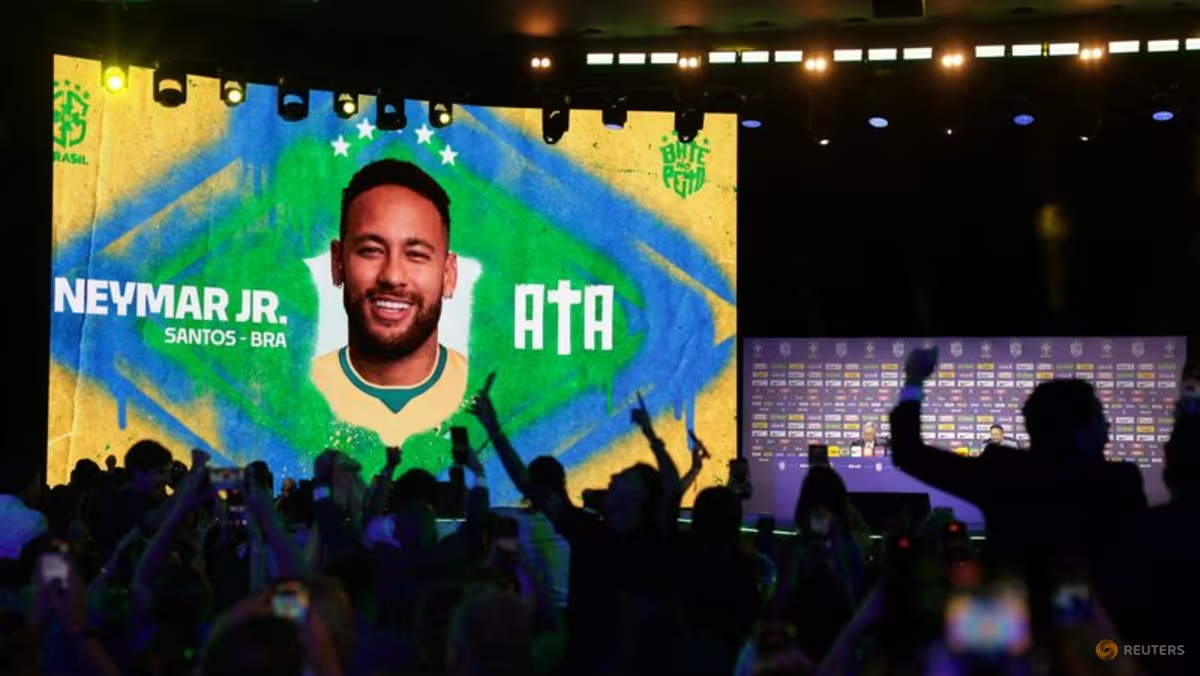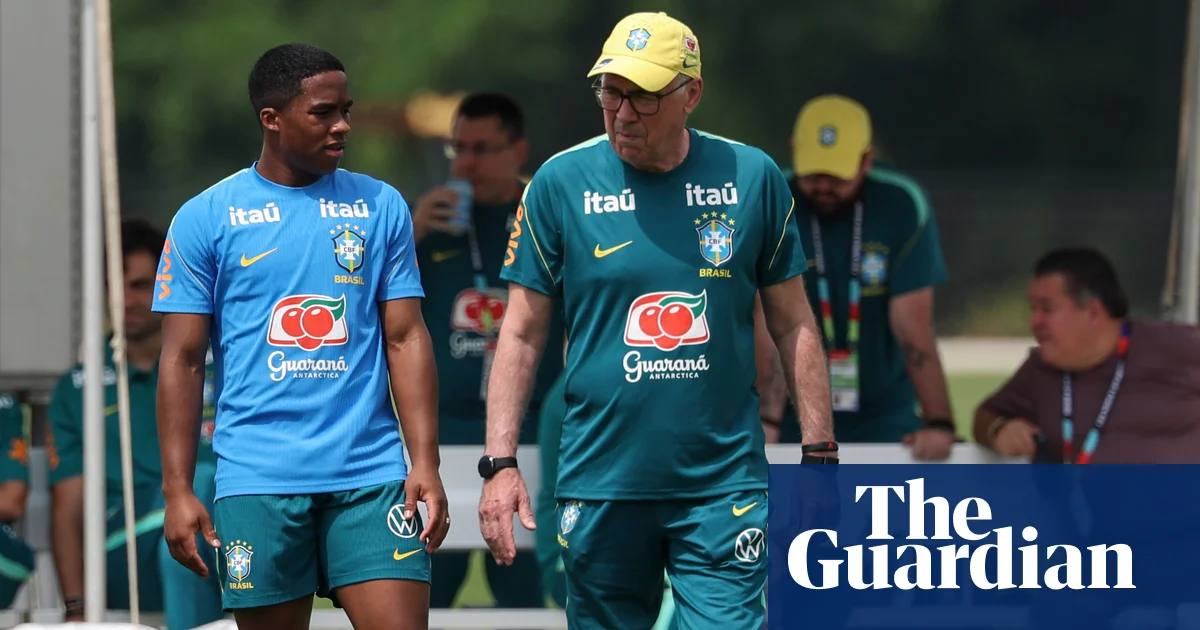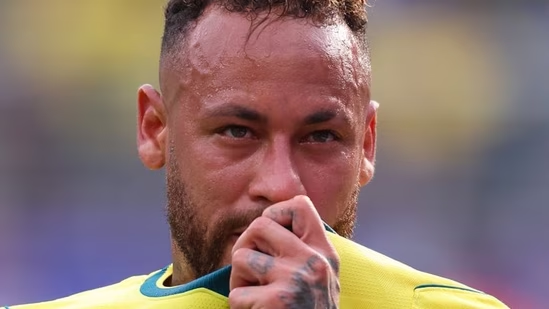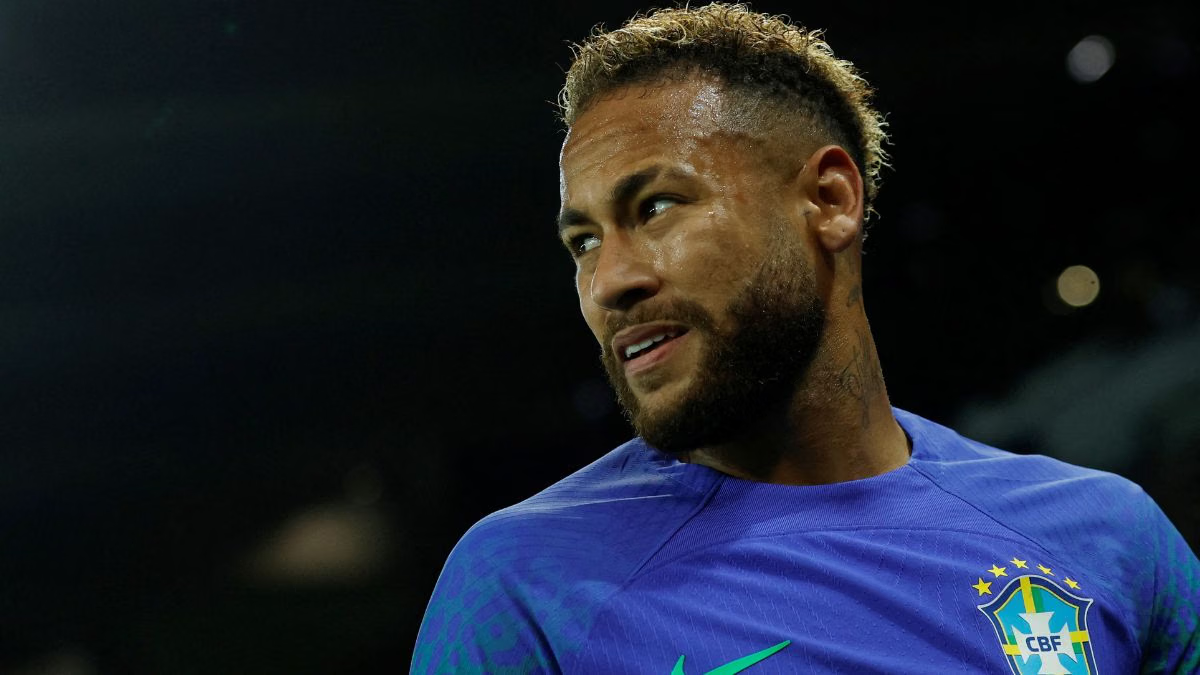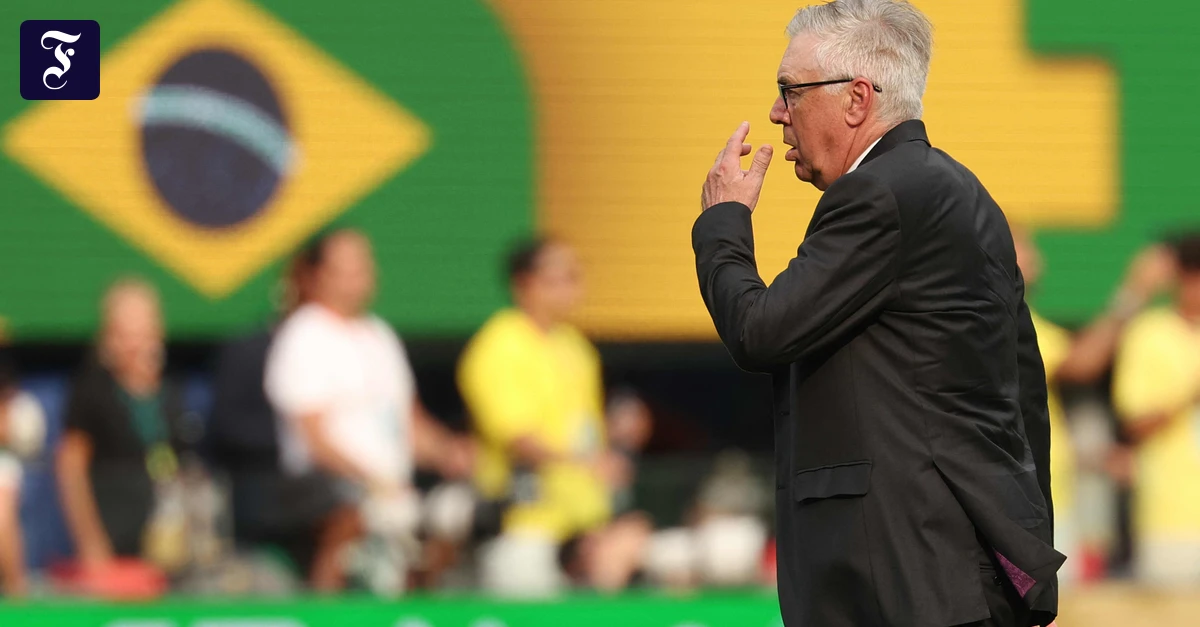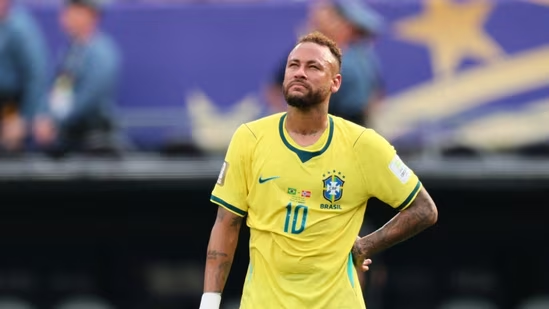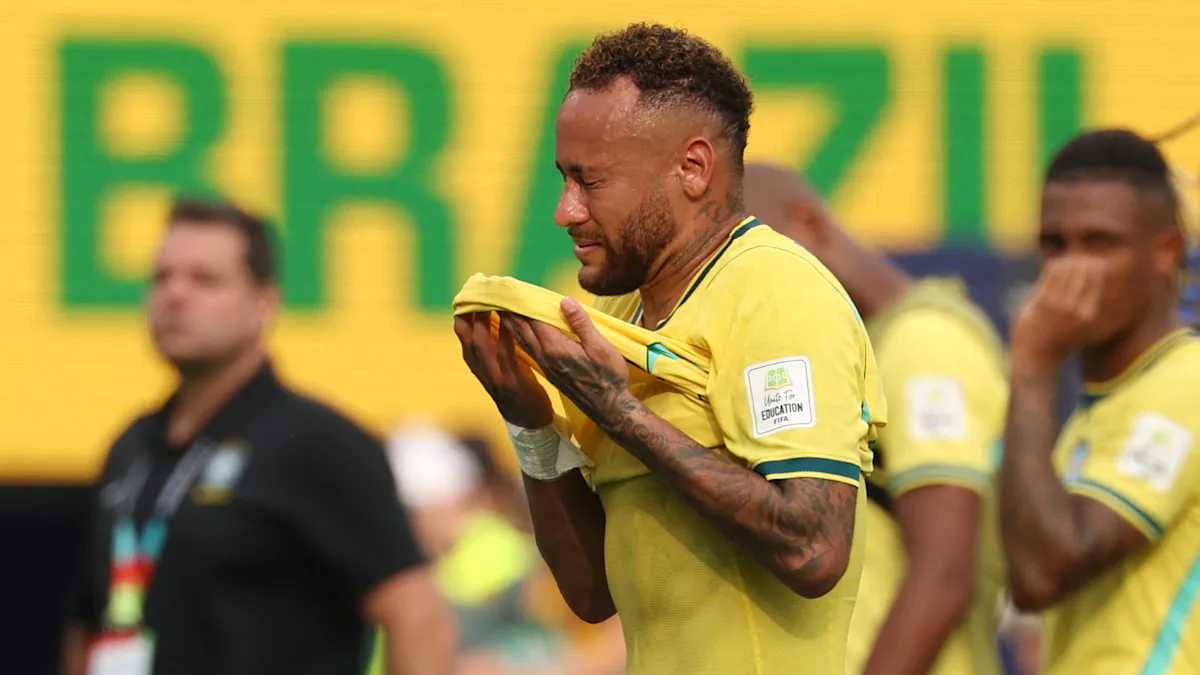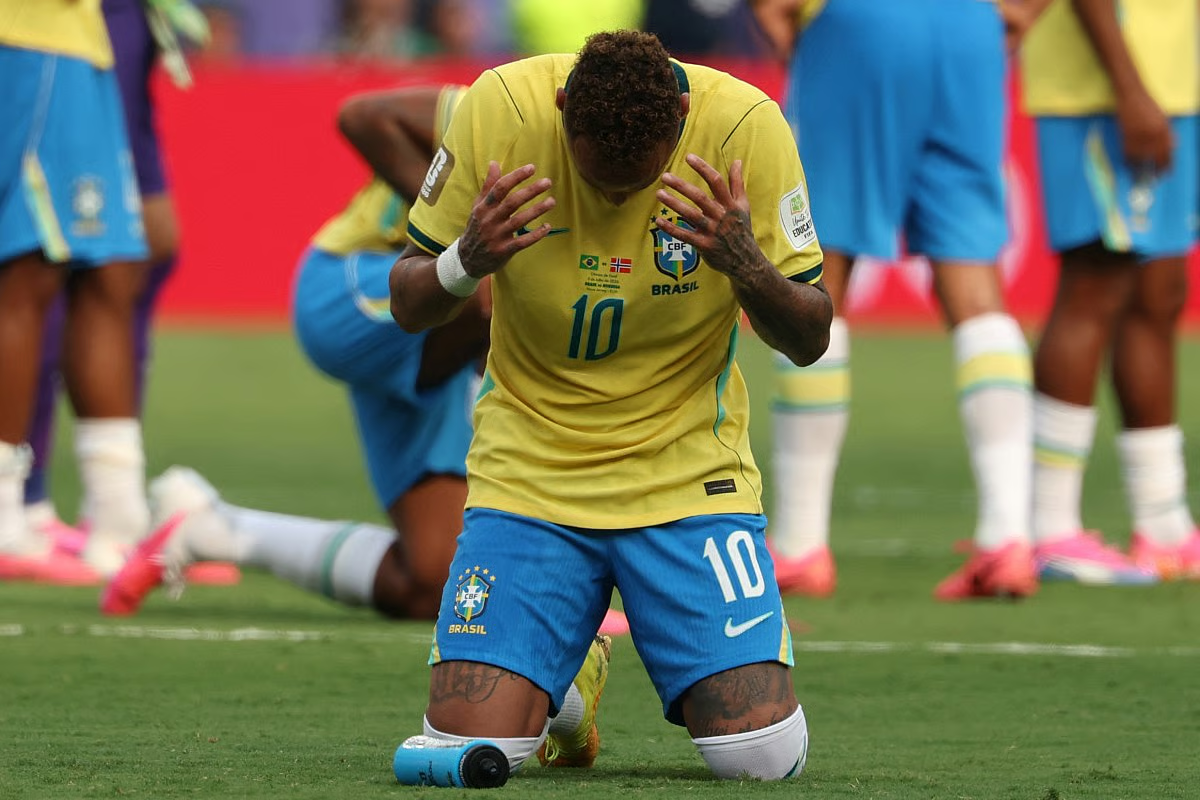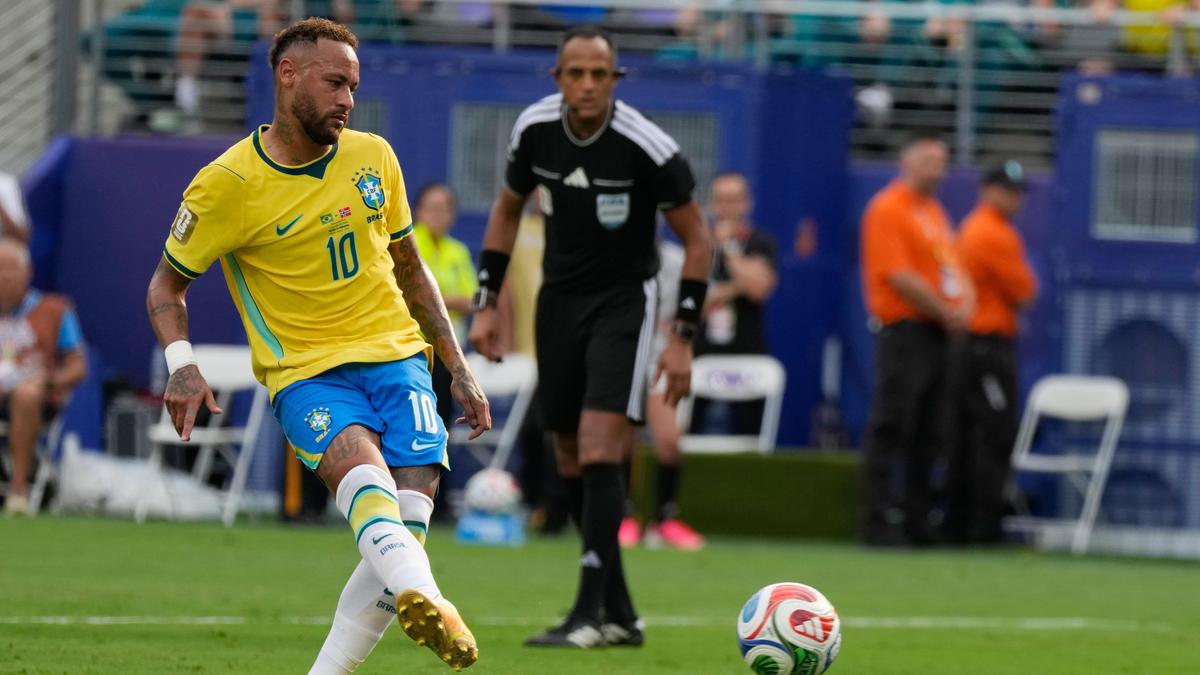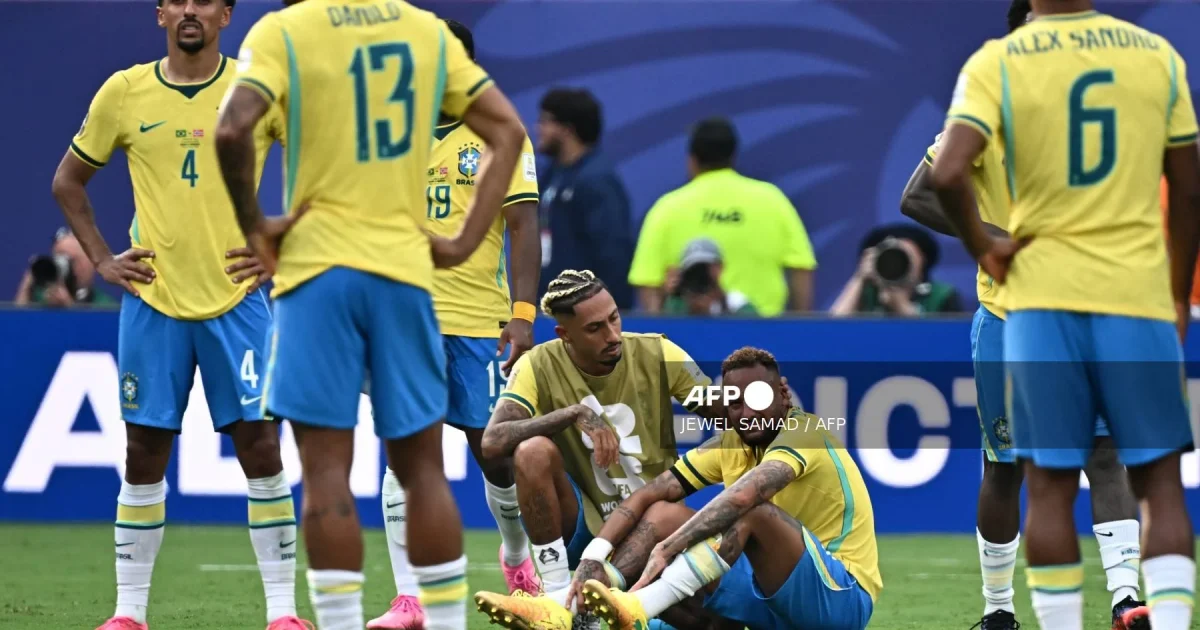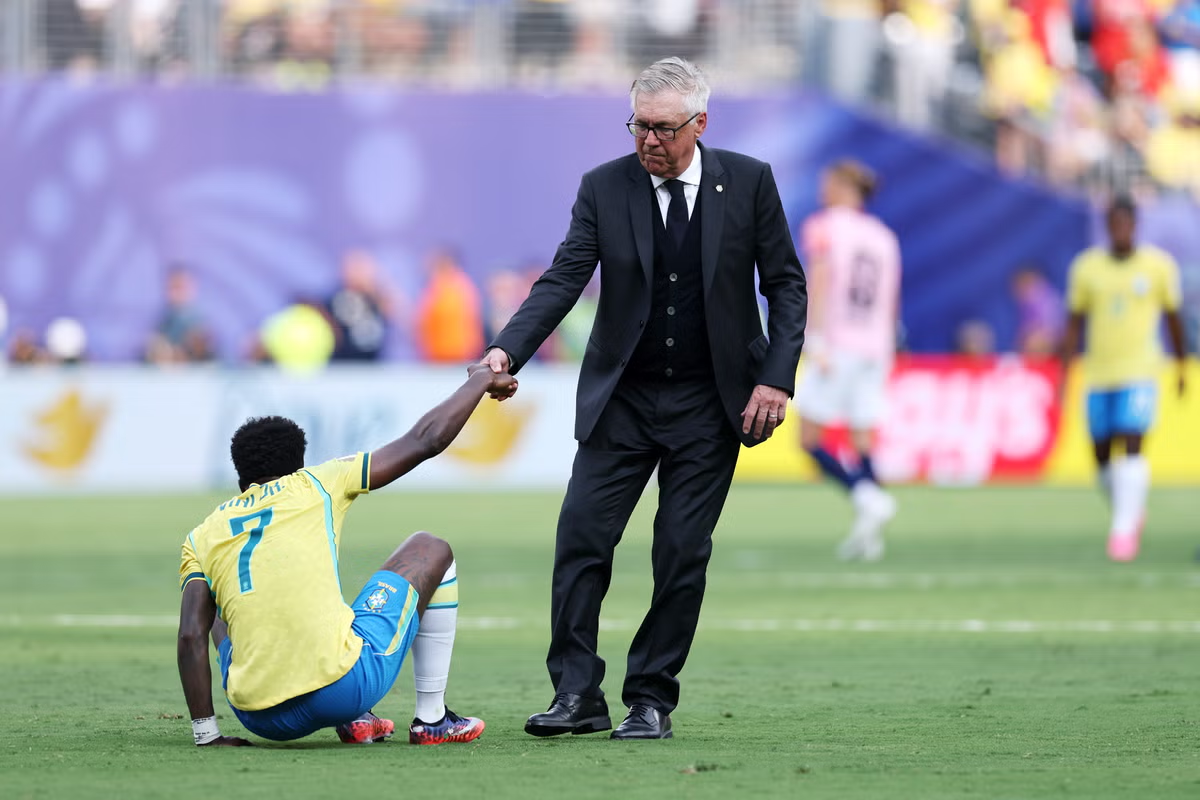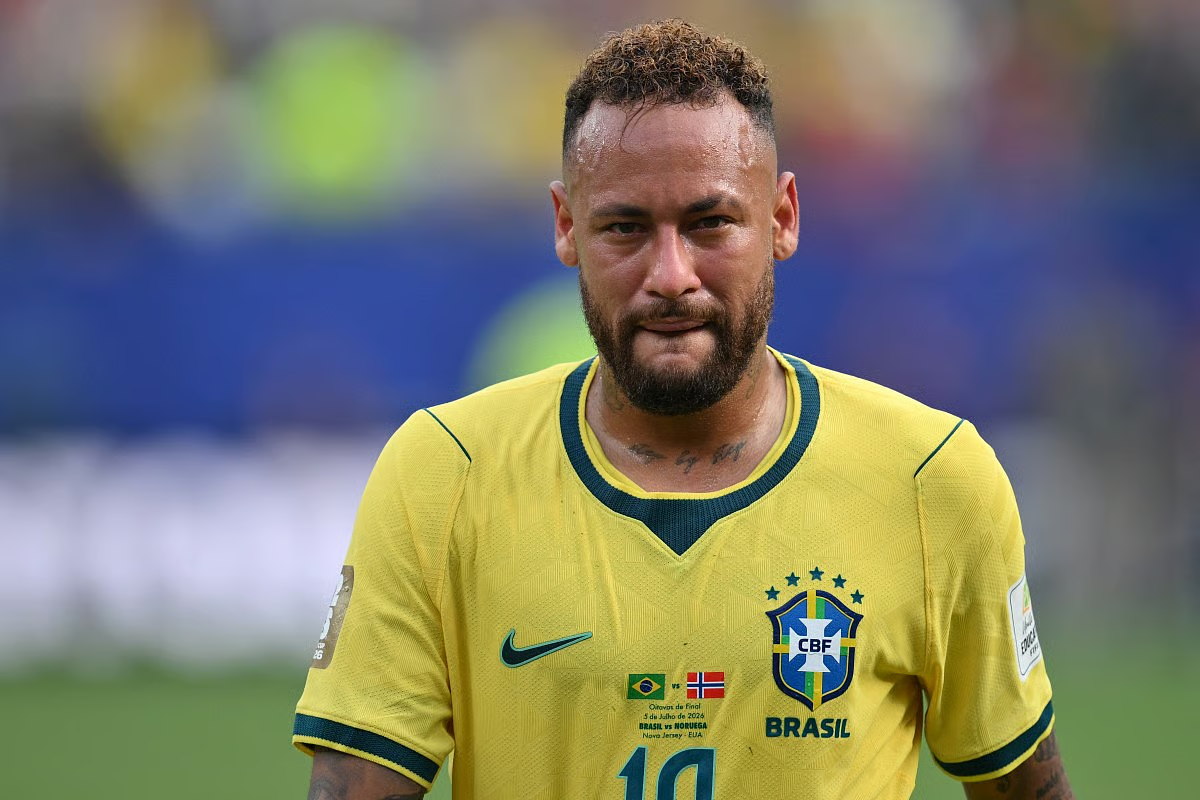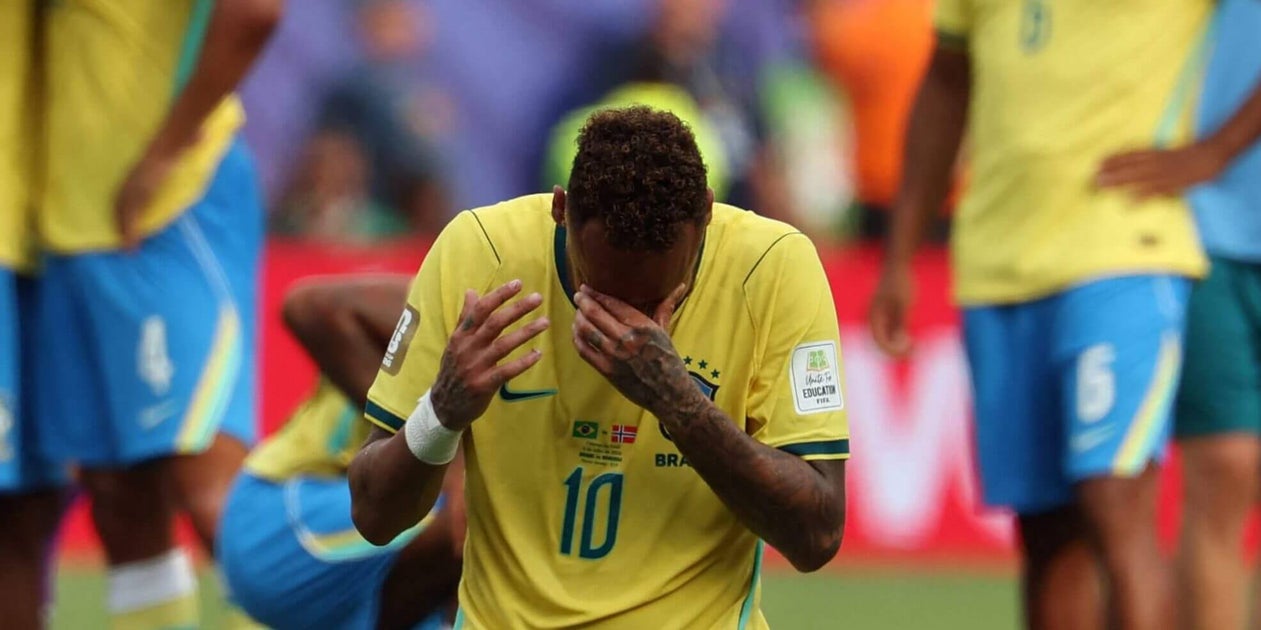
Paolo Sorrentino perched over the barricades at the Red Bulls Performance Center in Morristown. He looked at the viewfinder of his camera and began filming. Brazil were preparing for the World Cup under the observation of an Oscar-winning film director. In May, it was announced Sorrentino is making his first ever documentary. His subject: Carlo Ancelotti. “It’s an honour to tell my story alongside the great Paolo Sorrentino,” Ancelotti said. “I’ve always admired his masterpieces and his commitment to artful storytelling.”Sorrentino’s pictures are studies in power. He has made movies about Italian prime ministers, presidents and popes. The coach of the national team is a role of similar dimensions not only in a football mad country like Italy but Brazil too. On one of his past press junkets, Sorrentino described what makes a subject interesting to him. “If we had the best ballerina in the world performing in a beautiful dance, and then,” Sorrentino said, “she suddenly stumbled and became clumsy, we would all remember that moment when she failed and made herself grotesque and not at her best. So I just wait for people to stumble.”Ancelotti stumbled on Sunday, as Brazil fell to Norway in New Jersey and exited the World Cup. It was the first time they suffered elimination in the round of 16 since 1990 (although this year Brazil played a game more in FIFA’s new expanded format) and as was the case in the past five World Cups defeat came at the hands of a European team. The wait for the hexa goes on. A sixth title slips further away. The tournament’s most successful nation finds itself in the midst of its longest ever drought, one that now stretches to 28 years. The front page of Correio declared a “Failed generation.”Ancelotti called the 2-1 loss to Norway “a profound disappointment.” Neymar collapsed to the floor and sobbed. “I tried. I tried,” he said. “Now it’s over. I started here. I finished here.” The 34-year-old had made his debut for Brazil at this stadium in 2010. Only a teenager when he first ran out at MetLife, he marked the occasion with a goal against the US. Sixteen years later, here he was again. More childish than childlike. Taunting. Beaten. The great unfulfilled. His era over. The front page of Meia Hora put it in perspective. “Brazil’s golden age at the World Cup; the Garrincha era, the Pelé era, the Romário era, the Ronaldo era — and that was that!” A dark age.Get free access to the most comprehensive World Cup coverage in The Athletic appErling Haaland floored Brazil (Photo: Al Bello/Getty Images)As the players traipsed through the mixed zone, hurt and in a hurry, nobody stopped.“Ninguém vai falar?” the Brazilian press pack shouted. “Is no one going to talk?” They wanted answers. Marquinhos at least fronted up to the broadcasters. “We have to take responsibility. Me, as captain, and the older players have to take the blame so the new generation can move forward with calmness. We can’t arrive at a World Cup after a cycle like we had…” Finishing fifth in South American qualifying, losing home and away (4-1) to Argentina. Going through four coaches in four years with power struggles consuming the Brazilian Federation (CBF). Too much turbulence. Too long waiting for Ancelotti to leave Real Madrid and take charge only in May last year.“We have to be clear: we don’t yet have the maturity that France or Argentina have today as a team,” one of the team’s senators, Danilo Luiz, acknowledged earlier in the tournament. This did not go down well with legends of the Brazilian game and past winners like Dunga, who lifted the World Cup the last time it was held in the US in 1994. “I never imagined hearing a player say: ‘Let’s try to win’. Or saying that we are inferior to France, Argentina or Portugal. This was unacceptable, and the fan doesn’t want to hear this kind of statement. You can’t pass this opinion on to the public.” But what if it’s the reality?When Ancelotti announced his squad for the World Cup, it didn’t blow anyone away. There was no Nike advert, no Mas que Nada. People looked at the full-backs and wondered what happened to the teams of Cafu and Roberto Carlos, Dani Alves and Marcelo. “They are right here!” Cafu told The Athletic. In the VIP suites watching Brazil.
Neymar’s tears mark another misstep for Brazil’s great unfulfilled and its World Cup dark age
Carlo Ancelotti and Brazil have stumbled, for one of their favourite sons Neymar it was his final World Cup fall
2,112 words~10 min read