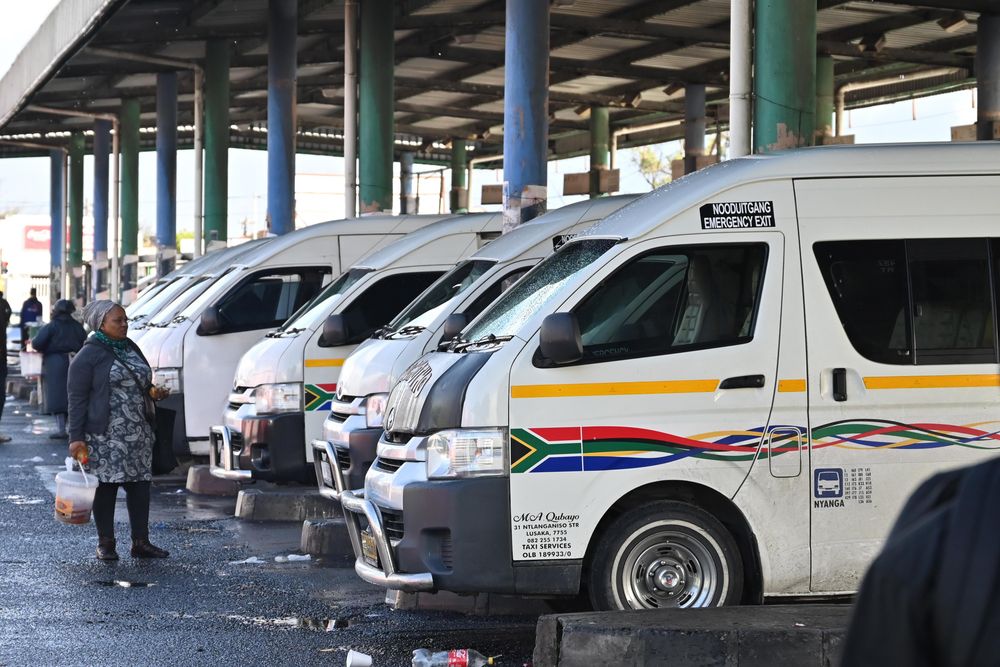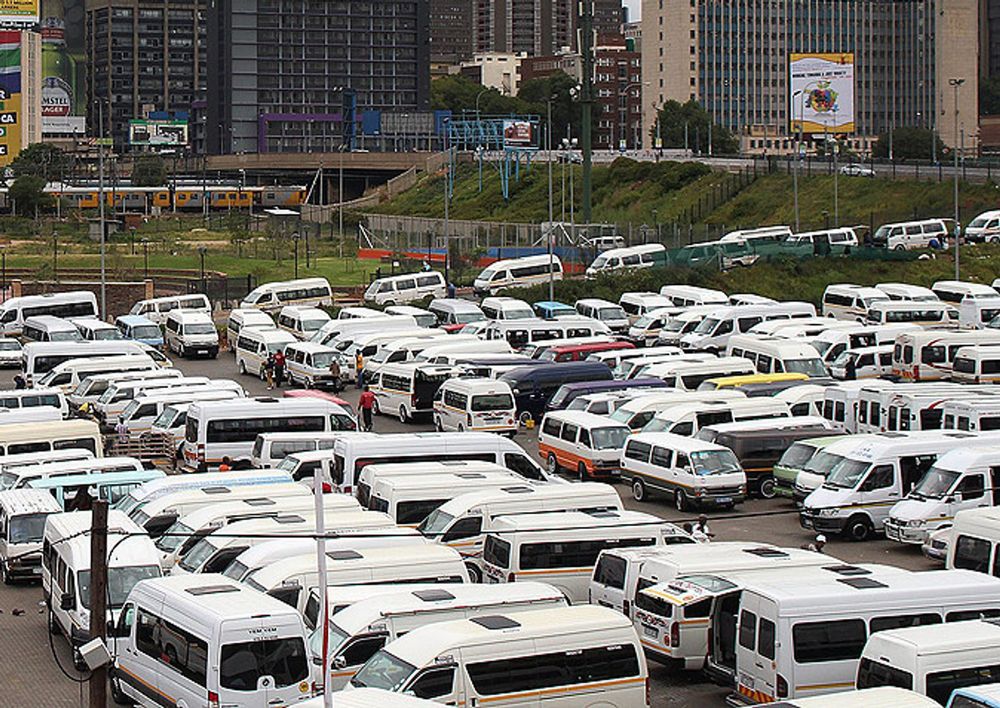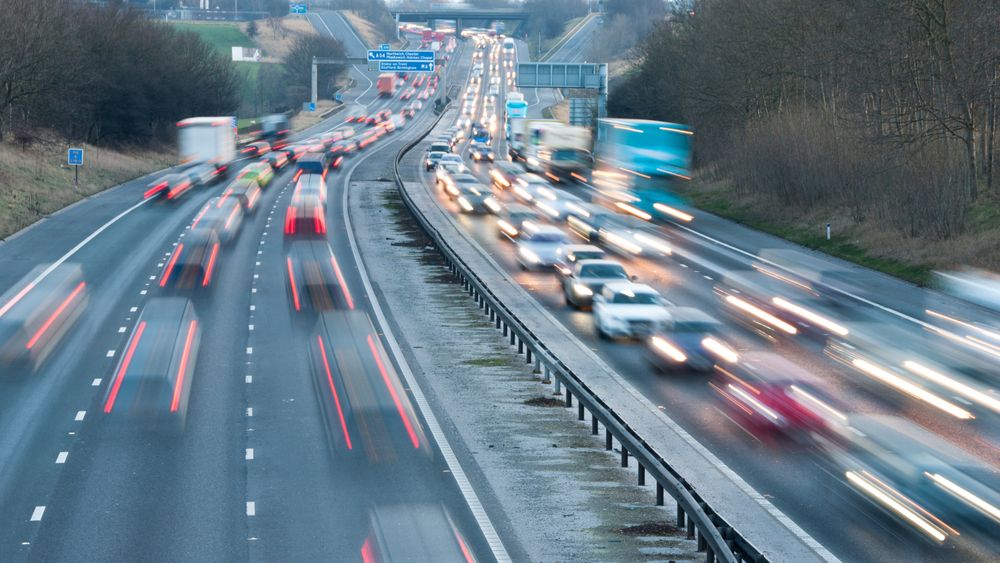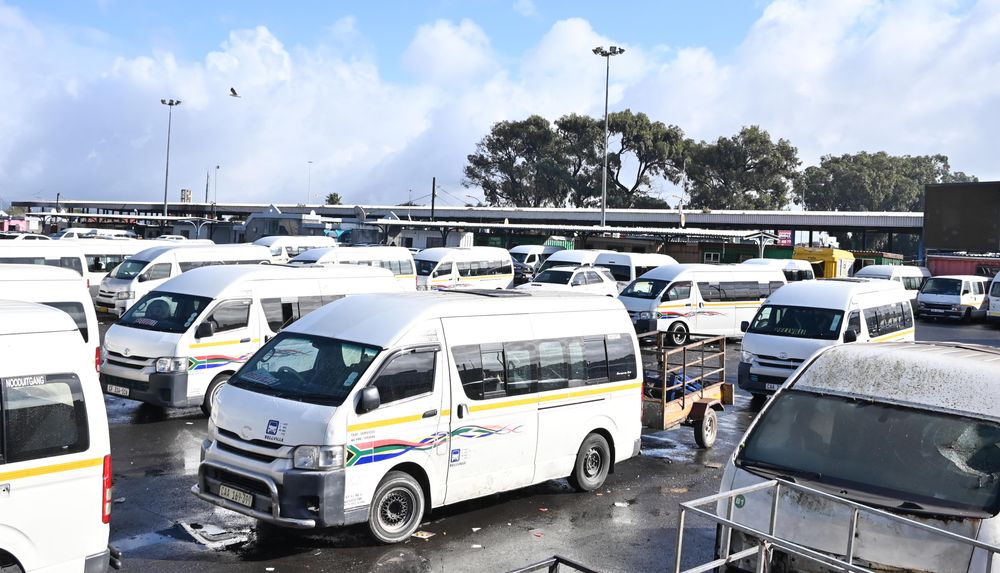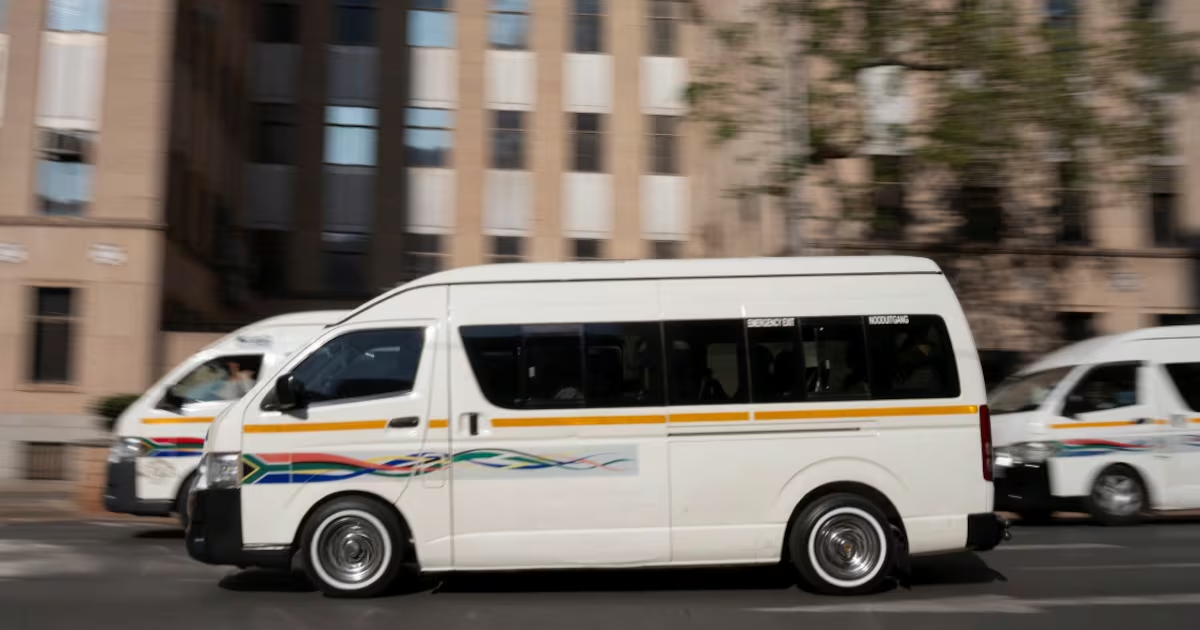
It’s tough to write good jokes about the new system, soon to be rolled out in some South African cities, whereby drivers will have points deducted from their licences. After all, the proposed system is itself a perfect joke, which means any attempt to improve on it will be futile. There’s also the fact that South Africa’s roads are no laughing matter. It’s well documented that we have the most dangerous roads in the world, roads on which you can be forced to a stop by aggressive brutes who proceed to beat you unconscious. And that’s just when the deputy president is late for a meeting.Even when there are no cars on them our roads are risky: it’s now entirely possible to drive down an empty street in Johannesburg only to have to veer wildly to avoid Helen Zille rowing a rubber duck in a pothole. Of course, not everyone has given up. Cape Town, for example, has effectively ended all reckless driving in that city by instituting permanent gridlock. Cape Town has always been a place that offers visitors a chance to slow down, and these days you can slow down the moment you step out of your door and into your car for the 10-minute trip to the end of your road. Admittedly, this won’t be news to any readers in Johannesburg, who have always been frustrated by the fabled sluggishness of Cape Town’s drivers. Indeed, to them it will seem that Cape Town has simply reached the destination it was always crawling towards. I also can’t argue with the received wisdom that Johannesburg produces better drivers than Cape Town: Johannesburgers clearly learn from infancy to keep their eyes on the road, presumably because there’s nothing else to look at.I don’t think it’s controversial or insulting to suggest that the new licence docking system will be treated by the taxi industry in the same way it treats traffic lights and the South African Revenue Service. Now, I know what I’ve done. I know that I’ve driven us straight into that potholed cul-de-sac of reheated, stale jokes about whether Cape Town or Johannesburg is better, a stupid competition since everyone knows South Africa’s favourite city is Dubai. So why have I dived into this dead end? Well, the answer is that even those old, stale jokes are funnier than the one I mentioned at the beginning, the one inexorably wrapped around the plan to slowly dock the licences of law-breaking drivers until those licences are suspended; a joke whose punchline is three depressing words: the taxi industry. To be clear, I have not been incensed by taxi drivers ever since I tried to see the world as they might and came to understand that they are not reckless motorists treating you and the laws with equal contempt. No, once you see our roads as the livelihood of taxi bosses, you understand that taxi drivers are in fact the harried drivers of very short trains, endlessly confronted by idiots like you and me who’ve somehow driven our cars onto their tracks.Still, I don’t think it’s controversial or insulting to suggest that the new licence docking system will be treated by the taxi industry in the same way it treats traffic lights and the South African Revenue Service. Which would be fine if it were just a small cottage industry, pootling along on the periphery of the economy. But the taxi industry isn’t peripheral. Thanks to apartheid spatial planning, the destruction of rail infrastructure by the ANC government and the government’s eagerness to hand over public transport duties to taxi bosses, those bosses are now utterly central to the running of what remains of South Africa’s economy, and it seems vanishingly unlikely that they will allow their drivers to be pulled off the roads en masse. Of course, there are bound to be some economic windfalls, not least for whichever landscaping firm wins the contract to take over the running of the IT system from whichever catering firm first won it.And that’s to say nothing of the new opportunities for bribes that the new system will offer. According to weekend reports, if your car was being driven by someone else when it was caught breaking the law, you can apply to have the demerits aimed at the actual driver rather than you. Just imagine the fleets of sacrificial drivers that are about to be employed, whether real or phantasms who exist only on forged documents, absorbing demerit after demerit …It goes without saying that we all want safer roads and I’m sure the demerit system works beautifully in countries in which traffic police exist. But the question remains: cameras and points aside, who, exactly, is going to pull these licence-less drivers off the road? And how many will they pull off before the taxi blockades begin?• Eaton is an Arena Holdings columnist.
TOM EATON | SA’s new driving demerit system hits a roadblock: the taxi industry
Weak enforcement and the taxi sector's dominance raise doubts about its effectiveness
811 words~4 min read