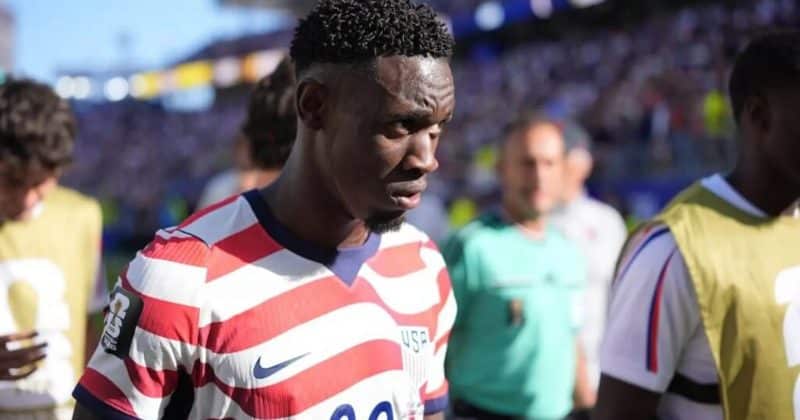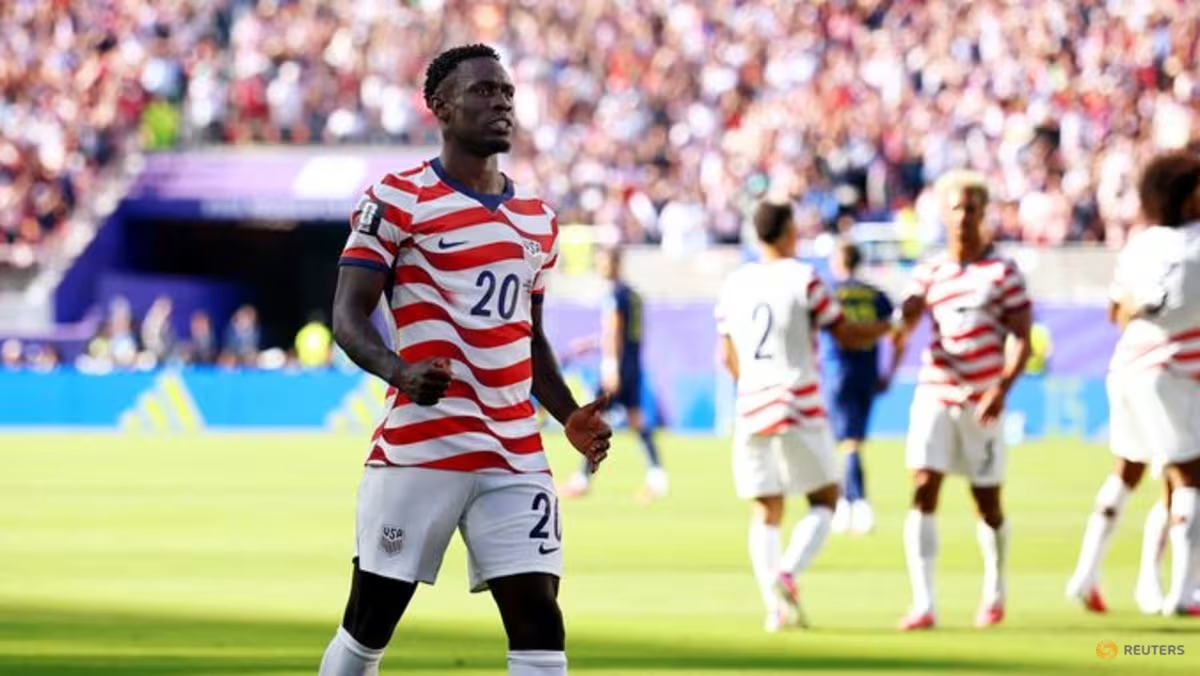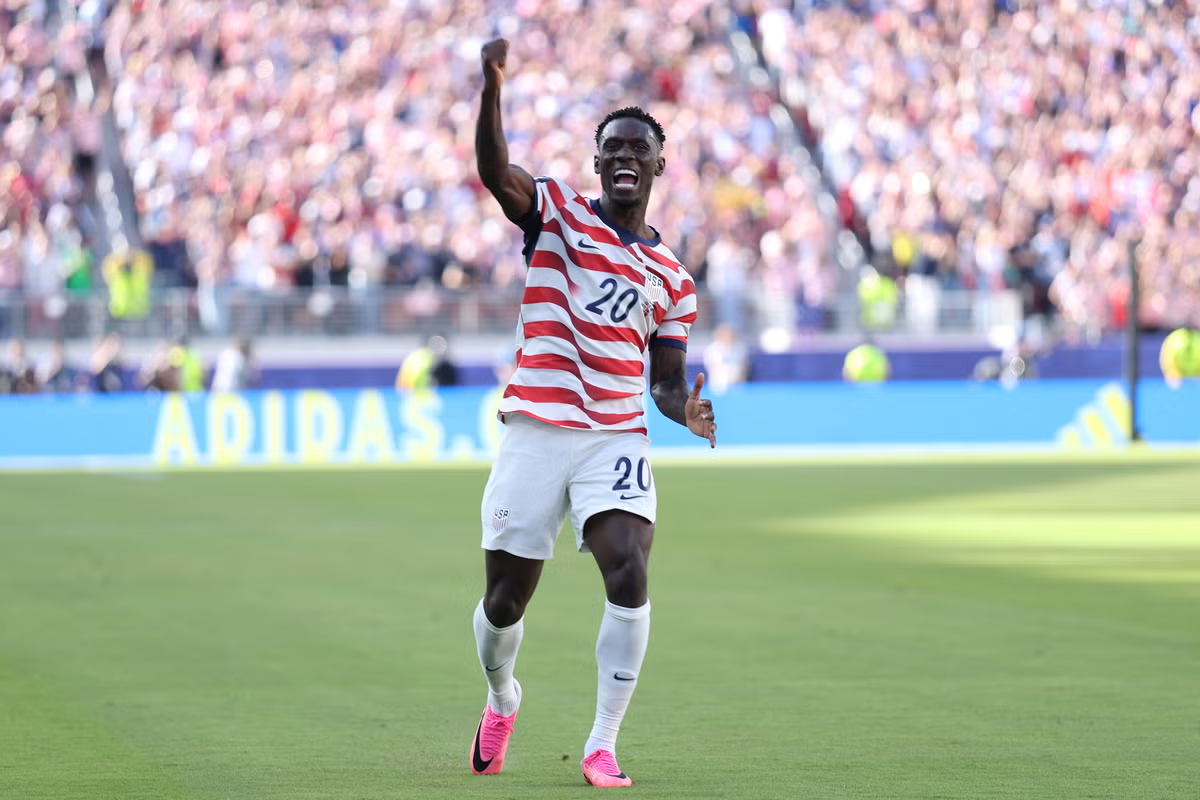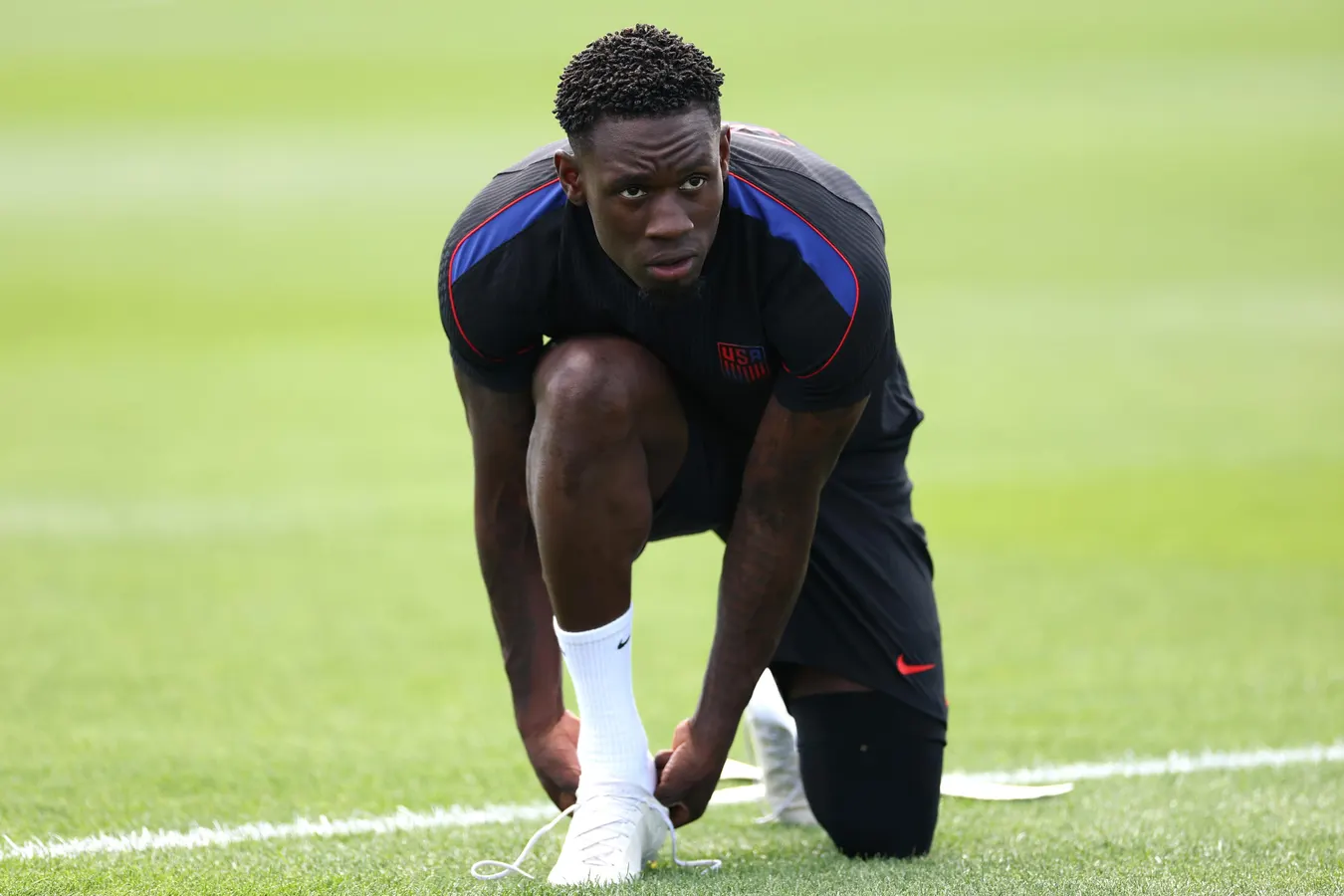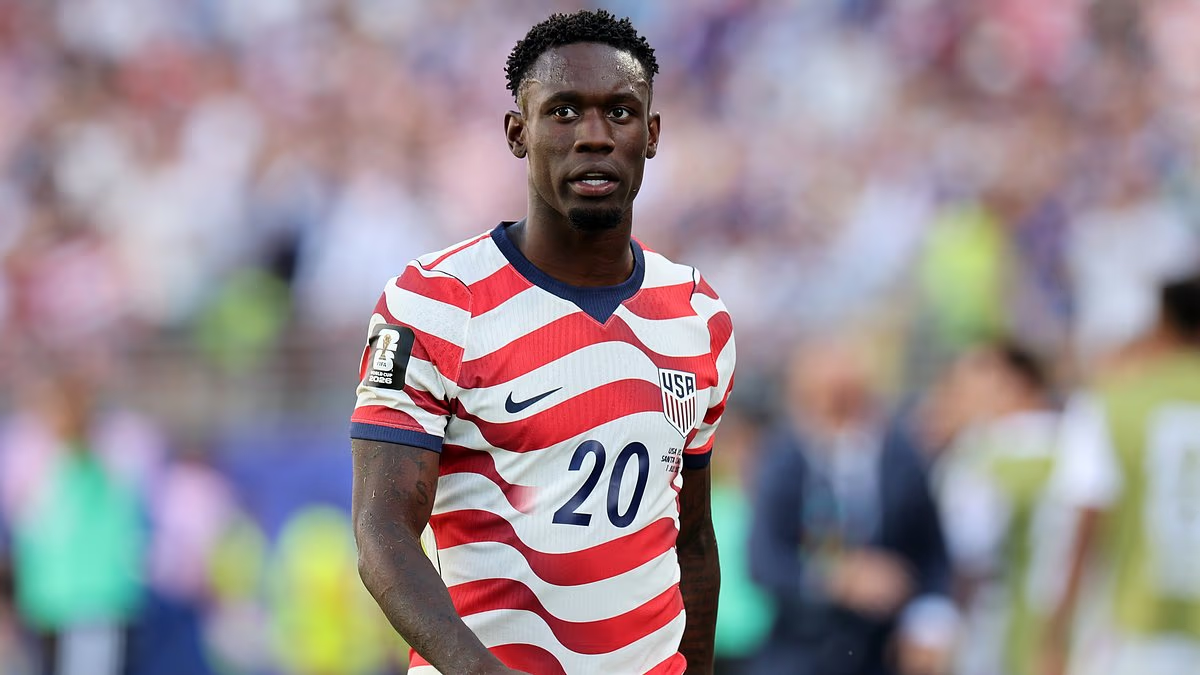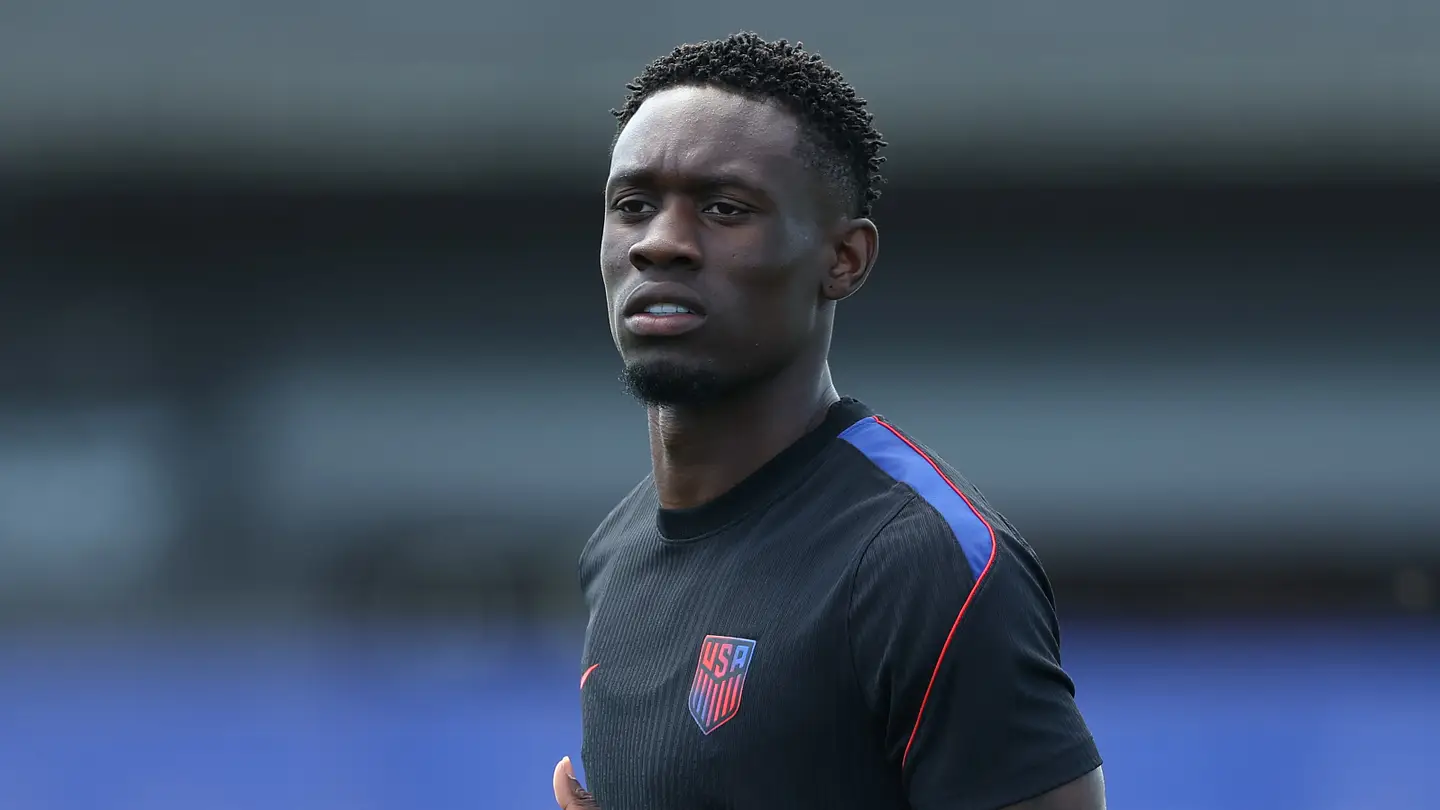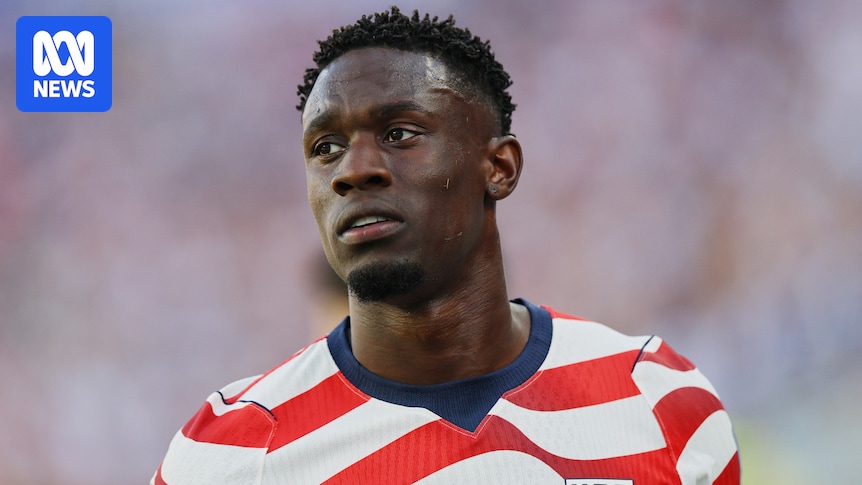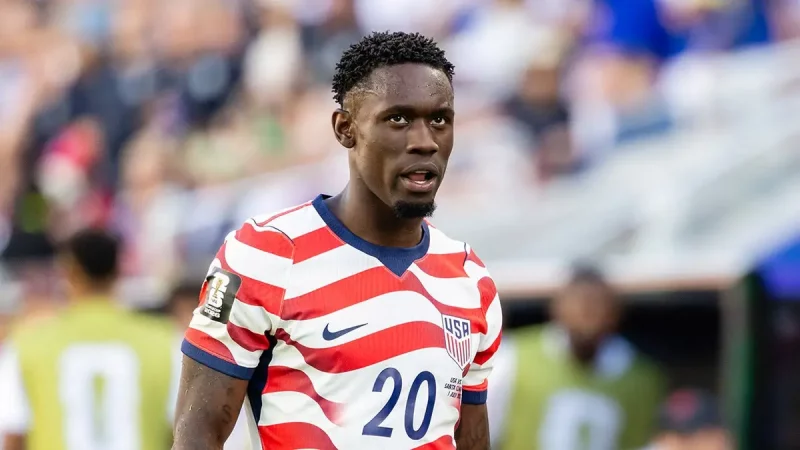
FIFA’s Disciplinary Committee has ruled Belgium’s challenge against US striker Folarin Balogun’s eligibility “inadmissible,” clearing him to play in the 2026 World Cup round of 16 matchup in Seattle. The decision, handed down on July 6, arrives after a chain of events that reads less like standard sports governance and more like a masterclass in political pressure campaigns.
Balogun picked up a red card during the US team’s round-of-32 victory over Bosnia and Herzegovina. Under normal FIFA procedure, that triggers an automatic one-match suspension. But then the suspension was deferred. FIFA placed it under a one-year probationary period, citing Article 27 of its Disciplinary Code. In English: Balogun gets to play now, and the ban only kicks in if he gets into trouble again within the next year.
Belgium’s soccer federation didn’t love that. They filed a formal appeal challenging Balogun’s eligibility to play in the upcoming match. FIFA’s response was blunt: inadmissible. Not “denied on the merits.” Inadmissible, as in “we’re not even going to entertain the argument.”
The timing matters. US President Donald Trump reportedly reached out directly to FIFA President Gianni Infantino, requesting a reevaluation of the initial ruling against Balogun. Whether that call was the decisive factor or merely coincidental is a question FIFA hasn’t explicitly answered.