Japan’s Growth Strategy Minister Minoru Kiuchi wants to make one thing very clear: the government is not trying to pressure the Bank of Japan into cutting interest rates. Reports suggesting otherwise, he says, are simply incorrect.
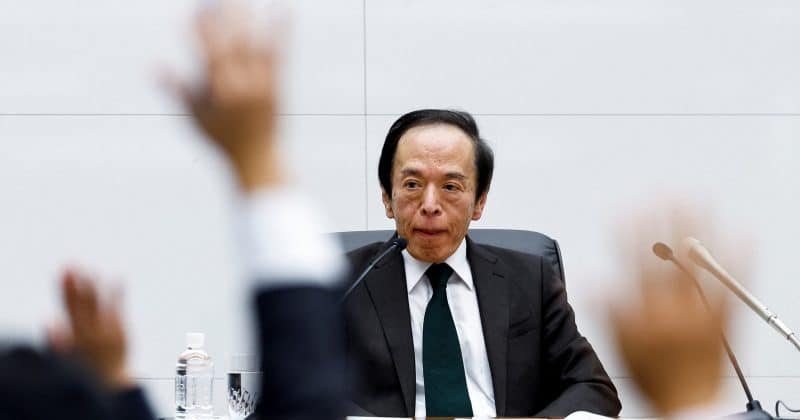
Kiuchi’s pushback is directed at media reports claiming the Japanese government was actively seeking to lower interest rates. His position is straightforward: the specific tools of monetary policy are for the Bank of Japan to decide, not the government.
On June 16, the BoJ raised its short-term policy rate to 1%, the highest level in 31 years. After decades of near-zero and even negative interest rates, Japan is finally joining the rest of the developed world in tightening monetary policy to combat inflation.
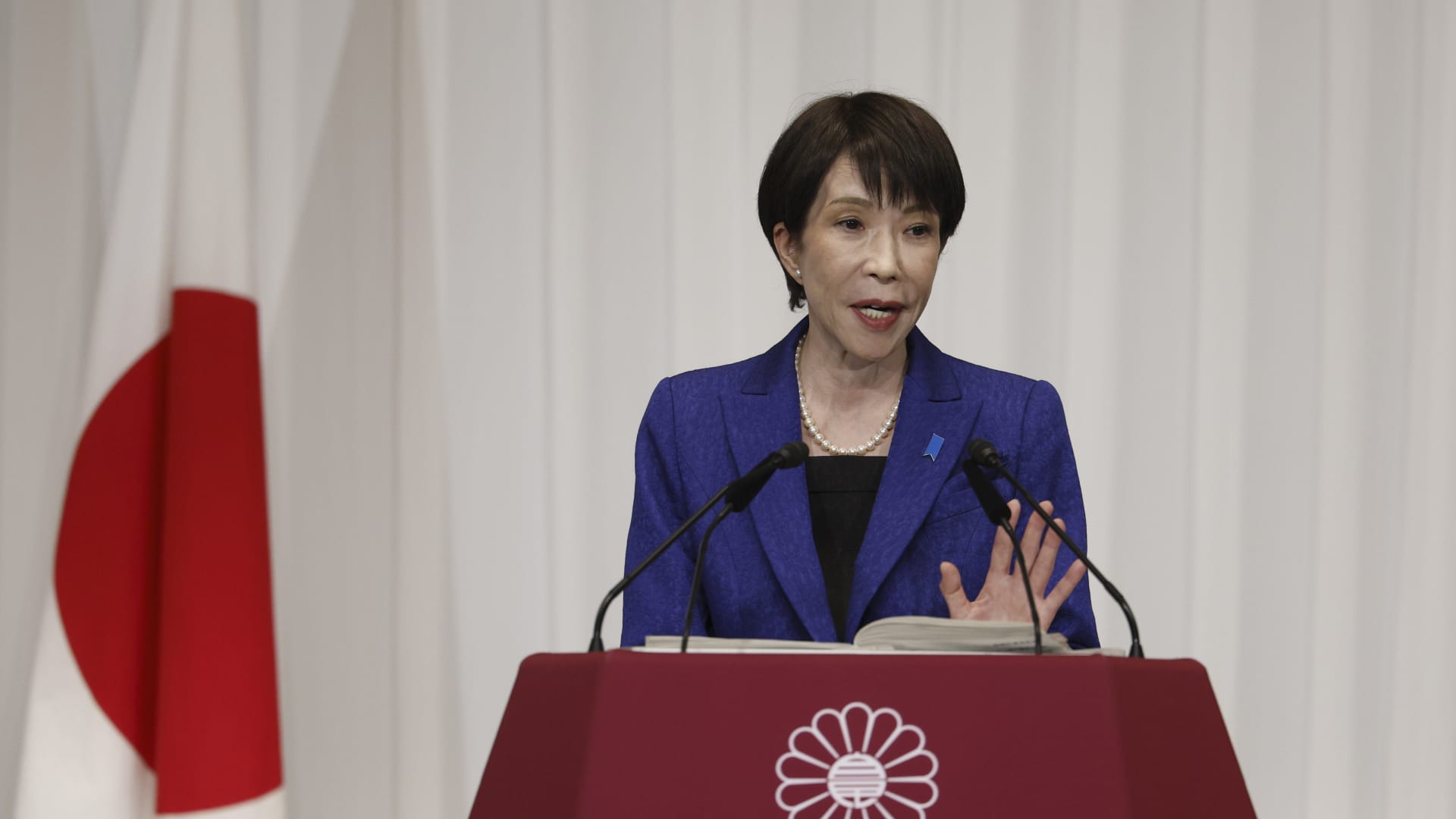
Prime Minister Sanae Takaichi’s government has focused on fiscal expansion and growth initiatives. But the administration has apparently drawn a line: spend aggressively on the fiscal side while letting the BoJ handle monetary policy independently. Kiuchi’s comments reinforce that boundary.
For years, Japan’s ultra-low rates made the yen a favorite funding currency for carry trades. Investors would borrow cheaply in yen and park that money in higher-yielding assets, including risk assets like crypto. When yen rates rise, those trades start to unwind. Capital flows reverse. Risk assets feel the pressure.