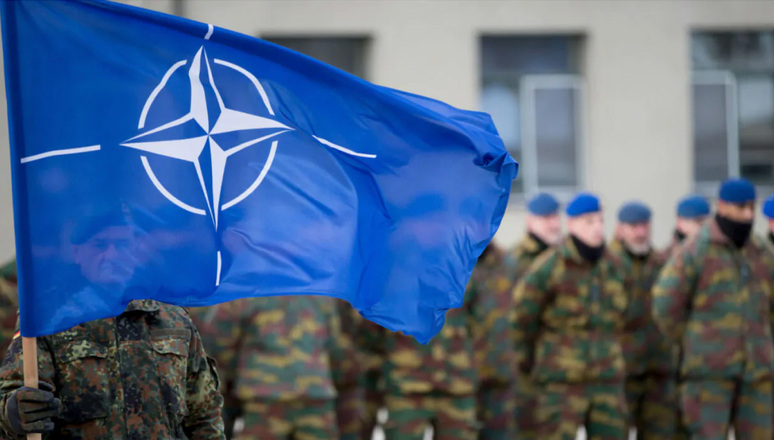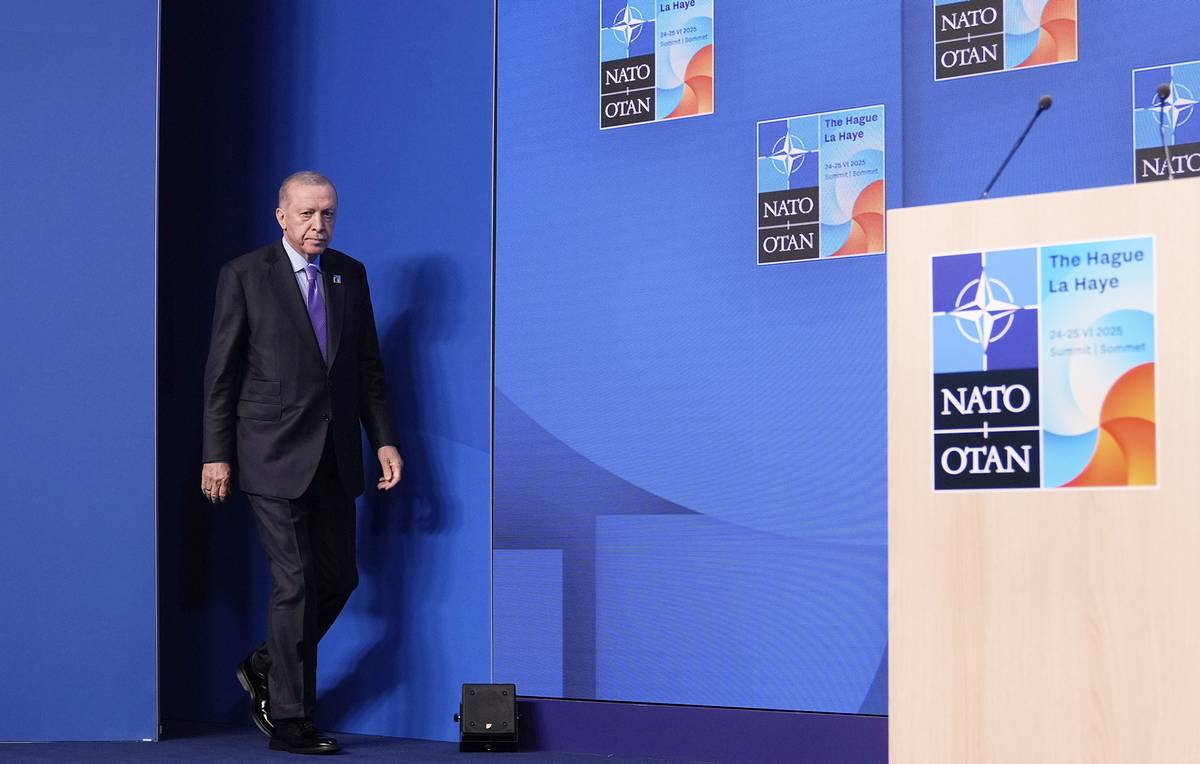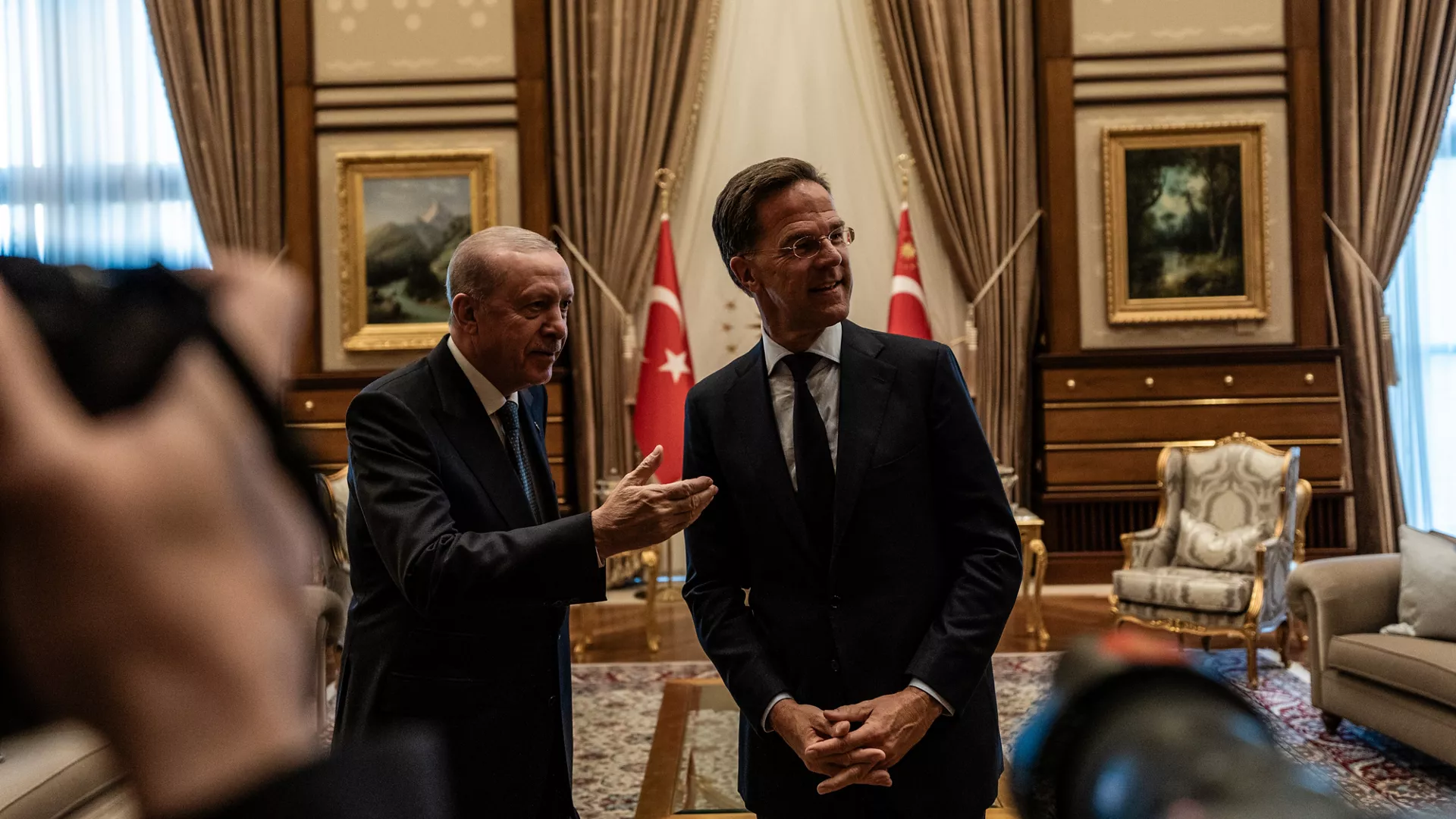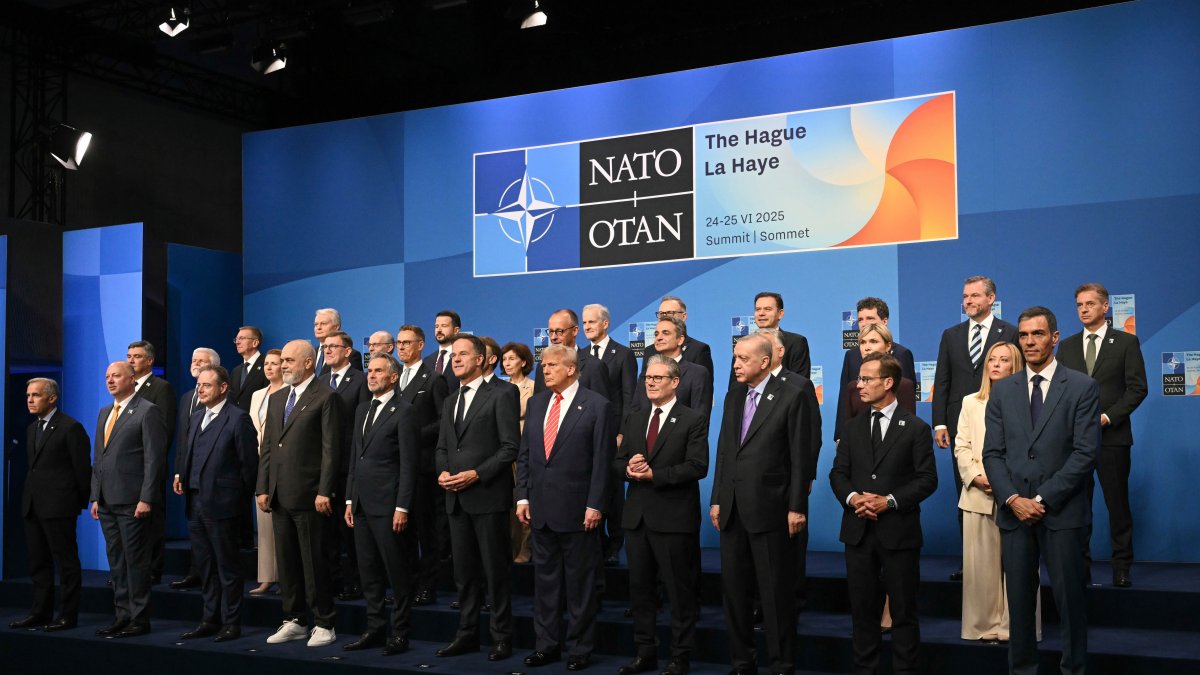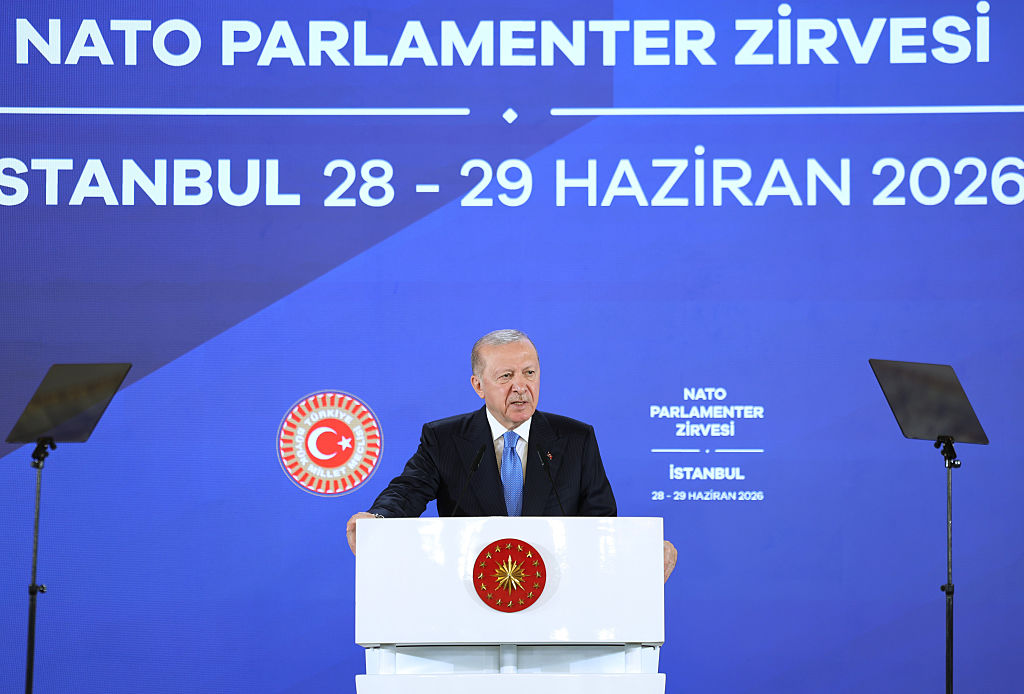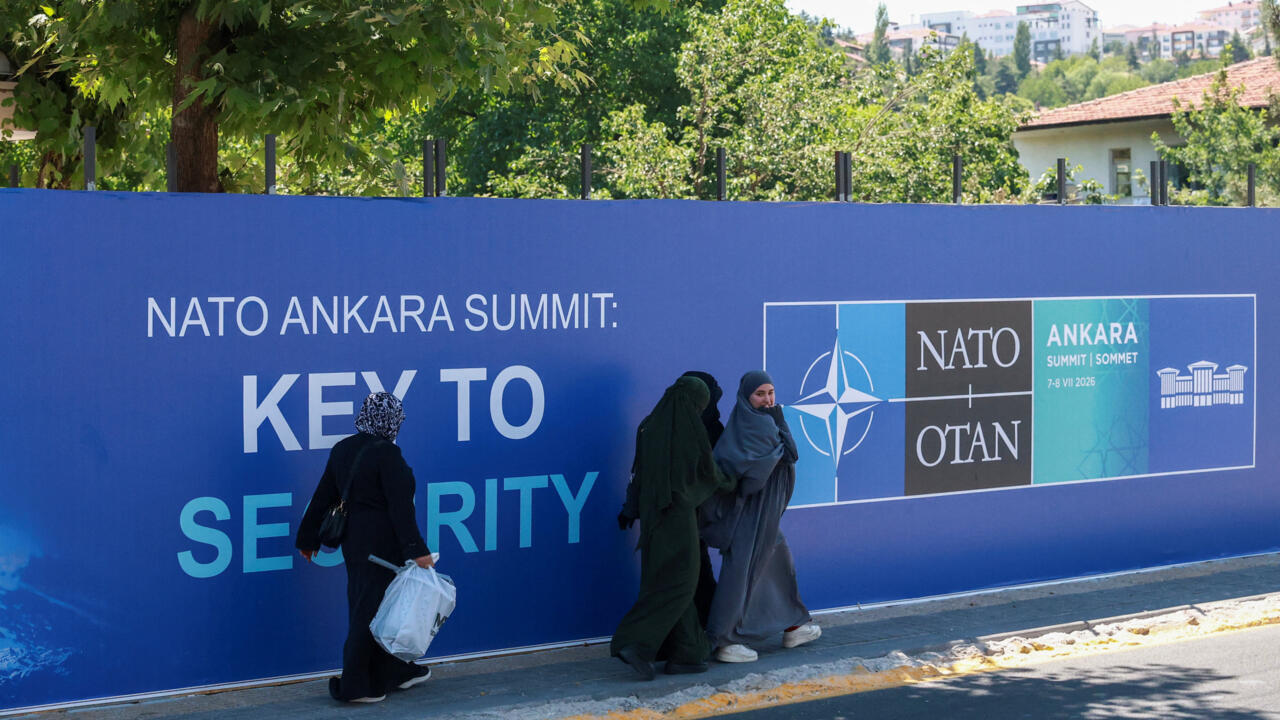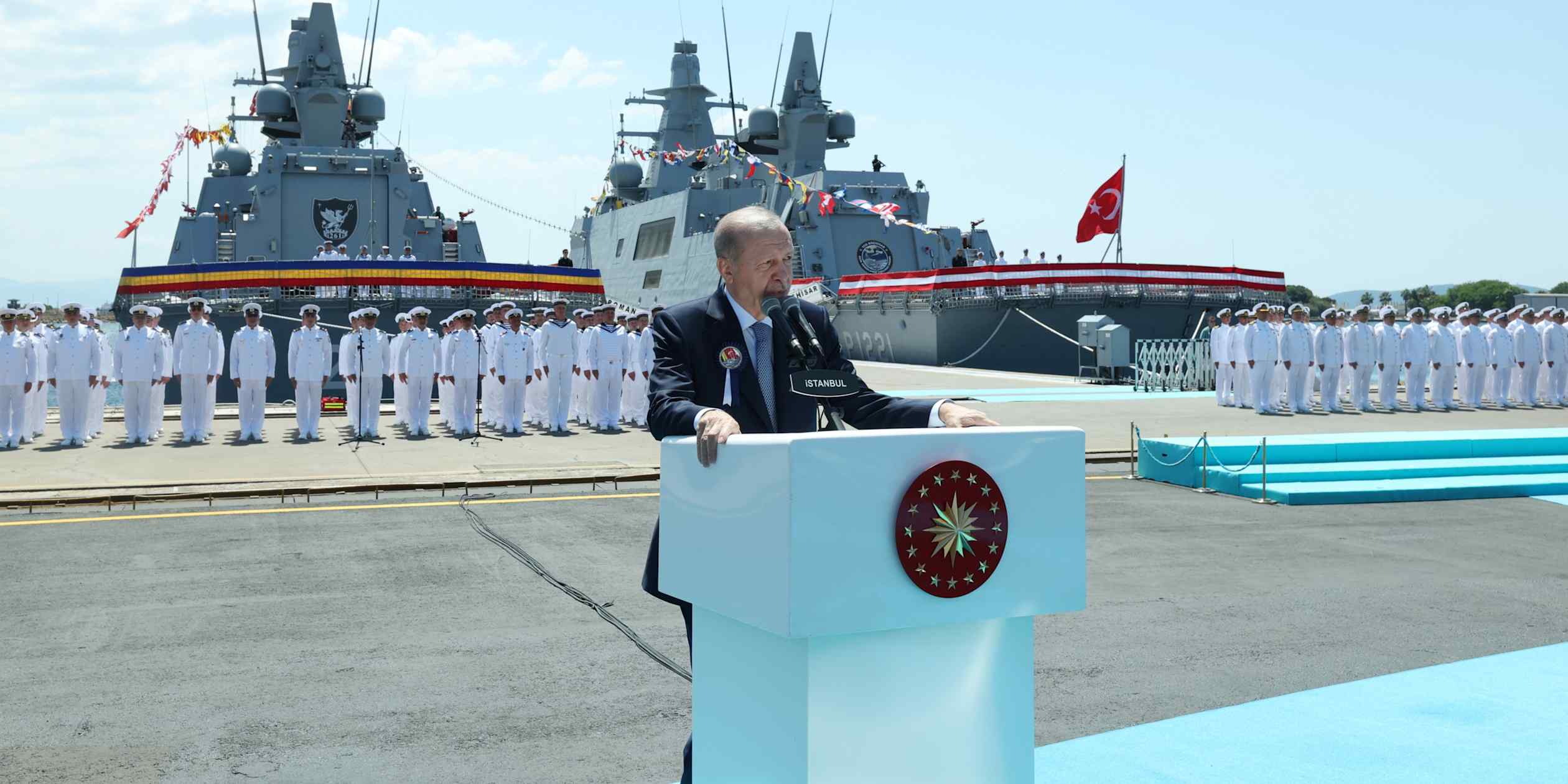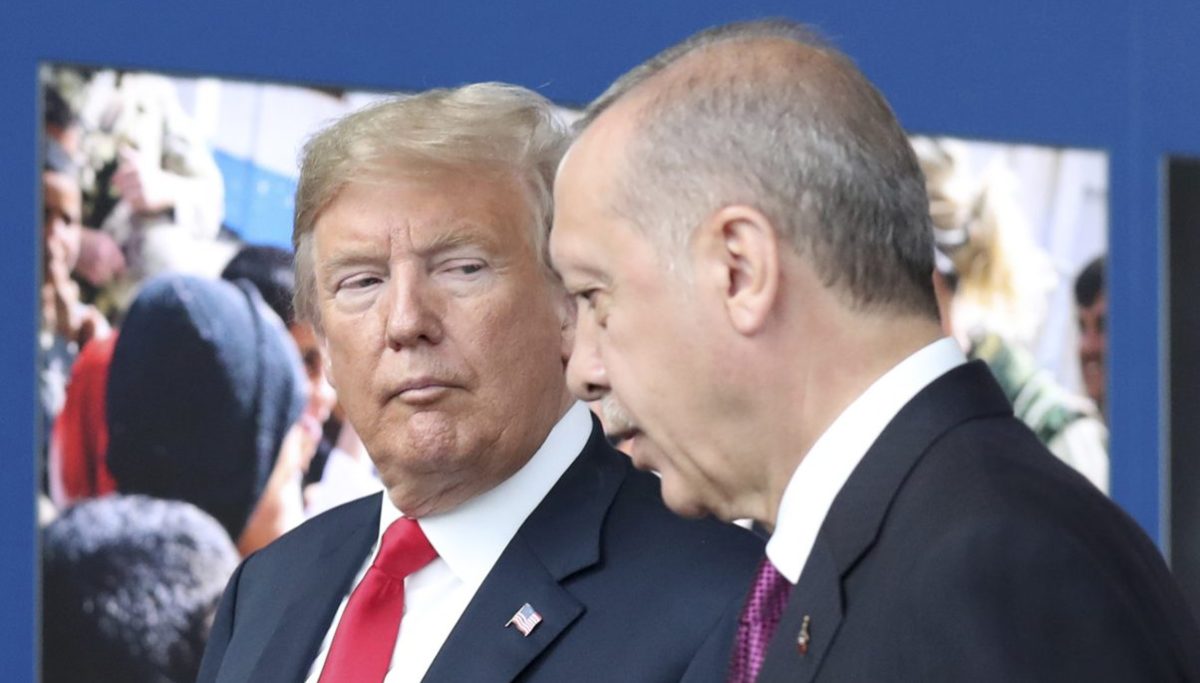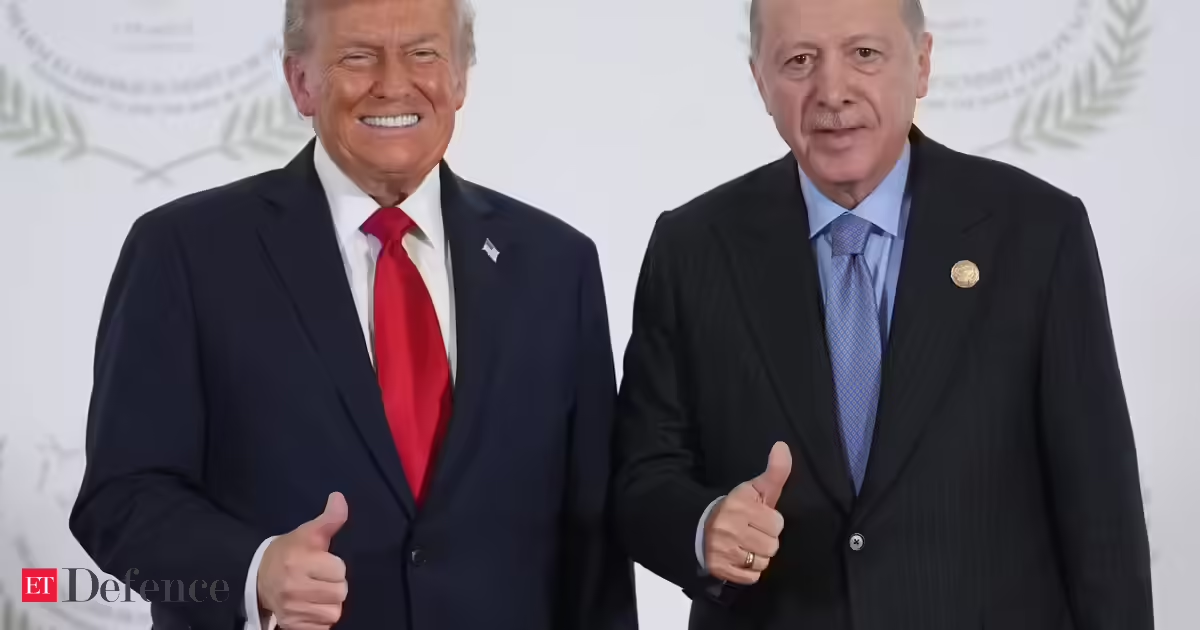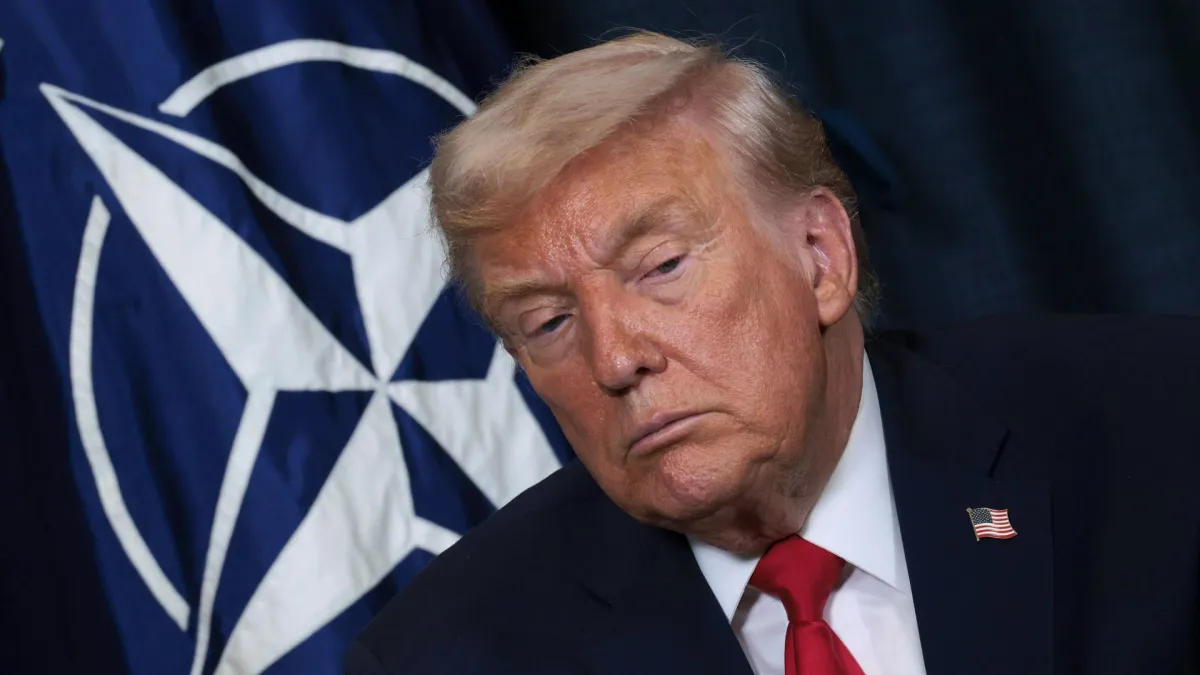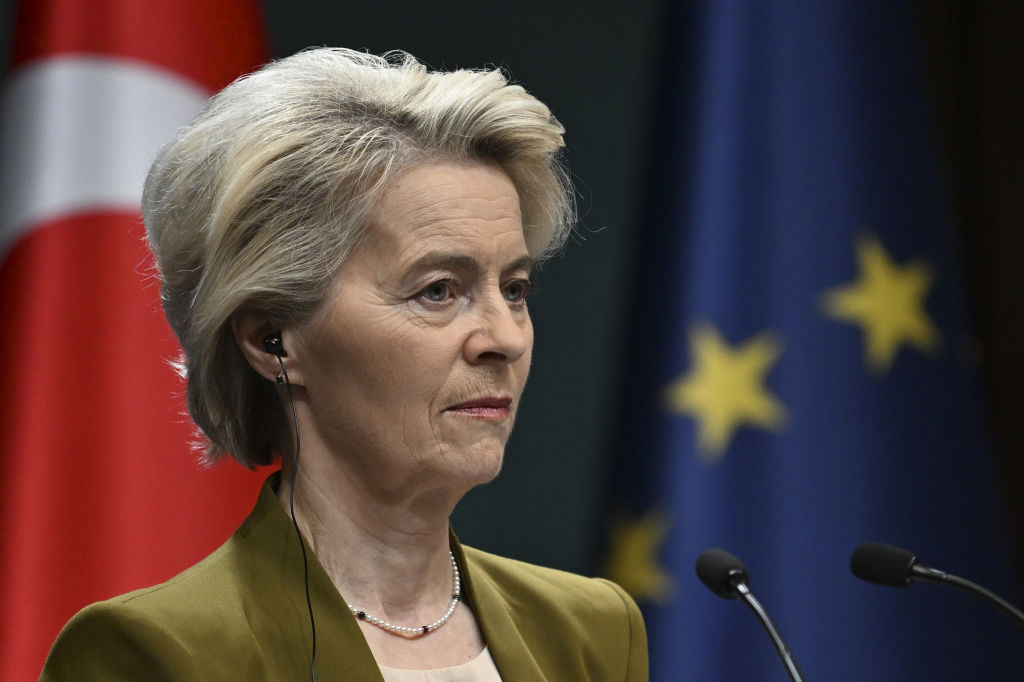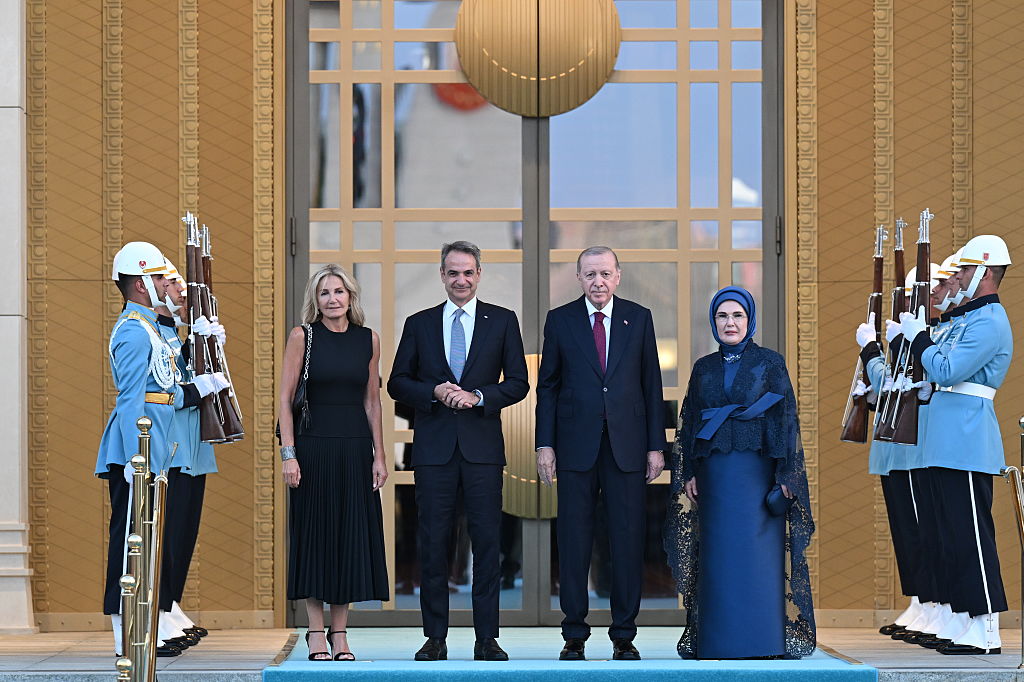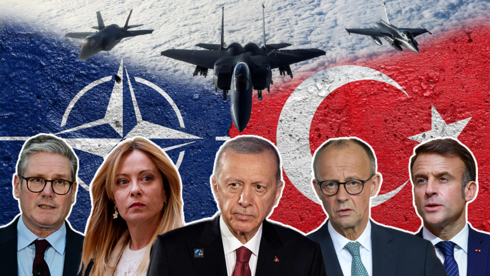
Europe’s military buildup and Trump’s push for greater allied defense spending have transformed Ankara from NATO’s most difficult member into one of its most valuableUnder President Recep Tayyip Erdogan, Turkey was long viewed as NATO’s black sheep. Its importance as the alliance’s second-largest military after the United States was never in doubt, but European leaders remained deeply suspicious of Erdogan, repeatedly criticizing his crackdown on political opponents. They even blocked him from hosting a previous NATO summit a decade ago.For his part, Erdogan delayed Sweden’s accession to NATO only a few years ago, giving his approval only after securing a series of concessions from Stockholm.Prime Minister Benjamin Netanyahu calls on US not to sell F-35 jets to Turkey (Video: Fox News)Now, with President Donald Trump’s administration pledging to reduce the U.S. role in defending Europe against what many allies see as a growing Russian threat, and as European countries urgently seek drones, ammunition and other weapons, many of those tensions have faded. Erdogan has emerged as one of NATO’s most important partners.At the NATO summit opening Tuesday in Ankara and continuing Wednesday, leaders of the alliance’s 32 member states are expected to gather to discuss Europe’s security challenges. Public criticism of Turkey’s domestic political crackdown has largely disappeared, and previous objections to defense cooperation with Ankara’s expanding arms industry have also subsided.GalleryNATO (Photo: Adam Radosavljevic/Shutterstock, John MacDougall - Pool/Getty Images, Manon Cruz /POOL/AFP, REUTERS/Remo Casilli, Sean Gallup/Getty Images, Harnik/GETTY IMAGES NORTH AMERICA/AFP)For Erdogan, the summit could also bring what would amount to its biggest prize: a possible agreement with the United States to sell Turkey F-35 stealth fighter jets after years of exclusion from the program because of Ankara’s purchase of Russia’s S-400 air defense system. The prospect has raised concerns in Israel, with Prime Minister Benjamin Netanyahu publicly urging Trump on Monday not to approve the sale.Trump has not explicitly confirmed that the sale will move forward, although Turkey has recently signaled it could abandon the Russian-made S-400 system. Last month, however, Trump suggested progress was possible, saying, “I'm going to probably do something that's going to make him very happy,” referring to Erdogan.During the same appearance with NATO Secretary-General Mark Rutte, Trump emphasized the importance of his relationship with Erdogan, saying he would attend the summit despite frustration that NATO allies had not supported the United States during its conflict with Iran.US President Donald Trump and Turkish President Recep Tayyip Erdogan (Photo: Evan Vucci - Pool/Getty Images)“I don't think I would have gone to it. I'm going out of respect to President Erdogan,” Trump said. The visit marks his first trip to Turkey as president.Rutte also praised Turkey, saying the country had undergone a “defense industrial revolution,” making it increasingly important as European governments seek to meet Trump’s demands for sharply higher defense spending and assume a greater share of the burden for the continent’s security as Washington scales back its military presence.The Ankara summit is expected to feature announcements of billions of dollars in new arms deals as European governments seek to demonstrate to Trump that they are serious about meeting the alliance’s defense spending target.NATO Secretary-General Mark Rutte (Photo: Chris McGrath/Getty Images)Under an agreement reached last year, NATO members committed to raising defense-related spending to 5% of gross domestic product, including 3.5% on direct military expenditures and 1.5% on infrastructure supporting defense, such as roads, bridges and ports.Spain has openly rejected the target, drawing Trump’s criticism, while several other countries remain below even NATO’s previous goal of spending 2% of GDP on defense. The Trump administration has threatened consequences for allies that fail to meet the new benchmark as it pushes what officials have described as “NATO 3.0” — a rebalanced alliance in which Europe assumes far greater responsibility for its own defense.Turkey is expected to play a central role in that effort, with analysts predicting that at least some of the new procurement announcements will involve Turkish defense manufacturers.Trump and Rutte at the White House (Video: White House)As the United States gradually reduces its military footprint in Europe and concerns grow that Russian President Vladimir Putin could test NATO’s mutual defense commitment, Turkey is increasingly viewed as a cornerstone of the alliance. While it has long been regarded as critical to NATO’s eastern flank because of both its large military and its strategic control over access to the Black Sea, its role as a major arms supplier is expanding rapidly.Turkey’s defense industry now generates about $10 billion annually. According to Bloomberg, 56% of Turkish arms exports last year went to the United States, Europe and other Western countries.Turkish defense exports have quadrupled since 2020, and Ankara hopes to secure a significant share of Europe’s expanding military procurement budgets.The NATO summit in Ankara, Turkey (Photo: Reuters/Yves Herman)“Historically, Turkey’s value to NATO was seen as stemming mainly from its strategic geography and the size of its military,” Ozgur Unluhisarcikli, head of the German Marshall Fund in Turkey, a U.S. public policy think tank, told Bloomberg. “Increasingly, however, its defense industry has become an equally important asset.”Turkey increasingly sees itself as capable of filling part of the vacuum left by the United States’ reduced role in Europe. Speaking last week, Erdogan urged European governments to remove barriers to defense cooperation with Turkey.“We must ensure that burden-sharing among allies is balanced and fair,” Erdogan said, “while also removing barriers to defense-industry trade.”The NATO summit in Ankara, Turkey (Photo: Reuters/Umit Bektas)Despite those barriers, defense cooperation between Turkey and Europe has expanded significantly in recent years, fueled by the war in Ukraine, which sharply increased demand for Turkish-made drones and NATO-standard artillery shells.Although Turkey was excluded from the European Union’s 150 billion euro defense investment loan initiative announced last year, Ankara has found ways to gain access to the European market. Turkish drone manufacturer Baykar, for example, formed a joint venture with Italy’s Leonardo, while Turkish Aerospace Industries signed a deal last year to sell 30 Hurjet trainer aircraft to Spain.According to Bloomberg, citing people familiar with the matter, Turkey is also seeking to participate in NATO’s planned $28 billion infrastructure expansion by building underground fuel pipelines intended to strengthen the alliance’s energy security.The NATO summit in Ankara, Turkey (Photo: Reuters/Efekan Akyuz)Behind what Rutte has described as a “defense industrial revolution” lies years of heavy investment by Erdogan to strengthen Turkey’s military and defense industry — a trend that has also raised concerns in Israel. Several Turkish ministers have issued explicit threats against Israel in recent months, although Israeli officials continue to say Turkey is not formally considered an enemy state.A senior Turkish official told the Financial Times that one of the key drivers behind the country’s defense industry growth was a special investment fund established by Erdogan, which directed money outside the regular state budget, including to companies owned by political allies. By 2018, the fund had reached $3 billion, equal to about 0.5% of Turkey’s gross domestic product.“We are reaping the benefits,” the official told the newspaper, predicting Turkish defense exports could rise 30% this year to $13 billion.“Europe has a lot it can learn from us,” the official added with a smile, according to the Financial Times.An honor guard welcomes North Macedonian President Gordana Siljanovska-Davkova in Ankara on Monday ahead of the summit (Photo: Metin Aktas/Pool via Reuters)For Erdogan, there is reason to celebrate. His growing influence within NATO marks a dramatic turnaround in relations with Western leaders, whom he accused only a decade ago of supporting those behind the failed 2016 coup attempt against him.Even before the attempted coup, Turkey was widely viewed in Europe as a country with a deteriorating human rights record, and European leaders blocked Erdogan’s effort to host a NATO summit in 2018.Following the failed coup, Erdogan launched a sweeping purge of the military, civil service and judiciary, dismissing tens of thousands of officials accused of disloyalty. Critics say the crackdown has only intensified in recent years.Communist activists protest NATO in Istanbul over the weekend with a sign comparing Netanyahu to Hitler. It reads in Turkish: 'Robber America, murderer Israel' (Photo: Radley Secker/Getty Images)Ahead of this week's summit, Turkish media reported that authorities detained about 200 people in what officials described as an anti-terrorism operation linked to summit security. Rights groups and opposition figures, however, said some of those detained were civil society activists, lawyers and academics.Days before the summit, authorities also arrested a prominent comedian after he referred to Erdogan as a “dictator” during a performance. Independent media outlets seeking to cover the summit were denied accreditation.Communist activists protest NATO in Istanbul over the weekend (Photo: Reuters/Kemal Aslan)Unlike in previous years, however, European governments have largely refrained from publicly criticizing Turkey’s domestic political crackdown.Western diplomats told Reuters that public criticism would do little to strengthen democracy in Turkey and that concerns are instead being raised privately with Turkish officials.European skepticism toward Ankara nevertheless remains.Suspicion remains. European Commission President Ursula von der Leyen looks out from her car after landing in Ankara on Monday (Photo: Metin Aktas, Pool Photo via AP)That was underscored in April when European Commission President Ursula von der Leyen briefly sparked controversy after warning that Europe risked “falling under the influence of Russia, China and Turkey.” Her office later clarified the remarks, but Erdogan responded days later with a pointed rebuke.“Europe needs Turkey more than Turkey needs Europe,” he said.Europe’s muted response to Erdogan’s domestic policies has drawn criticism from human rights advocates, who argue that the continent is encouraging increasingly authoritarian behavior.“It remains important for the West to continue to comment on the degradation of democratic institutions in Turkey because the course is not irrevocably set, Turkey is not beyond the pale,” former U.S. Ambassador to Turkey David Satterfield told Reuters.“It's important that Turks hear others talking about their system in this way,” added Satterfield, who now heads the Baker Institute for Public Policy.Karol Wasilewski of the Center for Eastern Studies in Warsaw said Europe appears to have “given up on values” in favor of a transactional relationship with Ankara because Turkey has become indispensable to the continent’s defense.According to Wasilewski, Ankara understands that Western criticism — including over the treatment of the CHP opposition party — will remain limited and “won't translate into action.”
Turkey’s Erdogan goes from NATO outlier to key ally as Europe rearms
Europe’s military buildup and Trump’s push for greater allied defense spending have transformed Ankara from NATO’s most difficult member into one of its most valuable
1,697 words~8 min read