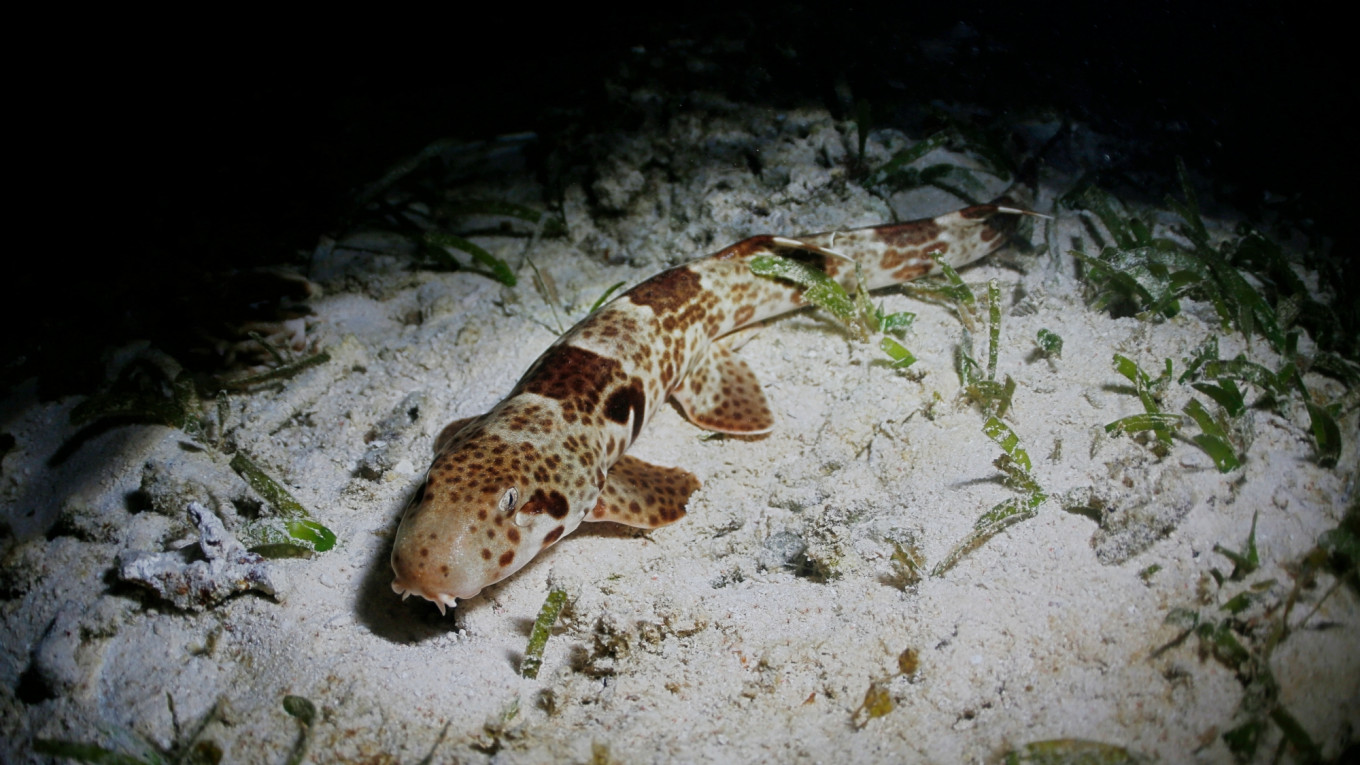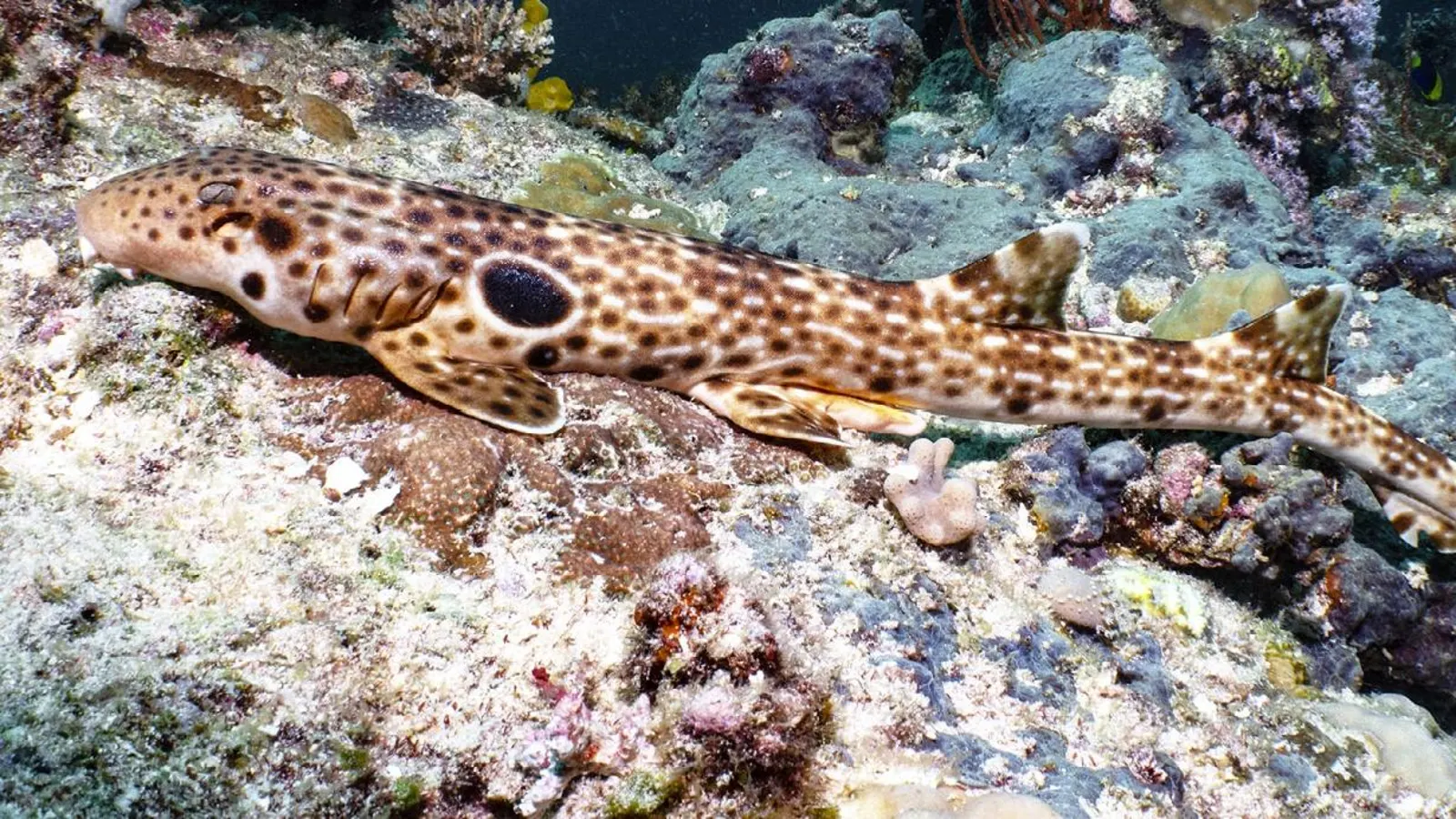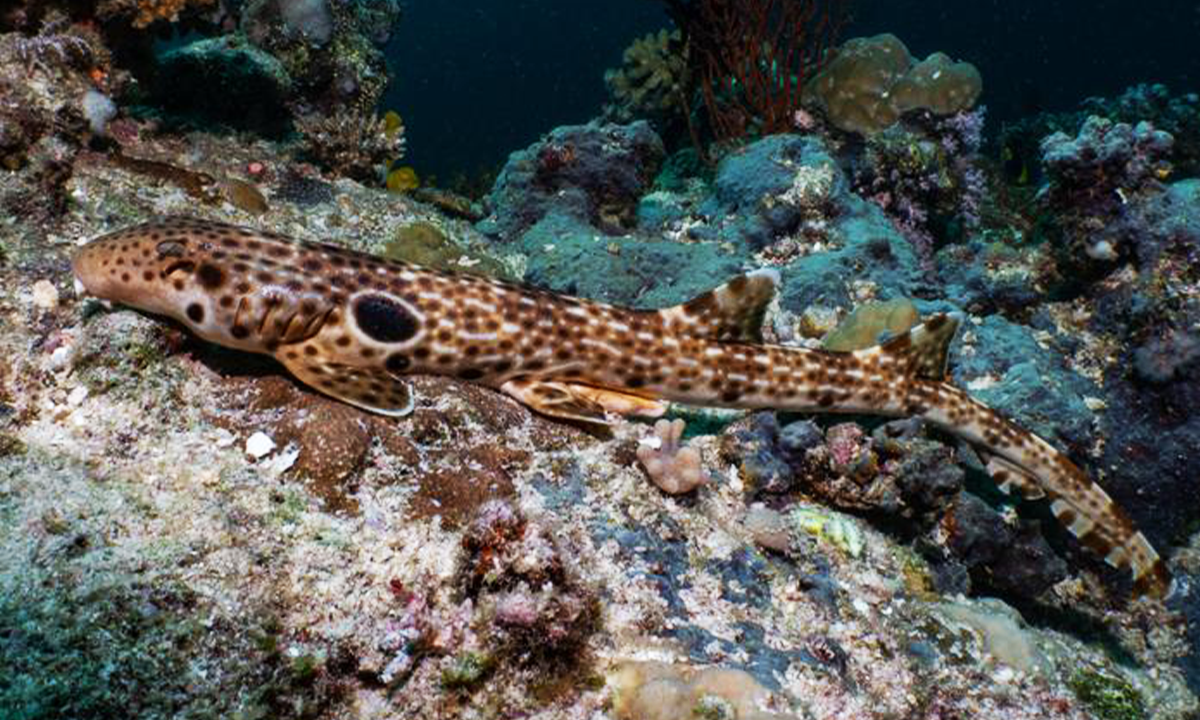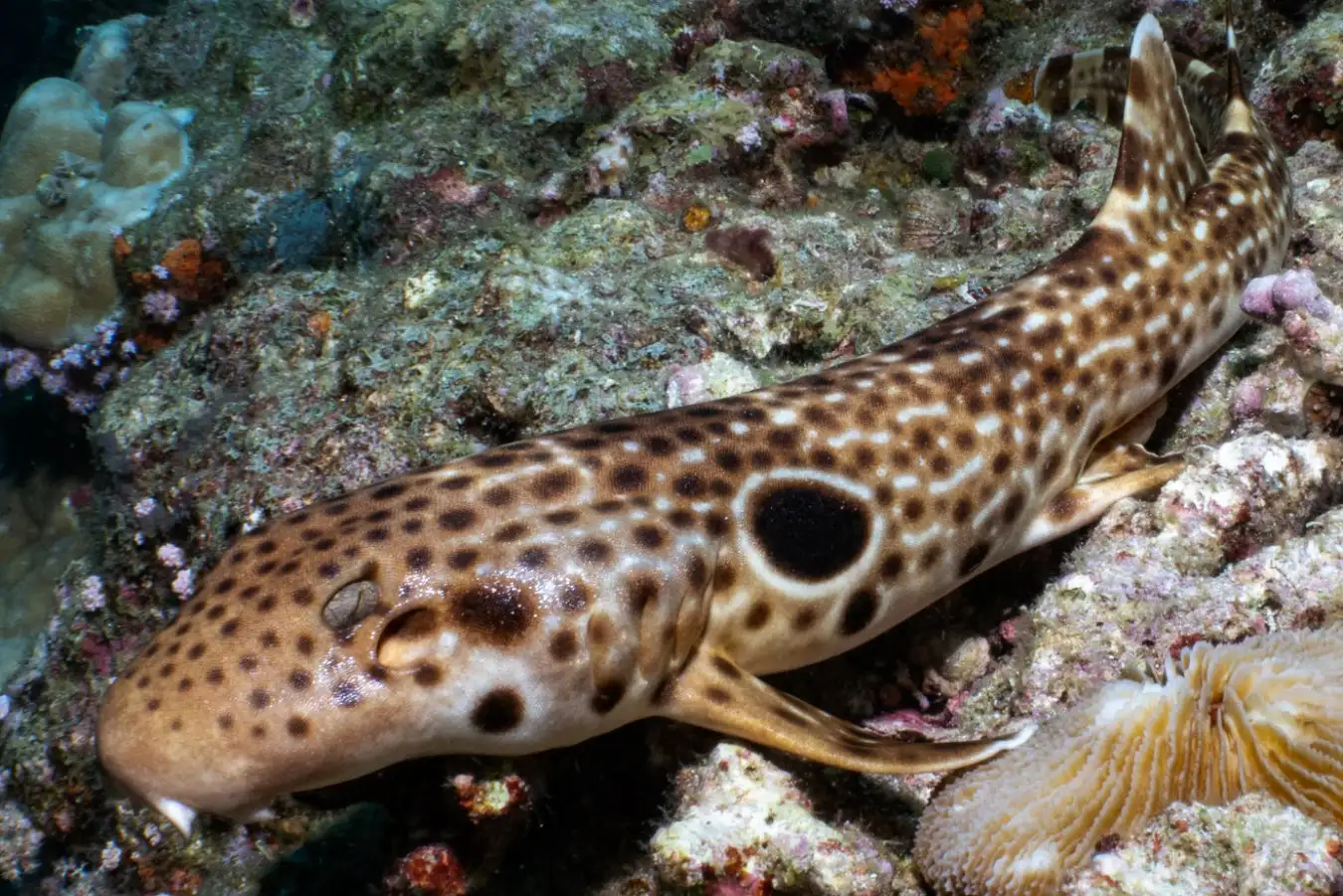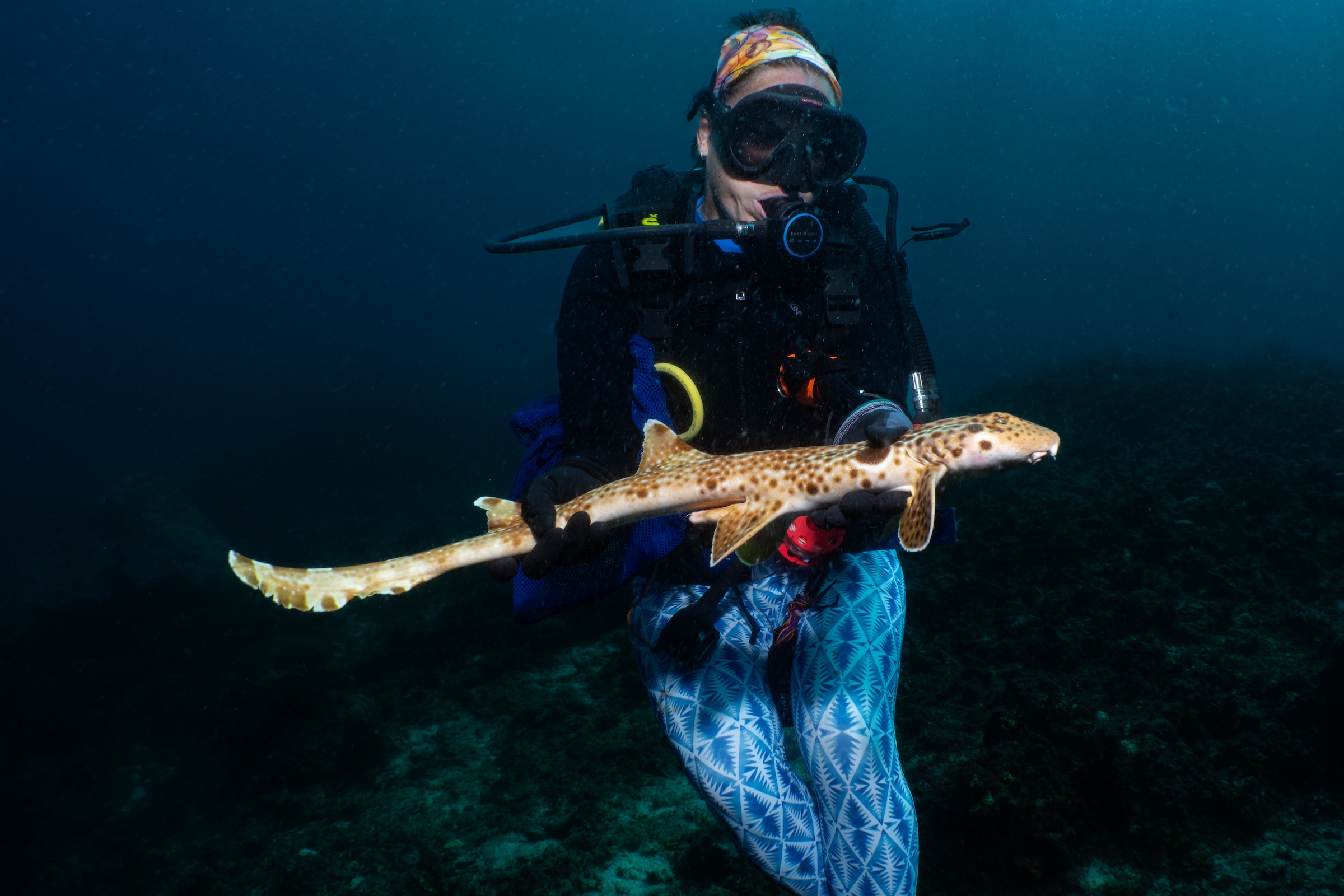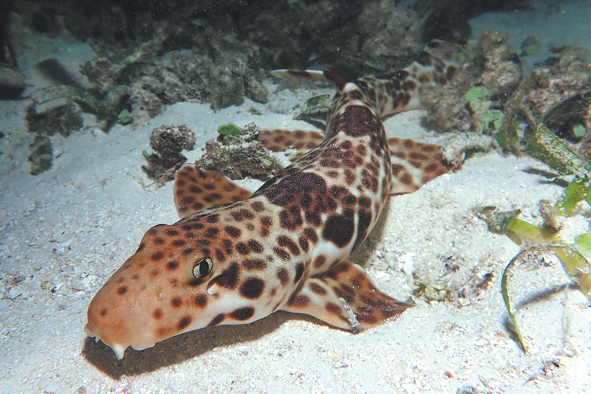
A photo of Indonesian Speckled Carpetshark (Hemiscyllium freycineti) from iNaturalist, a platform that allows users to record their observations of wild species. KEITH WILLMOTT/INATURALIST
JAKARTA — The Raja Ampat epaulette shark, locally known as the "walking shark", is facing growing threats from tourism development and the impacts of climate change, prompting a push for concrete measures to protect the species' habitat and ensure its survival.
The shallow coastal waters of the Raja Ampat archipelago in Southwest Papua are home to the population of the shark Hemiscyllium freycineti, one of 10 known "walking shark" species discovered worldwide, six of which are mainly found in eastern Indonesian waters.
While it can swim, the small fish with a recognizable spotted pattern on its body is known for moving by using its pectoral and pelvic fins to "walk" across shallow reefs, a behavior earning it the moniker "walking shark".
A recently published study has found more biological and spatial ecological information about the shark, which has a population density of up to 2,462 individuals per square kilometer, the highest recorded globally for the genus.