Indonesia
Society
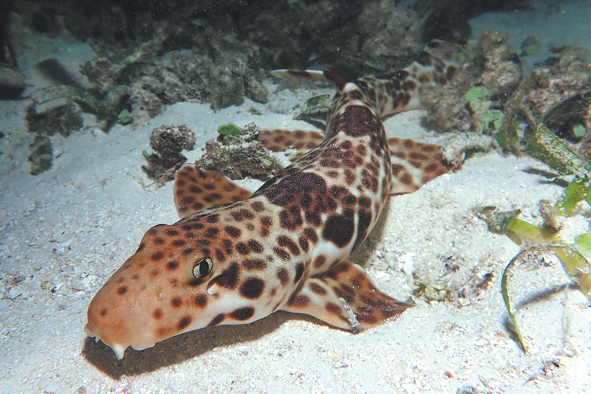
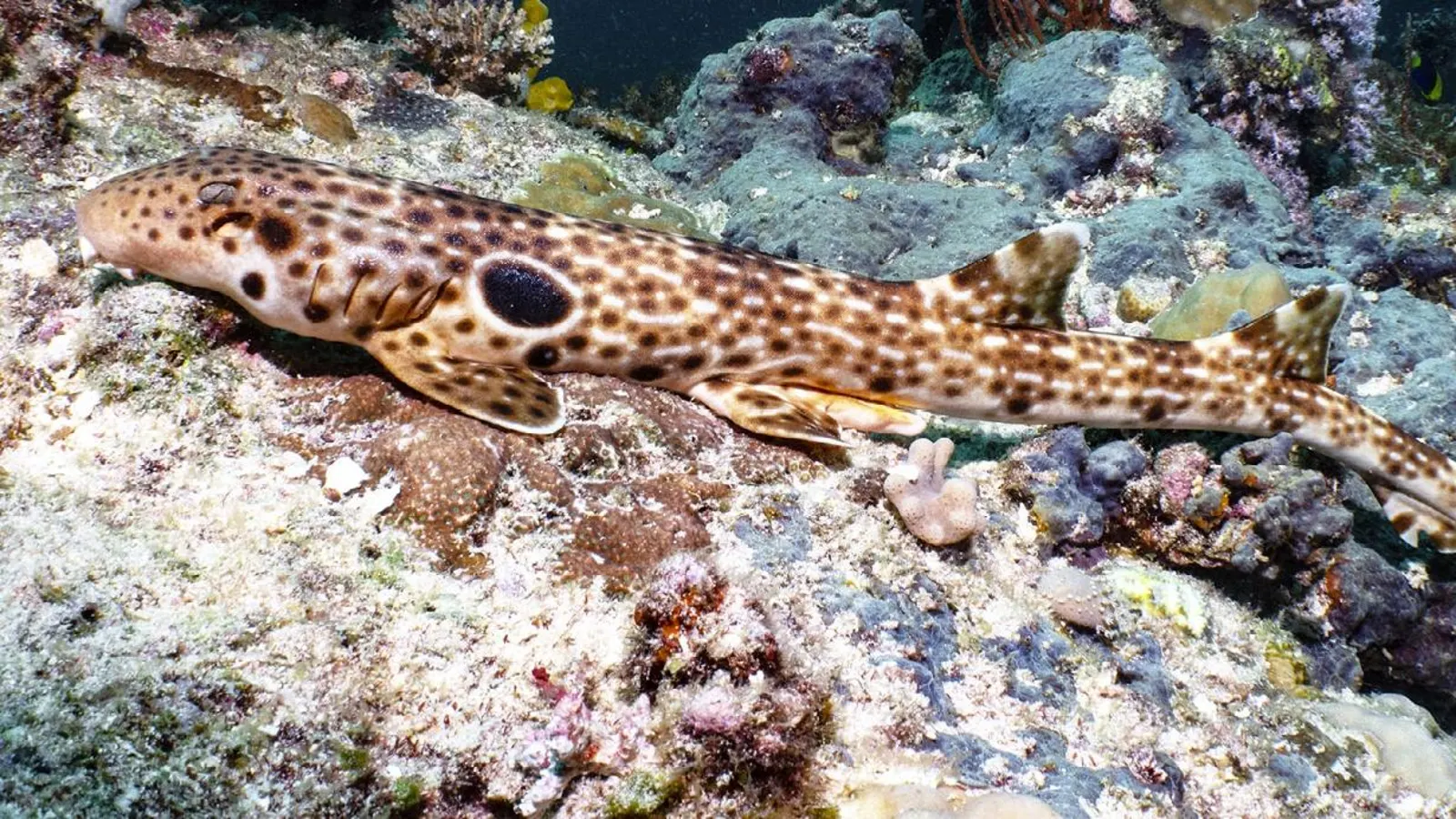
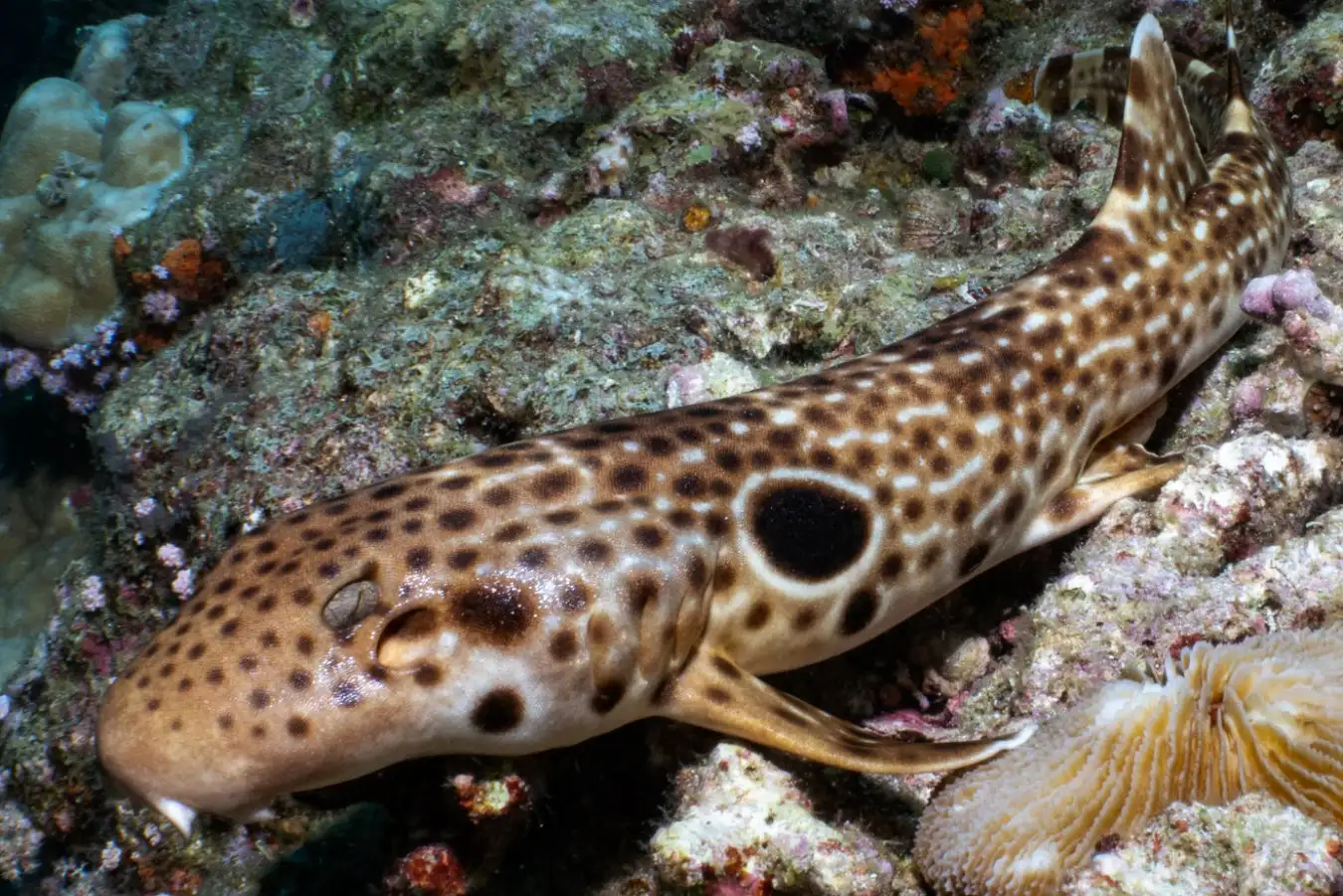
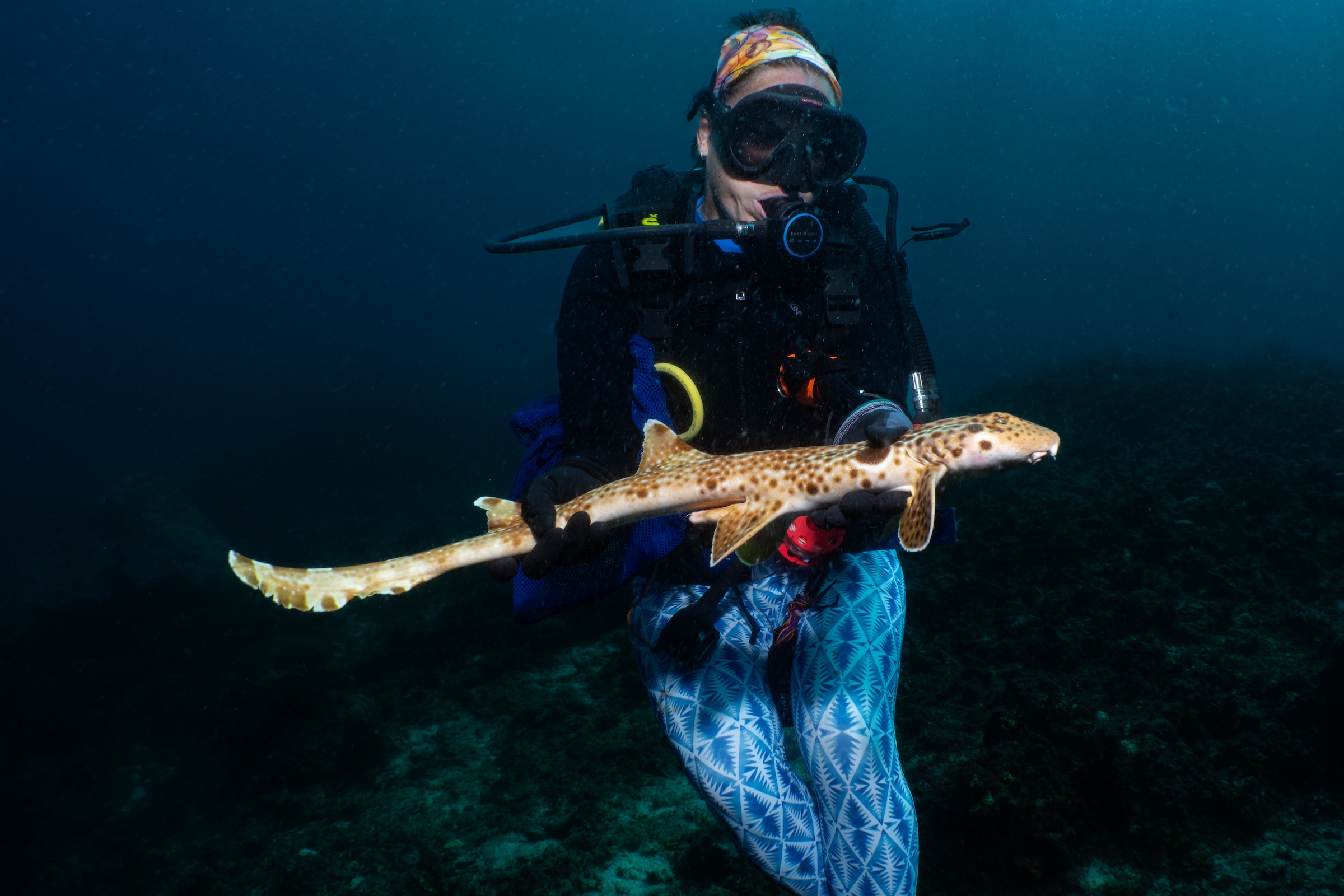
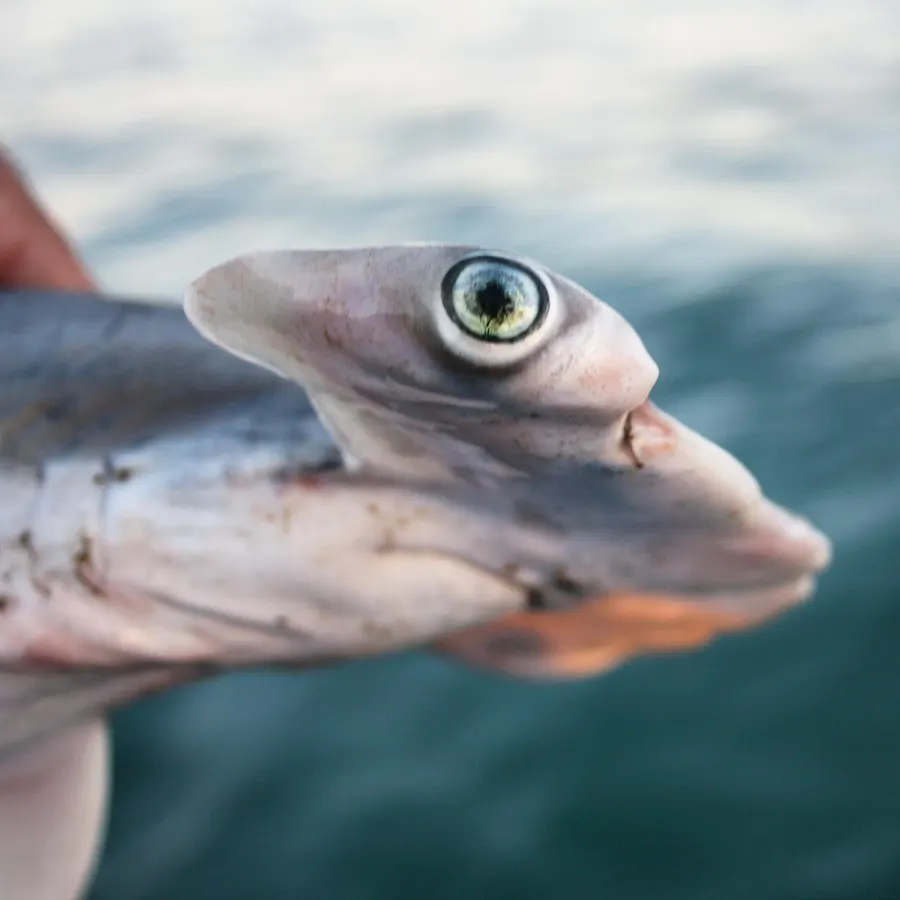
The shallow coastal waters of the Raja Ampat archipelago in Southwest Papua are home to the population of the shark (Hemiscyllium freycineti), one of 10 known “walking shark” species discovered worldwide, six of which are mainly found in eastern Indonesian waters.
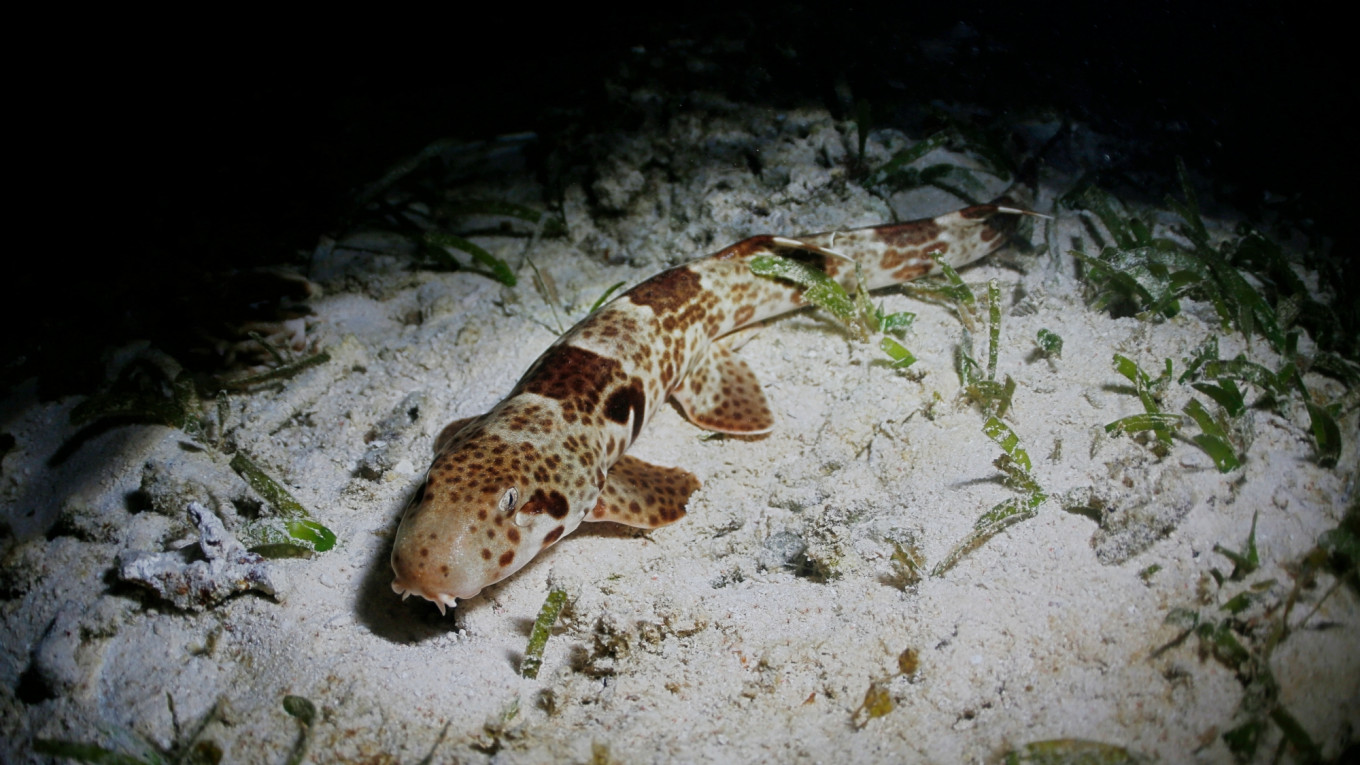
An epaulette shark (Hemiscyllium freycineti) is captured in its coral habitat in Arborek Island in Raja Ampat regency, Southwest Papua in April 2026. The shark, which has developed an ability to "walk" on the seabed and land using an undulating crawling motion, relies on coral reefs as its nursery habitat. (Courtesy of Edy Setyawan/-)
The Raja Ampat epaulette shark, locally known as the “walking shark”, is facing growing threats from tourism development and the impacts of climate change, prompting a push for concrete measures to protect the species’ habitat and ensure its survival.The shallow coastal waters of the Raja Ampat archipelago in Southwest Papua are home to the population of the shark (Hemiscyllium freycineti), one of 10 known “walking shark” species discovered worldwide, six of which are mainly found in eastern Indonesian waters.