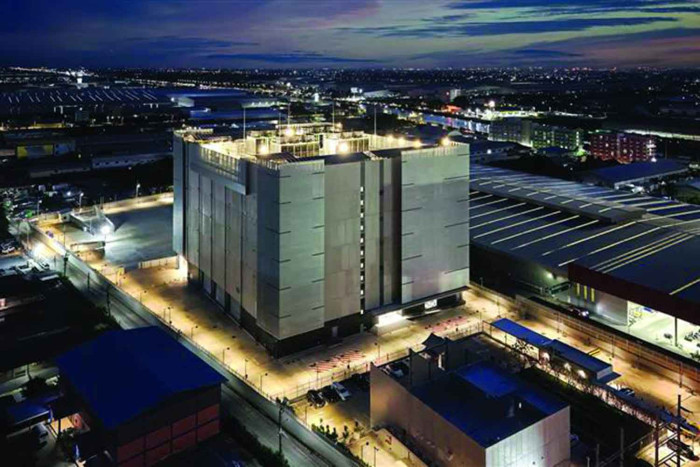
Mr Supparat said Thailand should focus more on capturing the data centre supply chain.
Thailand's data centre industry is seeking to recast concerns over resource strain as an economic opportunity, arguing that Thailand's unused power capacity can be converted into investment, tax revenue and a new industrial growth engine if the government moves quickly and ensures more benefits stay in the country.According to the Thailand Data Centre Association, the sector's direct GDP contribution could rise from about 0.93% to 2.47% over five years, supported by roughly 2 trillion baht in capital inflows, significant fiscal revenue and wider private sector spillovers.
It estimates Thailand's actual gross data centre capacity will rise from about 1,400 megawatts in 2026 to around 3,700MW by 2030, implying a 27.2% compound annual growth rate, Supparat Singhara na Ayutthaya, general manager of DAMAC Digital and vice-chairman of the association, told the Bangkok Post.
That projected 2030 figure is about one-eighth of the power reservation number according to news reports. On that basis, policy should be built around realistic committed demand, not the larger volume of preliminary requests.
The public debate has been shaped by a misleading news headline figure: nearly 30,000MW of power reservation requests from data centre operators.