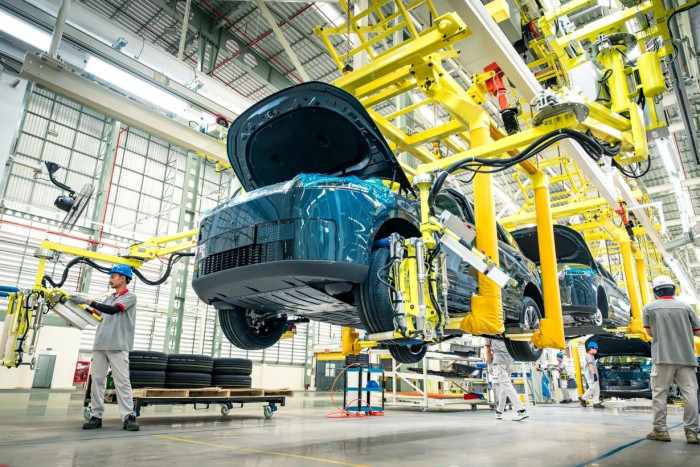
A battery EV factory in Rayong operated by Omoda & Jaecoo (Thailand).
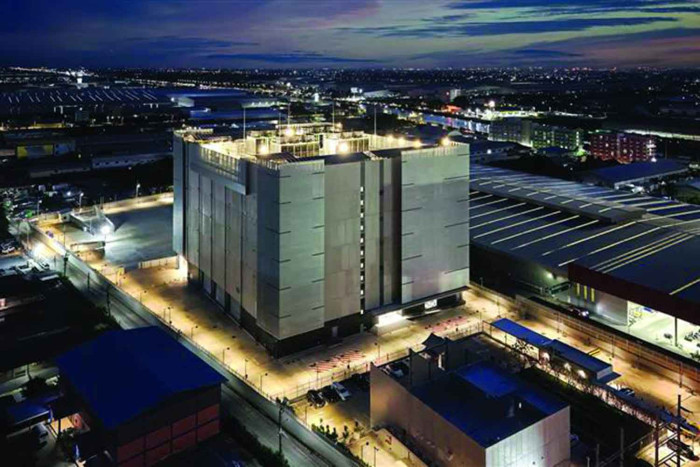
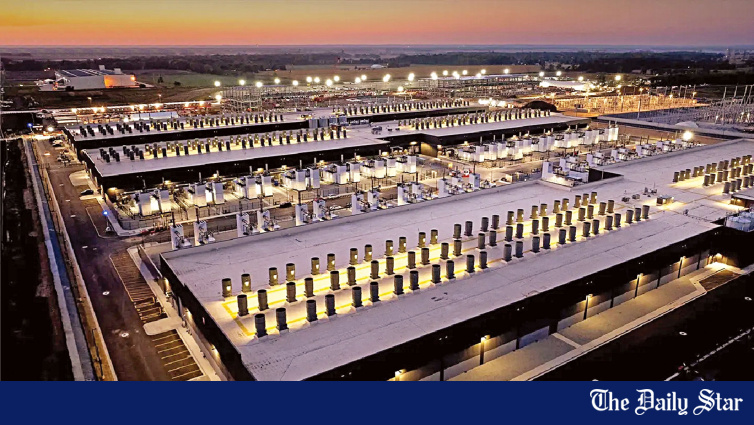
As Thailand focuses its economic development strategy on data centres and electric vehicles (EVs), some are questioning if those sectors can really deliver on growth given the high cost.The rapid development of data centres globally to fuel the artificial intelligence (AI) revolution has drawn scrutiny from environmental groups for their high energy needs, water use and lack of transparency.
On June 23, the UN called on major AI companies to publicly disclose the full environmental cost of their data centres and use renewable power, according to Reuters.
By 2030, data centres could use more power than all but five countries, and enough water to meet the basic needs of all 1.3 billion residents of sub-Saharan Africa for an entire year, UN Secretary-General António Guterres said at an address during London Climate Action Week as he launched the UN's AI Environmental Transparency Initiative.
Thailand's investments in data centres are projected to reach US$4.31 billion by 2030, representing average annual growth of 18% from 2024 and achieving total capacity of 2.93 gigawatts, according to CGS International Securities.