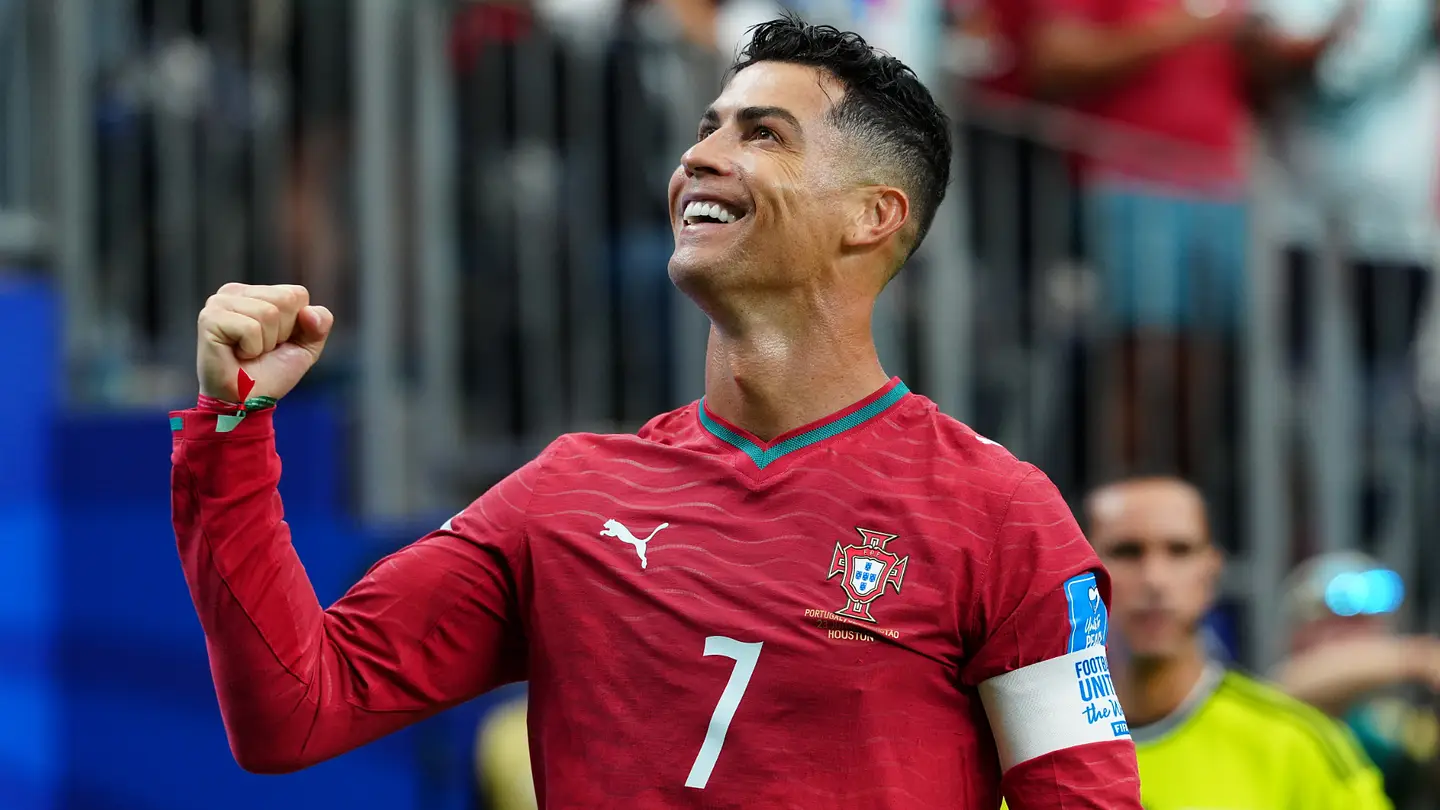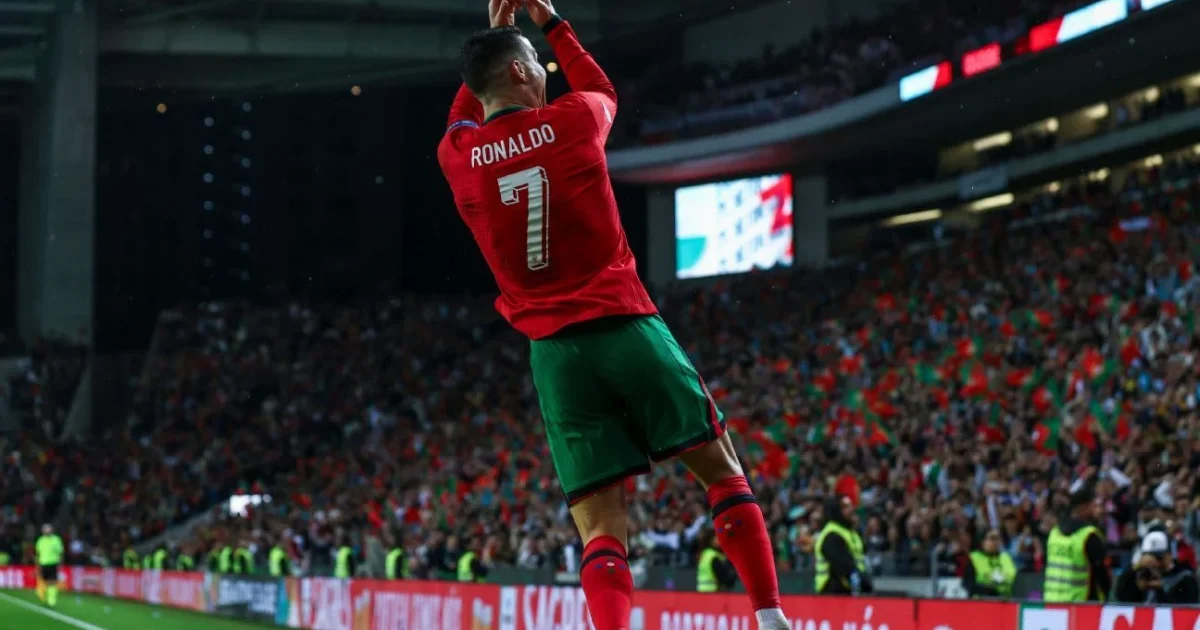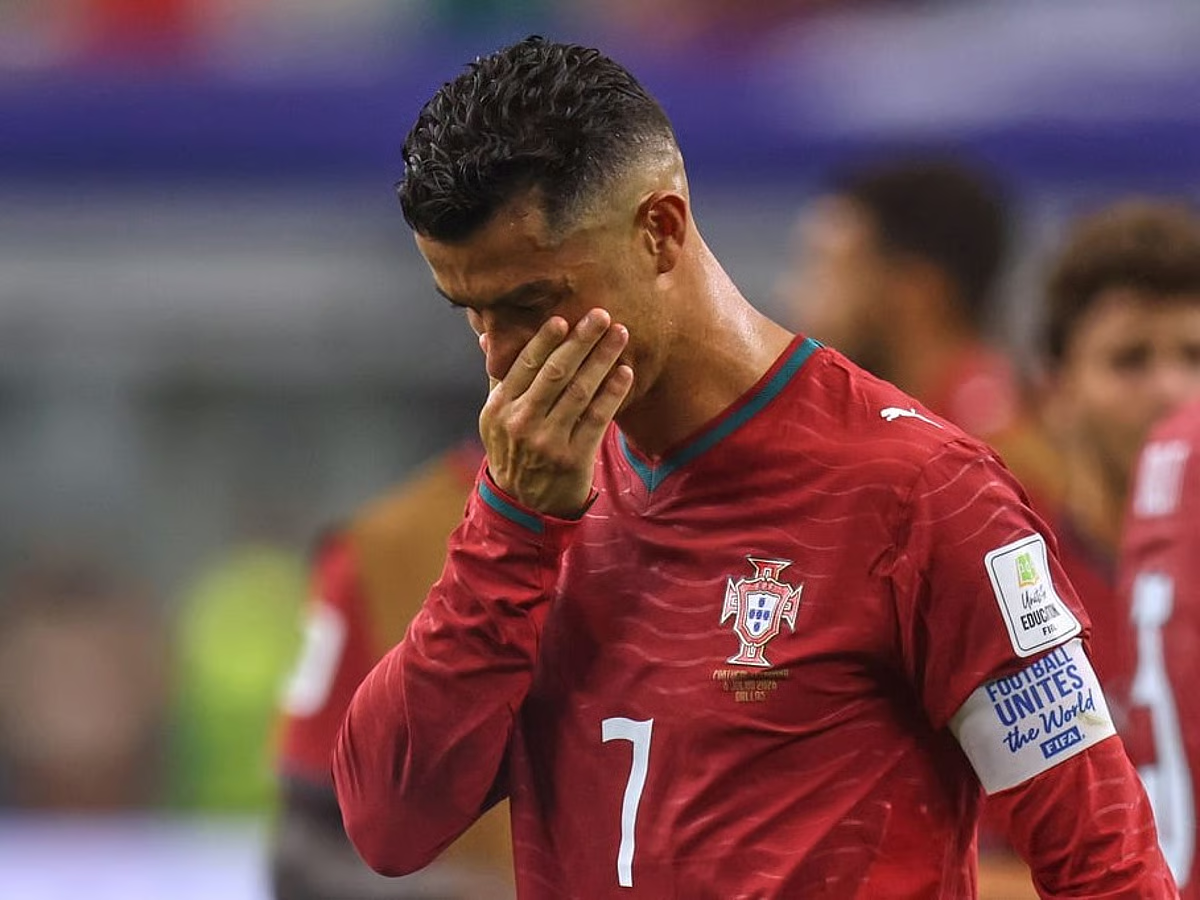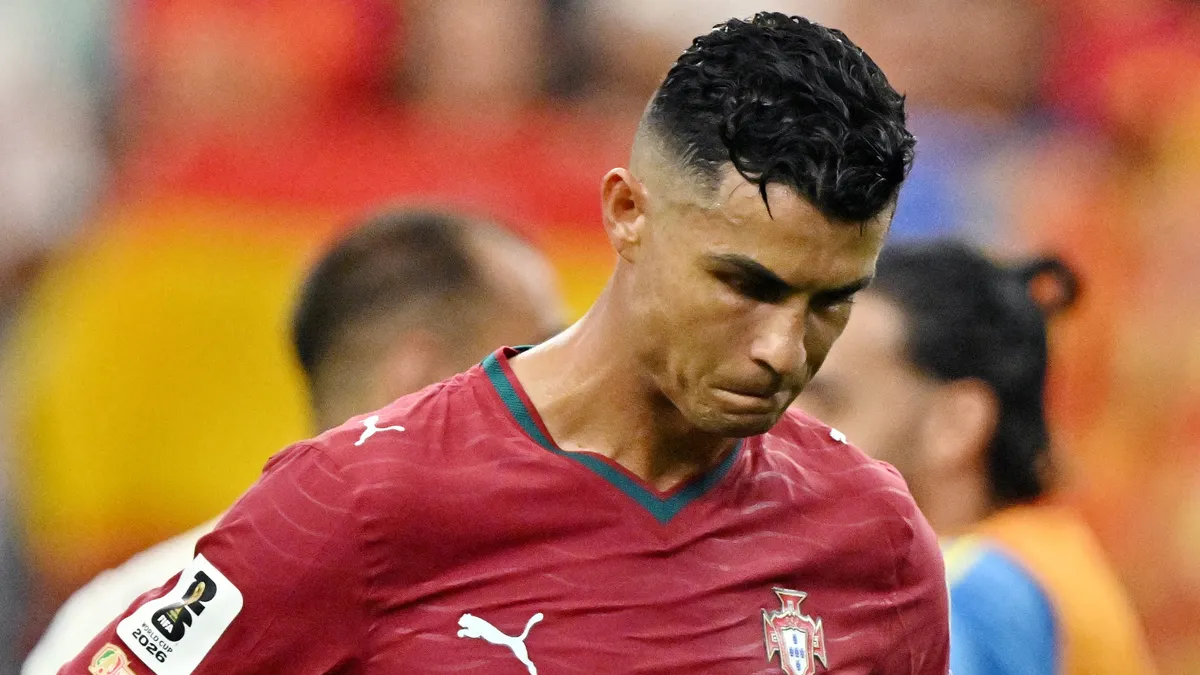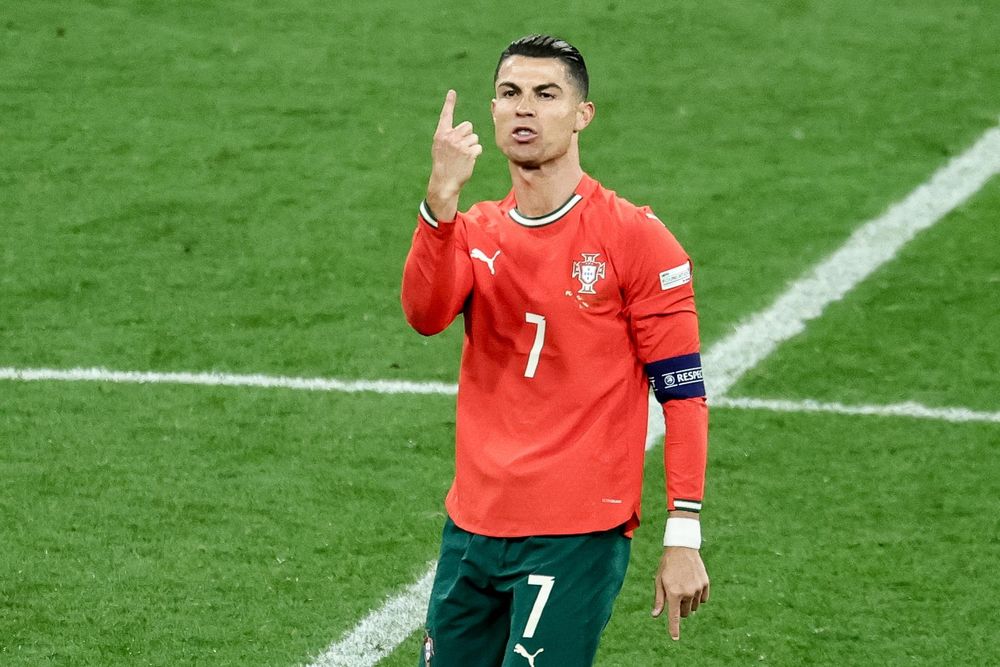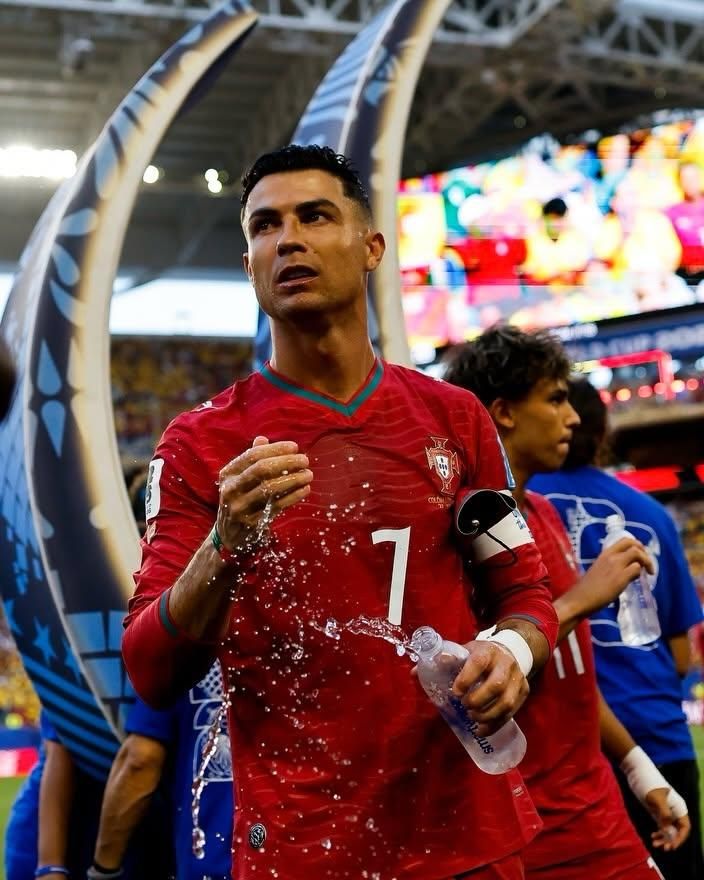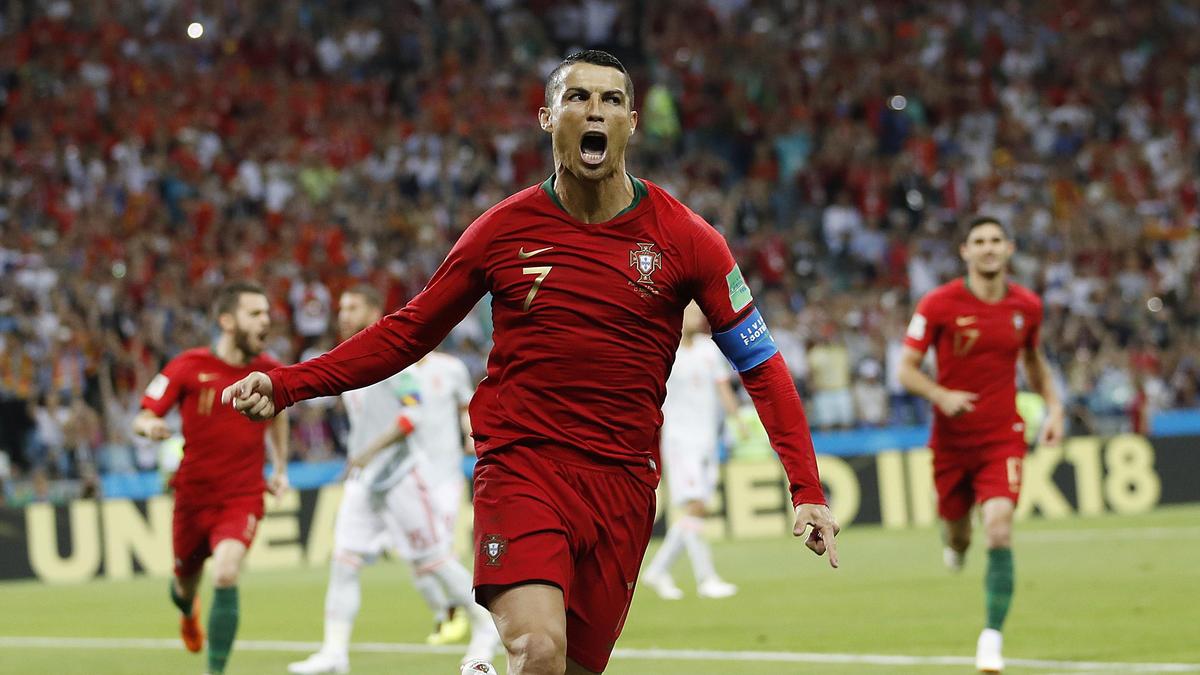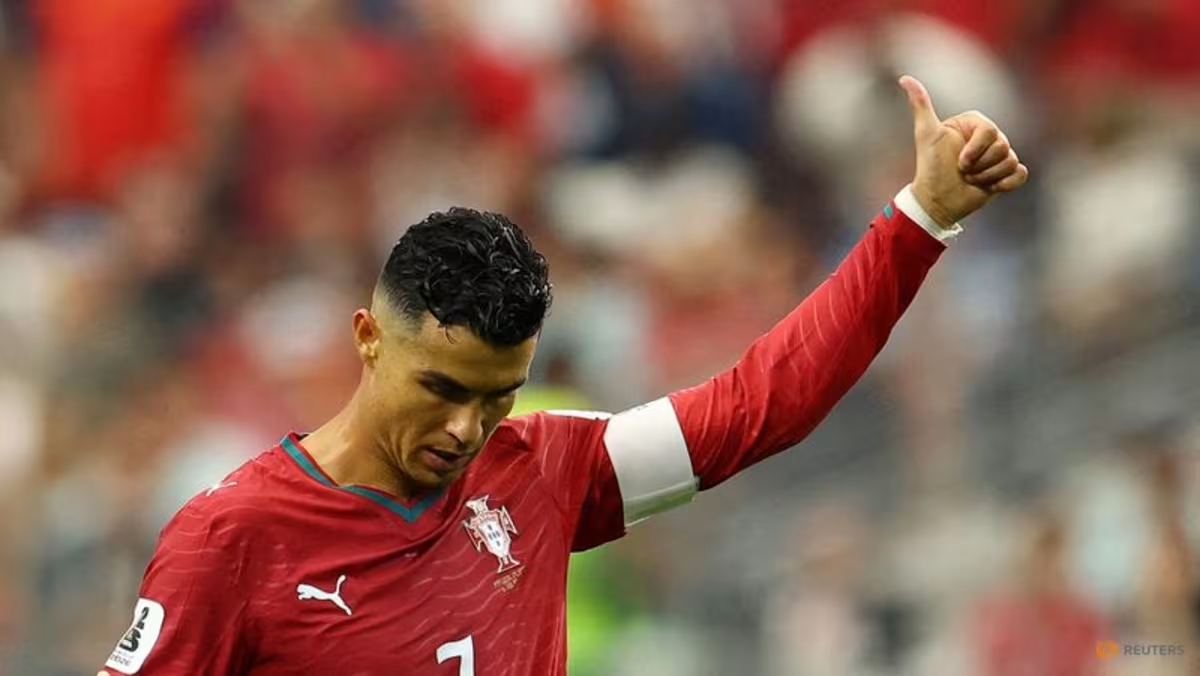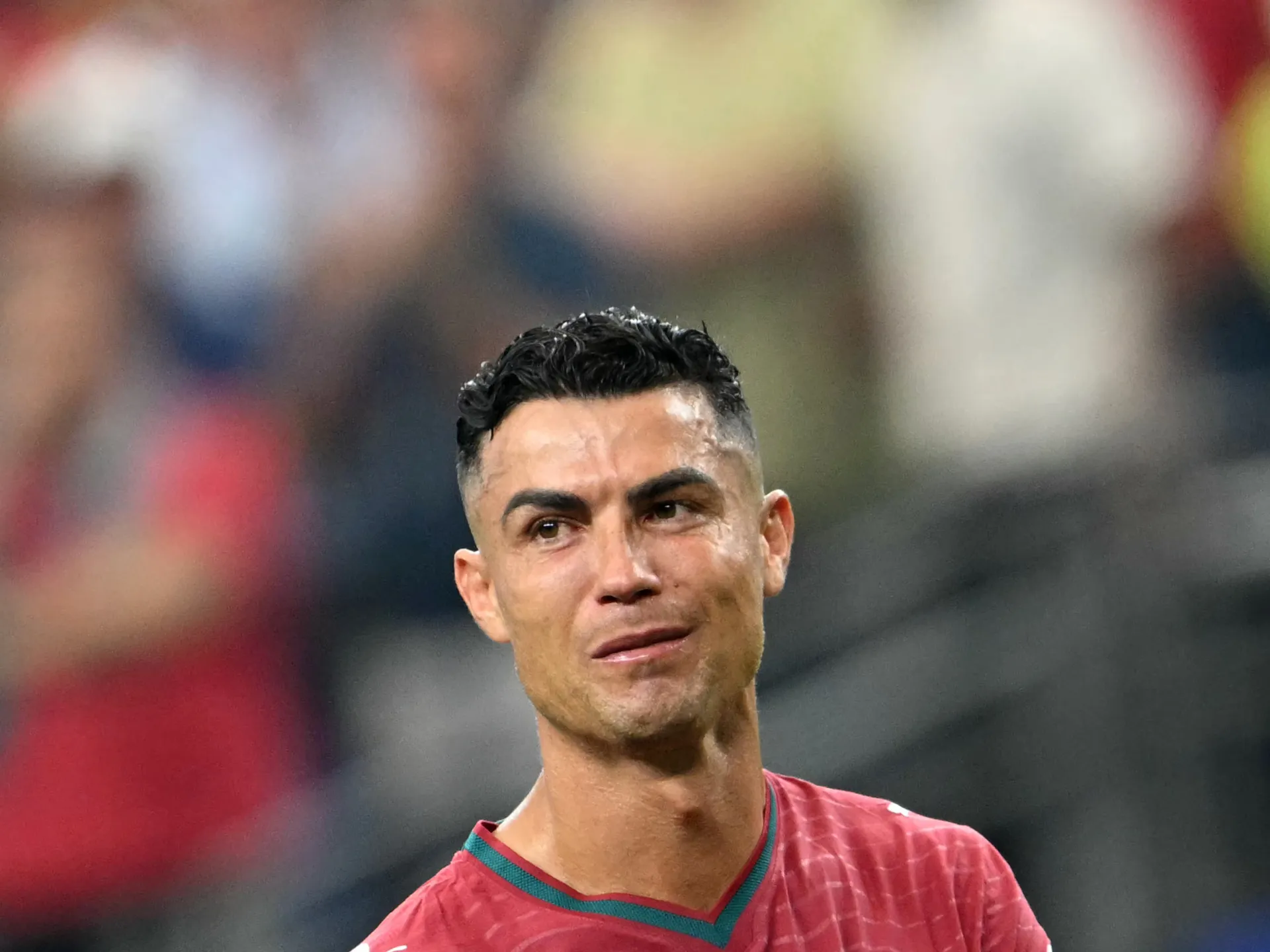
Cristiano Ronaldo’s World Cup story ended without the trophy he chased longer than almost anyone else in football history. Portugal’s 1-0 defeat to Spain in the Round of 16 of the 2026 FIFA World Cup brought down the curtain on his tournament journey, after the forward had already confirmed that this would be his final appearance on football’s biggest stage.Cristiano Ronaldo after Spain knocked Portugal out of FIFA World Cup 2026. (IMAGN IMAGES via Reuters)He leaves the World Cup with 11 goals across six editions, a tally that does not fully capture either the scale of his longevity or the strange incompleteness of his relationship with the tournament. Ronaldo scored in 2006, 2010, 2014, 2018, 2022 and 2026, becoming the first player to score at six different World Cups. Yet the trophy itself never came. His goals instead became markers of time: the young winger in Germany, the superstar in South Africa and Brazil, the one-man storm in Russia, the ageing legend in Qatar, and finally the 41-year-old still refusing to disappear in North America.From Iran to Croatia: Every Cristiano Ronaldo World Cup goalThe first came against Iran in 2006. Ronaldo was only 21 then, still more winger than centre-forward, still more promise than empire. Portugal were already ahead when they won a penalty in the 80th minute, but Ronaldo’s conversion had its own historical weight. He became the youngest Portuguese player to score at a World Cup, calmly driving home from the spot in a 2-0 win. It was not his most famous goal, but it was the beginning of a 20-year tournament scoring arc.His second World Cup goal arrived four years later in South Africa, against North Korea. By then, Ronaldo was no longer a prodigy. He was a Ballon d’Or winner, a Real Madrid player and one of the faces of world football. Portugal won 7-0, but for Ronaldo personally the goal mattered because it ended a long wait on the World Cup stage. The finish was awkward rather than beautiful, with the ball bouncing around him before he finally put it away, but it released some of the pressure that had built around his tournament.In 2014, Ronaldo scored against Ghana in Brazil. He had entered the tournament carrying physical concerns, and Portugal never truly looked like a side capable of going deep. His late goal gave them a 2-1 win, a sharp finish after Ghana failed to clear, but it was not enough to stop Portugal’s group-stage exit. It became one of those Ronaldo World Cup moments that mixed personal achievement with collective frustration.Then came 2018, the World Cup where Ronaldo produced his most iconic tournament performance. His first goal against Spain in Sochi came from the penalty spot after he won the foul himself. It was vintage Ronaldo theatre: early, cold, controlled, and delivered in one of the biggest group-stage matches of the tournament.His second that night was less elegant but just as important. A left-footed shot from outside the box slipped through David de Gea before half-time, giving Portugal another lead in a match that kept tilting wildly from one side to the other. It was a reminder that Ronaldo did not always need perfection; sometimes he only needed one clean strike and a goalkeeper’s mistake.The third goal against Spain was the masterpiece. With Portugal trailing 3-2 late in the game, Ronaldo stood over a free-kick in the 88th minute and bent it beyond the wall into the top corner. It completed his hat-trick, rescued a 3-3 draw and became the defining image of his World Cup career: chest out, eyes cold, the pressure of an entire nation turned into one perfect swing of the right foot.Also Read: Cristiano Ronaldo breaks down in tears as final FIFA World Cup ends in heartbreak after Spain's late winnerHe added another goal against Morocco a few days later. This one was a fourth-minute header, powered in from a corner, enough to give Portugal a 1-0 win. It was pure centre-forward Ronaldo by then — movement, leap, timing, finish. After years of trying to impose himself on World Cups, he had finally found a tournament where everything seemed to flow through him.In 2022, his only goal came against Ghana. Again, it was a penalty. Again, it was historic. By scoring in Qatar, Ronaldo became the first male player to score in five different World Cups. Portugal won 3-2, but the campaign itself became complicated for him. His minutes reduced, his role changed, and Portugal eventually exited in the quarterfinals against Morocco.Four years later, at 41, Ronaldo returned for one last World Cup and scored twice against Uzbekistan. The first made him the first player to score in six World Cups, a record built not just on brilliance but on extreme endurance. It was not simply another goal; it was proof that he had stretched his World Cup relevance across eras.The second against Uzbekistan took him to 10 World Cup goals and past Eusebio as Portugal’s all-time leading scorer in the tournament. That mattered deeply because Eusebio’s 1966 campaign had long stood as the great Portuguese World Cup reference point. Ronaldo did not win the trophy Eusebio also missed, but he did eventually pass him in the scoring column.His 11th and final World Cup goal came against Croatia in the Round of 32 in 2026. It was a penalty in the second half, and it carried unusual significance: Ronaldo’s first-ever World Cup knockout goal. For all his records, that line had remained empty for years. Against Croatia, he finally filled it, becoming the oldest scorer in a World Cup knockout match.That is why Ronaldo’s World Cup goal trail feels both grand and unresolved. It began with a penalty against Iran and ended with a penalty against Croatia. Between them came droughts, records, frustration, a hat-trick for the ages and a final tournament in which he still found a way to leave his name behind. The World Cup never became Ronaldo’s kingdom. But across six editions and 11 goals, he made sure it could never tell its story without him.
Cristiano Ronaldo's 11 World Cup goals: The record-breaking trail that still ended without football's biggest prize
Cristiano Ronaldo's 11 World Cup goals across six editions trace a record-breaking journey that ended without the one trophy he chased longest. | Football News
1,010 words~5 min read