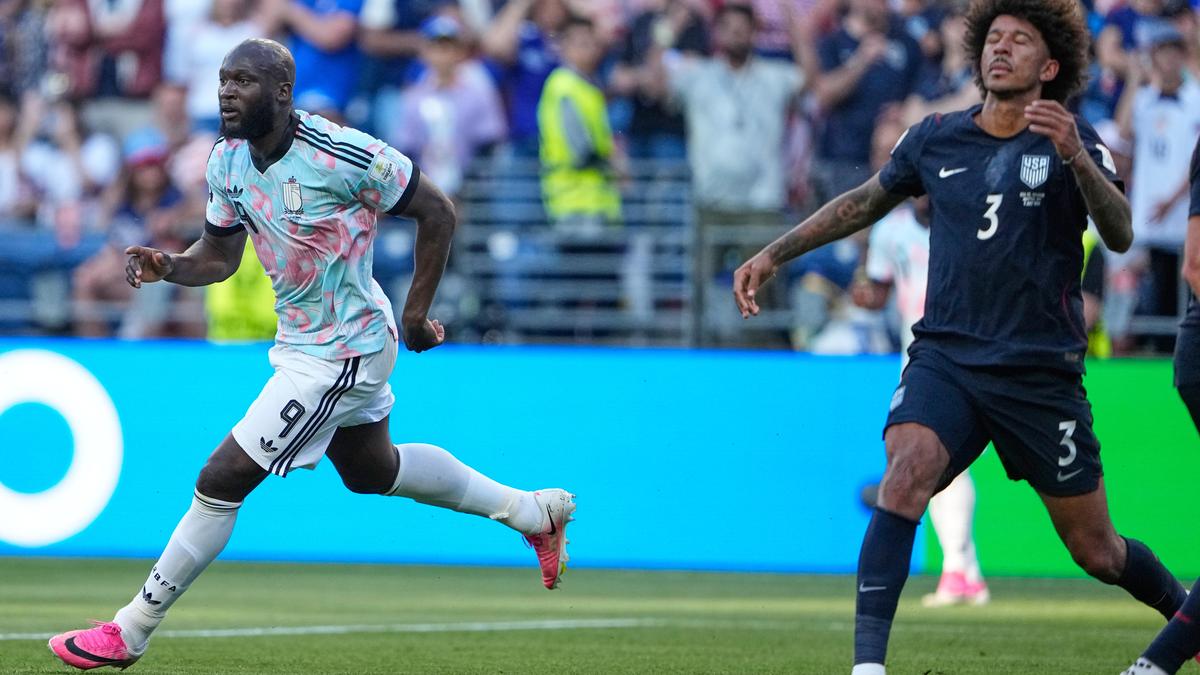
Belgium head coach Rudi Garcia just made one of the most talked-about lineup decisions of the 2026 FIFA World Cup. For the Round of 16 match against the United States men’s national team in Seattle on July 6, Belgium’s starting XI features neither Jeremy Doku nor Kevin De Bruyne. Two of the most recognizable names in European football, sitting on the bench for a knockout game.
What happened and why it matters for crypto betting markets
Neither Doku nor De Bruyne had reported injuries or suspensions heading into the match. That makes Garcia’s decision purely tactical, and it has caught virtually every pre-match projection off guard. Both players were widely expected to anchor Belgium’s attack against a USMNT side featuring Christian Pulisic and Folarin Balogun.
Prediction markets built on blockchain infrastructure, including platforms like Polymarket and Azuro, have seen massive volumes around the 2026 World Cup. When a lineup drop contradicts the consensus expectation this dramatically, it creates an immediate repricing event across every platform offering match outcome contracts.
The 2026 World Cup, co-hosted by the United States, Canada, and Mexico, has been the largest single sporting event in the history of crypto-native prediction markets. The tournament’s US-based venues have only amplified engagement from American bettors who increasingly use blockchain platforms to place wagers, partly because regulatory clarity around prediction markets has evolved significantly since Polymarket’s breakout during the 2024 US election cycle.