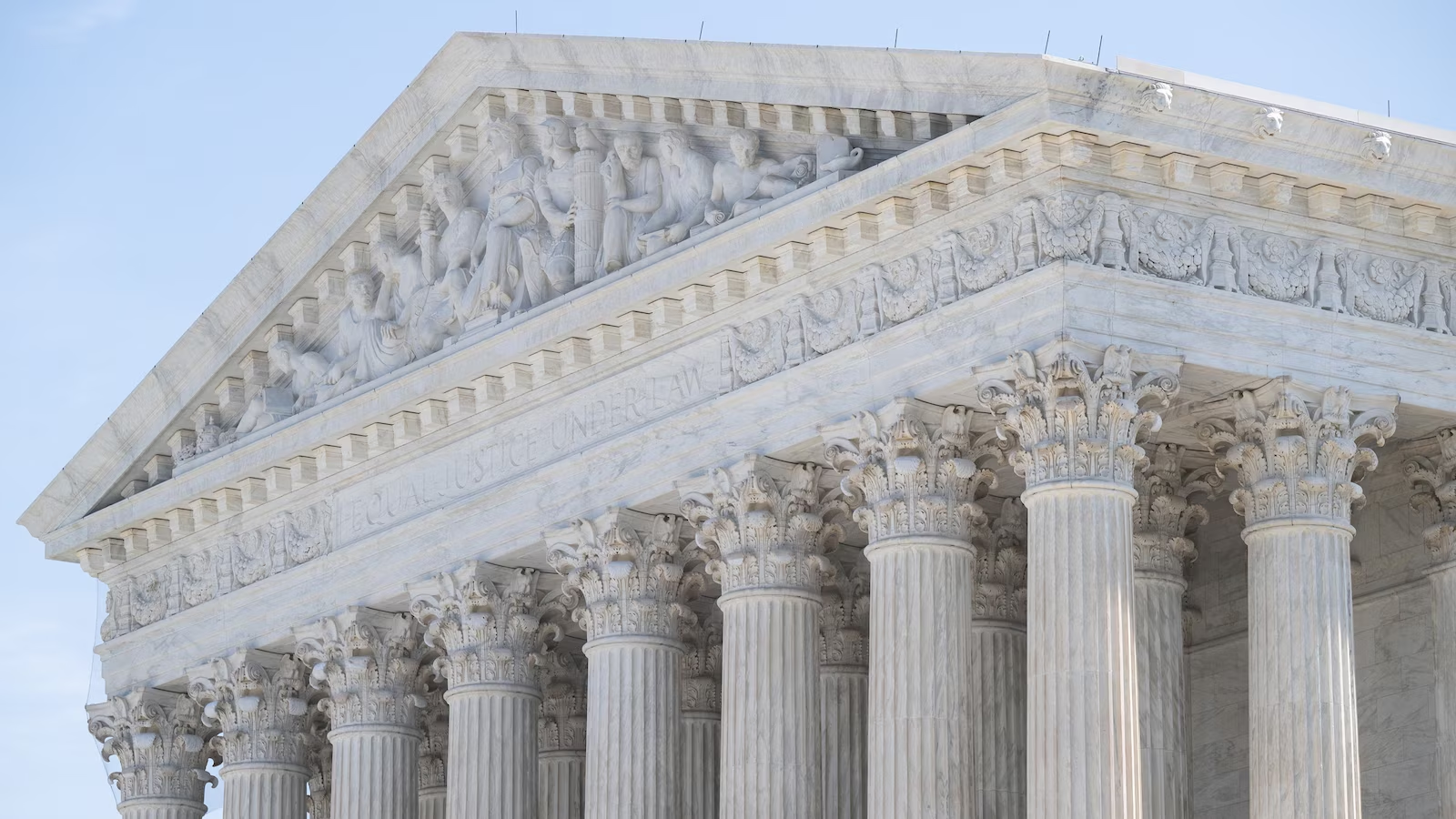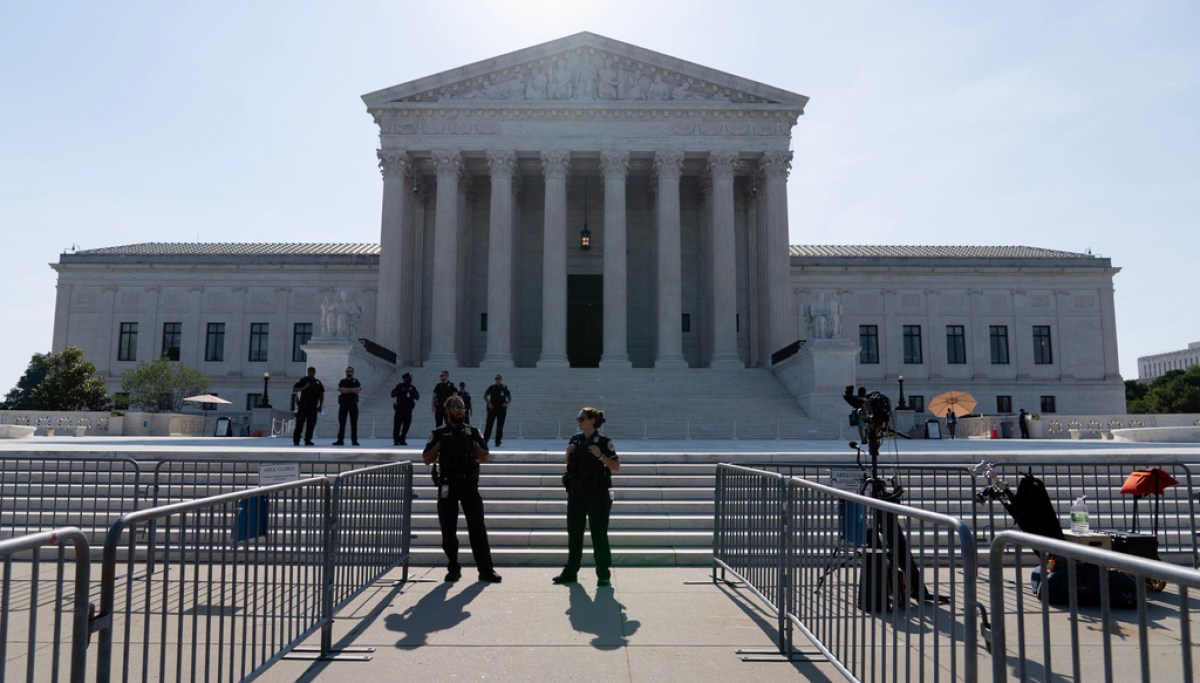
In Focus delivers deeper coverage of the political, cultural, and ideological issues shaping America. Published daily by senior writers and experts, these in-depth pieces go beyond the headlines to give readers the full picture. You can find our full list of In Focus pieces here.Before it broke for the summer, the Supreme Court, in a 6-3 decision, restored the ability of political parties to do what they are organized to do: find, recruit, and publicly support the candidates that represent the views of their members. Political parties exist to get their candidates elected. Consulting with those candidates before expressing support for their election is not only reasonable behavior, but a right protected by the Constitution.That is how our political system operated for the first 200 years of this nation’s history — until Congress decided to limit political parties from coordinating their support with their own candidates.
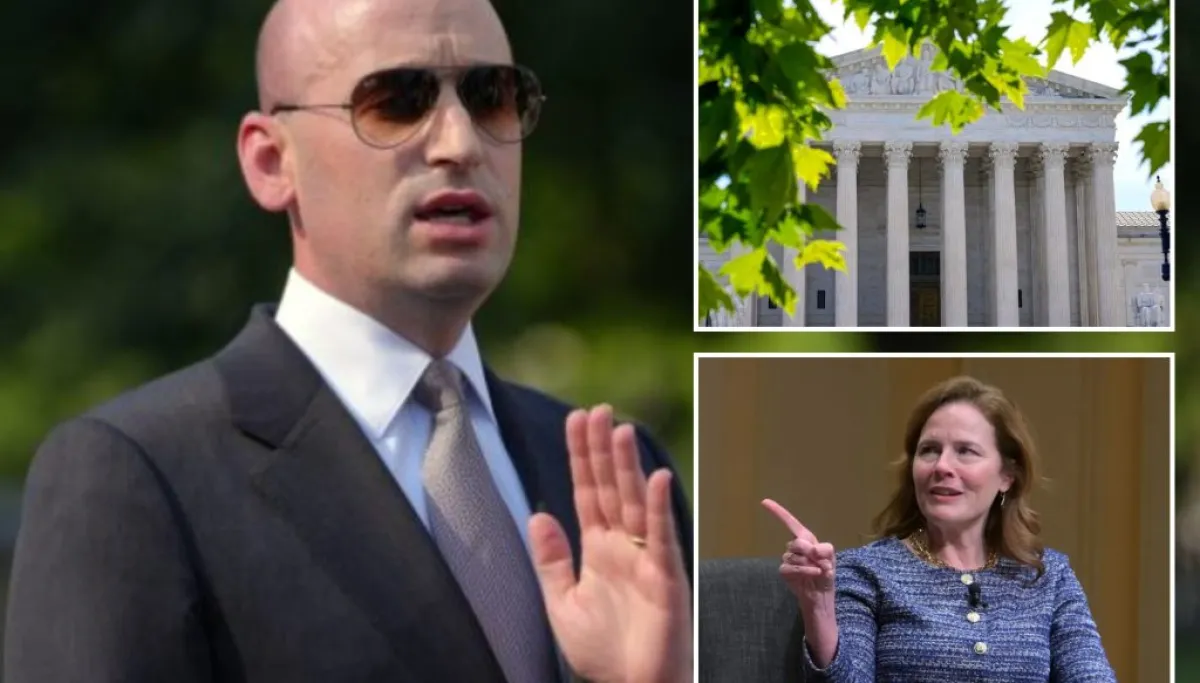
The ruling in NRSC v. FEC corrects this grave constitutional error. In a decision authored by Justice Brett Kavanaugh, the court struck down the federal limits on coordinated party spending contained in the Federal Election Campaign Act, concluding that they violate the First Amendment. By limiting political spending, you are limiting political speech. The case was brought by then-Sen. JD Vance, then-Rep. Steve Chabot, and the National Republican Senatorial and Congressional Committees. Under FECA, political parties faced strict dollar caps on spending made in cooperation with their candidates — ranging from $65,300 to $130,600 for House races and up to $4 million for Senate races in the 2026 cycle — calculated using a formula based on the population of states. Thus, the amount that could be spent in each state varied widely.A party could spend unlimited money on ads run independently, but the moment it asked its own nominee, “Does this ad actually represent your views?” that spending became legally restricted. As Kavanaugh observed, the law inflicted a “stifling effect on the ability of the party to do what it exists to do.”The Supreme Court has long held that the First Amendment protects not only freedom of speech but freedom of association, a principle as old as America itself. Alexis de Tocqueville, marveling at the young republic in the 1830s, wrote that in no country had the principle of association been more successfully applied. As Advancing American Freedom argued in its amicus brief: “The right to freely speak, and freely associate, strike at the heart of human freedom. These freedoms are not forfeited merely because the speaker is a group associating as a political party. Such a content-based and identity-based rule runs contrary to the basic rights the First Amendment protects, allowing the government to force some people or speech outside of that Amendment’s protective umbrella.” The political party is perhaps the most quintessentially American association: citizens united around shared beliefs, organized to elect people who represent those beliefs. Yet the coordinated-expenditure limits treated parties as a suspect category of speakers, as though consulting with their own candidates threatened democracy rather than embodied it. As Kavanaugh rightly noted, those limits have allowed outside groups to “gain an unwarranted and unfair advantage over competitor political parties in the political process.” A party that cannot speak with its own candidate isn’t being protected from corruption — it’s being prevented from accomplishing its purpose.The court’s decision corrects an error first made in 2001, when a bare 5-4 majority in FEC v. Colorado Republican Federal Campaign Committee treated coordinated party spending as the functional equivalent of a direct campaign contribution to the candidate. In that misguided opinion, the court held that such coordinated spending was “virtually indistinguishable” from independent expenditures and that the government had an important interest in preventing actual or apparent corruption. That reasoning, as Kavanaugh observed in this week’s opinion, had become like “a three-legged stool where all three legs have already been knocked out.” The Supreme Court is seen Tuesday, June 30, 2026, in Washington. (AP Photo/Jose Luis Magana)