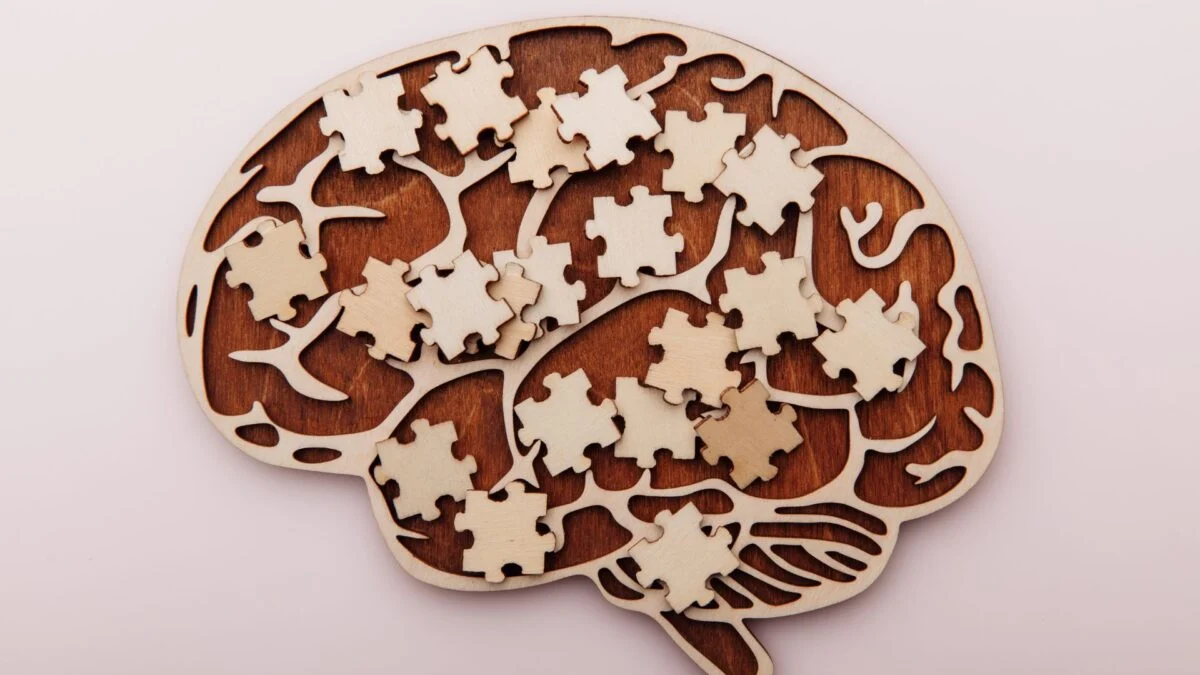
The philosopher David Hume believed that, to understand abstract concepts, humans needed to summon a mental image to picture the idea. But since Hume’s time in the 18th century, we now have a more nuanced understanding of the human brain’s complexity—and our philosophy might be due for some upgrades, according to a new study. Scientists estimate that roughly 4% to 5% of the population experience aphantasia, or the inability to form mental images. People can be either born with aphantasia or develop it later, but it’s typically not considered a disability or medical condition. But aphantasia isn’t known to prevent people from having a firm grasp of abstract ideas—things like “triangle,” “friend,” or “memory,” explained Uku Tooming and Roomet Jakapi, philosophers at the University of Tartu in Estonia, in a statement. So, what’s going on here? In a recent paper published in Neuropsychologia, Tooming and Jakapi present a challenge to Hume; that is, abstract thought might not be as grounded in images as we might believe.
Imagine an apple… As a concept, aphantasia first entered the scientific discourse in 1880, when British geneticist (and eugenics pioneer) Francis Galton described interacting with individuals who “protested that mental imagery was unknown to them.” But the phenomenon was officially termed much later, in 2015. In other words, although people knew about aphantasia for a long time, it has only been in the past decade or so that scientists have started to systematically investigate the condition, according to the paper.