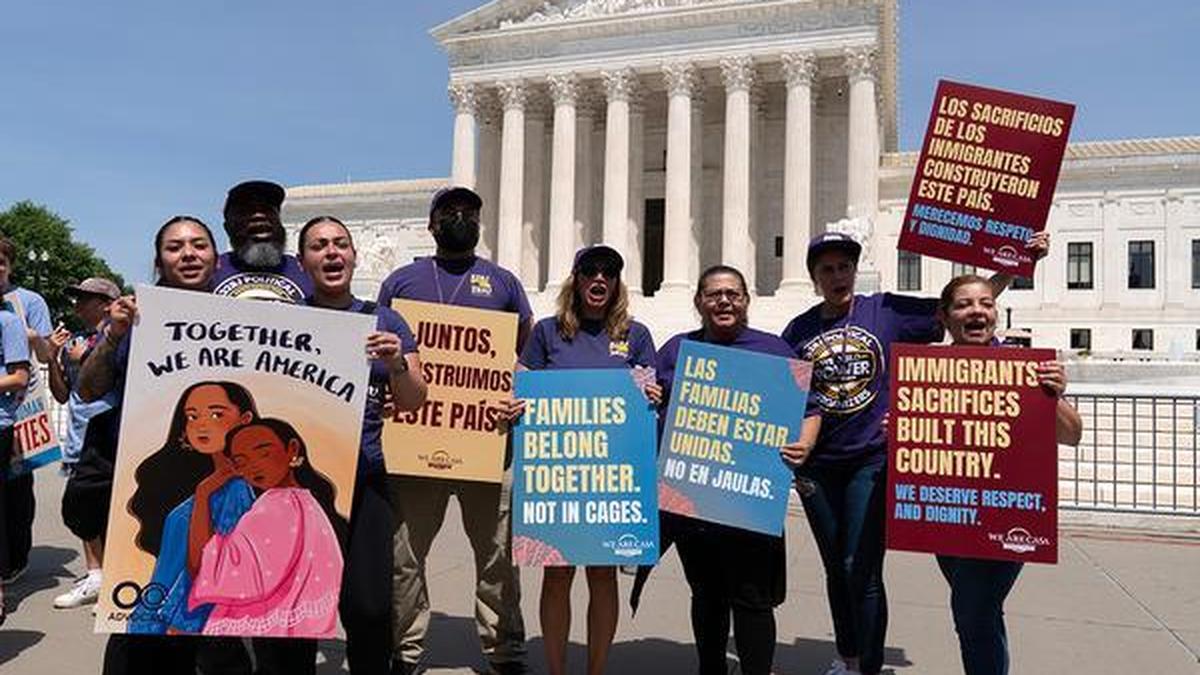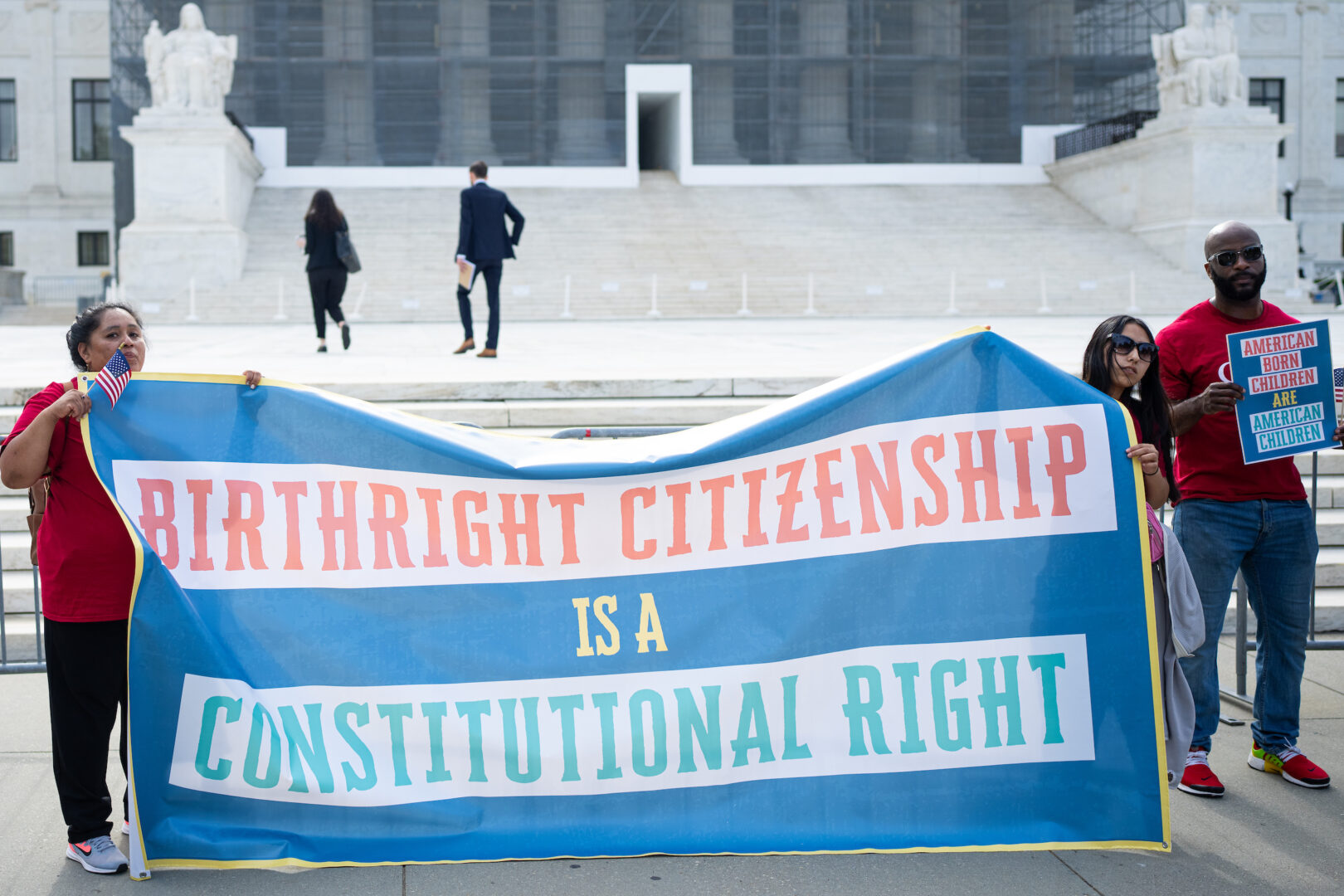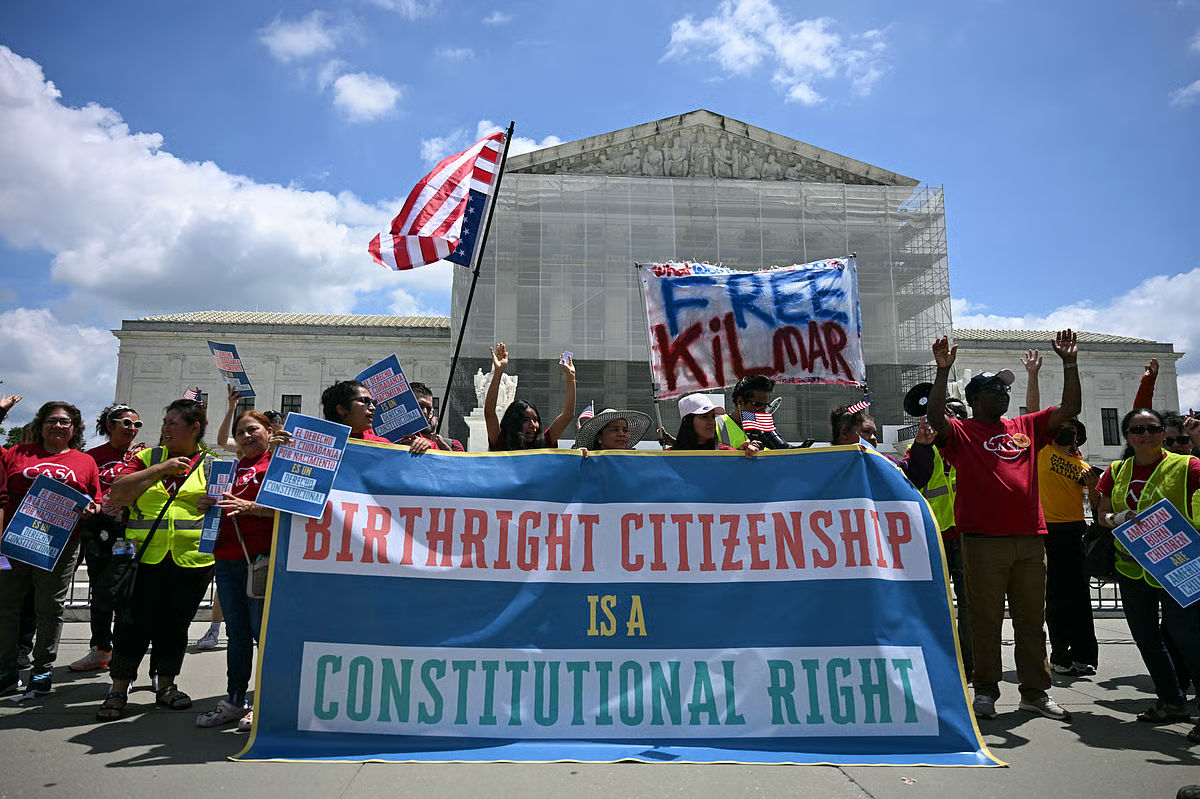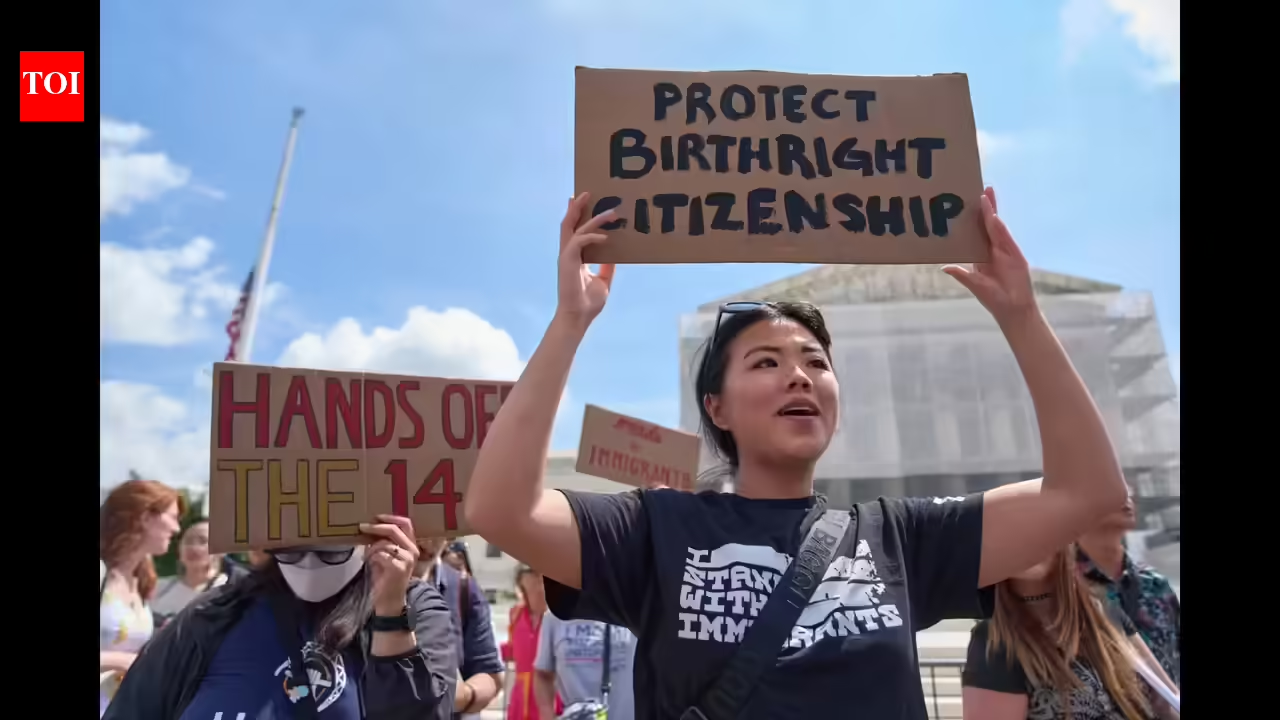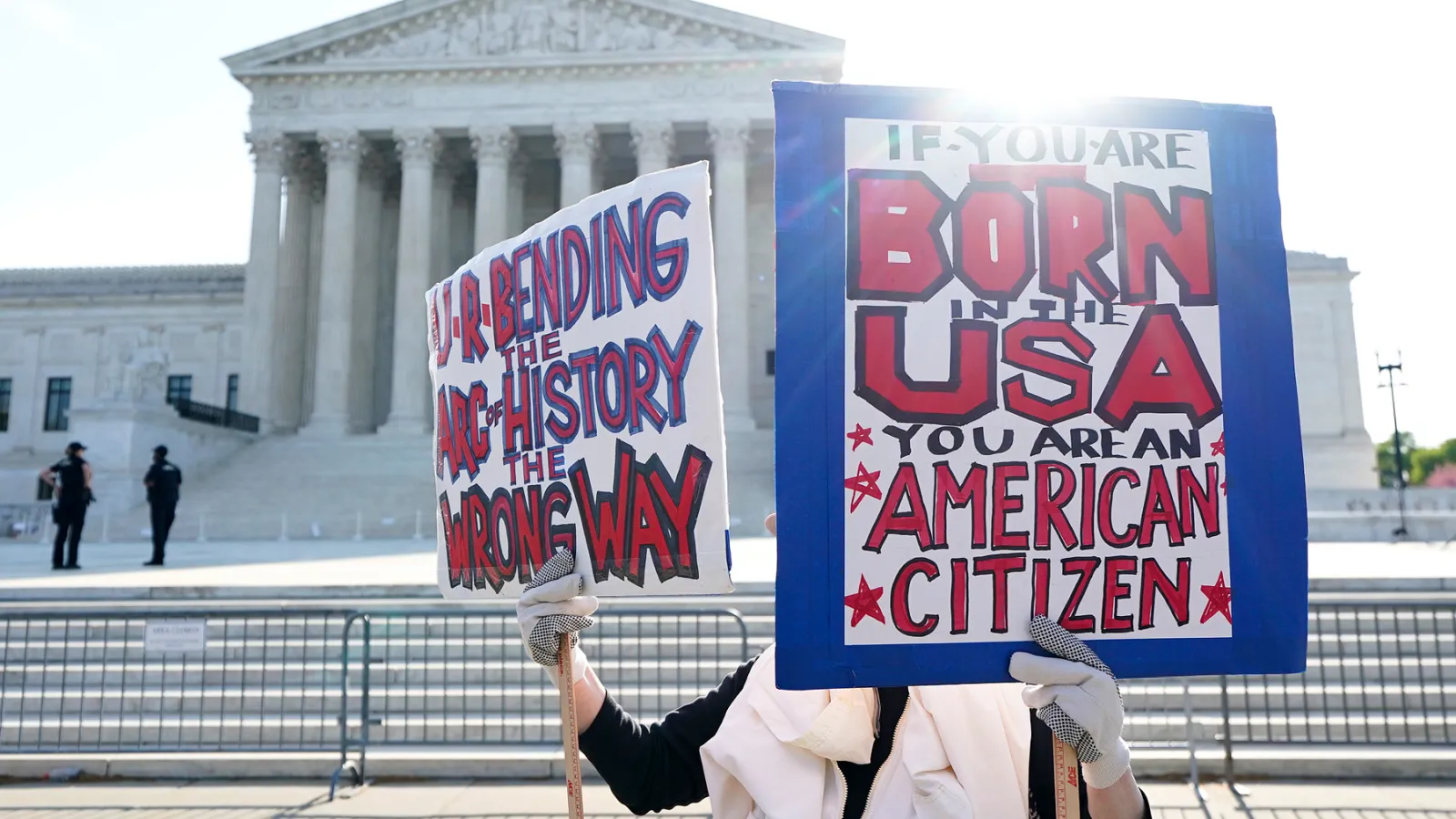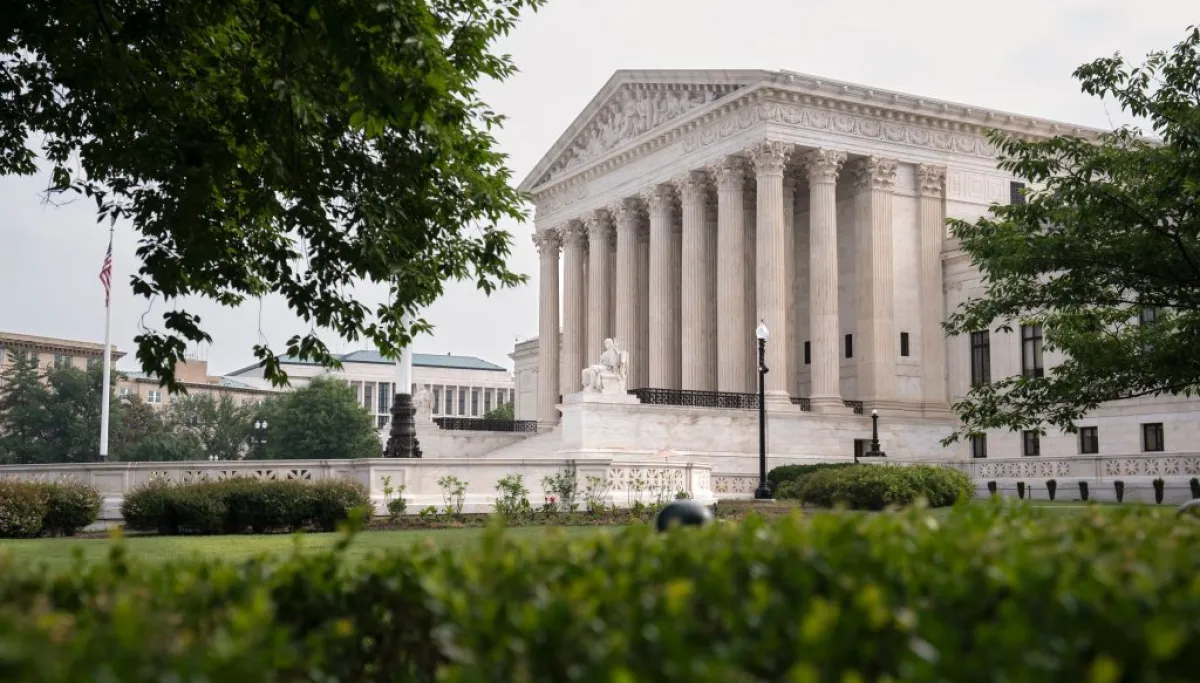
The Supreme Court last week struck down an executive order in Trump v. Barbara, over whether a president can redefine birthright citizenship by executive action. The answer was no.Chief Justice John Roberts, writing for the majority, held that children born on American soil to parents unlawfully or temporarily present are “subject to the jurisdiction” of the United States, and are thus citizens at birth under the Fourteenth Amendment. The decision was 6 to 3, but only five justices, Roberts, Sonia Sotomayor, Elena Kagan, Amy Coney Barrett, and Ketanji Brown Jackson, grounded the ruling in the Constitution itself. Clarence Thomas, Samuel Alito, and Neil Gorsuch dissented outright.
Justice Brett Kavanaugh supplied the sixth vote on narrower ground, writing that “the Executive Order does not violate the Fourteenth Amendment. But the Order does contravene a federal statute” — Title 8, Chapter 12, § 1401(a). Congress has independently guaranteed birthright citizenship by statute, and an executive order cannot override an act of Congress. Conservatives split into two camps. One camp seized on Kavanaugh, that Congress could “amend” §1401(a) or otherwise enact new legislation establishing exceptions to birthright citizenship. The other camp concluded that only a constitutional amendment would work. Both camps are staring at locked doors. A statute redefining citizenship would head directly into the constitutional holding that five sitting justices just issued. An amendment requires two-thirds of Congress and 38 states, a generational project. A third door is wide open, and almost no one is walking through it. The court protected birthright; it did not protect the industry built around it. Those businesses are real, organized, and highly profitable. When the State Department amended its visa regulations in 2020, it described the birth tourism industry as “rife with criminal activity, including international criminal schemes,” and warned that foreign governments and other entities “may seek to benefit directly or indirectly” from the practice in ways that threaten national security.The dissenting justices saw the picture from different perspectives. Alito, in a 39-page solo dissent, rejected the idea that the Fourteenth Amendment confers citizenship “on virtually everyone who happens to be born in this country, including the children of ‘birth tourists’, women who come here solely for the purpose of giving birth to a child and then promptly return home.” The ruling, he warned, “preserves a powerful incentive to enter or remain in this country illegally.” Thomas, writing the 91-page principal dissent, argued that the citizenship clause “guaranteed citizenship to persons born and domiciled in the United States regardless of their race” and never recognized “a constitutional right to citizenship for the children of all foreign birth tourists and illegal aliens.” Gorsuch wrote, “children born to temporary visitors in this country, whether here lawfully or unlawfully, are not citizens,” and because the order was lawful at least to that extent, the challenge to it should have failed. He lost that argument. All three dissenting opinions aim at the transaction, not the child. No Supreme Court holding confers constitutional protection on the syndicates that sell the package. According to reports cited by the State Department, more than 500 companies operate in China to facilitate birth tourism, with packages ranging from $20,000 to $100,000. A prosecuted case