view more
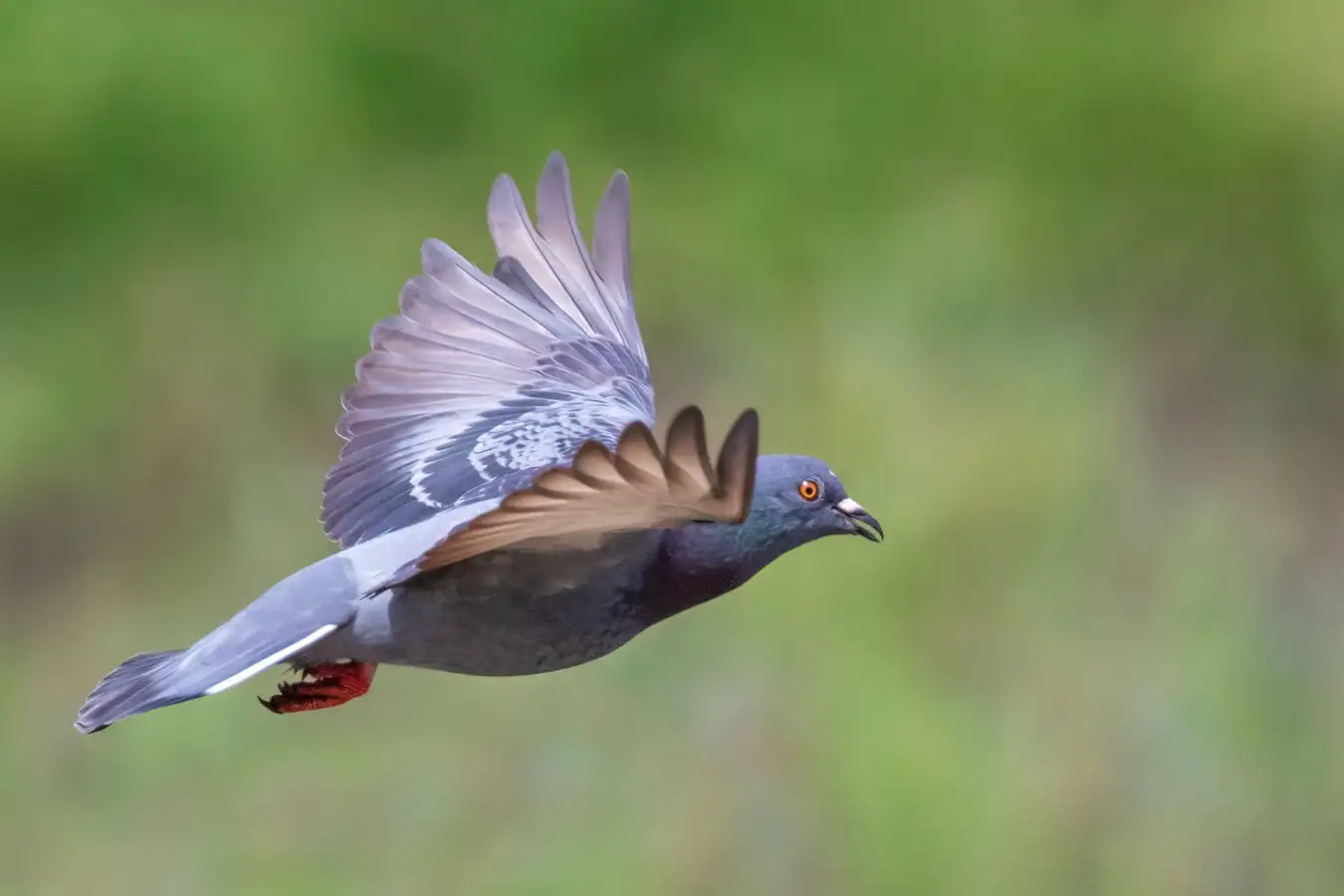
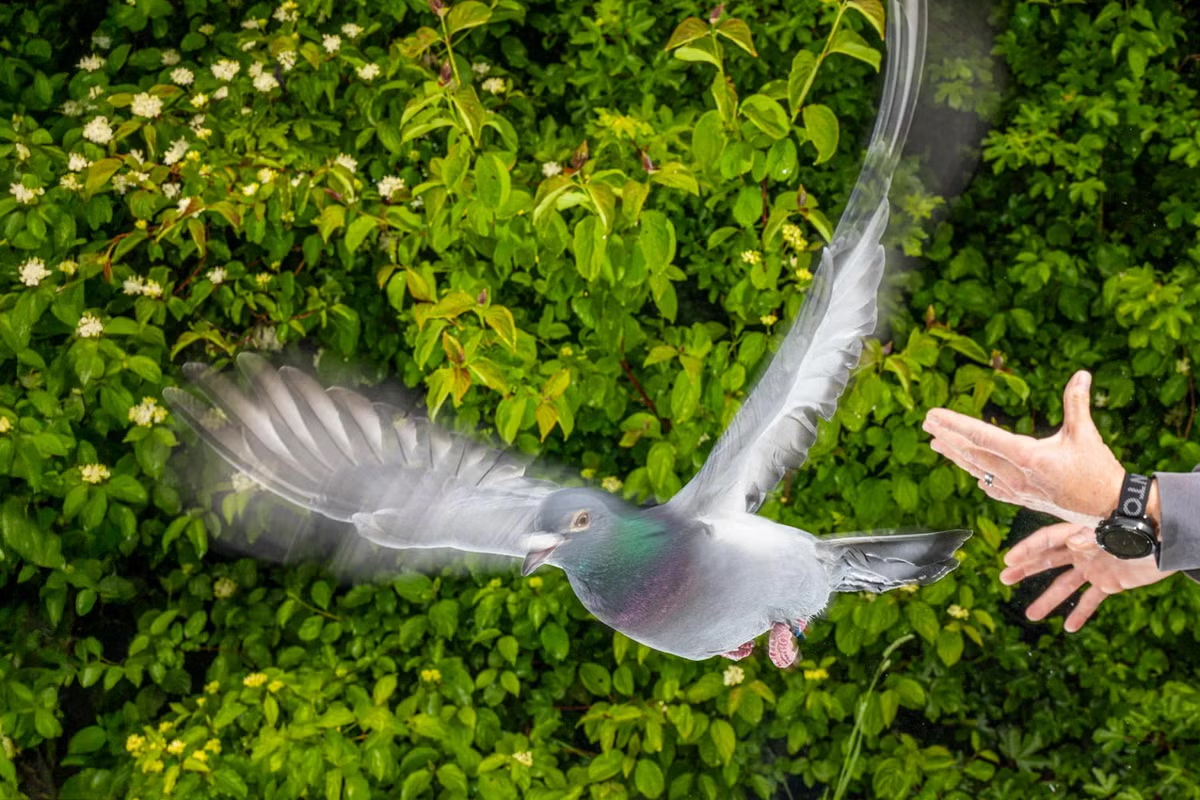
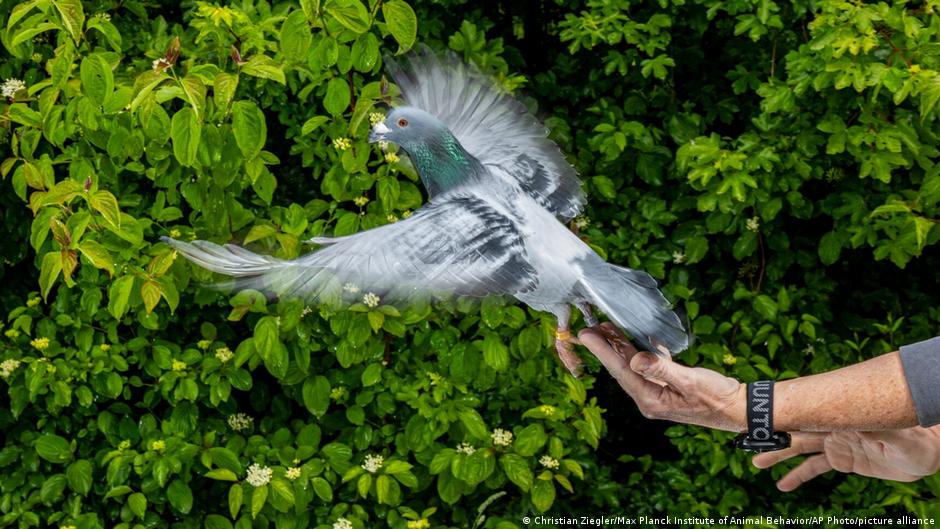
Contrary to common assumptions, pigeons do not lock their eyes in place during flight. Instead, they make slow, subtle eye movements that may help them gather more information about their surroundings.
That is the key finding of a new study led by Dr. Anthony Lapsansky (AL), who conducted the research as a postdoctoral fellow at UBC, and Dr. Doug Altshuler (DA), professor in the department of zoology. In this Q&A, they discuss what the findings reveal about animal vision and autonomous flight.
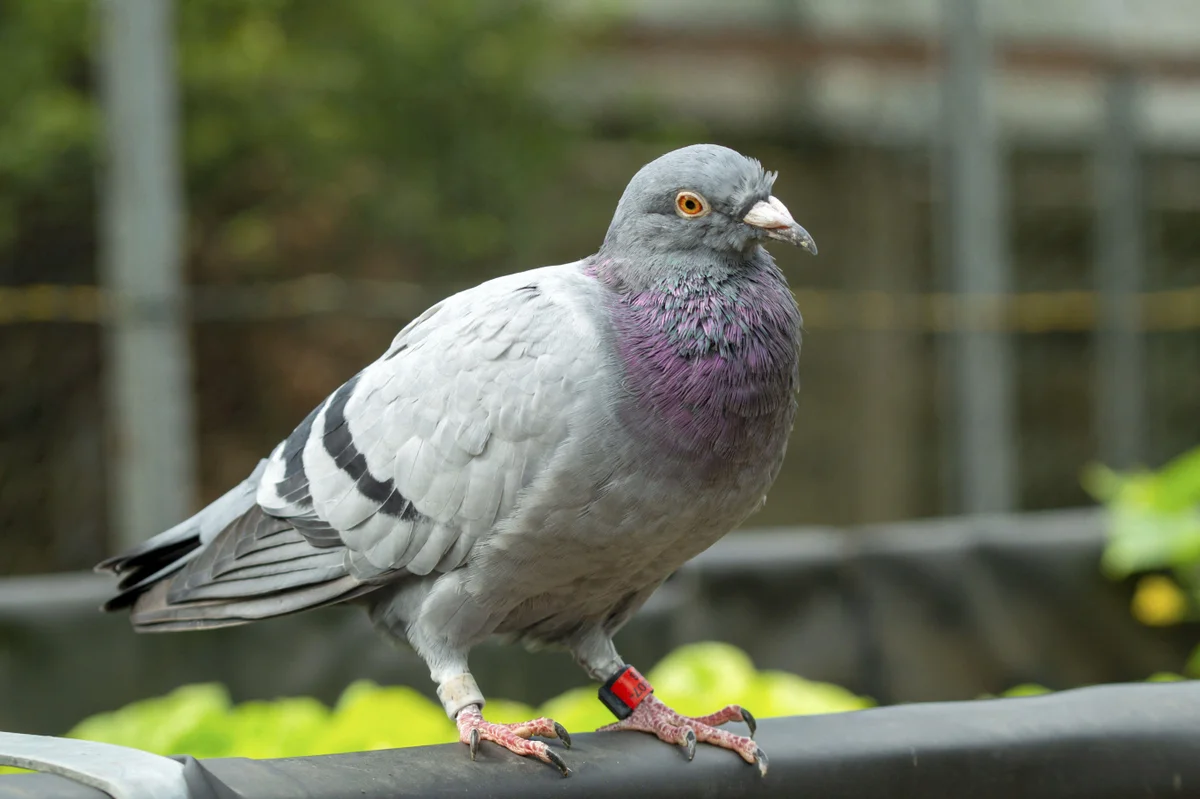
Why study homing pigeons?
DA: Pigeons make a good model for research because they’re representative of many birds—their eyes are located on the sides of their head, giving them an almost panoramic view of the world. They’re also easy to work with, easy to train—and they fly home, so you don’t have to worry about losing them.