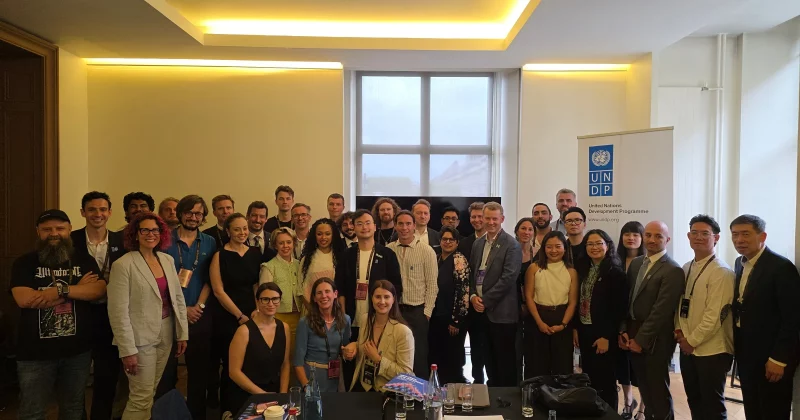
The United Nations Development Programme and the Stellar Development Foundation just turned a promising experiment into a long-term commitment. The two organizations announced an extension of their partnership on July 6, 2026, aimed at scaling blockchain-based digital payment solutions through 2027.
The extension follows 16 months of actual research and pilot programs across five countries, with results that are hard to argue with. Transaction fees dropped from 10% to 2%, and payment delivery hit 100% reliability, even in areas with essentially zero internet connectivity.
From pilot programs to permanent infrastructure
The initial partnership kicked off on January 27, 2025, with a straightforward goal: figure out whether blockchain could make humanitarian aid delivery cheaper, faster, and more reliable. The answer, based on pilots in Haiti, Kenya, Syria, Guatemala, and The Gambia, appears to be yes on all three counts.
The Syria results are particularly striking. In Aleppo, where connectivity is minimal at best, the Stellar network successfully delivered cash-for-work stipends with perfect reliability.