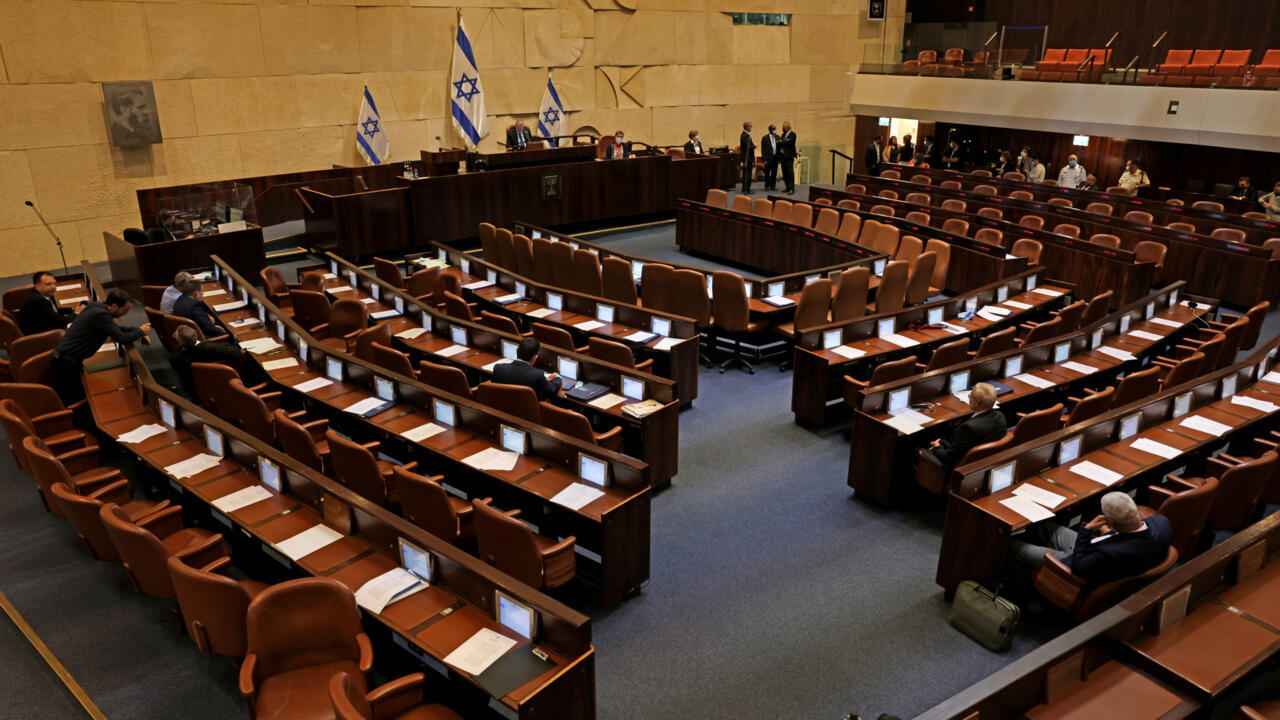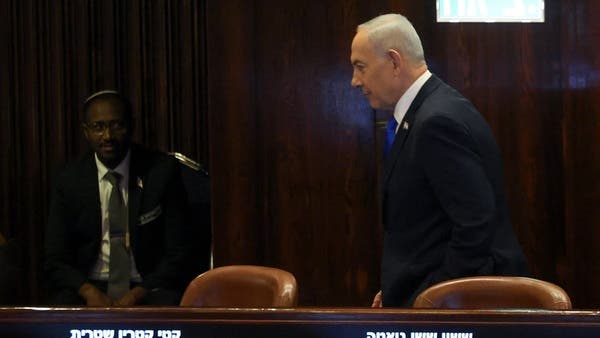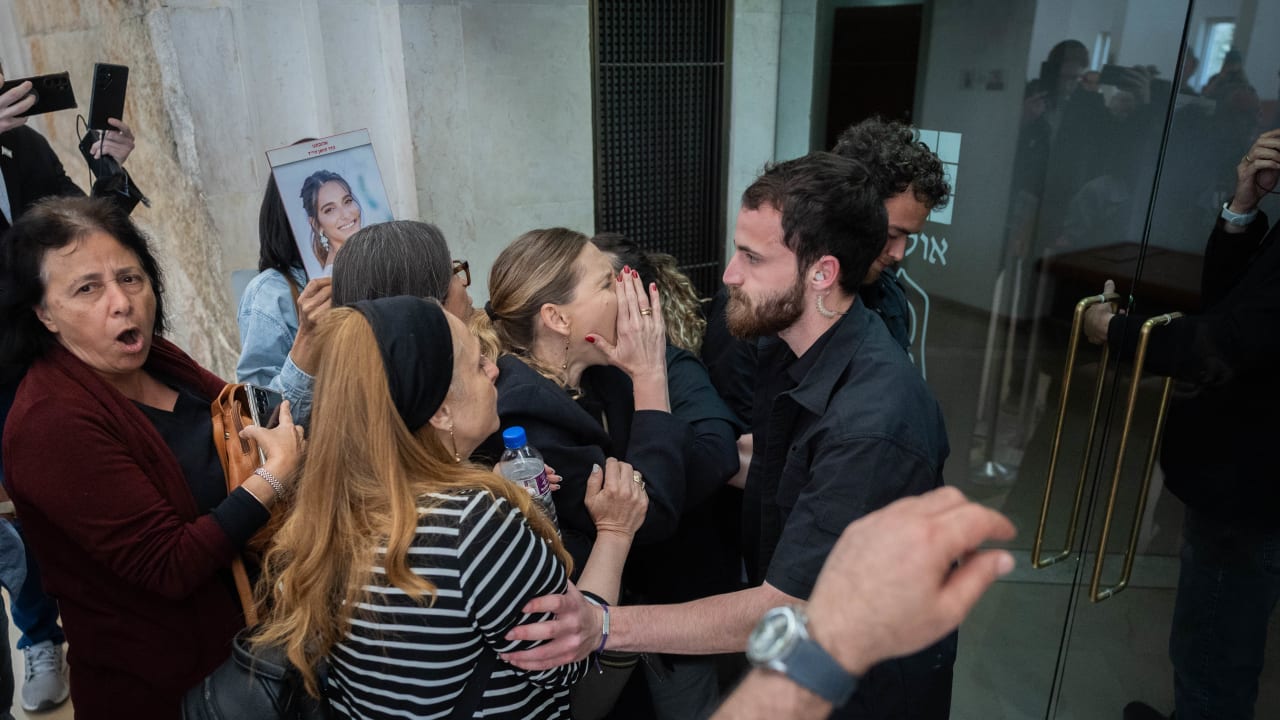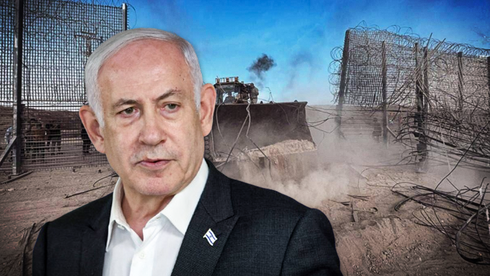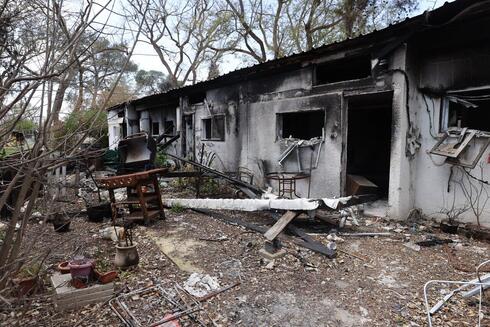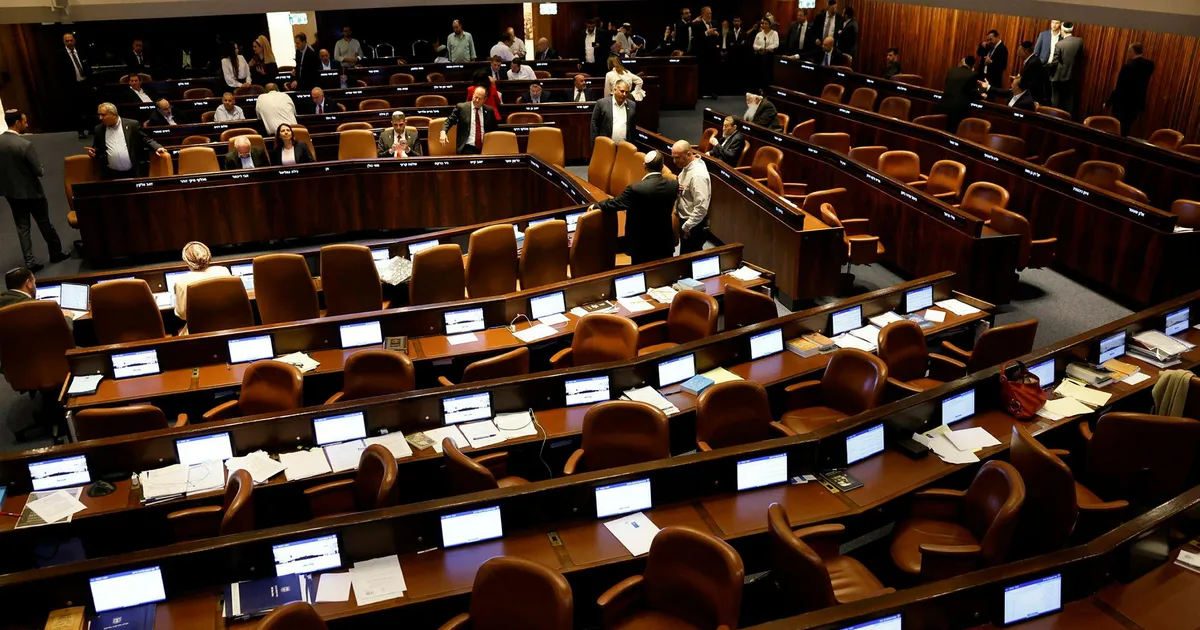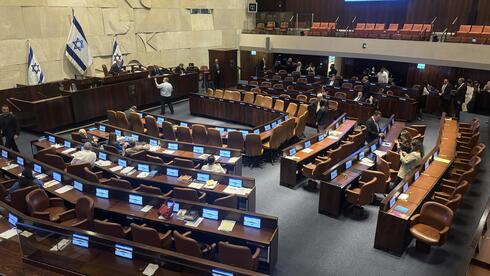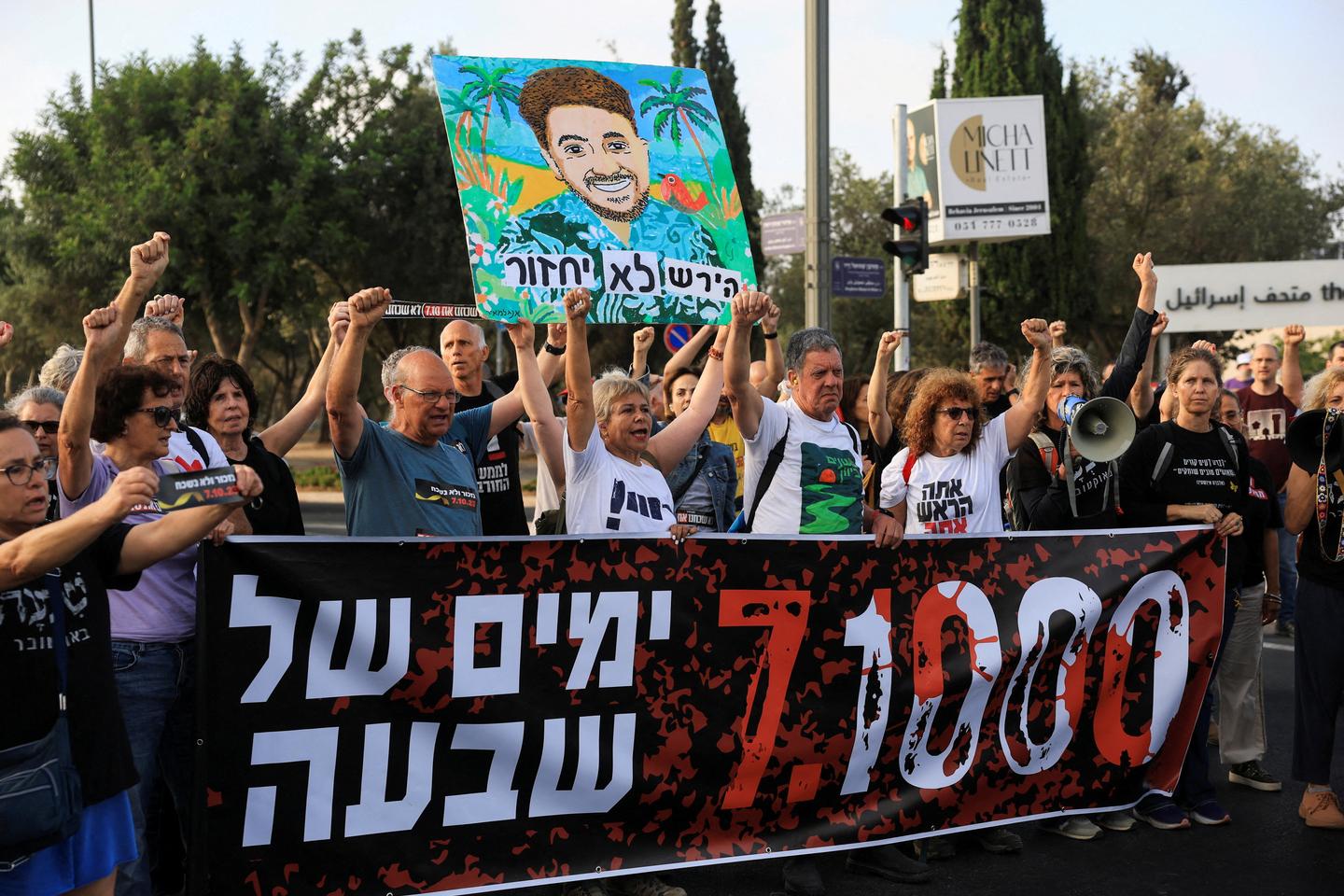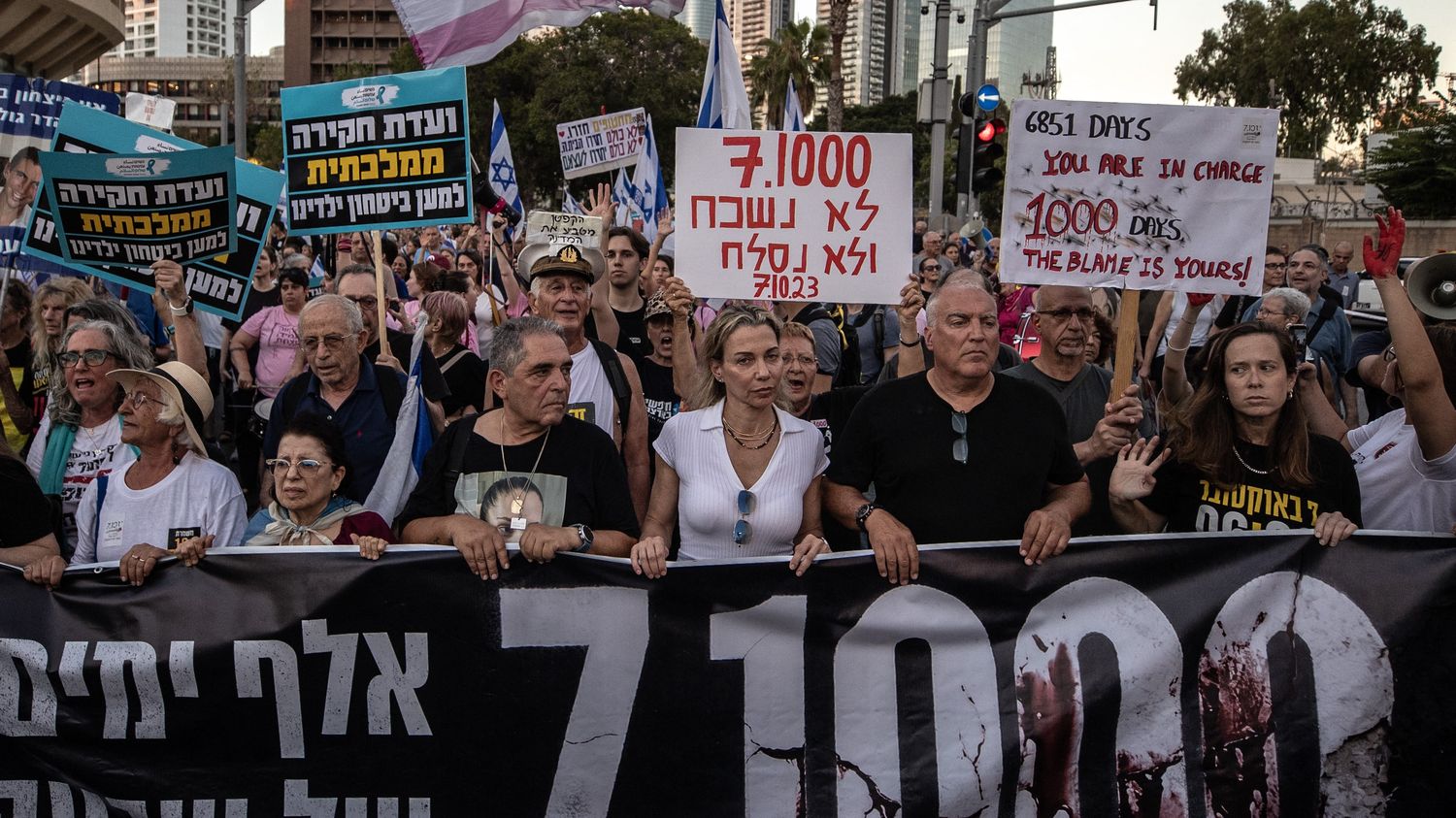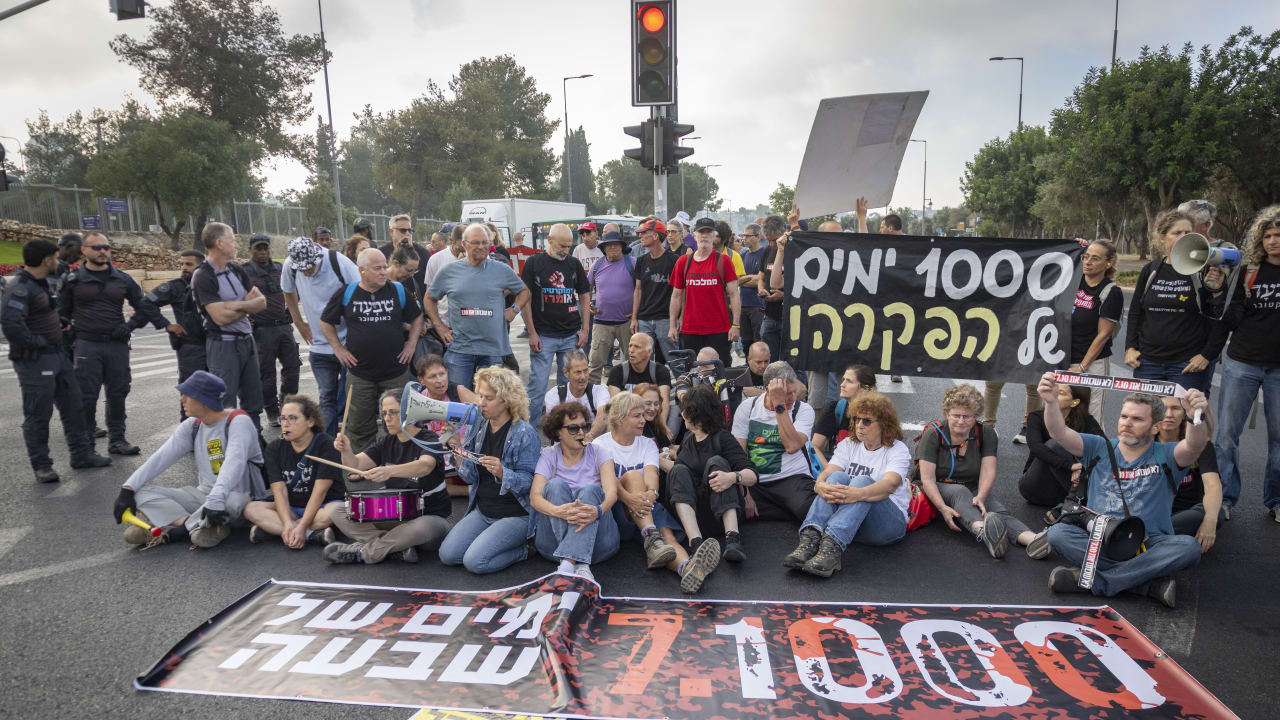
ByKESHET NEEVJULY 6, 2026 21:24The Knesset plenum passed in its first reading on Monday the coalition’s contentious bill that seeks to establish a politically appointed investigative committee to probe government failures during the October 7 massacre in 2023.The advancement of the legislation comes nearly three years after the massacre, with no probe yet established amid an ongoing dispute over what kind of investigation should be conducted and who should lead it.The bill, which was sponsored by Likud MK Ariel Kallner, seeks to promote a new investigative framework that diverges from the traditional independent state commission of inquiry mechanism, which is overseen by the Supreme Court.The advancement of the bill also comes as the coalition has been pushing forward with various pieces of contentious legislation during the government’s last Knesset term ahead of elections set to take place no later than October.With the Knesset’s expected dissolution around mid-July, the legislation will likely be unable to pass its second and third readings. However, by having the bill be passed in its first reading, progress can continue from where it left off even in the next Knesset due to the parliament’s continuity motion policy, allowing it to be advanced more rapidly in the future.MK Ariel Kallner speaks during a Constitution, Law and Justice Committee meeting at the Knesset, in the Israeli parliament on May 5, 2025. (credit: YONATAN SINDEL/FLASH90)Without community status, when a new Knesset is formed, the legislation would lose continuity status, and progress on it would be reversed.The bill, which passed its preliminary reading in December, must still pass two additional plenum readings to become law.Bill differs from previous state commission of inquiry mechanism The make-up of the bill differs from the traditional state commission of inquiry mechanism set out in the 1968 Commissions of Inquiry Law.A state commission of inquiry is considered the most authoritative and independent investigative system under Israeli law. It operates entirely outside the political echelon - with members appointed by the Supreme Court’s chief justice - and has the power to subpoena witnesses and issue personal recommendations regarding individuals.Under the framework laid out in Kallner’s bill proposal, Supreme Court appointments would be replaced by members selected through a Knesset-led process.The commission would comprise six members appointed by the Knesset, according to the bill. Lawmakers would first be given a limited period to reach an agreement on all appointments in a vote requiring a supermajority of 80 Knesset members.A contentious part of the bill, which was decided after various revisions, is that if the opposition chooses not to participate in the committee - a scenario likely to happen - the investigative committee would be permitted to run in a reduced format with only three members who were from the coalition.Until now, opposition lawmakers have boycotted all committee discussions on the bill, stating that they would not partake in discussions on the legislation and that they refuse to cooperate with the advancement of such a probe.Knesset speaker to be responsible for providing list of commission appointeesAccording to the bill, the Knesset Speaker would be responsible for providing a list of who would be on the commission and would be expected to consult with both coalition and opposition factions about the appointments.Those on the commission would not be able to be eligible to serve on the investigative commission if, 18 years before the October 7 attacks if they served as a Supreme Court justice, prime minsiter, member of the security cabinet, IDF officer of major general rank or above, head of the Shin Bet or deputy head, attorney-general, military advocate-general, or legal adviser to the Shin Bet.At least one commission member would be required to be qualified for appointment as a Supreme Court justice, which would entail that they were an attorney with a minimum of ten years of legal experience.If no agreement were reached in the supermajority vote, the coalition and the leader of the opposition would each appoint three members to the committee.The coalition's appointments would require written support from at least 61 coalition MKs, while the opposition's appointments would require written support from a majority of opposition MKs.The legislation further proposes appointing four overseers from among bereaved families of war casualties, who would be entitled to participate in aspects of the investigation.The committee hearings are expected to be open to the public and broadcast, though not live.The commission would also have the choice to determine the rules governing broadcasts and could distinguish between making a hearing public.During debates in the Knesset when the legislation was being advanced, various additions and subtractions were made to the bill that led to outrage from bereaved families and victims of the attacks.The aftermath of Hamas's terror attack on Kibbutz Holit during the October 7 massacre, pictured October 26, 2023. (credit: ERIK MARMOR/FLASH90)In May, wording calling for a “full, thorough, and independent investigation” into the attacks was briefly removed.The Knesset’s Constitution Law and Justice Committee legal adviser had also warned before previous revisions that the bill could jeopardize the integrity of an investigation into the October 7 attacks and highlighted several structural issues with the proposed framework.Netanyahu remains only major official to stay in office after October 7 massacrePrime Minister Benjamin Netanyahu is among the only major officials who have not resigned after the October 7 massacre.The political echelon has repeatedly blocked a state inquiry into the events surrounding the attacks, despite polls showing huge public support for this type of investigation.Amid the ongoing rift between the government and the judiciary, Netanyahu has repeatedly spoken out against judicial appointments being in charge of the investigation.Netanyahu also released a 55-page document in February that outlined answers he gave to State Comptroller Matanyahu Englman as part of the investigation into the October 7 Hamas attack.The prime minister’s answers point to failures among officials in the security establishment and appear to deflect his role in the outcome of the attacks. Opposition leader Yair Lapid has accused Netanyahu of manipulating and selectively editing the documents to evade responsibility.Ahead of the first reading vote in the Knesset, the October Council, which represents victims and bereaved families of the attacks, slammed the legislation, accusing the government of attempting to whitewash government failures.The group stated that the “coalition of the massacre” was bringing to a first reading a law that will establish a political commission that will “help save them from their share of responsibility for the greatest massacre that has occurred to the Jewish people since the Holocaust.”“A massacre in which our loved ones were raped, kidnapped, burned, murdered, and slaughtered.”“This disgraceful bill is not intended to investigate the truth, but to bury it alongside our children, brothers and sisters, parents, and friends,” the October Council added.Follow us on Google
Knesset passes first reading of Oct. 7 inquiry bill | The Jerusalem Post
The advancement of the legislation comes nearly three years after the massacre, with no probe yet established amid disputes over what kind of investigation should be conducted and who should lead it.
1,113 words~5 min read