Barry Silbert’s Digital Currency Group just lost a major legal battle. A federal judge has denied DCG’s motion to dismiss key fraud claims in a class action lawsuit, meaning investors who allege they were deceived about a massive insolvency can now move forward with their case.
US District Judge Stefan R. Underhill ruled that claims under both the Securities Act of 1933 and the Securities Exchange Act of 1934 can proceed. The judge also lifted the discovery stay under the Private Securities Litigation Reform Act, which means plaintiffs can now start digging through DCG’s books.
The $1.1 billion promissory note at the center of it all
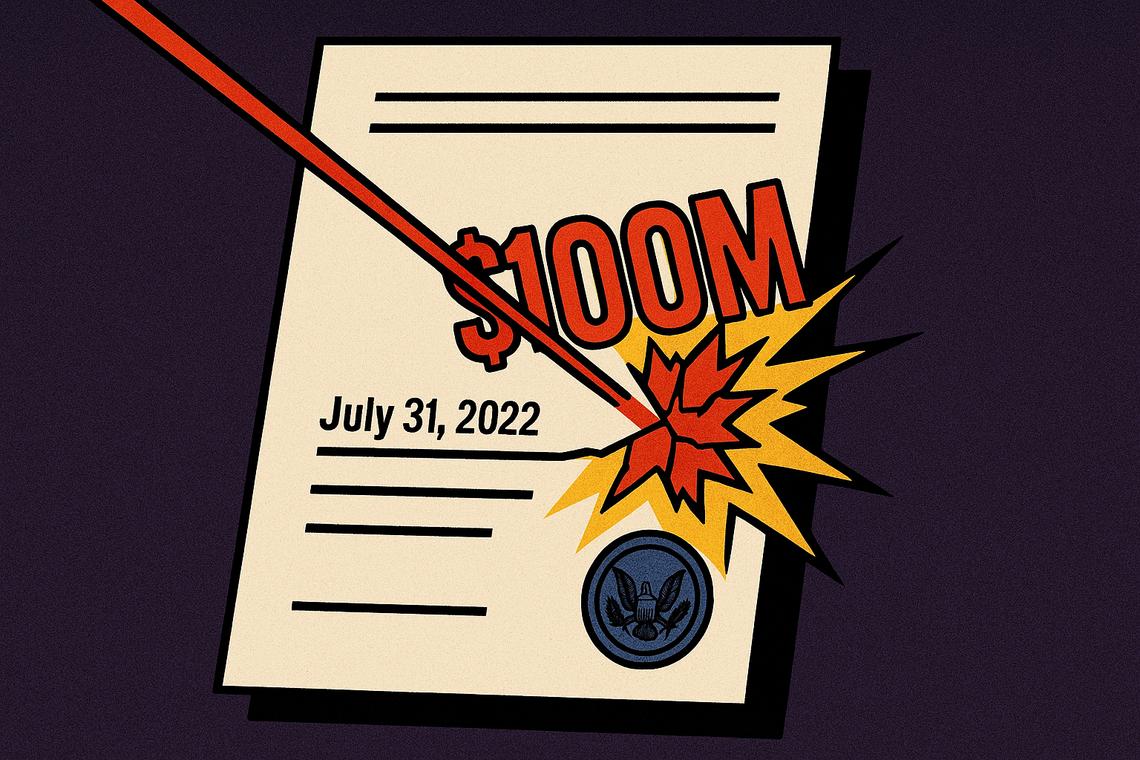
When Three Arrows Capital collapsed in 2022, it left DCG’s lending subsidiary Genesis Global Capital holding a massive bag. Plaintiffs allege that DCG and Silbert concealed this $1.1 billion debt exposure through what they describe as a sham transaction involving a promissory note.
DCG tried to frame the arrangement as a straightforward loan transaction, essentially arguing there was nothing unusual about the promissory note exchange. Judge Underhill wasn’t buying it. The court rejected that characterization, siding with investors who claim the transaction was designed to obscure Genesis’s true financial condition from the people who had money parked in its lending products.