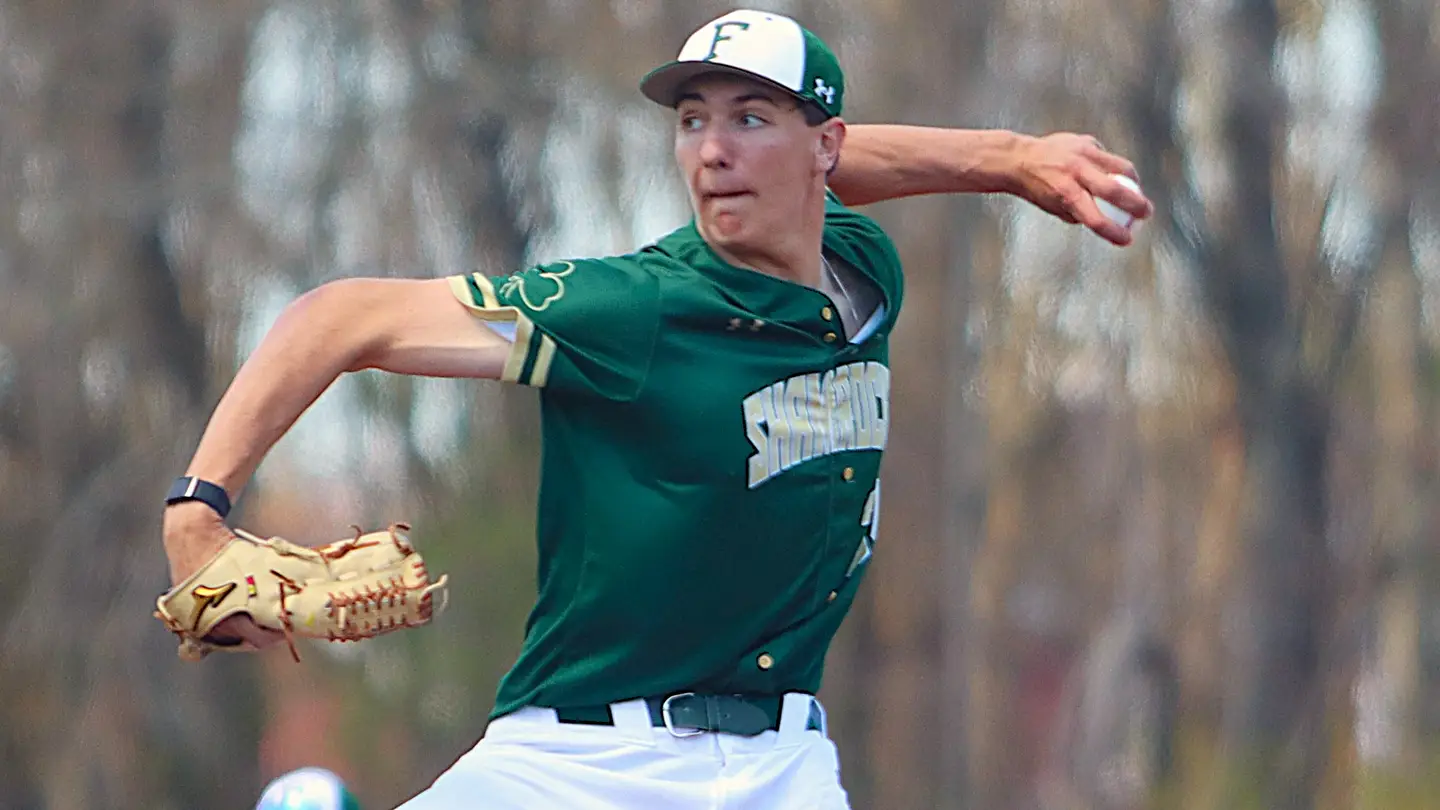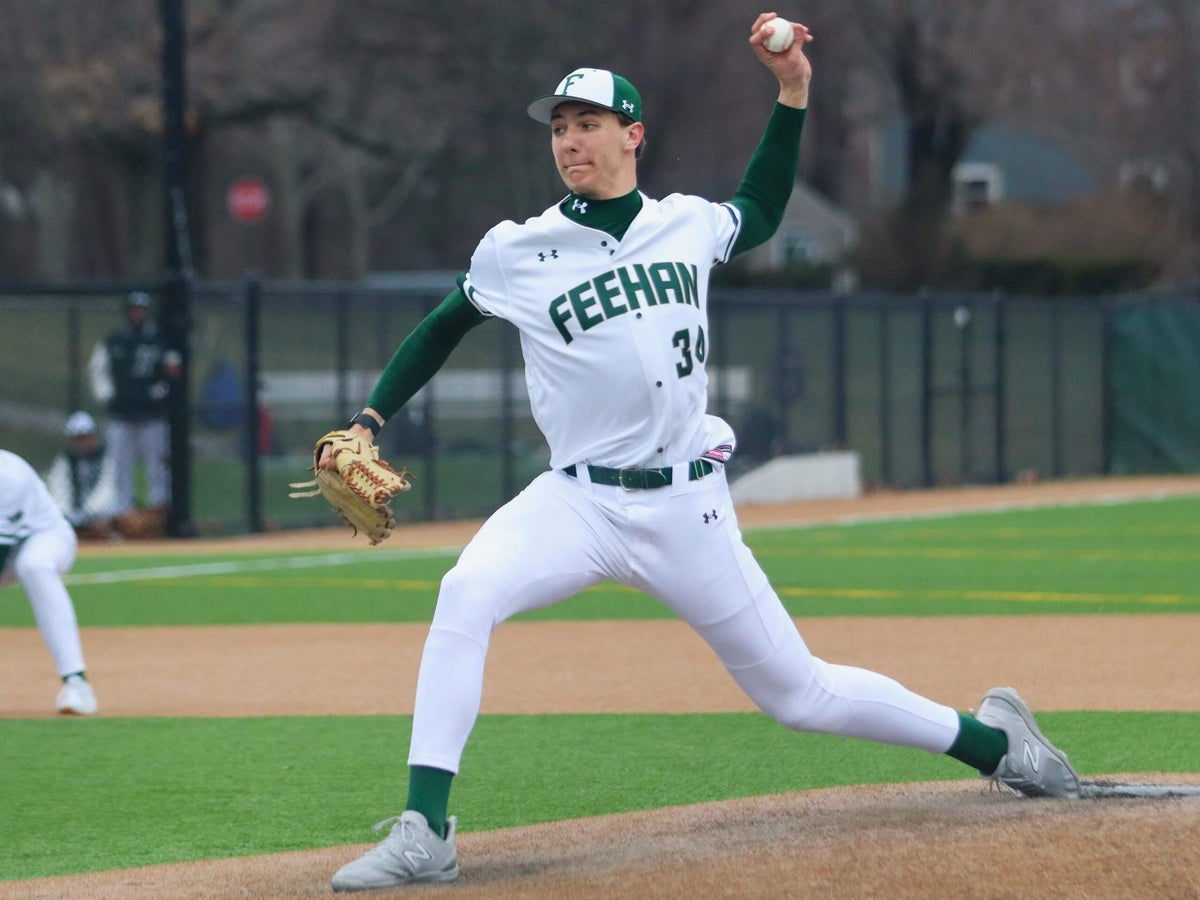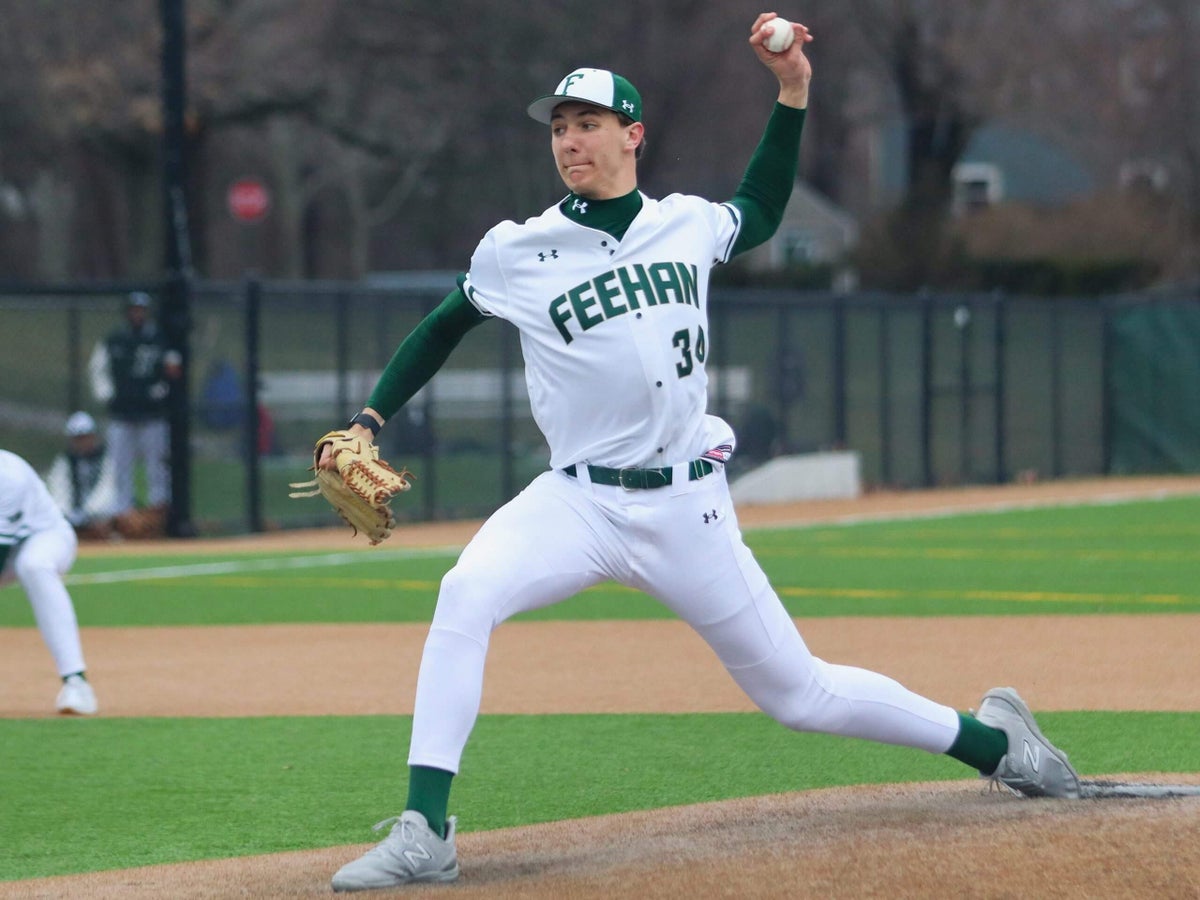
ATTLEBORO, Mass. — Massachusetts is not generally considered a hotbed for top-end high school baseball talent. The unforgiving New England winters and wet springs make it hard for draftees to stand out — that is, unless you’re a 6-foot-9 left-handed pitcher who throws 100 mph.Brody Bumila is just that. The alum of Bishop Feehan High School in Attleboro, a town roughly 50 miles south of Boston, is attempting to join a very select group. Just two Massachusetts left-handers in MLB Draft history have signed out of high school and made it to the majors. One of them is Hall-of-Famer Tom Glavine (1984 draft) and the other is Bill Travers (1970 draft). Miami Marlins prospect Thomas White, a 2023 first-rounder, is hoping to become the third. Bumila would like to be the fourth.Bumila’s 255-pound frame already looks major-league ready, but he has a long road before he can reach the major leagues, a journey that could start with the draft later this week.Consistently ranked by all outlets as a top 60 draft prospect (he ranks No. 54 on Keith Law’s top 100) and one of the top high school pitchers in this class, Bumila has been consistently mentioned as a potential top-two round pick. Baseball America ranks Bumila’s fastball among the best for high school pitchers.A two-sport star in high school, the Texas commit led Feehan to a basketball state title this winter, averaging 40 points and 20 rebounds. His Shamrocks were runners-up for the Div. 1 baseball state title this spring.All of that success came for Bumila less than a year after he had an internal brace procedure on his left elbow. If his name is called on Saturday, the draft will be merely the first step in getting a professional career underway for a confident player eager to refine his potential.“I don’t think too much about (the draft) because that’s been the expectation my whole life,” the 18-year-old said recently. “The expectation was I’d be drafted so why would I put it on a pedestal if I already knew it was going to happen when I was younger?”Bumila always loved baseball. His earliest childhood memories include hours of throwing and hitting a tennis ball against his garage. His family had Boston Red Sox season tickets and he loved watching lefty pitchers Chris Sale and David Price. He still wears No. 34 for David Ortiz.His love for baseball grew about as quickly as he did. In eighth grade, he was already 5-10, by freshman year he was 6-3 and by sophomore year he was up 6-7.At 6-foot-9, Bumila is an intimidating presence on the mound. (Cameron Merritt / Taunton Daily Gazette / USA Today via Imagn Images)Bumila started to get more serious about baseball in middle school. He realized he was a bit different by freshman year and decided to hone in his nutrition and training to take advantage of his size. He had already hit 85 mph on the radar gun by age 14, but knew there was more in there given his massive but lanky frame. He began working with Julie Nicoletti at Kinetic Fuel and shortly thereafter added a dedicated strength program through a private pitching coach at 508 Evo.“I was skin and bones at the time, so the goal was just adding weight,” Bumila said. “It was hard because I wasn’t a big eater, but I’d be full and have to keep force-feeding myself.”The surplus of calories coupled with creatine to push harder in the gym and focused workout plans helped Bumila transform his body rapidly. He added 40 pounds heading into his sophomore year and his fastball jumped from 85 to 94 mph.“Sometimes guys like him you almost have to back them off after a while because like they become a machine,” Feehan head coach Joe Breen said. “That was kind of Brody for a while because he was seeing all the improvements from it. He was almost too locked in. And it was like, ‘Hey, you can still go to Wendy’s with your buddies, you know?’”As Bumila grew into his body, he worked on his command as velocity crept up. The summer after his freshman year, Breen prescribed Bumila to only throw middle-middle fastballs. The velocity was already overpowering hitters, but he needed to work more in the zone.“His stuff moves so much too and it was like, ‘Hey if you’re throwing middle and you miss by eight and a half to 10 inches you’re still in the strike zone,’” Breen said. “So it was just trying to get him to box in on that. He was making such quick gains it was just hard. Every time he’d adjust then he would make more gains, whether it be physically or the velocity. So then you’d have to adjust again.”
Towering lefty Brody Bumila looking to make Massachusetts history in the MLB Draft
Bumila has reached heights seldom seen from Massachusetts high school pitchers both in velocity and physical stature.
2,138 words~10 min read