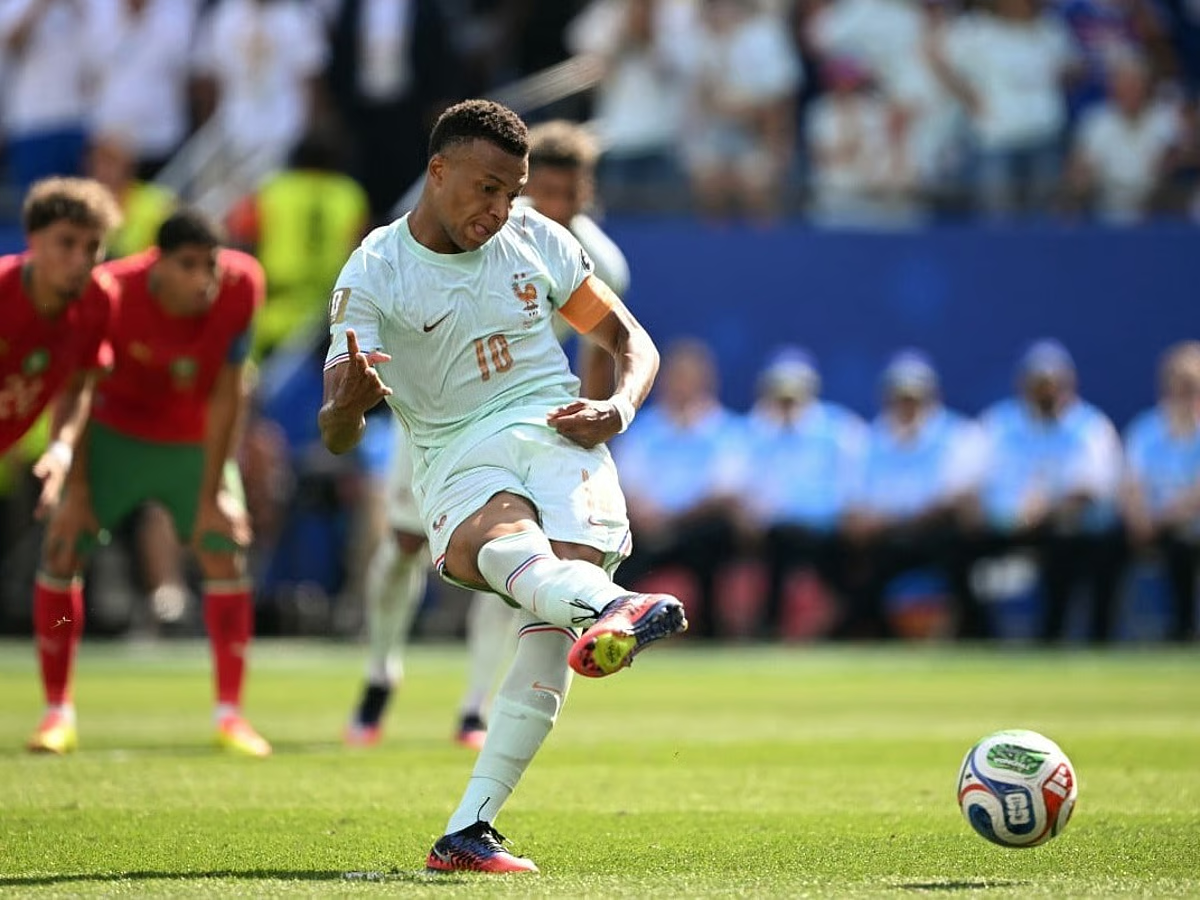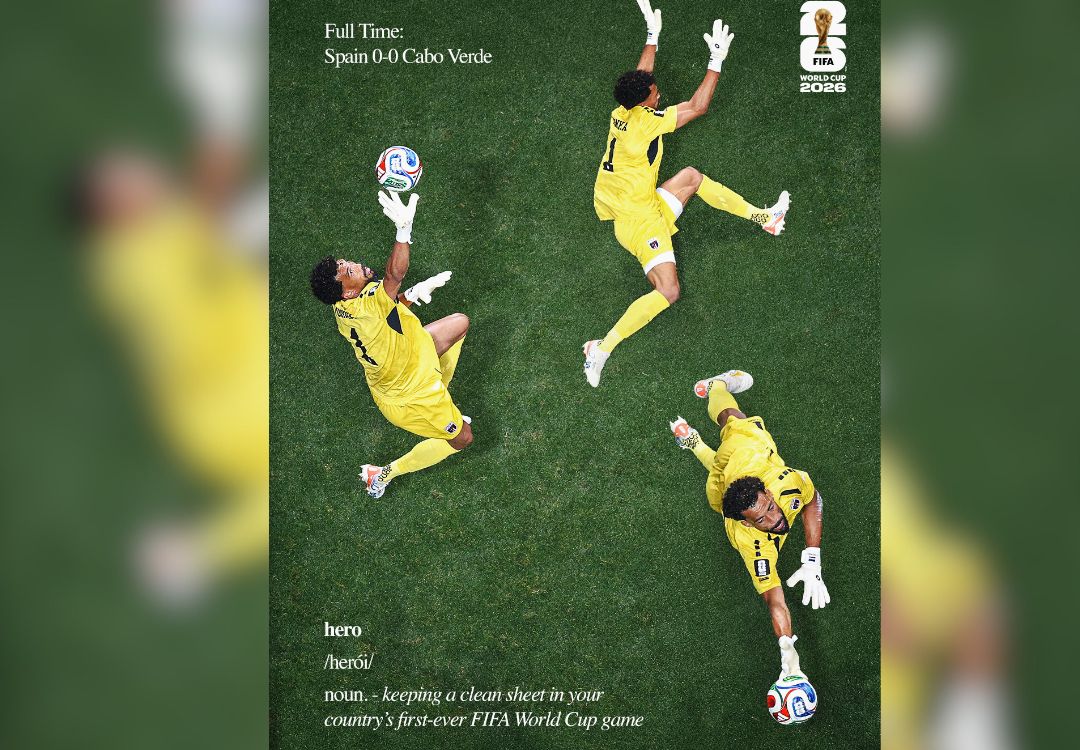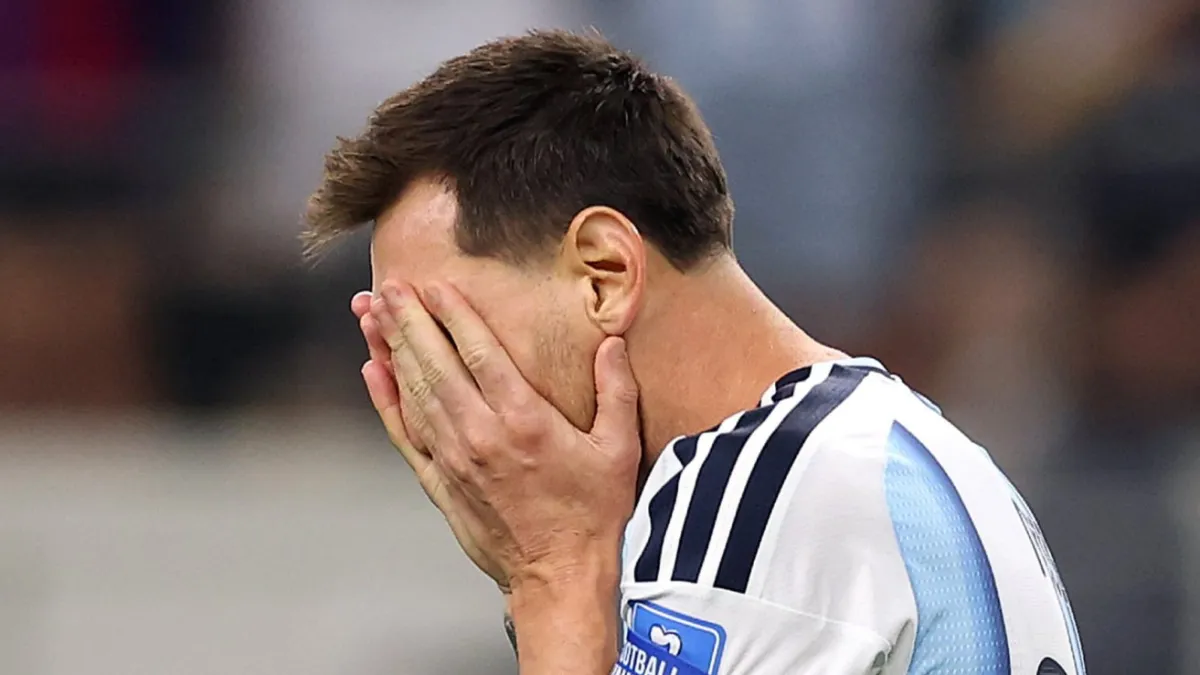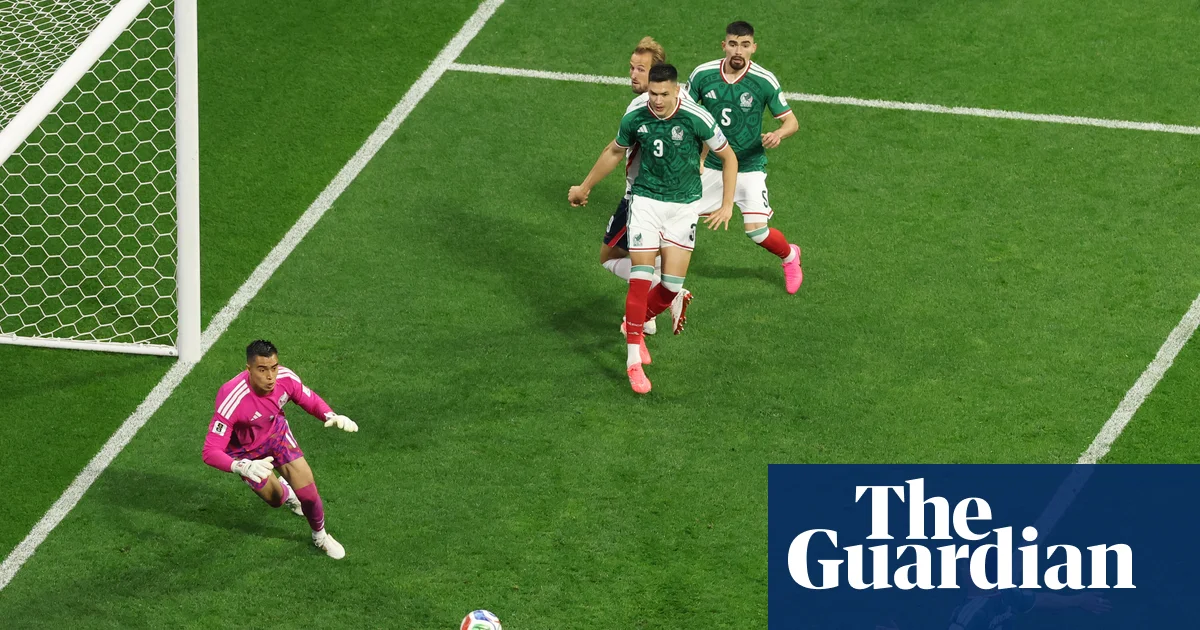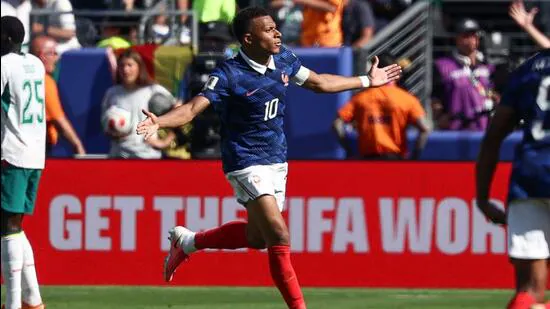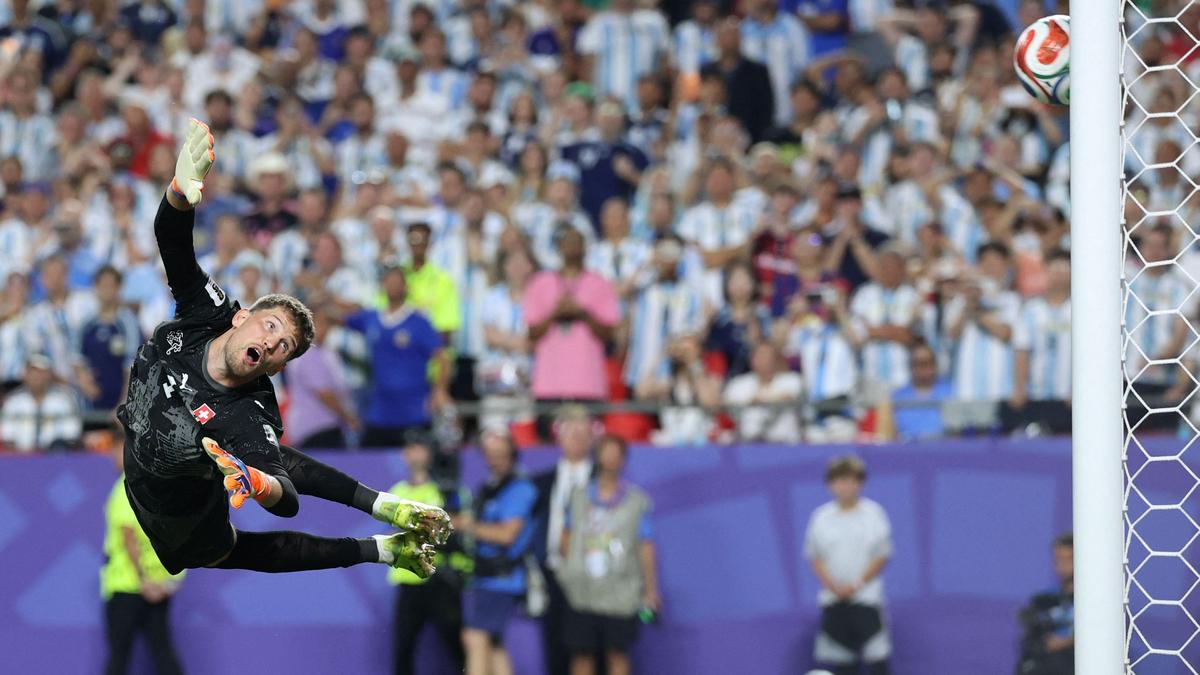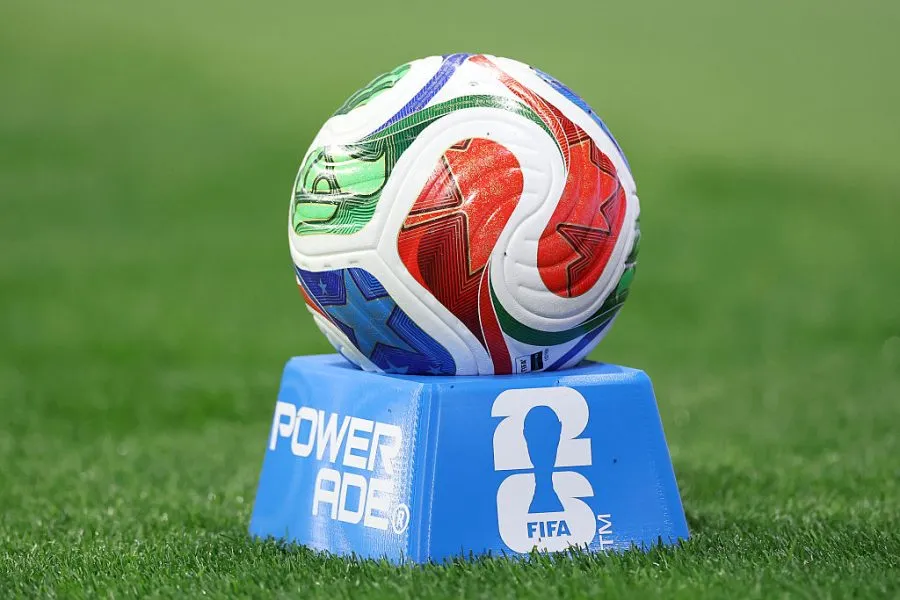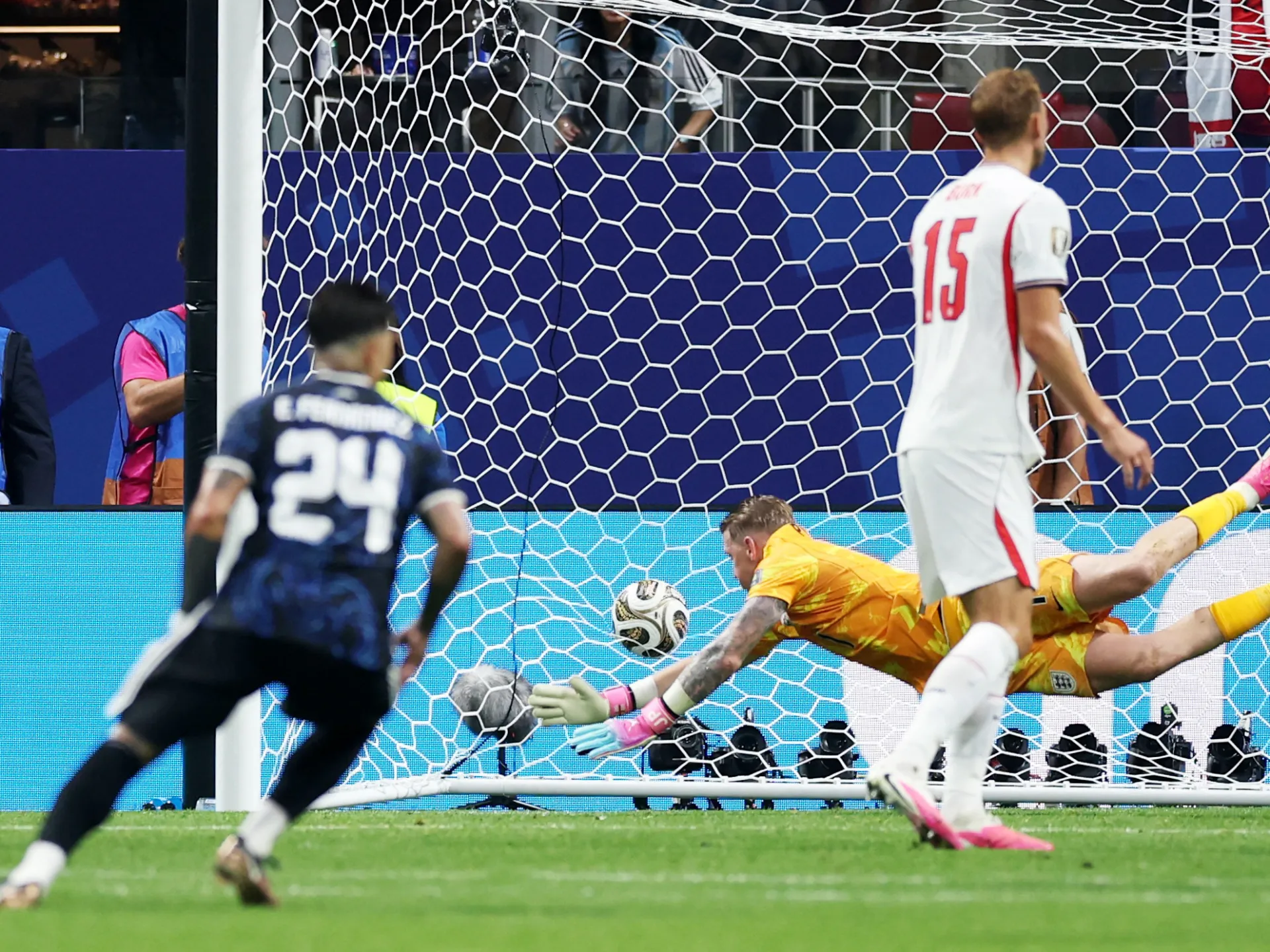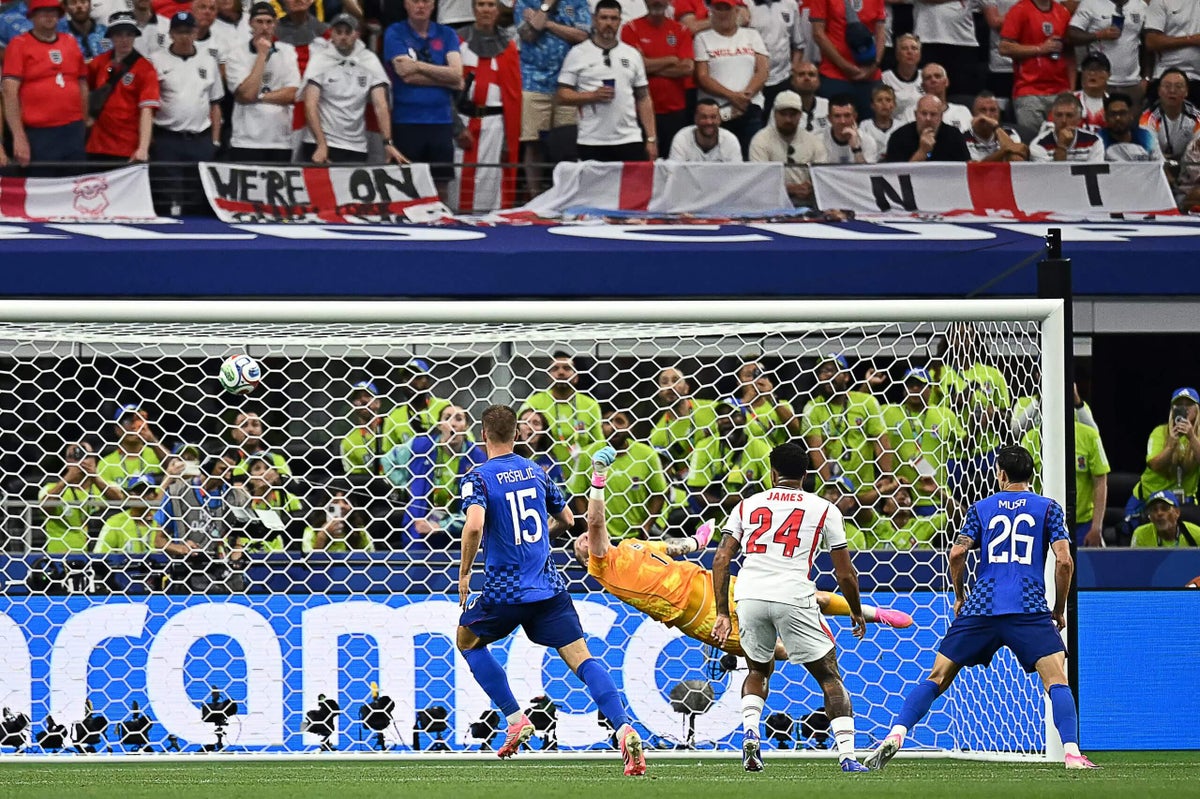
There is a save this World Cup’s goalkeepers keep almost making.Jordan Pickford got a hand to Martin Baturina’s strike for Croatia from 20 yards, but the ball still went in off his glove. Algeria’s Luca Zidane has been beaten the same way twice, first by Lionel Messi, then again against Jordan. Iraq’s Ahmed Basil also got a touch on Kylian Mbappé’s effort from range in Iraq’s 3-0 loss to France. The image keeps repeating itself as goals from outside the box pile up at this World Cup. A diving keeper, fingertips brushing the ball, a rippling net.Along with the goals, the questions mount.Are players simply shooting from range more often? Are low blocks suffocating their own boxes, leaving opponents no choice? Or does the fault lie with the goalkeepers, or with a ball they cannot quite hold onto?The raw numbers, at face value, make a compelling case.Twelve long-range goals were scored in the whole of Qatar 2022, 25 in all of 2018. This edition already had 35 by the end of the round of 32.This is a 48-team World Cup with far more games, and the highest-scoring edition in the tournament’s 96-year history, running at 2.95 goals per game through the group stage — the best rate since 1970.More goals from distance could simply mean more of everything. So it is worth looking more closely.Are players actually shooting from range more often, or converting more of the shots they take?Why don't these countries play in the colour of their national flag?Tifo FootballThe volume theory is the easiest to test. At the end of the round of 32 phase, 37.3 per cent of all shots at this World Cup had come from outside the box, up from Qatar’s 36.7 and comfortably below Russia 2018’s 42.4.Club football suggests that is close to the norm, too, sitting near both the Premier League (32.6 per cent) and the Champions League (33.1 per cent) this season. Players, then, are shooting from range at an ordinary rate. Even the conversion on those shots matches club football in 2025-26, at 4.48 per cent against the Premier League’s 4.52 and the Champions League’s 4.91.Set against the World Cup’s own recent history, though, the numbers tell a different story.Long-range goals are going in at roughly one every other game, one in every seven goals scored — double Qatar’s rate.The goal rush isn’t coming from close range: goals inside the box per game are actually lower than in Qatar. And overall shot quality has got worse, expected goals per shot sliding from 0.117 to 0.104.Read against the last two World Cups, the long-range shooting this summer is freakish. Players are scoring more, from worse positions. The anomaly is not the shooting, it is the scoring. So who, or what, is responsible?Before asking why so many long shots are going in, it is worth asking why they are being taken at all.Where a shot is taken from is decided as much by the defence as by the shooter, and nobody was pushed further from goal than Turkey. They are proof that neither distance shooting nor sheer volume guarantees anything, with 3.53 expected goals across their first two games and no goals to show for it.
The freakish long-range shots that are changing the World Cup
Shots from outside the box have had a higher success rate this World Cup. Why is that? Here's what the numbers tell us.
1,471 words~7 min read