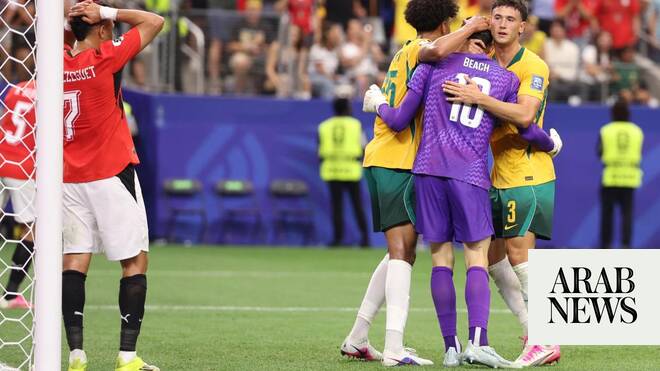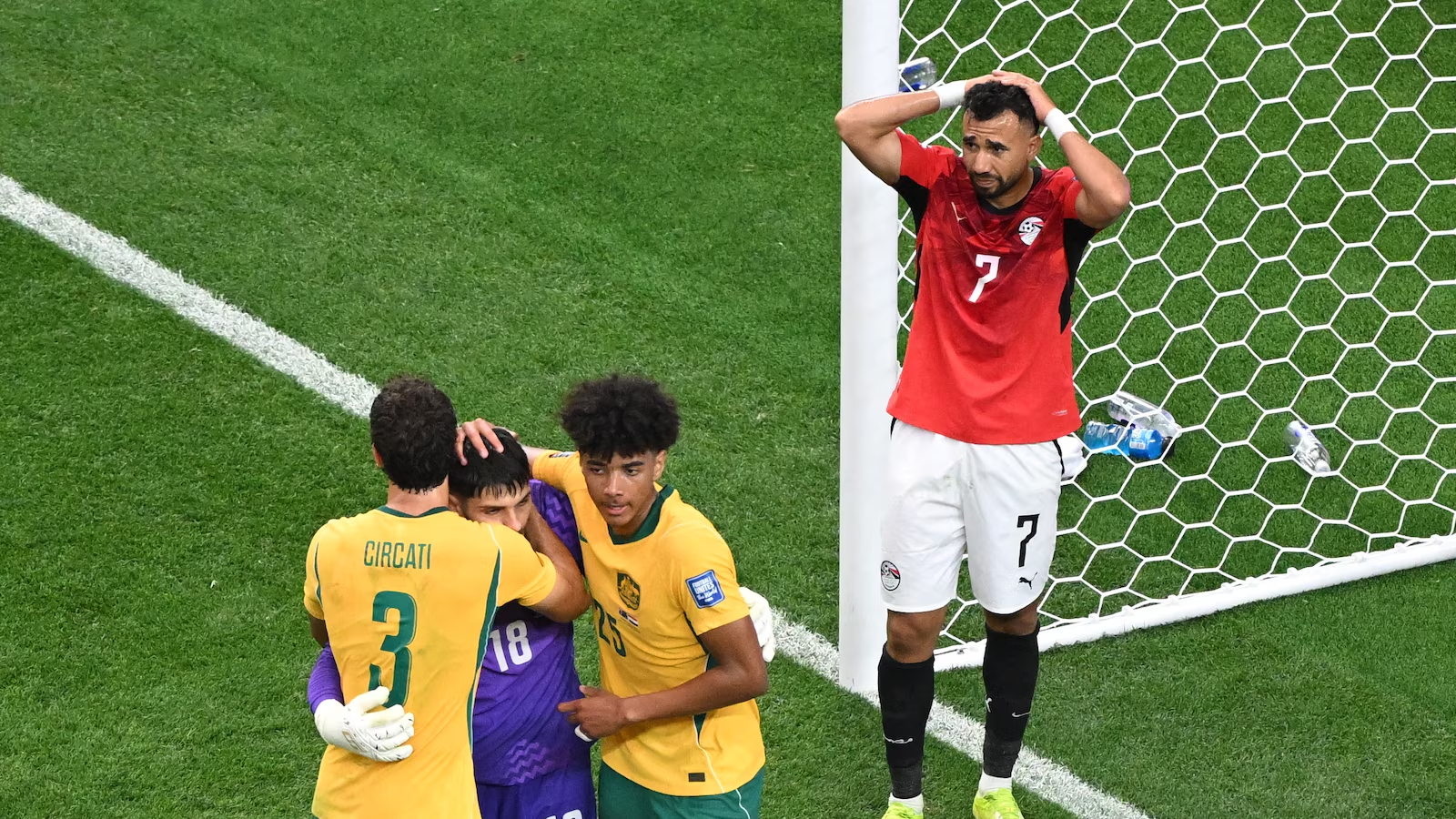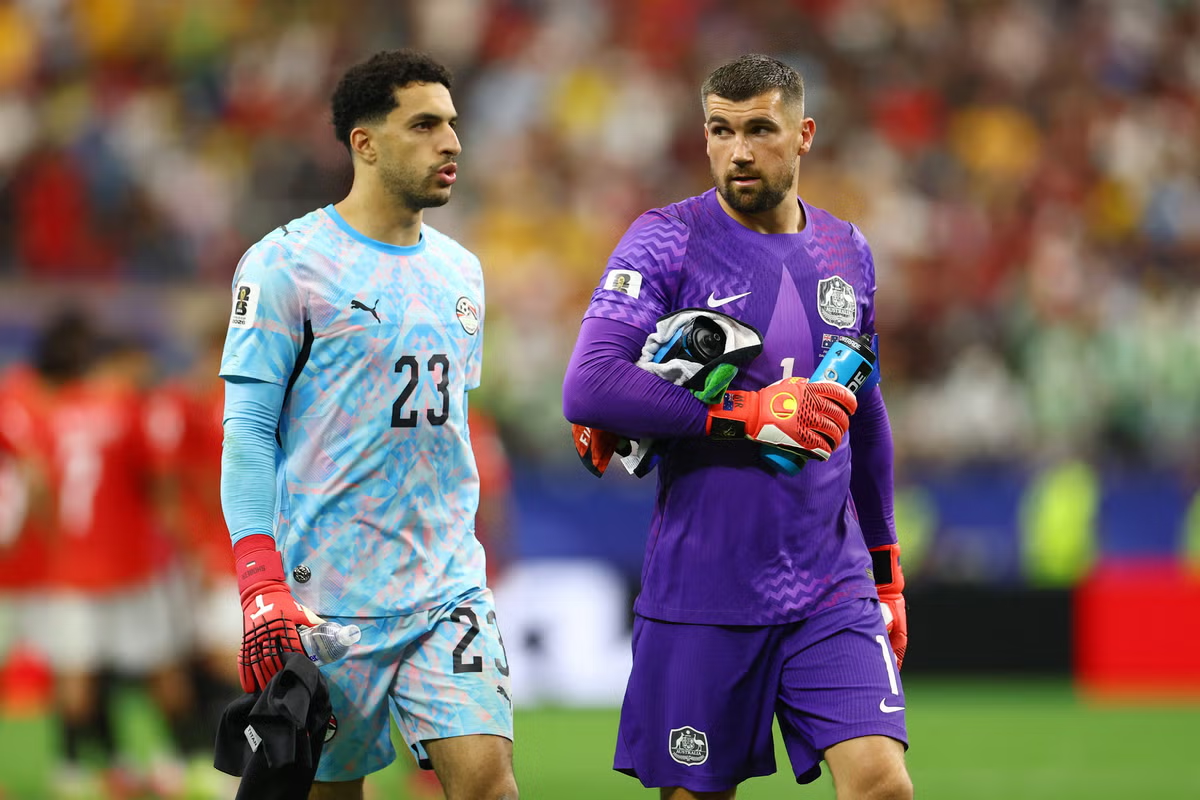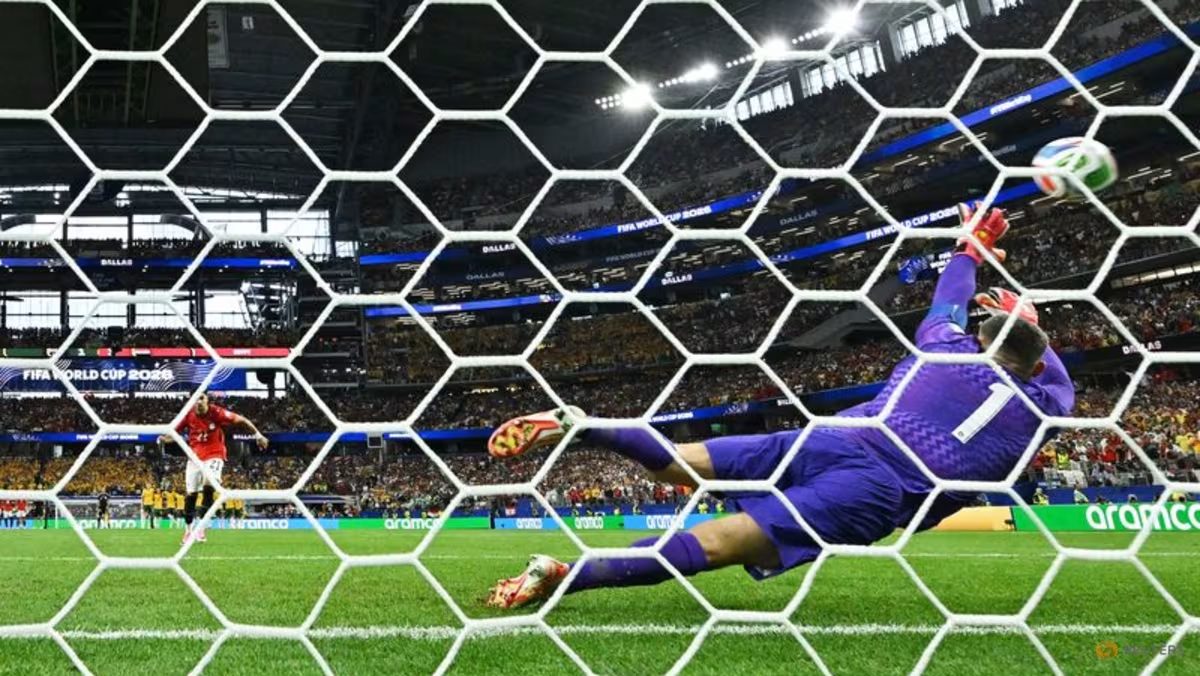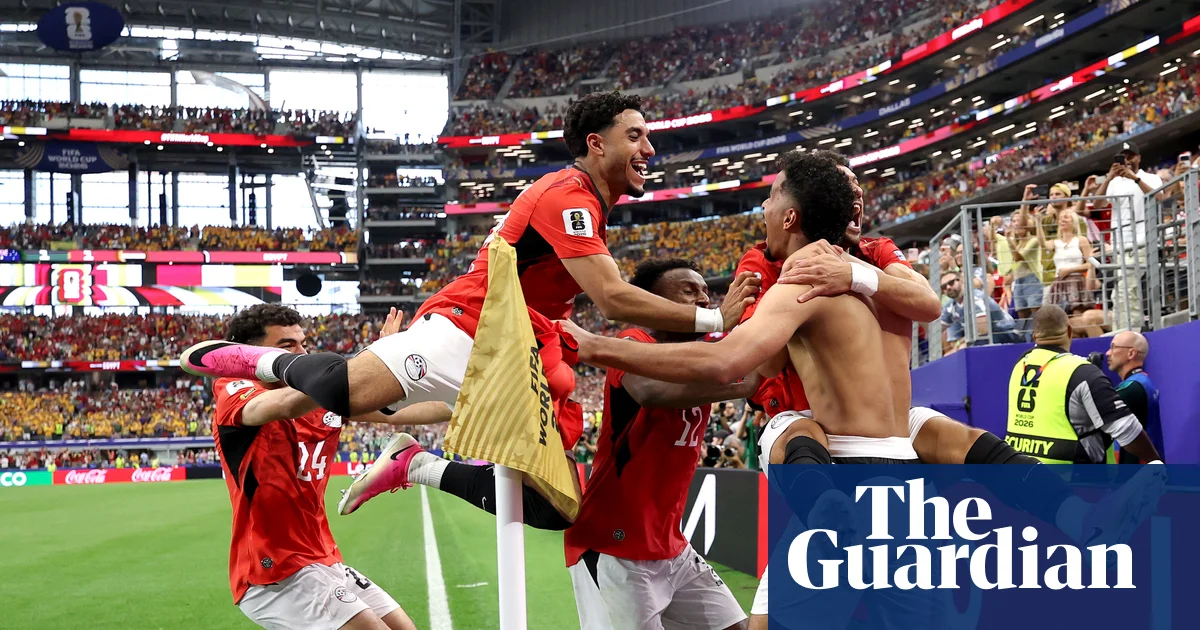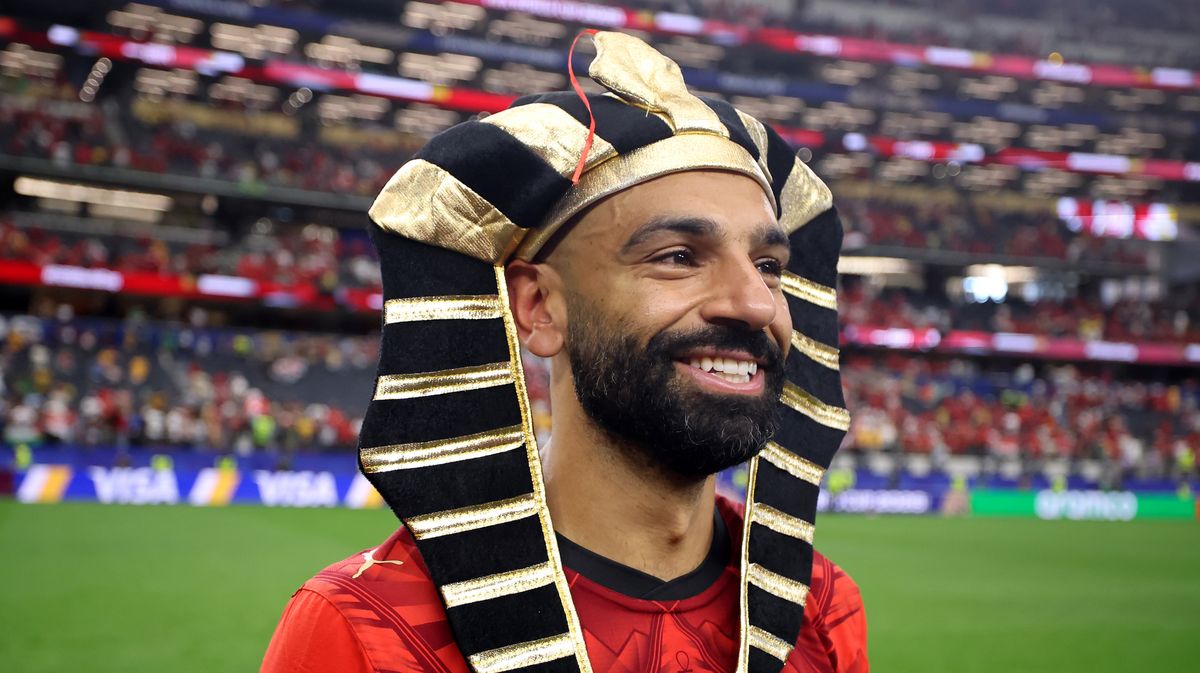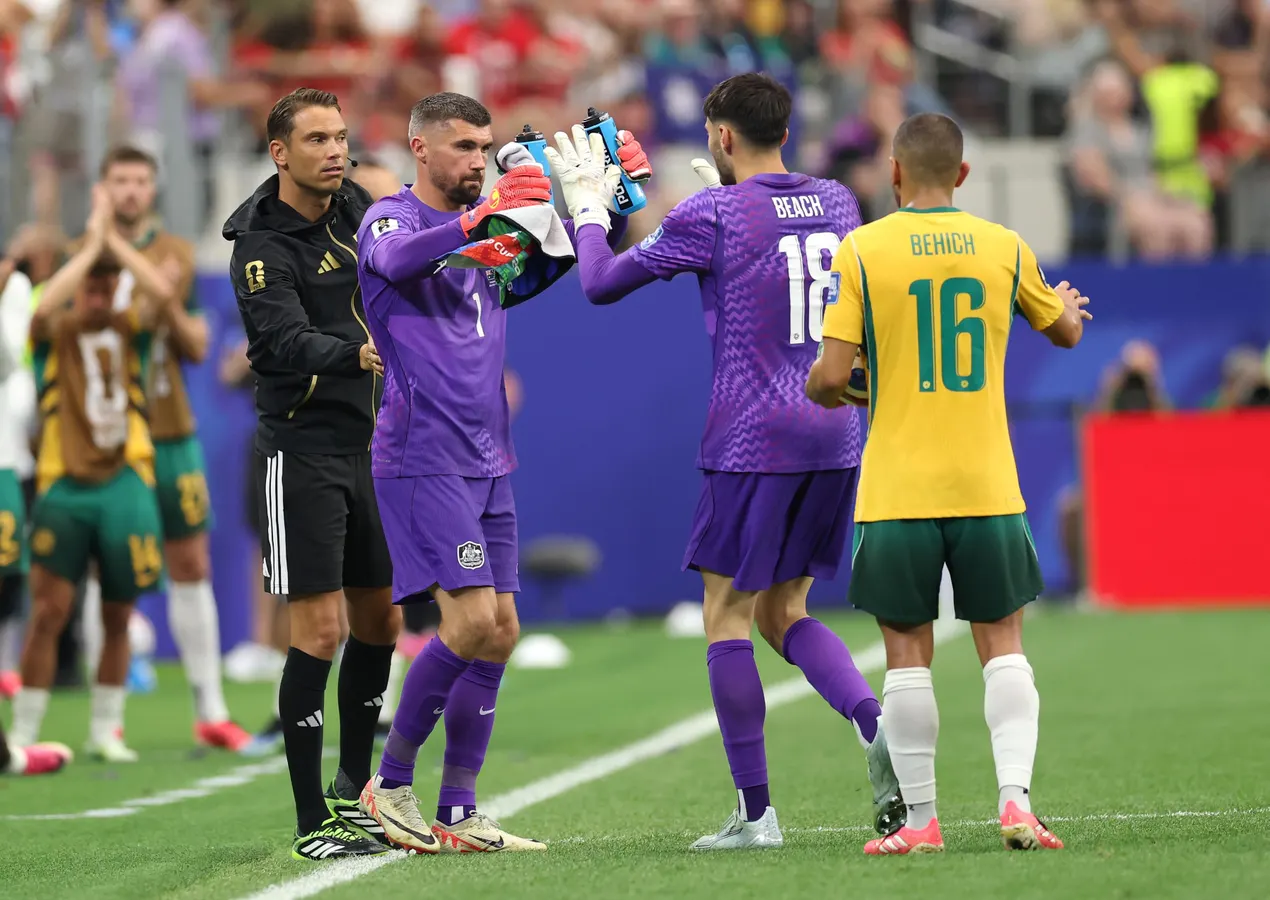
ARLINGTON, TEXAS - JULY 03: Mathew Ryan #1 of Australia comes on as a substitute replacing Patrick Beach #18 during the FIFA World Cup 2026 Round of 32 match between Australia and Egypt at Dallas Stadium on July 03, 2026 in Arlington, Texas. (Photo by Molly Darlington/Getty Images)Getty ImagesWhen Matt Ryan entered the field for Australia in the 119th minute of their last-32 tie with Egypt, the Socceroos’ penalty strategy was laid bare.The Aussies’ number-two goalkeeper was coming off the bench to replace first-choice stopper Patrick Beach with barely a minute to go ahead of the upcoming penalty shoot-out. An unusual move by head coach Tony Popovic to seize an edge ahead of the spot-kicks.The only trouble is, it didn’t work. Ryan failed to save a single penalty as Mo Salah’s chipped Panenka penalty sent the North Africans through instead of Australia.It was the latest in a long line of shoot-out strategies that World Cup coaches have employed to win since they were introduced to decide tied knock-out matches in 1982, with some proving more successful than others.To be fair to Popovic, his move to replace his goalkeepers wasn’t unprecedented. And when Louis van Gaal did it for the Netherlands in 2014, the Dutch won.The former Barcelona and Manchester United boss hooked Jasper Cillesen with 44 seconds of their quarter-final tie with Costa Rica due to the goalkeeper’s poor penalty record, bringing on Tim Krul to replace him – and he saved two of five to win. Yet, with a semi-final shoot-out with Argentina looming a few days later, he couldn’t repeat the trick because he’d used all of his subs earlier in the game. The Netherlands lost.Many saw it as a bit of a gimmick, putting on a specialist stopper may increase the probability of making saves, but the onus still remains on the taker to score. It may put an element of doubt in their minds when stepping up if they think about facing a master penalty expert in goal, but if they execute well, the goalkeeper can do little to stop it.Is it better to focus on the takers?For most coaches facing the prospect of a World Cup shoot-out as the tournament enters the knockout stages, they’ll focus on their penalty takers instead.MORE FOR YOUThat’s where the biggest upticks have been achieved previously. One of the best examples of an international boss impacting his team’s penalty success is former England coach Gareth Southgate, who took a psychological and data-led approach to turning the Three Lions’ dismal tournament penalty record around.Prior to him taking over, England had lost every World Cup shoot-out they’d been in and had fared little better in the Euros, leading to a record of one win in seven attempts – including a Euro 96 semi-final defeat in Germany in which Southgate missed the vital penalty himself.He didn’t believe in penalties being a lottery and set about identifying not only his best takers, but where they were most likely to score. He also armed goalkeeper Jordan Pickford with in-depth data on the players he could face and gave him the responsibility to grab the ball before each of England’s penalties so he could give it to his team-mates before they stepped up.The idea was to create a regular behaviour that could be repeated easily and giving them an element of control, maintaining some calm in a previously chaotic moment.It worked for the most part as they beat Colombia on penalties in 2018 and achieved success in the Euros and Nations League too, but crucially lost a shoot-out to Italy in the Euro 2020 final to leave empty handed. Despite that one defeat, current England boss Thomas Tuchel has pledged to maintain that approach this time around too.The coaches with novel ideasOther managers have tried different methods. While South Korea manager, Guus Hiddink got his players to practice penalties in an empty stadium, walking from the opposite penalty spot to create an extreme anticipation before taking it. England’s Glenn Hoddle also had an innovative approach that he didn’t end up using in the 1998 World Cup when the Three Lions, er, lost on penalties to Argentina in the last-16.“For the players taking a penalty, they had to take them from 14 yards [instead of 12] and for goalkeepers, penalties had to be taken from 10 yards,” said legendary BBC commentator Barry Davies in book, How to Win the World Cup: Secrets and Insights of International Football’s Top Managers. “This meant the goalkeepers had to be at their extreme sharpest from that shorter distance and vice-versa for takers.”Some coaches choose to simply ignore penalty practice because they see a shoot-out a lottery, although a failure to prepare is normally a quick route to being knocked out. For many, taking kicks from 12 yards become a familiar was for players to finish tournament training sessions, so they’re used to what it feels like to take with tired legs.This does tend to identify the better takers and those that might not be so comfortable when put on the spot, even if that means unlikely takers emerge and star strikers drop down the list.This often leads to ‘specialist’ takers being brought on late in extra-time with the expectation they’ll score and while a lot more of a typical ploy than bringing on a goalkeeper, it doesn’t normally guarantee success. Before the 2026 tournament, of the previous eight players who’d been brought on to take a penalty in a shoot-out, seven missed – with the only exception, Paolo Dybala in the 2022 final for Argentina.Despite the chequered records, coaches will try to find an edge to help their players succeed. After all, they’re the ones left on the spot when their teams win or lose.
How World Cup Coaches Are Trying To Master Penalties
World Cup coaches are chasing every possible edge in penalty shoot-outs, from goalkeeper switches to data-led preparation and psychological routines.
954 words~4 min read